It’s not news that FHA (Federal Housing Administration) loans can be a great way for first-time homebuyers to break into the market. They’re government-backed and tend to come with lower costs and less-stringent eligibility requirements.
But like any mortgage, FHA loans do still come with closing costs — expenses due at the time the mortgage is signed — which can add up to a pretty penny. It’s a good idea to know what you’re getting into ahead of time with closing costs to avoid sticker shock, which is exactly why you’re here.
Keep reading to learn such intel as:
- How to figure out your FHA loan closing costs
- What is an FHA loan closing cost calculator
- How to use a calculator table to determine your FHA loan closing costs
- How to lower your FHA loan closing costs.
Why Use an FHA Loan Closing Costs Calculator Table?
Closing costs for FHA loans (a kind of government loan) are made up of several different expenses, including lender fees, third-party fees, and prepaid items. Each of these categories of expenses is composed of smaller costs.
For example:
- Lender fees might include an origination fee, underwriting fee, document preparation fee, and other charges.
- Third-party fees might include an appraisal fee and real estate attorney fees, just to name a couple.
- That is a lot of instances of the word “fee.” And that’s before you factor in the mandatory FHA mortgage insurance premium, or MIP — which is basically the FHA version of private mortgage insurance (PMI).
That’s why using an FHA loan closing costs calculator table can be an efficient way to see, at a glance, a ballpark range of what you might expect to plunk down on the closing table. Of course, the best way to know exactly what to expect is to calculate all of your FHA loan closing costs by hand. Or to ask your lender to share the expected or actual fees involved.
(Learn more: Personal Loan Calculator)
How to Calculate Your FHA Loan Closing Costs
To calculate your specific FHA loan closing costs, you’ll need to add up all the smaller costs — which means ascertaining exactly what they are. Asking your lender is a great way to do this for these government-backed mortgages, whether you’re a first-time homebuyer or beyond. Your lender should even be able to tell you the overall cost without your needing to calculate it yourself.
As a general rule of thumb, closing costs tend to amount to about 3% to 6% of the amount you borrow. In other words, if you were buying a million dollar home and putting down $700,000, your mortgage would be $300,000, and your closing costs would be between $9,000 and $18,000.
If you were buying a home that costs $330,000 and putting down $30,000, your home loan would again be $300,000, and your closing costs would be similar to the range above.
Calculating MIP
Now, here are more details about the MIP portion:
- With an FHA loan, you can expect to pay 1.75% of the loan amount in MIP upfront.
- It may be possible to finance your upfront MIP by adding it to your overall loan, but doing so will likely increase the amount you pay in interest over time.
- In addition, you will pay an ongoing premium as part of your monthly payment that ranges from 0.15% to 0.75% of your home’s outstanding loan balance annually.
Below, you’ll find a chart that shows a range of possible down payments and closing costs on FHA loans.
2023 FHA Loan Closing Costs Calculator Table
Here’s a basic guide to approximately how much you can expect to pay in closing costs if you take out an FHA loan in 2023, depending on the cost of your home. (Actual figures may vary, but this serves as an overall FHA loan closing cost calculator.)

As you see, when you put more money down, your home loan is smaller, and closing costs can be reduced somewhat.
Examples of FHA Loan Closing Cost Calculations
So, how do such seemingly small percentages add up so quickly?
Here are some examples of the types of fees that add up to that 3% to 6% in closing costs. This percentage tends to apply to different kinds of home loans, including FHA ones:
Lender fees. Your lender is in business to make money, and may charge various fees associated with the service of originating, writing, and maintaining the loan, such as:
- Loan origination fee: 0.5% to 1% of your home loan total
- Underwriting fee: $300 to $900+
- Document preparation fee: Up to $100
Third-party fees. From getting your property appraised to finding and insuring your title, there are plenty of third-party fees that crank up your closing cost total.
- Appraisal fee: $600 to $2,000
- Survey fee: $500
- Real estate attorney fee: $500 to $1,500
- Title search fee: $75 to $200
- Title insurance: 0.5% to 1% of your home purchase price
- Recording fees: $125
Prepaid items. As part of signing, you’ll also need to pay a certain number of items upfront, such as your first year’s worth of homeowners insurance to be held in escrow. These costs vary depending on your home’s location and overall value, but they can be substantial. They can include:
- Real estate taxes
- Tax and insurance escrow deposits
- Flood, earthquake, or hazard insurance premiums
MIP: As mentioned above, this will be 1.75% of the loan amount, though some borrowers may roll it into the loan amount).
As you can see, FHA loan closing costs can really add up — but it can be worth it to have a home to call you very own.
Reasons to Calculate Your FHA Loan Closing Costs First
If you’re searching for your dream house and accessing a home loan help center, that’s terrific. Be sure to also focus on understanding how much you may pay in closing costs. This can help you know how much house you can really afford to buy.
Often, buyers get so caught up in trying to save up for their down payment that they forget about closing costs entirely. This lump sum, which is often five figures, could be a pretty upsetting thing to be surprised by as you move towards signing.
Calculating your closing costs ahead of time will help ensure you’ve actually saved up enough to comfortably make your home purchase. Your lender is required to offer you a closing statement before it’s time to sign the deal.
That said, the more preplanning you can achieve when it comes to these amounts of money, the better. You may want to use a closing cost FHA loan calculator (look online for tools that can help) so you can get a feel for these numbers.
Tips on How to Save on Your FHA Loan Closing Costs
If you are planning on buying a home, you are probably researching tips to qualify for a mortgage. In addition, you may want to consider ways to lower the overall expense of closing costs.
Yes, closing costs can be a hefty chunk of change. Fortunately, there are a few ways to help lower your closing costs and usher you over the threshold into homeownership.
- Negotiate with the seller. If the person you’re buying the house from is eager to let it go, they may be willing to pay some — or even all — of your closing costs on their end.
- Ask for a gift. Not all mortgages allow gift funds to be used for closing costs, but FHA loans do. If you have a friend or family member who is willing to offer a sum of money, you could consider using gift funds to lower your costs.
- Roll them into the mortgage. As with MIP, it can be possible to roll some of the remainder of your closing costs into your mortgage. Keep in mind that doing so can raise your monthly payment and mean you pay more in interest overall.
The Takeaway
FHA loans do come with closing costs, and most buyers can expect to pay about 3% to 6% of the loan amount at signing. This type of mortgage in particular requires a mortgage insurance premium (MIP) of 1.75% of the loan amount closing, which can drive up the overall price of FHA loans upfront.
Despite these charges, FHA loans can be an important option for many borrowers as they move along the path to homeownership.
This article originally appeared on SoFi.com and was syndicated by MediaFeed.org.
¹FHA loans are subject to unique terms and conditions established by FHA and SoFi. Ask your SoFi loan officer for details about eligibility, documentation, and other requirements. FHA loans require an Upfront Mortgage Insurance Premium (UFMIP), which may be financed or paid at closing, in addition to monthly Mortgage Insurance Premiums (MIP). Maximum loan amounts vary by county. The minimum FHA mortgage down payment is 3.5% for those who qualify financially for a primary purchase. SoFi is not affiliated with any government agency.
SoFi Mortgages
Terms, conditions, and state restrictions apply. Not all products are available in all states. See SoFi for more information.
SoFi Loan Products
SoFi loans are originated by SoFi Bank, N.A., NMLS #696891 Opens A New Window.(Member FDIC). For additional product-specific legal and licensing information, see SoFi Equal Housing Lender.
Financial Tips & Strategies: The tips provided on this website are of a general nature and do not take into account your specific objectives, financial situation, and needs. You should always consider their appropriateness given your own circumstances.
More from MediaFeed:
The biggest mistakes first-time homebuyers can make

Buying a house is an incredibly exciting yet overwhelming time. If new homebuyers let their emotions get the best of them or fail to do their research, there are a number of mistakes and traps they could easily fall into.
This article will be a list of mistakes first-time homebuyers tend to make, from not getting preapproved for a mortgage to not negotiating with the seller or asking them for concessions.
SPONSORED: Find a Qualified Financial Advisor
1. Finding a qualified financial advisor doesn’t have to be hard. SmartAsset’s free tool matches you with up to 3 fiduciary financial advisors in your area in 5 minutes.
2. Each advisor has been vetted by SmartAsset and is held to a fiduciary standard to act in your best interests. If you’re ready to be matched with local advisors that can help you achieve your financial goals, get started now.
DepositPhotos.com

In order to get a home loan, all mortgage lenders will ask for a credit report and financial history. You can request a free credit report annually from Equifax, Experian and TransUnion, thanks to the Fair Credit Reporting Act Conventional mortgage lenders will typically require a credit score of at least 620. FHA loans only require a score of 580.
Related: States where homeowners are slammed with the highest property taxes
DepositPhotos.com

Getting pre-approved for a mortgage will let you know how much you can feasibly spend on a home. If you start looking at properties before taking this step, you could find yourself wanting a home that’s way out of your price range.
DepositPhotos.com

Just because you like a house doesn’t mean you should stop looking for other properties. Having a backup plan could come in handy if a home inspection reveals more flaws than expected or if the seller is asking a steep price. Plus, shopping around will give you an idea of what is really out there within your price range and requirements.
DepositPhotos.com

Understanding your needs is an important part of finding the right house. However, you will rarely get everything you want. If a buyer is unwilling to compromise on any of their demands, they could find themselves without a home altogether.
DepositPhotos.com

A buyer may want to remodel a bathroom or need to repair the HVAC after moving in. However, between the down payment, closing costs and other fees, buyers could forget to set money aside for renovations. If you don’t have the money for renovations, you could always consider a personal loan. Still, you should expect and budget for these repairs.
Asking the seller to provide a home warranty as part of the final sales agreement could help save headaches down the line if any appliances break.
Jelena Danilovic / istockphoto

Seller concessions are provided by the homeowner to help reduce the buyer’s closing costs. These concessions are typically made at the buyer’s request; therefore, if you don’t ask, you won’t receive. It is also worth noting that the seller does not have to grant the buyer’s requests, but it doesn’t hurt to ask.
DepositPhotos.com

A buyer’s agent is legally bound to protect the buyer’s interests during the home sale process, and the seller’s agent has a duty to protect the seller’s interest. That is why using the same agent as the seller can be risky. For buyers who are not real estate pros, not using an agent at all can be quite overwhelming.
Agents help buyers find properties that match their needs and budget, help during negotiations, and handle the closing paperwork. Their fees range between 5-6% of the final sale price, but it is usually up to the seller to pay both agents’ commission.
DepositPhotos.com

Some first-time buyers may feel too intimidated to ask for what they want and just settle for all of the seller’s demands. However, if there is something that you want (within the realm of reason), you shouldn’t be afraid to ask!
Using an experienced real estate agent can help during negotiations because they will be able to keep a cool head. An agent is not as attached to a property as the buyer, so they will not make any brash decisions or statements. They will, however, fight to ensure your best interests are preserved in the final agreement.
DepositPhotos.com

Although the seller is usually expected to pay a large chunk of closing costs, buyers also have some fees to cover before the sale can be final. Some first-timers are surprised to find out they need to prepare more than just a down payment.
Buyer’s closing costs are typically between 3-5% of the home’s final sale price. This includes lender fees, property taxes, homeowners insurance premiums and title and escrow charges.
Chainarong Prasertthai // istockphoto

Mortgage lenders typically require buyers to purchase lender’s title insurance to protect themselves against any disputes over the ownership of the property. Owner’s title insurance, on the other hand, protects the homeowner against title disputes, but it’s totally optional.
The reason you should get owner’s title insurance is to ensure your property cannot be taken away over a title defect. You may even be able to get the seller to cover this cost as part of your final deal.
courtneyk/istockphoto

Contingency clauses allow the buyer the back out of a deal under certain circumstances. These clauses help protect the buyer under certain conditions. Some common contingencies include:
- Inspection contingency: States that if a professional home inspection reveals major damages that the seller will not repair, the buyer can withdraw their offer without penalty.
-
Financing contingency: States that if a buyer cannot obtain a mortgage or financing by a certain deadline, they can back out of the deal without any penalty.
-
Home sale contingency: Specifies that if a buyer cannot sell their current home in a certain timeframe (usually 30-60 days), they can forfeit the contract without any penalty.
DepositPhotos.com

Just because a lender offers you a $300,000 loan does not mean you should accept the entire loan amount. Going after homes that are at or above your price limit will leave you very little wiggle room during negotiations and will likely leave you no money for renovations.
SPONSORED: Find a Qualified Financial Advisor
1. Finding a qualified financial advisor doesn’t have to be hard. SmartAsset’s free tool matches you with up to 3 fiduciary financial advisors in your area in 5 minutes.
2. Each advisor has been vetted by SmartAsset and is held to a fiduciary standard to act in your best interests. If you’re ready to be matched with local advisors that can help you achieve your financial goals, get started now.
Depositphotos

Your real estate agent will likely have a lender they recommend. While using them is not a bad idea, you should do your own research as well. In addition to conventional mortgages, there are FHA loans for borrowers with lower credit scores, VA loans for military service members and veterans, USDA loans and much more.
designer491 / istockphoto

Buying a home is incredibly exciting, but some buyers let their emotions get the best of them.
Buying a property on a whim can turn out disastrous. Always go into the home purchasing process with a plan and clear goals so you do not get steered off course.
puckons/istockphoto

Many states and local municipalities have programs that help first-time home buyers purchase property. These programs can come in the form of grants, tax credits, mortgages with favorable interest rates and more.
First-time home buyers can save a significant amount by simply accessing these programs. See what you qualify for and do your research.
Deposit Photos

There are plenty of loan programs that require less than the traditional 20% down payment. However, the less money you put down at closing, the more it could cost you in the future. Putting less money down up front will result in borrowing more from the lender and paying more interest on the loan over time.
Moreover, if you put less than 20% down, lenders will require that you pay additional private mortgage insurance premiums each month on top of your regular mortgage payments.
SARINYAPINNGAM / istockphoto
While putting more money down saves you more in the long run, first-time buyers should also know that you do not necessarily need a 20% down payment to purchase a home. In fact, according to the National Association of Realtors, the median down payment for first-time buyers in 2019 was only 6%. Knowing this can make buying a home seem much more accessible.
DepositPhotos.com

Homeowners insurance is a major necessity, as you’ll want to protect the huge investment you’ve just made after buying a home. Make sure you understand exactly what your policy covers in order to avoid any unwanted surprises down the line.
For instance, most homeowners insurance policies do not protect against flooding, and you will need to purchase a separate flood insurance policy if that is something you’ll need.
Sezeryadigar/istockphoto

Something that surprises many first-time home buyers is the annual cost of maintaining a property. From landscaping to the HVAC system, there is a lot that goes into keeping a house in top condition.
New buyers can expect to pay an average of $1,105 per year in maintenance costs, and they should also prepare for emergency repairs as well. The average emergency repairs cost around $1,200.
AntonioGuillem/istockphoto

While the seller is expected to cover transfer taxes, buyers are expected to bring money for property taxes at closing as well. Usually, they are asked to provide two months’ worth of county and city taxes.
valentinrussanov/istockphoto

Depending on how far away you are moving and how many items you are bringing, moving costs can quickly add up. First-time buyers should keep this in mind as they are budgeting for their new place.
xavierarnau

Reviewing a property’s public records can reveal information about the owner’s motivation for selling and previous or current problems with the property. This information could come in handy during negotiations and could also help the buyer determine whether the property is truly as good of a deal as they initially thought.
monkeybusinessimages/istockphoto

Most lenders will require that borrowers get a home appraisal before issuing them a loan but not an inspection. Therefore, some buyers skip this very important step. A home inspection is highly recommended because it will reveal damage in the home that is not immediately obvious. Without a home inspection, a buyer could end up buying a money pit without even realizing it.
designer491/ istockphoto

Some first-time buyers assume that they are on the same page as the seller when it comes to move-out dates. As a rule of thumb, never assume anything in real estate proceedings. You wouldn’t want to show up with all of your furniture only to find out the seller is not moving out until later.
kupicoo

Many individuals are plagued by student debt and/or credit card debt. Before jumping into a mortgage, it is advisable to pay down as much of your current debt as possible. If you take on more debt than you can handle, you could end up defaulting on your loan and even losing your house.
DepositPhotos.com
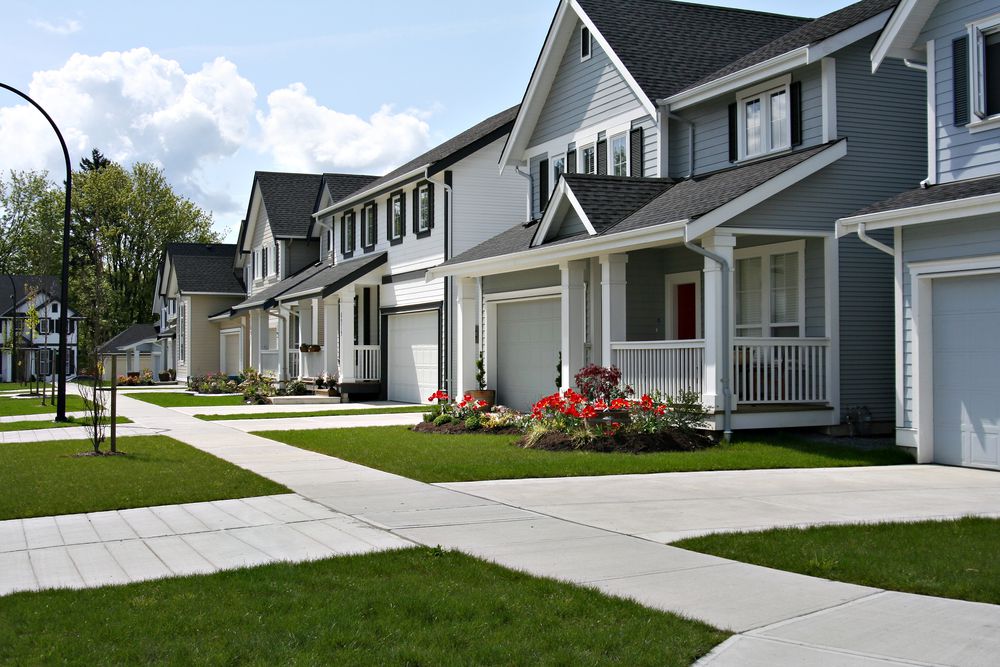
Make sure to get to know the neighborhood you’re moving into! Research the crime rate, look up the school district if you have children (or are planning on having children), see what types of restaurants and activities are nearby. Otherwise, you could end up somewhere you don’t really like or feel safe in.
First-time buyers should also research how long comparable homes in the neighborhood have been on the market and their final sale price. This can help you when drafting an offer and during negotiations.
DepositPhotos.com

Many buyers pour the majority of their savings into their new home. However, if you completely drain your funds just on the down payment, you will have a hard time if anything goes wrong after closing. Make sure you always have a rainy day fund set aside for things such as surprise repairs, emergency costs and peace of mind.
fizkes/istockphoto

Any time you take out a new loan or credit card, there will be a hard pull on your credit report. This can jeopardize the closing process and the final approved loan amount. First-time buyers sometimes learn this lesson the hard way.
DepositPhotos.com

A home buyer rebates is when the buyer’s agent refunds a portion of their commission back to their client. Usually, these rebates are capped at 1% of a home’s final sale price. Although some states do not allow this practice, you should check whether it is permitted where you live.
shapecharge

The average cost of utilities per month for U.S. homeowners is approximately $400. This includes electricity, gas, water, cable, internet, and trash/recycling. It is important not to overlook these costs when planning your home’s monthly budge
This article
originally appeared on ListWithClever.com and was
syndicated by MediaFeed.org.
dusanpetkovic/istockphoto

Depositphotos
Featured Image Credit: bymuratdeniz/istockphoto.