
Boomers grew up with these habits — now Gen Z calls them “luxury”
“Everything is so expensive now” is a common phrase heard by Gen Z around the country. This is a true claim. With inflation, tariffs and production costs increasing, trying to get by has become challenging for Gen Z. But, back when Boomers were in their 20s, everyday utilities and miscellaneous items were much cheaper.
Here are eight commodities that were cheap for Boomers, but are now pricy for Gen Z.

Homeownership
No matter where you are in the country, prices have skyrocketed. Homes in the Midwest were known for their incredibly affordable prices, but have now increased, while renting apartments in cities is almost unattainable.
When middle-class Boomers were looking for their first home, this predicament did not exist. Yahoo Finance reported that two in three Boomers paid less than $100,000 for their first home, while the average home costs over $370,320 today.
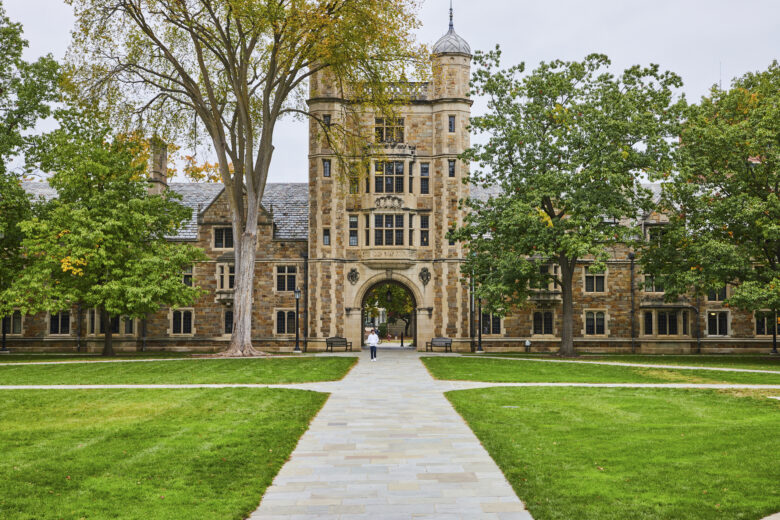
Affordable higher education
For the majority of Gen Z, having an affordable college education is almost unheard of. Even with scholarships and loans, college tuition has skyrocketed in recent years. In 2026, the average cost of college is $38,270 per student. However, this varies by school, as schools like New York University and Duke University are hitting the $100,000 mark for yearly tuition.
Once again, Boomers never faced this issue. When Boomers attended college in the 1980s, the average cost for a Bachelor’s degree was $4,725.

Physical media
With the age of social media and Artificial Intelligence taking over Gen Z’s lives, the generation has been looking towards analog media. From using film cameras instead of phones to paper magazines over Kindles, physical media has slowly become a dominant part of Gen Z’s purchases.
However, this was the norm for Boomers since the only type of media Boomers had was physical media. Magazines were mere cents, while hardcover books were only a few dollars. With more Gen Z going analog, businesses are starting to rebound following the digital revolution.

Vinyl collection
A major part of Gen Z becoming more analog is the rise in vinyl sales. What was an industry on the brink of getting wiped out by music streaming, vinyl is becoming more and more prominent with Gen Z. In 2025, vinyl sales reached a historic $1 billion. Even though vinyl is seeing a resurgence, the average price ranges from $25 to $40. However, when Boomers bought vinyl, which was once again the norm, prices were only $7 to $10.

Gas prices
Gas prices have steadily increased over the decades, but Gen Z faces the brunt of it, with average gas prices soaring up to $4 per gallon. In 2024, the average American spent $200 on gas per month. Even with inflation, gas prices during the Boomer era were 34 cents per gallon, a price Gen Z can only dream of.

Cars
Similar to gas prices, the average cost of cars was significantly lower for Boomers than for Gen Z. In 1955, Boomers could purchase a brand-new Buick for only $2,395, while a Gen Z would have to spend $26,495 for a Buick Envista, the cheapest Buick model on the market. With gas and car prices already soaring, adding insurance to the mix makes having a car a big expense for Gen Z.

Groceries
The thought of spending less than $20 on groceries to feed an entire family for a week is simply unheard of. Wait, that was how much Boomers spent back in the 60s. That makes more sense.
With production costs soaring, climate change and tariffs raising the price of groceries, grocery shopping can seem like an impossible task for Gen Z. Today, the cost of a pound of ground beef is around $7, while a dozen eggs are around $4. Gen Z will definitely wish to live in the Boomer era with these costs.

Concerts
Whenever Gen Z finds concert tickets that are less than $50, that’s considered cheap and a steal. Today, Gen Z is spending hundreds, even thousands of dollars to catch their favorite artists live. From 2023 to 2025, Gen Z has spent an average of $2,100 on concert tickets.
Once again, Boomers had it easy. To go to Woodstock, Boomers only had to pay $18, while it was only $12.50 to watch the Rolling Stones live back in 1969 (and that was expensive back then). If Gen Z had the concert prices Boomers had, the music industry would be booming.

Wrap-Up
Whether it’s trying to pay for college or spending money on physical media, everything seems to be more expensive for Gen Z than it was for Boomers. With Gen Z’s spending habits, Gen Z would probably rather have lower prices on everyday items than the newest fashion craze or the hottest car on the market.
Related:
- The sports boomers and millennials love that Gen Z barely plays
- Things we all did in the ’60s that would get Gen Z canceled
Ask us! What questions do you have about content, strategy, pop culture, lifestyle, wellness, history or more? We may use your question in an upcoming article!
Like MediaFeed’s content? Be sure to follow us.
This article was syndicated by MediaFeed.co.