

Boomer school punishments that would never fly today
Baby Boomers remember school discipline that seems shocking by modern standards. Practices once considered normal would trigger lawsuits and criminal charges today. Educational approaches have transformed dramatically since the 1950s and 1960s.
Paddling and corporal punishment
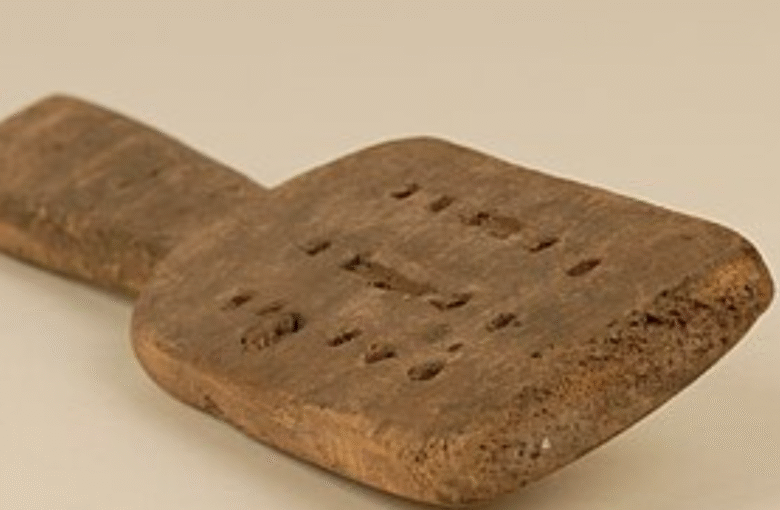
Over 90 percent of US schools permitted corporal punishment in the 1950s. Wooden paddles delivered forceful swats to students’ backsides for infractions like tardiness, talking in class, or running in hallways. In 1954, 40 percent of Americans named whipping as the most effective punishment for misbehaving children. Principals kept thick paddles prominently displayed in their offices as deterrents. Some rural schools sent students outside to cut switches from trees as punishment.

Public humiliation tactics
Teachers forced misbehaving students to stand in corners for hours, facing the walls. Others wore dunce caps while sitting on stools before classmates. Students stood holding heavy books with arms extended until muscles trembled. Kneeling on rice or corn caused discomfort and pain, serving as behavioral deterrents. These humiliation tactics targeted emotional well-being alongside physical discomfort. Modern psychology recognizes lasting damage from public shaming.
The ruler strikes the hands
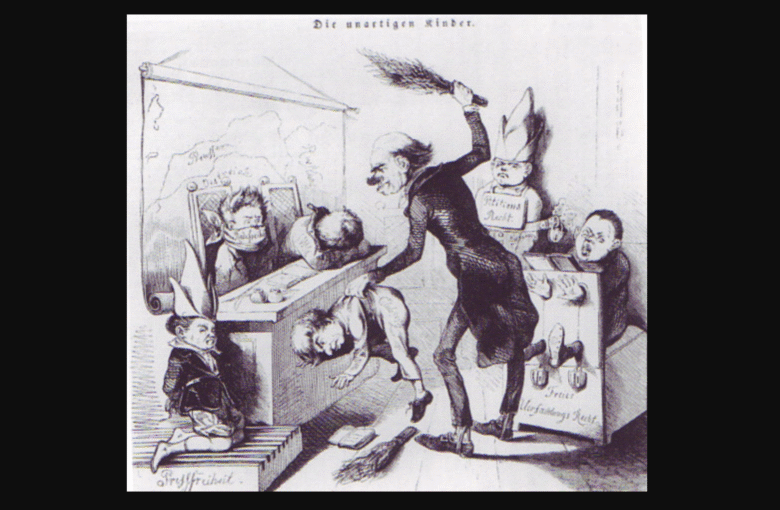
Teachers kept wooden rulers or yardsticks to deliver sharp raps to students’ palms or knuckles directly in classrooms. Minor disturbances like talking out of turn warranted immediate painful corrections. Students received strikes for infractions, including improper pencil grip or incorrect answers. The practice caused bruising and swelling requiring no parent notification or documentation. Physical punishment happened instantly without appeals or investigations.

Enforced physical positions
Students held uncomfortable positions for extended periods as punishment. Standing against walls with noses touching bricks for entire class periods taught obedience. Holding chairs or textbooks overhead until arms burned served as detention alternatives.Physical exercises like running laps or doing pushups punished infractions. These methods caused exhaustion and potential injuries without adult supervision.

Tape over mouths
Teachers silenced talkative students by literally taping their mouths shut with masking tape or duct tape. Children sat through lessons unable to speak or ask questions. The practice caused skin irritation and breathing difficulties while humiliating students in front of their peers. No administrative approval or parental consent was required for this silencing technique. Today, this would constitute assault and potential child abuse charges.

After-school detention without notice
Schools kept students for hours after dismissal without advance parent notification. Children missed buses home and waited in empty classrooms unsupervised. Parents had no warning about late arrivals, creating safety concerns. Students completed repetitive writing assignments, such as writing sentences hundreds of times.

Writing lines repeatedly
Students wrote the same sentence hundreds or thousands of times, filling entire notebooks. Common assignments included writing “I will not talk in class” five hundred times by hand. The tedious punishment caused hand cramping and wasted learning time.

Wrap up
Educational philosophy now completely emphasizes positive reinforcement over physical punishment. Modern research proves that physical discipline harms student development and achievement. These abandoned practices remind us how education has progressed toward treating children with dignity and respect.
Ask us! What questions do you have about content, strategy, pop culture, lifestyle, wellness, history or more? We may use your question in an upcoming article!
Related:
- The ’70s parenting practices we now know were terrible for the kids’ brains
- Why Gen Z wouldn’t last a day in an ’80s after-school special
Like MediaFeed’s content? Be sure to follow us.
This article was syndicated by MediaFeed.org.


