
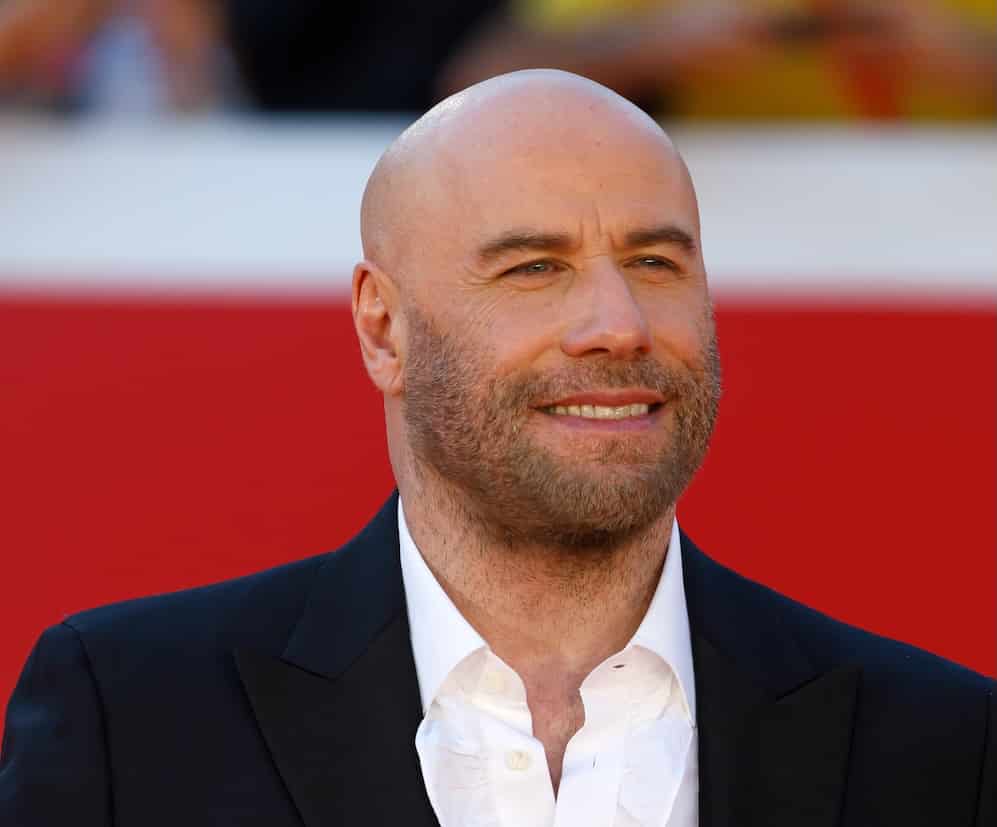
Boomer-era actors whose careers were derailed by one terrible role
While talent and charisma can launch an acting career, one misstep can send it spiraling into obscurity. For actors who rose to prominence during the Baby Boomer era, the film industry’s unforgiving nature meant that a single box office bomb or critically panned performance could cast a long shadow over their entire career. The entertainment business has always been cruel, but these cases demonstrate just how quickly a single, terrible choice can ruin a promising career.
These examples examine eight actors who, despite promising careers and proven track records, found their momentum severely halted by a notorious role. Some were forced into different career paths, while others were relegated to lesser-known projects; a few, however, managed to reinvent themselves entirely. These cases serve as stark reminders that in Hollywood, even seasoned performers with impressive résumés aren’t immune to the career-altering consequences of one catastrophically bad movie.

Faye Dunaway’s camp catastrophe in “Mommie Dearest” (1981)
Before “Mommie Dearest,” Faye Dunaway was Hollywood royalty. An Oscar-winning actress known for iconic roles in “Bonnie and Clyde,” “Chinatown,” and “Network,” she had established herself as one of the most respected leading ladies of the 1970s. Her performances were marked by intelligence, intensity, and a captivating screen presence that made her one of the era’s most bankable stars.
Then came her portrayal of Joan Crawford in the highly theatrical and over-the-top biopic that would forever change how audiences perceived her. While the film has gained cult status over the decades, its initial reception was overwhelmingly negative, with Dunaway’s performance often singled out for ridicule. The infamous “No wire hangers!” scene became a cultural meme long before memes existed, but not in the way any serious actress would want.
The derailment was swift and severe. It became difficult for audiences and critics to see Dunaway as anything other than the campy, abusive Crawford, severely limiting the dramatic roles she was offered afterward. Directors and casting agents struggled to separate the actress from the caricature, effectively ending her reign as a leading lady in major Hollywood films. The performance, meant to showcase her range, instead became a career-defining albatross.
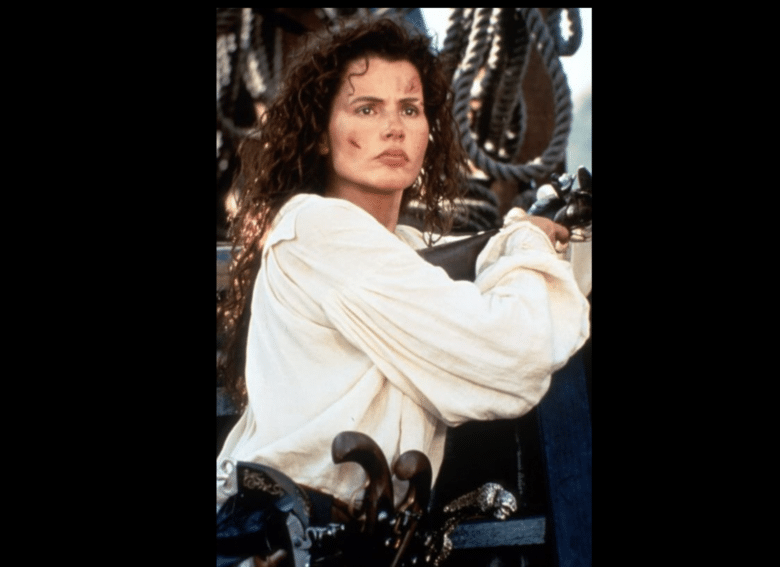
Geena Davis sinks with “Cutthroat Island” (1995)
Geena Davis entered the 1990s as one of Hollywood’s most versatile and acclaimed actresses. An Academy Award winner for “The Accidental Tourist” and a celebrated star of hits like “Thelma & Louise,” “Beetlejuice,” and “A League of Their Own,” she had proven her ability to handle both comedy and drama with equal skill. Her star power seemed unshakeable, and she was positioned as a leading lady who could open major films.
Her decision to star in “Cutthroat Island,” a swashbuckling pirate epic plagued by production issues and budget overruns, seemed like a natural extension of her action credentials. The film was designed to establish her as an action star while capitalizing on the potential appeal of the adventure genre. Instead, it became one of the biggest box office bombs in cinematic history, essentially bankrupting its studio and taking Davis’s career down with it.
The catastrophic failure was widely attributed to Davis’s perceived lack of star power for such a massive project, though the film’s overall poor quality was equally to blame. The industry’s reaction was swift and unforgiving, effectively ending her career as a major leading lady in big-budget productions. While she continued working, the scale of this failure cast doubt on her box office appeal, leading to more minor roles and fewer opportunities at the A-list level.
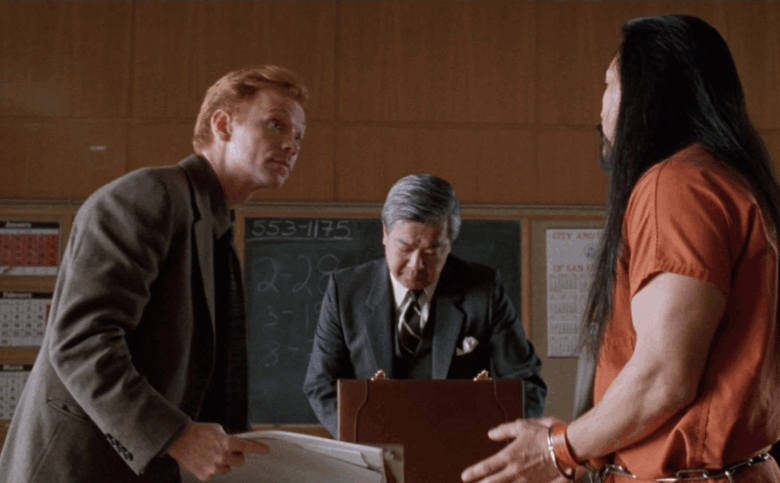
David Caruso’s film career dies in “Jade” (1995)
David Caruso was riding high on the success of “NYPD Blue,” where his acclaimed performance had positioned him as television’s next breakout star. His decision to leave the hit series to pursue a film career seemed logical at the time, with Hollywood positioning him as the next big action star. His intense screen presence and distinctive delivery had made him a standout on television, and the transition to movies seemed inevitable.
His starring role in “Jade,” an erotic thriller that followed another flop called “Kiss of Death,” proved to be a career-ending miscalculation. The film was both a critical and commercial disaster, cementing the perception that Caruso’s departure from “NYPD Blue” was a monumental mistake. The timing couldn’t have been worse, as it reinforced negative narratives about his judgment and star power.
The failure was compounded by reports of his challenging on-set behavior, which further damaged his reputation in an industry that values professionalism above almost everything else. The combination led to a rapid decline in his film offers, forcing him back to television after just a few years. While he eventually found success with “CSI: Miami,” his brief film career became a cautionary tale about leaving a sure thing for uncertain prospects.

Chris O’Donnell’s superhero career crashes with “Batman & Robin” (1997)
Chris O’Donnell had been building a promising career throughout the early 1990s, with notable roles in “Scent of a Woman” alongside Al Pacino, “School Ties,” and “Batman Forever.” His clean-cut good looks and earnest screen presence had positioned him as a viable leading man for the new generation, and his return as Robin in the Batman franchise seemed like a guaranteed career boost.
“Batman & Robin” proved to be anything but a boost. The film was a critical and commercial disaster, universally panned for its campy tone, ridiculous plot, and over-the-top performances. O’Donnell, along with co-star Alicia Silverstone, received significant backlash from both critics and audiences who felt betrayed by the franchise’s dramatic shift in tone from the darker previous entries.
While O’Donnell continued to work after the film’s release, his leading man film career never recovered to its prior potential. The association with one of cinema’s most notorious superhero failures created a stigma that proved challenging to overcome. He eventually found steady success in television with “NCIS: Los Angeles,” but his film career became a case study in how even franchise work can backfire spectacularly.

Elizabeth Berkley’s image destroyed by “Showgirls” (1995)
Elizabeth Berkley was America’s sweetheart thanks to her role as Jessie Spano on the beloved sitcom “Saved by the Bell.” Her wholesome image and girl-next-door appeal had made her a teen idol, and her transition to more adult roles seemed like a natural career progression. She was eager to shed her television image and prove her dramatic chops in serious filmmaking.
Her starring role as Nomi Malone in Paul Verhoeven’s “Showgirls” was meant to announce her arrival as a serious actress. Instead, the highly controversial and explicit drama about a Vegas dancer became one of the most notorious films of the decade. The movie was savaged by critics and bombed at the box office, with Berkley’s performance particularly singled out for its perceived over-the-top nature.
The film became a cultural punchline, and it severely damaged Berkley’s credibility as a serious actress. The stark contrast between her innocent television persona and her explicit film role created cognitive dissonance that audiences struggled to reconcile. The failure made it nearly impossible for her to secure significant film roles afterward, effectively ending her movie career before it could truly begin.

John Travolta’s passion project becomes “Battlefield Earth” (2000)
John Travolta had experienced one of Hollywood’s most remarkable career resurrections in the mid-1990s. After years in the wilderness following his early success, films like “Pulp Fiction,” “Get Shorty,” and “Face/Off” had reestablished him as an A-list action and drama star. His comeback was so complete that he seemed untouchable, capable of choosing any project he wanted.
His decision to star in and produce “Battlefield Earth,” based on L. Ron Hubbard’s science fiction novel, seemed like an opportunity to showcase his range while pursuing a personal passion project. Travolta’s deep involvement in the film, both as star and producer, demonstrated his commitment to the material and his belief in its potential success.
“Battlefield Earth” became a monumental critical and commercial failure, widely regarded as one of the worst films ever made. The sheer scale of the failure, combined with Travolta’s prominent role in its creation, significantly tarnished his reputation. While he continued to work, the film’s failure slowed the momentum of his triumphant comeback and led to a string of less successful projects that never quite recaptured the magic of his mid-90s success.

Madonna’s acting ambitions swept away by “Swept Away” (2002)
Madonna’s transition from music icon to actress had shown genuine promise with successful films like “Desperately Seeking Susan” and her acclaimed, Golden Globe-winning performance in “Evita.” Her dramatic skills had surprised critics and audiences alike, suggesting that her acting career could be more than just a celebrity vanity project. She seemed poised to establish herself as a legitimate actress alongside her musical achievements.
Her starring role in “Swept Away,” a romantic comedy remake directed by her then-husband Guy Ritchie, appeared to be a safe choice that would allow her to work with a trusted collaborator. The original 1974 film had been well-regarded, and the project seemed like an opportunity to showcase her romantic comedy skills while working in a controlled environment.
“Swept Away” was universally panned by critics and bombed spectacularly at the box office, earning multiple Razzie Awards in the process. Madonna’s performance was widely criticized as stilted and unconvincing, undermining years of work she had done to establish her acting credibility. The film’s failure effectively ended her aspirations for a serious, sustained film career, and she largely retreated from leading roles in major movies thereafter.

Eddie Murphy’s “Norbit” destroys his Oscar dreams (2007)
Eddie Murphy was a comedic legend whose career had spanned decades of success, from his breakthrough on “Saturday Night Live” to blockbuster hits like “Beverly Hills Cop,” “The Nutty Professor,” and “Coming to America.” His ability to play multiple characters had become his trademark, and his recent dramatic turn in “Dreamgirls” had earned him an Oscar nomination, suggesting new depths to his talent.
“Norbit” seemed like a return to his successful formula of playing multiple comedic characters, including the titular Norbit and his abrasive wife Rasputia. The film was released just before the Academy Awards ceremony, where Murphy was considered a strong contender for his “Dreamgirls” performance, making the timing particularly significant for his career trajectory.
The film’s overwhelmingly negative reception created what became known as “Norbitting,” which negatively impacted his Oscar chances, as Academy voters reportedly soured on Murphy following the film’s release. The critical and audience backlash solidified a pattern of questionable movie choices that led to a significant downturn in his once-unassailable comedic film career. The contrast between his acclaimed dramatic work and this lowbrow comedy created a narrative of poor judgment that persisted for over a decade.

Conclusion
These examples illustrate the unpredictable and often brutal nature of the entertainment industry, where even immense talent and prior success offer no guarantee against a career-altering misstep. Each of these actors had proven their abilities and achieved significant success before their respective failures, yet a single poor choice was enough to alter their career trajectories fundamentally.
The films listed represent more than just critical or commercial failures; they became cultural touchstones that directly impacted how these actors were perceived by audiences, critics, and industry professionals. The power of one terrible role to overshadow years of good work highlights the fragile nature of celebrity and the enduring impact of public opinion.
While some of these actors have found paths to reinvention or sustained success in other media, these specific roles remain indelible marks on their filmographies. They serve as cautionary tales about the importance of project selection and the reality that in Hollywood, you’re often only as good as your last movie—especially when that movie is memorably, catastrophically bad.
Related:
Like MediaFeed’s content? Be sure to follow us.
This article was syndicated by MediaFeed.org.


