
Before You Enroll: 20 College Majors With Challenging Career Outlooks
A college degree can still be a smart investment, but not all degrees offer the same return.
Rising tuition costs, changing workforce demands, and growing competition for entry-level jobs have made some majors harder to justify purely from a financial standpoint. That doesn’t mean these fields lack value. Many offer rewarding careers and meaningful work. It simply means graduates may face lower earnings, fewer job opportunities, or a longer road to paying off student loans.
Here are 20 degrees that often provide a lower financial return than students expect.

20. Foreign Languages
Speaking multiple languages is incredibly valuable, but employers often prioritize language skills alongside another specialty.
Graduates frequently find the strongest opportunities when they pair language expertise with business, healthcare, law, international relations, or technology.

19. General Liberal Arts
Liberal arts programs develop critical thinking, communication, and analytical skills that employers value.
The challenge is that the degree itself doesn’t point directly toward a specific career path, leaving many graduates to create their own professional roadmap after graduation.

18. History
History majors gain strong research and writing skills, but the degree doesn’t naturally funnel into a large number of high-paying professions.
Many graduates find success in education, law, government, business, or public service, though some require additional training or credentials.

17. English
English majors develop communication skills that remain highly valuable in many industries.
However, the path from graduation to a lucrative career isn’t always obvious, and many graduates must actively market their skills to stand out in competitive fields.

16. General Social Sciences
Broad social science programs can provide a solid educational foundation, but employers often prefer specialized expertise.
Graduates frequently pursue graduate school or additional certifications to strengthen their career prospects.

15. Fashion Design
Fashion can be glamorous from the outside looking in.
The reality is that the industry is highly competitive, and many aspiring designers spend years building portfolios and professional networks before landing stable, well-paying positions.

14. Music
Music careers often reward talent, persistence, and entrepreneurship more than formal credentials.
Many graduates piece together incomes through teaching, performing, freelancing, and side work while pursuing artistic goals.

13. Fine Arts
Creative careers can be deeply fulfilling, but financial success often depends on building a reputation, audience, or client base.
Many artists eventually supplement their education with business, marketing, or digital media skills.
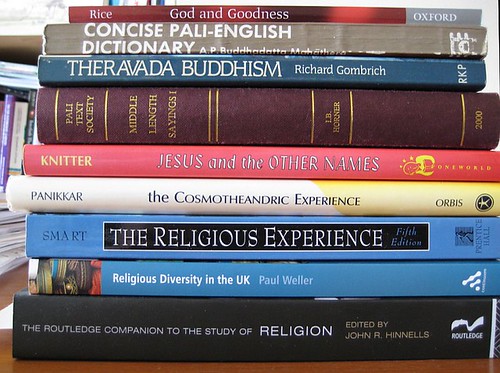
12. Theology and Religious Studies
This degree can be ideal for students pursuing ministry, nonprofit work, or religious scholarship.
Outside those fields, however, career options can be more limited than many traditional professional majors.

11. Journalism
Journalism remains one of society’s most important professions.
Unfortunately, many news organizations have downsized over the past two decades, creating a more competitive job market and putting pressure on salaries throughout the industry.

10. Criminal Justice
A criminal justice degree can open doors in law enforcement, corrections, and public service.
However, many entry-level positions don’t require a bachelor’s degree, and salary growth can vary significantly depending on specialization and location.

9. Communications
Communications remains one of the most popular college majors.
The challenge is that graduates compete for a wide range of jobs in marketing, public relations, social media, and corporate communications, making the field highly competitive.

8. Anthropology
Anthropology teaches valuable research and cultural analysis skills.
Many of the highest-paying opportunities, however, require advanced degrees or specialized research positions.

7. Sociology
Sociology provides insights into human behavior, institutions, and social systems.
While useful in many fields, graduates often need additional education or professional certifications to maximize earning potential.

6. Philosophy
Philosophy majors consistently score well on graduate admissions tests and often perform strongly in law, business, and academia.
The challenge is that the bachelor’s degree itself rarely leads directly to a specific career path, making long-term planning especially important.

5. Culinary Arts
Professional cooking requires skill, creativity, and passion.
Unfortunately, culinary school can be expensive, while many entry-level kitchen jobs remain physically demanding and relatively modest in pay.

4. Psychology
Psychology is one of the most popular majors in America.
The catch is that many psychology-related careers, including counseling, clinical psychology, and research positions, require graduate degrees. A bachelor’s degree alone often limits earning potential.

3. Art History
Art history graduates gain expertise in culture, research, and critical analysis.
However, museum, archival, and academic positions can be highly competitive, and many graduates pursue advanced degrees to improve their prospects.

2. Performing Arts
Success in acting, dance, and theater often depends more on auditions, networking, and performance experience than academic credentials.
While some performers thrive, the field remains one of the most competitive and unpredictable career paths available.

1. Education
Teaching remains one of the most important professions in society.
However, compared with the cost of earning a degree and certification, teacher salaries often lag behind many other professions requiring similar levels of education. Many educators enter the field for reasons beyond financial rewards, but from a purely economic perspective, the return on investment can be challenging.
Choosing a major shouldn’t be based solely on salary potential. Passion, aptitude, personal goals, and career satisfaction matter too. But understanding the financial realities of different degrees can help students make informed decisions and plan for the future before signing up for years of tuition and student loan payments.
Read More:
- 10 Corporate Jobs That Pay Well But Are a Soul-Sucking Nightmare
- 15 Pieces of Boomer Advice That Aged Like Expired Milk
- The Best High-Paying Jobs You Can Get Without College
Ask us! What questions do you have about content, strategy, pop culture, lifestyle, wellness, history or more? We may use your question in an upcoming article!
Like MediaFeed’s content? Be sure to follow us.
This article originally appeared on Resourcebuzz and was syndicated by MediaFeed.co.