The child tax credit gives financial support to American families has been significantly expanded for 2021. Don’t miss the advance monthly payments from July through December that put money in your pocket for each of your qualifying dependent children.
You’ve probably been hearing a lot about the child tax credit payments that the IRS is sending many American families. You may have already seen the money show up in your bank account.
This episode will review what the child tax credit is and who qualifies for it. You’ll find out how much you could receive and if it could affect your future tax refund.
What Is the Child Tax Credit?
The child tax credit isn’t a new benefit for Americans – it’s been around since 1997. However, due to COVID relief, known as the American Rescue Plan of 2021, the credit has changed significantly for a limited period.
If you have kids, you’re probably familiar with the child tax credit. But if you don’t, the credit may be news to you. So, here’s a primer.
The child tax credit is a federal benefit for qualifying taxpayers with one or more qualifying dependent children. It puts more money back in the pockets of families by reducing the amount of tax they owe or increasing their tax refunds.
Unlike a tax deduction, a tax credit cuts your tax bill on a dollar-for-dollar basis, making it more valuable. For instance, if you owe $1,000 in taxes and qualify for a $250 tax credit, your tax liability gets cut to $750.
Let’s compare that scenario to getting a $1,000 tax deduction. A deduction doesn’t reduce the actual amount of tax owed but instead reduces your taxable income. Let’s say you qualify for a $1,000 tax deduction. Depending on your average tax rate, it may end up saving you about $200 in taxes, which is much less than for a $1,000 tax credit.
How Much is the Child Tax Credit?
How much money you could save by claiming the child tax credit depends on your income and family size. Before the pandemic, it paid qualified taxpayers $2,000 per child under age 17.
Legislation boosted the credit to $3,000 per child under age 18, starting in 2020. Additionally, if you have a child under age six, you qualify for a $3,600 credit.
Another change for 2021 is that the child tax credit is fully refundable. That means you receive it even if the amount exceeds what you owe in taxes.
If you’re single with MAGI above $240,000, or a joint filer earning more than $440,000, you become ineligible for the credit.
For example, if you owe $1,000 in taxes and qualify for a $3,000 credit, the IRS pays you the difference, or $2,000. That’s different from a non-refundable credit, which only allows you to receive a maximum amount that reduces your tax liability to $0. In other words, a non-refundable credit never puts money back in your pocket – it only offsets what you owe the government.
As I mentioned, the child tax credit is now fully refundable, allowing families to take advantage of every penny of the benefit. Additionally, starting July 2021, up to 50% of your credit can be paid in advance as monthly payments through the end of the year.
Advance payments can be up to $300 per month per child under age six, and up to $250 for each child age six through 17, by December 31, 2021. You can also claim a one-time credit of $500 for dependent children over age 18, including full-time college students up to age 24.
When Do You Receive Advance Child Tax Credit Payments?
The first of six advance credit payments went out on July 15, 2021. They’ll continue getting paid on August 13, September 15, October 15, November 15, and December 15. The payments don’t get considered taxable income because they’re a tax benefit that you receive early.
Note that if no additional legislation gets passed, starting in 2022, the child tax credit will revert to pre-pandemic rules, reducing the credit amount to $2,000 per child and eliminating monthly advance payments. However, the American Families Plan is a proposal that would extend the child tax credit through 2025 and maintain its fully refundable status if Congress enacts it.
Who Qualifies for the Child Tax Credit?
Knowing if you qualify for the child tax credit is clear-cut for some families but confusing for others. You must have a primary home in the U.S. for more than half the years or file a joint tax return with a spouse who does.
Only one taxpayer can claim the child tax credit per child, even if they live in more than one household during the year. If one parent has primary custody, that parent typically receives the credit.
However, for joint custody arrangements, parents must agree on who will claim the credit. One option may be for a different parent to claim it in alternating years. However, since 2021 pays a higher-than-normal benefit, it may be wise for parents to agree to split the funds between themselves in some fair proportion.
Additionally, families may have other caretakers besides parents, such as siblings, grandparents, aunts, or uncles, who may be entitled to the child tax credit based on their level of financial support for a dependent child.
To be eligible for the credit, both the taxpayer and qualifying dependent child must be U.S. citizens, U.S. nationals, or U.S. resident aliens with Social Security numbers. The dependent must have lived with the person claiming the credit for more than half of the year and be claimed as a dependent on their tax return.
Also, the child must not have provided more than half of their own financial support during the year. If you’re not sure if a dependent qualifies you to claim the child tax credit, there’s a handy tool at IRS.gov to check out for guidance. If you’re still unsure, consider speaking with a qualified tax accountant for advice.
What Are the Child Tax Credit Income Limits?
Be aware that not every family qualifies to claim the child tax credit. It was created to give financial help to qualifying low- and middle-income taxpayers. Therefore, if you earn over an annual threshold, your benefit may be reduced or eliminated.
Here are the limits for modified adjusted gross income (MAGI) by tax filing status you must meet to claim the full child tax credit for 2021:
- Singles must earn $75,000 or less
- Heads of household must earn $112,500 or less
- Married couples filing taxes jointly must earn $150,000 or less
For example, a family with annual MAGI of $150,000 and three children ages 2, 5, and 10 would receive total credits of $10,200 for 2021. That breaks down to $3,600 plus $3,600 for the two youngest children and another $3,000 for the oldest child.
That family would receive half of the credit in advance by receiving payments of $850 per month. Over six months, the advance would total $5,100, and the remaining $5,100 balance would be paid as a tax refund by mid-April in 2022.
Another example is a single parent with MAGI of $60,000 and an 8-year-old. They would qualify for an advance payment of $250 per month starting in July 2021.
For those earning more than the thresholds I just reviewed, you either qualify for no tax credit or a reduced amount, based on your income and tax filing status. Since you’re single with MAGI of $240,000, or a joint filer with $440,000, you become ineligible for the credit.
SPONSORED: Find a Qualified Financial Advisor
1. Finding a qualified financial advisor doesn’t have to be hard. SmartAsset’s free tool matches you with up to 3 fiduciary financial advisors in your area in 5 minutes.
2. Each advisor has been vetted by SmartAsset and is held to a fiduciary standard to act in your best interests. If you’re ready to be matched with local advisors that can help you achieve your financial goals, get started now.
How Do You Get the Child Tax Credit?
If you qualify for the child tax credit, it’s essential to make sure the IRS knows how to pay you. That’s especially important if you’re someone who doesn’t typically file a tax return because you have a low income. Remember that you can still get advance credit payments even if you have no income if you’re eligible.
The fastest way to receive advance payments is by direct deposit, using a bank account, prepaid debit card, or mobile app. If you received stimulus payments in 2020 and haven’t moved or changed your bank account, you should automatically receive the advance credit payments if you’re eligible.
However, if you didn’t receive a stimulus payment or you weren’t required to file taxes for 2020, be sure to use the IRS signup tool to inform the government that you’re qualified for payments and where to send them.
Can You Opt Out of the Child Tax Credit?
You also have the option to opt-out of the monthly advance payments if you prefer to take the full credit on your 2021 tax return instead. Underpayments or overpayments of the child tax credit get reconciled when you file taxes next year, so unenrolling could prevent having an unexpected tax liability.
However, if you have income below $40,000 as a single taxpayer or $60,000 as a married couple filing taxes jointly, there’s a cap on how much of the credit you could have to repay. So, for most people, getting the advance payments is a wise financial move.
While the advance payments reduce your tax refund for the year, they may still be higher than your typical refund due to the higher tax credit amount for 2021. But if you choose to opt-out of advance payments, visit the IRS Child Tax Credit Update Portal.
For more information about eligibility for the child tax credit, check out the following resources at IRS.gov:
- Eligibility for Advance Child Tax Credit Payments and the 2021 Child Tax Credit
- Calculation of Advance Child Tax Credit Payments
- Updating Your Child Tax Credit Information During 2021
- Child Tax Credit Non-Filer Sign-up Tool
- Advance Payments of the Child Tax Credit: Which Online Tool Should I Use
What questions do you have about taxes for your personal or business finances? Leave Laura a voicemail question, comment, or idea for a future topic by calling 302-364-0308. Be sure to follow Laura on Instagram and learn more about her books, online courses, and free newsletter at LauraDAdams.com.
This article originally appeared on Quick & Dirty Tips and was syndicated by MediaFeed.org.
More from MediaFeed:
Can you pay taxes with a credit card?

If you have a credit card, you may have wondered if you can pay taxes with it. While it’s possible to pay taxes with a credit card, it won’t be free. On the other hand, you could potentially enjoy benefits like earning rewards or hitting your credit card spend threshold to snag the welcome bonus.
Read on to learn more about paying the IRS with your credit card, from the potential benefits to a full rundown of the fees you may face.
Related: 401(k) tax rules on withdrawals and contributions
franckreporter

If you owe money to the IRS for your taxes, you have a number of options for payment and those do include paying by credit card. The IRS lets you pay your taxes with a credit card through a third-party payment processor. However, the companies that are allowed to accept credit card payments on behalf of the IRS will charge fees for paying with a credit card.
Therefore, it is important to carefully consider the benefits of paying taxes with a credit card in order to decide if paying these fees is worth it for you. And always make sure that you have a full understanding of credit card terminologies before using a credit card.
DepositPhotos.com

There are a few major benefits of paying taxes with a credit card instead of paying by check, direct deposit or money order. This includes earning rewards from your credit card, securing a welcome bonus or hitting a credit card spending threshold to earn a bonus. Some taxpayers may also wish to use a credit card to finance their payment, either by using their credit card’s interest-free grace period or extending payment.
kitzcorner // istockphoto
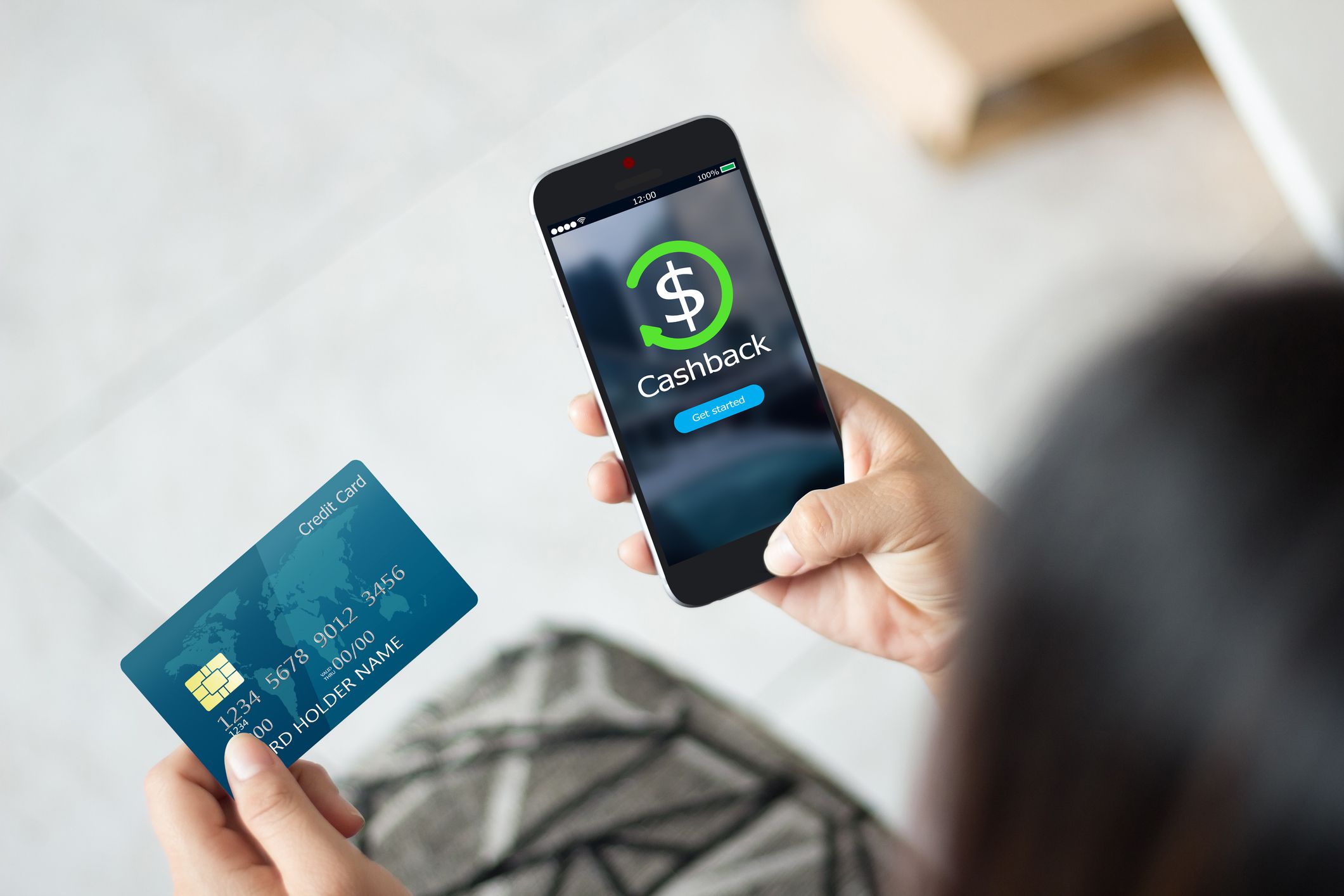
One of the biggest benefits of paying your taxes with a credit card is the potential to earn travel rewards or cash back from the credit card. Even with the credit card processing fee, some of the top rewards credit cards can offer rewards that can offset the cost of the fee. For example, with a 2% credit card fee, you would want to choose a card or cards that offer more than 2% cash back, or the equivalent in rewards.
B4LLS / iStock

With a large tax bill, you could earn a valuable new account welcome bonus on one or more credit card offers. These welcome bonuses can reach up to $1,000 in value and even secured credit cards may offer them. If these offers are worth more to you than the 2% credit card fee, it can be an easy choice to pay your taxes with your credit card.
Some of the highest welcome bonus offers have large minimum spending requirements to get those bonuses. If you may not otherwise be able to meet that minimum spend, paying your taxes could be a way to pay for a significant portion, or all of that amount. Depending how large your tax bill is, you could even split the tax payment across two rewards credit cards to earn more than one welcome bonus.
If you move forward with this though, just make sure you have a firm handle on how credit card payments work to avoid ending up with debt.
Farknot_Architect / istockphoto

Some credit cards have additional spending thresholds besides those required to earn a welcome bonus. This could be another reason to use a credit card to pay your taxes. For example, these spending thresholds could help you reach the next level of elite status for an airline or hotel loyalty program. Or spending a certain amount could offer you a free night stay certificate or a companion airfare certificate.
You will need to weigh whether the status or other benefit is worth the credit card fee you will incur when paying your taxes with a card. Adding a load of debt to your card that you don’t have the funds on hand to pay off, for instance, won’t improve your credit score.
DepositPhotos.com

As mentioned above, the three payment processors accepted by the IRS charge different fees for credit card payments, which are:
- ACI Payments, Inc.: 1.98% (minimum fee of $2.50)
- Pay1040: 1.87% (minimum fee of $2.50)
- payUSAtax: 1.96% (minimum fee of $2.69)
Depending on the tax payment type, there may be a maximum number of times per year that you can pay with a credit card. In addition, tax payments over $100,000 may have special requirements and must be processed over the phone instead of online.When deciding whether to pay your taxes with a credit card, it’s important to compare the pros and cons. While you could reap rewards, you could also face steep costs.
DepositPhotos.com

- Earn rewards, points, miles or cash back for the spending
- Get extra time to pay off your taxes, especially if using a 0% APR offer card
- Meet a spending threshold
DepositPhotos.com

- Fees to pay by credit card
- High credit card interest rates can hurt your finances
- Incurring debt can hurt your credit score
DepositPhotos.com

There are several reasons to consider using a credit card to pay your taxes. As discussed, one of the most popular reasons is to earn rewards from your credit card, including travel rewards, points or cash back. This could also include earning a welcome bonus on a credit card or reaching a minimum spending threshold with a card that opens up new membership tiers or special perks.
If you need more time to pay your taxes, you can file an extension with the IRS or set up a payment plan. However, you can expect to pay penalties for the extension and interest on the payment plan. Instead, you could pay your taxes with a credit card that offers 0% APR to give yourself more time to pay your taxes. You’ll still have to pay the credit-card processing fee, but it could end up being a cheaper option.
Credit: Jirapong Manustrong / istockphoto

This also could also be convenient if you have other debts you could move over to the card through credit card consolidation. Just be sure to pay off the balance in full before the promotional period ends to avoid paying the high interest charges.
Ultimately, it’s important to fully understand how cards operate and how credit card payments work before using a credit card to make a large and important payment like taxes. And it’s always good practice to get in the habit of regularly reviewing your credit card statement, especially after paying taxes to make sure that the transaction went through correctly.
DepositPhotos.com

It’s absolutely possible to pay taxes with a credit card, but there are pros and cons to doing so that you’ll want to consider before going ahead and paying the IRS with plastic. For one, there are fees you’ll incur, which will vary by payment processor, and there are always risks to your credit score when taking on debt. Still, the potential for rewards and more time to pay your taxes may outweigh potential downsides.
Learn More:
This article
originally appeared on LanternCredit.comand was
syndicated by MediaFeed.org.
The tips provided on this website are of a general nature and do not take into account your specific objectives, financial situation, and needs. You should always consider their appropriateness given your own circumstances.
Lantern by SoFi:
This Lantern website is owned by SoFi Lending Corp., a lender licensed by the Department of Financial Protection and Innovation under the California Financing Law, license number 6054612; NMLS number 1121636. (www.nmlsconsumeraccess.org)
All rates, fees, and terms are presented without guarantee and are subject to change pursuant to each provider’s discretion. There is no guarantee you will be approved or qualify for the advertised rates, fees, or terms presented. The actual terms you may receive depends on the things like benefits requested, your credit score, usage, history and other factors.
*Check your rate: To check the rates and terms you qualify for, Lantern and/or its network lenders conducts a soft credit pull that will not affect your credit score. However, if you choose a product and continue your application, the lender(s) you choose will request your full credit report from one or more consumer reporting agencies, which is considered a hard credit pull and may affect your credit.
All loan terms, including interest rate, and Annual Percentage Rate (APR), and monthly payments shown on this website are from lenders and are estimates based upon the limited information you provided and are for information purposes only. Estimated APR includes all applicable fees as required under the Truth in Lending Act. The actual loan terms you receive, including APR, will depend on the lender you select, their underwriting criteria, and your personal financial factors. The loan terms and rates presented are provided by the lenders and not by SoFi Lending Corp. or Lantern. Please review each lender’s Terms and Conditions for additional details.
Many factors affect your credit scores and the interest rates you may receive. SoFi is not a Credit Repair Organization as defined under federal or state law, including the Credit Repair Organizations Act. SoFi does not provide “credit repair” services or advice or assistance regarding “rebuilding” or “improving” your credit record, credit history, or credit rating. For details, see the FTC’s website on credit (https://www.consumer.ftc.gov/topics/credit-and-loans)
Financial Tips & Strategies: The tips provided on this website are of a general nature and do not take into account your specific objectives, financial situation, and needs. You should always consider their appropriateness given your own circumstances.
Personal Loan:
SoFi Lending Corp. (“SoFi”) operates this Personal Loan product in cooperation with Even Financial Corp. (“Even”). If you submit a loan inquiry, SoFi will deliver your information to Even, and Even will deliver to its network of lenders/partners to review to determine if you are eligible for pre-qualified or pre-approved offers. The lenders/partners receiving your information will also obtain your credit information from a credit reporting agency. If you meet one or more lender’s and/or partner’s conditions for eligibility, pre-qualified and pre-approved offers from one or more lenders/partners will be presented to you here on the Lantern website. More information about Even, the process, and its lenders/partners is described on the loan inquiry form you will reach by visiting our Personal Loans page as well as our Student Loan Refinance page. Click to learn more about Even’s Licenses and Disclosures, Terms of Service, and Privacy Policy.
Personal loan offers provided to customers on Lantern do not exceed 35.99% APR. An example of total amount paid on a personal loan of $10,000 for a term of 36 months at a rate of 10% would be equivalent to $11,616.12 over the 36 month life of the loan.
Student Loan Refinance:
SoFi Lending Corp. (“SoFi”) operates this Student Loan Refinance product in cooperation with Even Financial Corp. (“Even”). If you submit a loan inquiry, SoFi will deliver your information to Even, and Even will deliver to its network of lenders/partners to review to determine if you are eligible for pre-qualified or pre-approved offers. The lender’s receiving your information will also obtain your credit information from a credit reporting agency. If you meet one or more lender’s and/or partner’s conditions for eligibility, pre-qualified and pre-approved offers from one or more lenders/partners will be presented to you here on the Lantern website. More information about Even, the process, and its lenders/partners is described on the loan inquiry form you will reach by visiting our Personal Loans page as well as our Student Loan Refinance page. Click to learn more about Even’s Licenses and Disclosures, Terms of Service, and Privacy Policy.
Student loan refinance loans offered through Lantern are private loans and do not have the debt forgiveness or repayment options that the federal loan program offers, or that may become available, including Income Based Repayment or Income Contingent Repayment or Pay as you Earn (PAYE).
Notice: Recent legislative changes have suspended all federal student loan payments and waived interest charges on federally held loans until 05/01/22. Please carefully consider these changes before refinancing federally held loans, as in doing so you will no longer qualify for these changes or other future benefits applicable to federally held loans.
Auto Loan Refinance:
Automobile refinancing loan information presented on this Lantern website is from Caribou. Auto loan refinance information presented on this Lantern site is indicative and subject to you fulfilling the lender’s requirements, including: you must meet the lender’s credit standards, the loan amount must be at least $10,000, and the vehicle is no more than 10 years old with odometer reading of no more than 125,000 miles. Loan rates and terms as presented on this Lantern site are subject to change when you reach the lender and may depend on your creditworthiness. Additional terms and conditions may apply and all terms may vary by your state of residence.
Secured Lending Disclosure:
Terms, conditions, state restrictions, and minimum loan amounts apply. Before you apply for a secured loan, we encourage you to carefully consider whether this loan type is the right choice for you. If you can’t make your payments on a secured personal loan, you could end up losing the assets you provided for collateral. Not all applicants will qualify for larger loan amounts or most favorable loan terms. Loan approval and actual loan terms depend on the ability to meet underwriting requirements (including, but not limited to, a responsible credit history, sufficient income after monthly expenses, and availability of collateral) that will vary by lender.
Life Insurance:
Information about insurance is provided on Lantern by SoFi Life Insurance Agency, LLC. Click here to view our licenses.
sam thomas/istockphoto

Deagreez/istockphoto
Featured Image Credit: DepositPhotos.com.