
Its really shocking how less people uses good grammer nowadays.
If that sentence drove you up the wall, you’re in the right place. Writing is not just about pleasing the sticklers; good grammar has real-world importance. A 2012 study by the Society for Human Resources and Management shows that 45% of employers were willing to invest in improving their employees’ grammar and language skills. It’s that bad. While grammar mistakes might seem small, they can greatly impact your career trajectory.
Here are the top 12 grammar mistakes that drive us all up the wall.
Image Credit: Andrii Iemelyanenko / iStock.
1. Misusing ‘it’s’ and ‘its.’
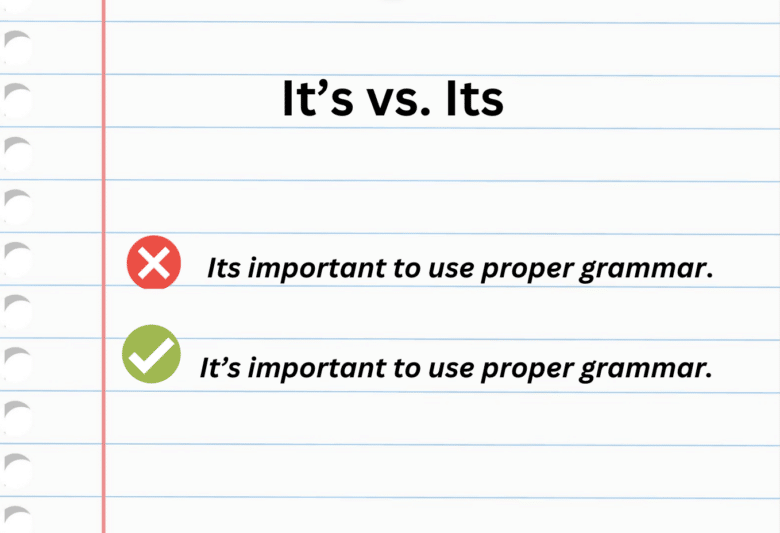
Here’s one grammatical conundrum you often see — people writing “it’s “when they want to show possession. “It’s” is a contraction to replace “it is,” whereas “its” is a possessive pronoun to show ownership.
Image Credit: MediaFeed/Viktor Morozuk/iStock.
2. Misplacing apostrophes in pluralization and possession.

Small but mighty punctuation marks and apostrophes can make all the difference in a sentence. People often use “apostrophe ‘s'” to a noun to indicate plural, but it’s not correct. We use apostrophes to show possession: “The Miller’s dog is very friendly.”
Image Credit: MediaFeed/Viktor Morozuk/iStock.
3. Misusing ‘you’re’ and ‘your.’

This is an example of the all-too-frequent attack on homophones—words that have the same pronunciation but different meanings. We see many people write “you’re“ when they want to show possession. “Your” is a possessive adjective, while “you’re” is a contraction of “you“ and “are.”
Image Credit: MediaFeed/Viktor Morozuk/iStock.
4. ‘Then’ and ‘than’ are different words

It’s funny yet tragic how one tiny letter can toss the whole meaning of a word into chaos. Despite their similar spellings, “than” and “then” have distinct uses in English grammar. “Than” is used in comparisons, for example: “A violin is generally more expensive than a ukulele.”
“Then,” however, conveys time. For example: “We visited the Eiffel Tower, and then we had dinner in a nearby cafe.”
Image Credit: MediaFeed/Viktor Morozuk/iStock.
5. Misusing ‘I’ and ‘me’
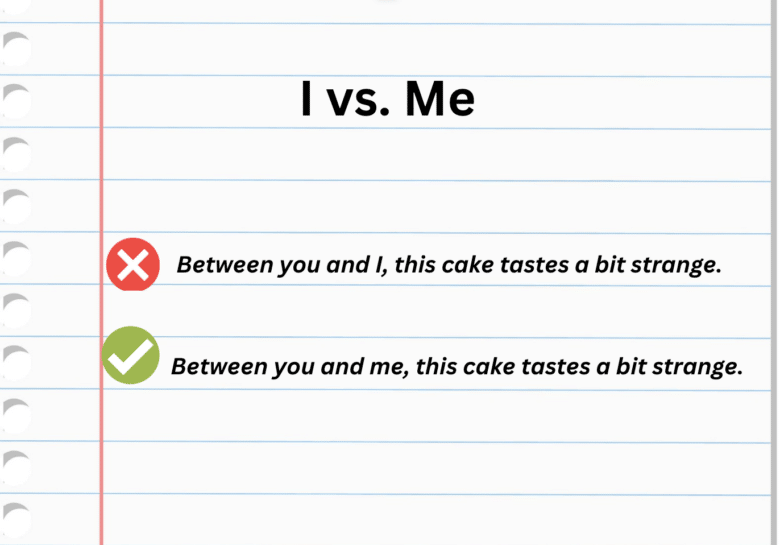
Another classic case of misuse is between “I” and “Me.” “I” is the subject of a sentence or clause, whereas “me” will be the object. “Me” should follow any preposition (of, in, on, etc.) and function as both the indirect and direct object in a sentence.
Image Credit: MediaFeed/Viktor Morozuk/iStock.
6. Dot-dot-dot, not dot-dot, not dot-dot-dot-dot.
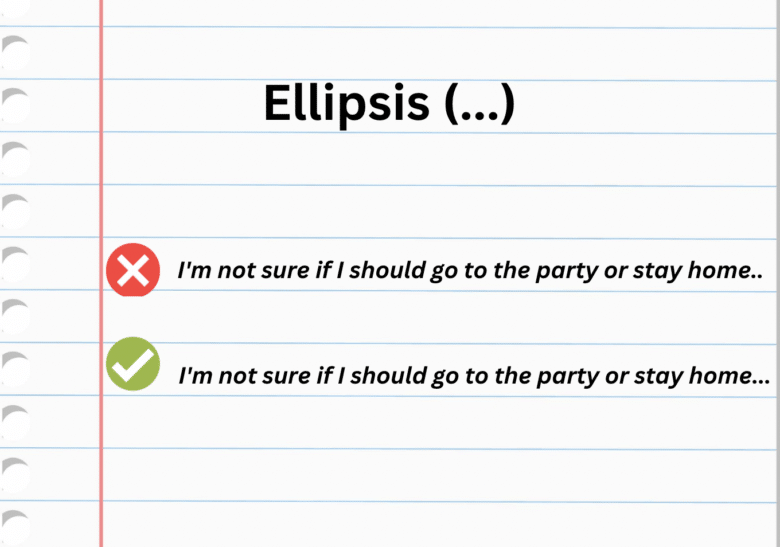
An ellipsis should be three dots, not two, not four. Three. An ellipsis, often called dot-dot-dot and pluralized as ellipses, is a punctuation mark comprising a series of dots that replaces words, sentences, or sections of text to streamline writing by omitting redundant or contextually obvious material.
Image Credit: MediaFeed/Viktor Morozuk/iStock.
7. Using ‘affect’ instead of ‘effect.’
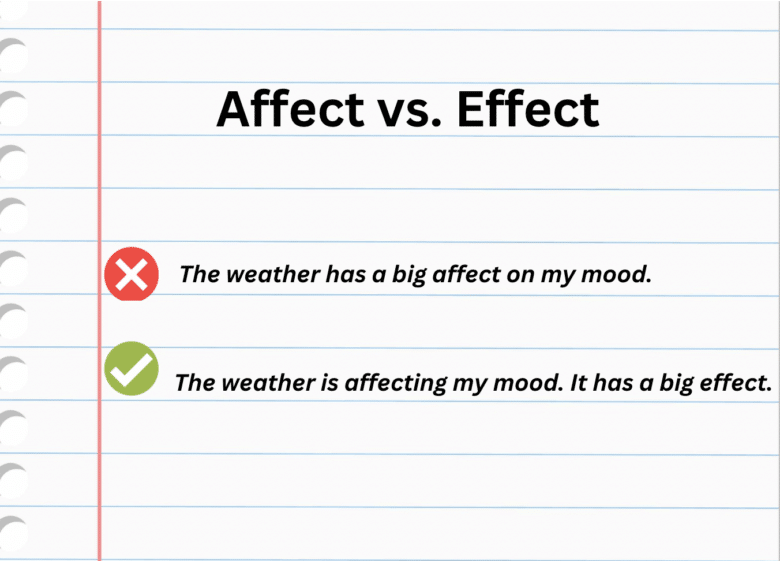
A common case of homophones that confuses many people is “effect” versus “affect.” According to Merriam-Webster, “affect” is a verb meaning “to produce an effect upon,” as in “the weather affected his mood.” Effect, conversely, is a noun meaning “a change that results when something is done or happens.”
Image Credit: MediaFeed/Viktor Morozuk/iStock.
8. Using “to” instead of “too.”
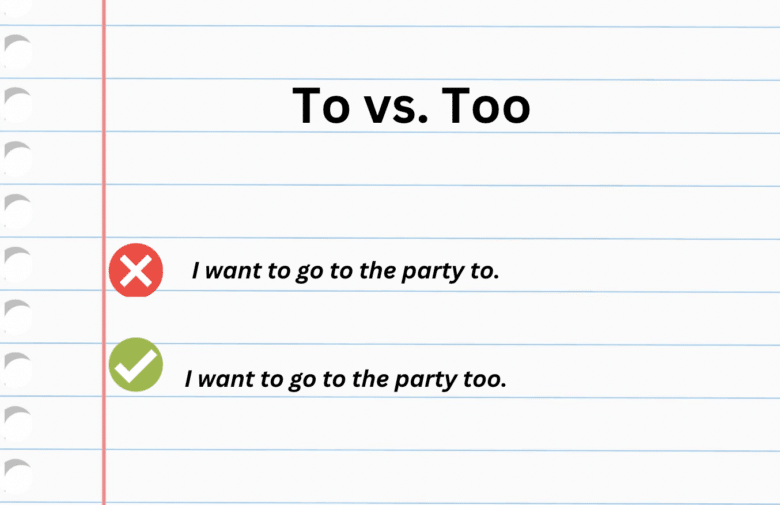
Misusing “to” and “too” ranks near the top in the hierarchy of things that drive grammar sticklers to drink. While they are pronounced the same, they have very different meanings. “Too” is an adverb that means “also,” while “to” is a preposition, as in “Let’s go to the beach.”
Image Credit: MediaFeed/Viktor Morozuk/iStock.
9. ‘Supposedly’ vs. ‘supposably’
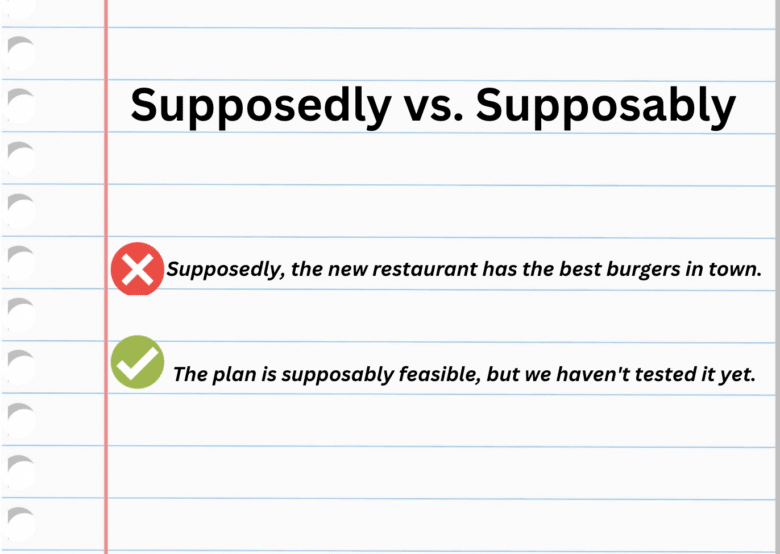
If we received a penny every time someone said “supposably” instead of “supposedly,” we’d be pretty rich. While it’s often assumed that “supposably” is not a word at all but an incorrect pronunciation of “supposedly,” it is, in fact, a word and has its own etymological history. Supposably’ is an adverb based on the word “supposable,” meaning “as may be conceived or imagined.” It is distinct from most uses of supposedly, which means “allegedly.”
Image Credit: MediaFeed/Viktor Morozuk/iStock.
10. Hyphens (-), en dashes (–) and em dashes (—)
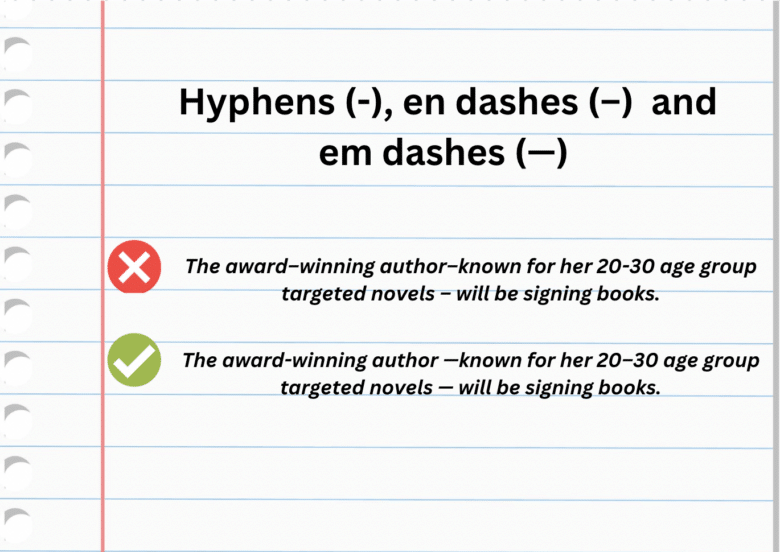
While seemingly similar with their horizontal lines, these two punctuation marks actually serve different purposes in writing, and misusing them drives grammar sticklers mad (just ask my editor). The hyphen (-) is the shorter mark used to connect words or syllables, like in ‘mother-in-law’ or ‘long-term.’ It’s not the same as a dash, which is noticeably longer.
Dashes are primarily used in two forms: the en dash (–) and the em dash (—). The en dash often denotes ranges, such as “Read pages 10–20,” while the em dash is great for adding a pause or extra information in a sentence — like this.
Image Credit: MediaFeed/Viktor Morozuk/iStock.
11. ‘Due diligence’ vs. ‘do diligence.’
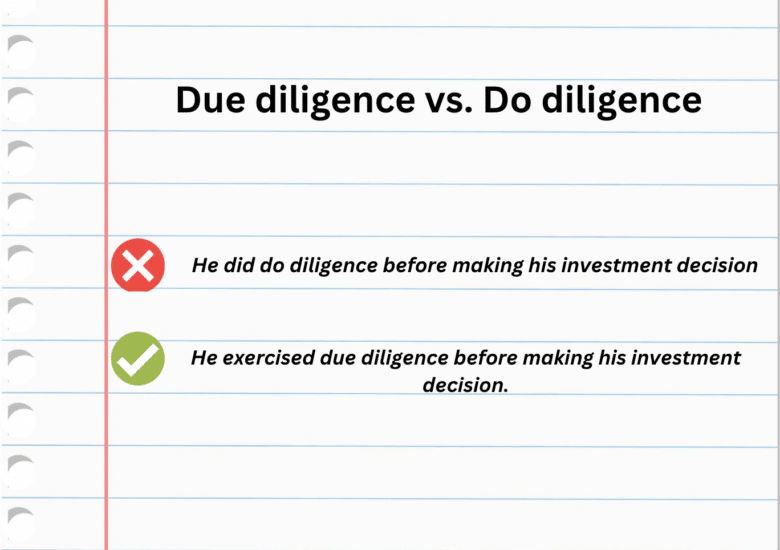
Performing due diligence on a task means being exceptionally thorough. Yet, there’s a common annoying mistake where people write “do diligence” instead of the correct “due diligence.” Saying “He did do diligence in preparing for the case” not only misuses the phrase but also changes its connotation, incorrectly implying a mere action rather than the thoroughness and carefulness encapsulated in “He exercised due diligence in preparing for the case.”
Image Credit: MediaFeed/Viktor Morozuk/iStock.
12. ‘Less’ vs. ‘fewer’
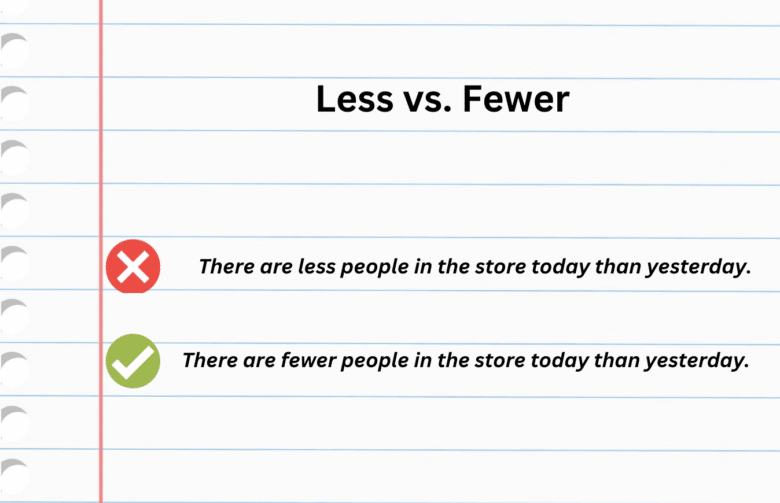
Think of it like this: if you can count it, it’s fewer, and if you can’t, it’s less. “Fewer” means “not as many” and is used with countable nouns like bricks, while “less” means “not as much” and is used with uncountable nouns like water.
This article was produced and syndicated by MediaFeed.
Image Credit: MediaFeed/Viktor Morozuk/iStock.
More from MediaFeed

The haunting (& sometimes hilarious) last words of famous folks
- 10 questions you should never answer if the police pull you over
- 30 awesome things we could do in the ‘70s that today’s kids have missed out on
Like MediaFeed’s content? Be sure to follow us.
Image Credit: hypotekyfidler/iStock.