Spend Game
It’s mid-November, which means we’re about to embark on the beloved holiday season. For most, the holidays mean eating, drinking and being merry. But, for investors, the holiday season means gauging the health of retail spending.
Given the seemingly endless debate over recession, this season’s retail spending is likely to be one of the most talked about indicators. The tricky part is we already have several conflicting data points that make the expectations hard to nail down.
Retail sales data for October came in above expectations at +1.3% month-over-month, consumer spending grew more than expected in September, and the savings rate fell to a post-global financial crisis low of 3.1%. These data points suggest consumers are still on quite a spending spree.
Meanwhile, individual consumer-dependent companies have reported conflicting results. Home Depot and Walmart both beat Q3 earnings estimates, and Walmart raised its profit outlook. Conversely, Target missed estimates because of a reported pullback in demand, and lowered its outlook for Q4. Recent reports suggest that Amazon will be laying off 10k workers, an unusual move ahead of the holiday season, when the company has historically added employees.
Opposing forces, for sure.
Shopping for Optimism
Over the last month, the stock market has been looking for reasons to rally, and it’s found a few. Inflation has cooled, the labor market remains strong, Q3 GDP was positive, valuations at the September & October lows were attractive, and investors in general are just tired of bearish sentiment. But the fact remains, the market doesn’t care about our feelings.
One possible bright spot is the force of seasonality. Markets tend to like the holly jolly spending season, so much so that there’s a name for the rally that tends to happen at the end of the year: ”Santa Claus Rally”. (For what it’s worth, I think “Santa Claus Rally” holds as much predictive power as “Sell in May and Walk Away,” which is minimal and coincidental at best.)
Nevertheless, it can become a self-fulfilling prophecy as investors search for reasons to be merry. What’s more useful in this environment, is to look at the past behavior of industry groups. We’ve seen wide divergence between winners and losers in 2022, and it’s paid to be a discerning investor.
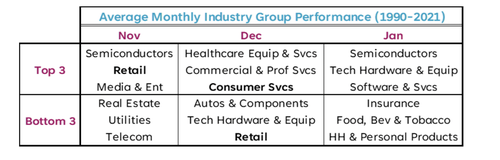
Despite what holiday season spending may suggest, Retail stocks tend to be in the top three for November, but in the bottom three for December, and somewhere middle-of-the-pack in January (noticeably absent from the table). What’s even more interesting is that services categories, not goods, have historically led in December.
So does retail spending really tell us much about the direction of the market? I wouldn’t put all of my candy in that stocking.
Activity Speaks Louder than Seasons
Seasonality has a place in market analysis, and has some predictive power. But the power of the economic cycle is stronger, no matter the time of year. With 375 basis points of Fed rate hikes so far, an inverted yield curve, spikes in inflation, and commodity prices still a part of the narrative, we can all but conclude that we are late in the economic cycle.
What’s more, some of the cyclical indicators of economic activity are flashing warning signs that confirm our “late cycle” location: ISM New Orders fell into contraction territory, small business optimism is near Covid lows, and capacity utilization turned down in October.
Perhaps even more telling is the level of inbound container shipments at the Port of LA, which has fallen notably since summer, and is now below the 2010-2019 average.
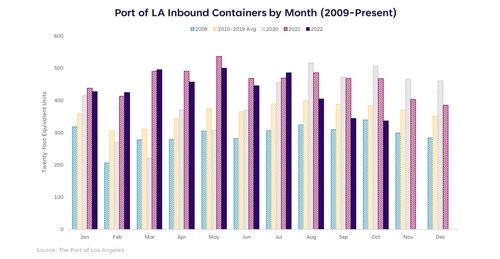
If data is still strong, and consumers are still spending, when will the economic cycle become an impediment to this, if ever? When the labor market breaks, in my opinion. People will keep spending until they’re concerned about their jobs. The layoff cycle is already hitting Tech and the question is whether it will hit other industries and become more broad-based.
At this point, I would expect holiday spending to look healthy through the end of November, considering some of this weak economic data hasn’t affected sentiment much yet. But as demand cools further, and more companies deliver either layoffs or lowered outlooks, consumers are likely to reevaluate their spending. Not to mention, if layoffs spread far and wide, and enough companies lower their guidance, another drop in stocks is likely.
The spending reduction could happen as soon as December, and lowered guidance for 2023 could also roll in around the same time, both of which would put this recent rally in a precarious position. The good news is if another market drop materializes, I think it may be the last one. I know it’s been a long and rough market road so far, and I think we’re getting close to the end, but we’re not there yet.
Learn More:
This article originally appeared on SoFi.com and was syndicated by MediaFeed.org.
Communication of SoFi Wealth LLC an SEC Registered Investment Adviser. Information about SoFi Wealth’s advisory operations, services, and fees is set forth in SoFi Wealth’s current Form ADV Part 2 (Brochure), a copy of which is available upon request and at adviserinfo. Liz Young is a Registered Representative of SoFi Securities and Investment Advisor Representative of SoFi Wealth. Her ADV 2B is available at sofi.
More from MediaFeed:
States that are suffering the highest foreclosure rates

After last month’s short–but sweet–downtick in foreclosure rates, October has reestablished the year-long trend of increased filings. The number of U.S. housing units that went into foreclosure in October 2022 was 32,376, according to the experts at ATTOM Data Solutions. This is a considerable 57% surge from a year ago. However, it is only up roughly 2% from September.
Despite rising inflation and recession fears continuing to make headlines, foreclosure rates are still far below pre-pandemic levels, and likely won’t return to these “normal” levels until mid-2023. So why in such a volatile economy are there fewer foreclosures than in 2019? Mortgage interest rates have been stubbornly hovering around 7% this past month, a sharp contrast to the 3% rate it was at the same time last year.
Americans, young and old, seem to be rejecting the idea of homeownership altogether, instead opting to rent or move in with family. Fewer housing units results in fewer foreclosures. With the national average price of a residence continuing to climb–it’s up about 34% from last year–the decision to forego purchasing a home is hardly a surprise.
Ironically, winter is considered the best season of the year to purchase a home. Due to fewer listings and turbulent weather, the competition is significantly less in the winter months than in the spring. Owners and real estate agents are usually anxious to sell, giving buyers a definite advantage.
Read on for the foreclosure rates in October 2022 – plus the five counties and/or county equivalents with the highest rates within those states.
Related: The safest cities in the US
Inside Creative House/istockphoto
As previously noted, foreclosure rates increased minutely compared to last month, but are up significantly compared to last year. Read on for October foreclosure rates for all 50 states — plus the District of Columbia — beginning with the state that had the lowest rate of foreclosure filings per housing unit.
DepositPhotos.com
Ranking in population between Vermont and Alaska, the country’s second-and-third-least populous states, Washington, D.C. had 68 foreclosures in October, a substantial hike compared to September’s 24 foreclosures. With a total of 350,364 housing units, the foreclosure rate of the Nation’s Capital was one in every 5,152 households, putting it in between the states of Maine (#19) and Texas (#20).
DepositPhotos.com
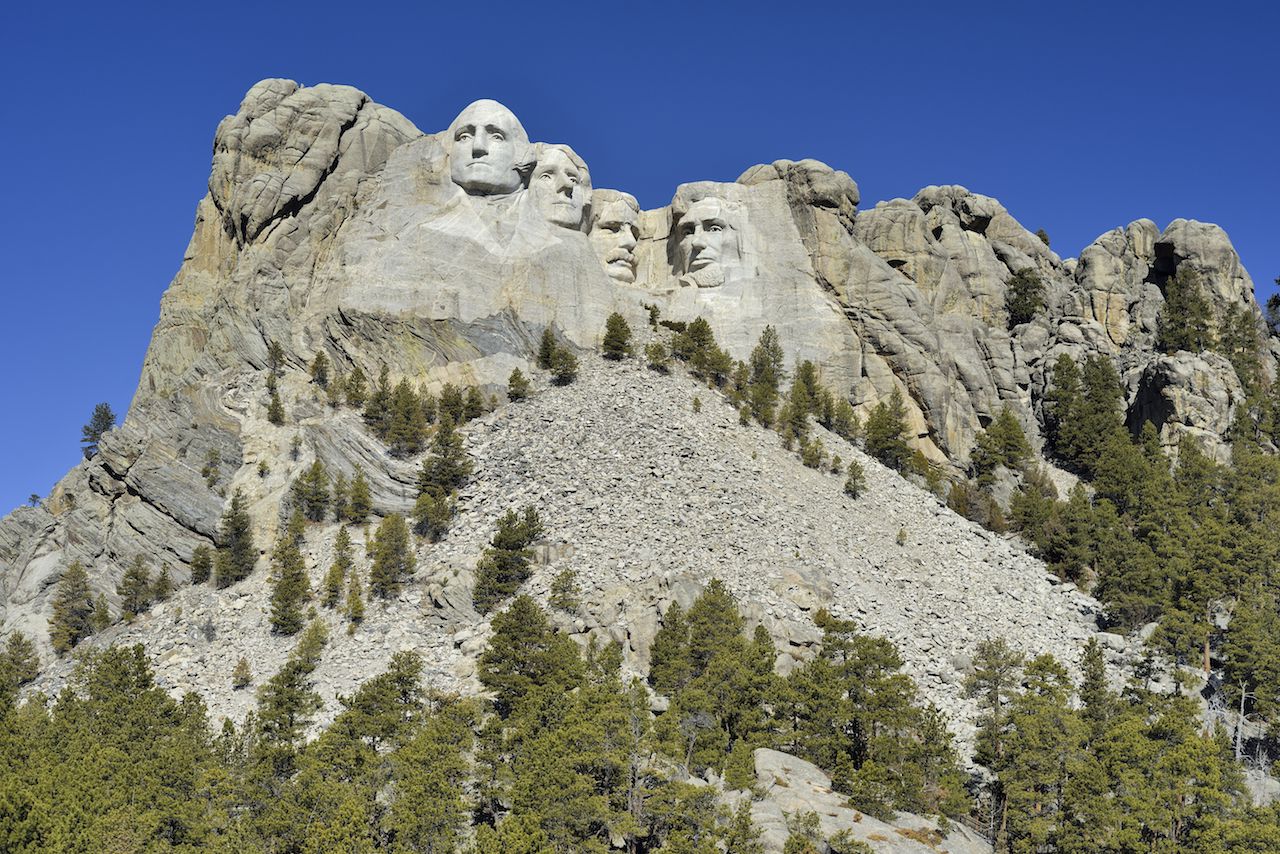
The Mount Rushmore State unsurprisingly nabbed the 50th spot for its October foreclosure rate for the second month in a row. Having 389,921 total housing units, the fifth-least populous state had a foreclosure rate of one in every 48,740 households with eight foreclosures. Only four counties saw foreclosures. The counties with the most foreclosures per housing unit were (from highest to lowest): Lake, Meade, Lincoln and Minnehaha.
RiverNorthPhotography
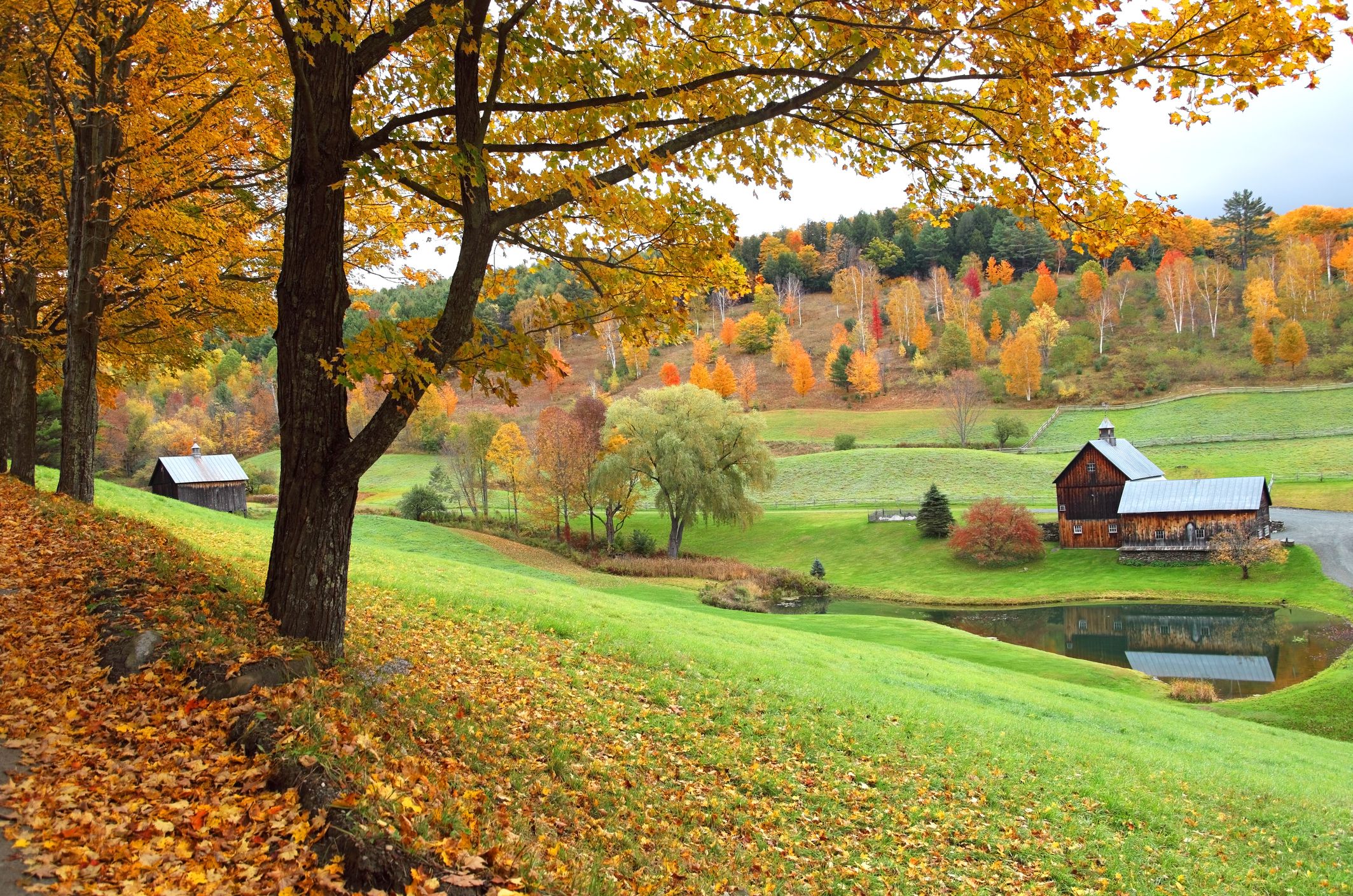
In 49th place for population, the Green Mountain State maintained its 49th rank for foreclosure rate as well. Of the state’s 334,318 housing units, seven homes went into foreclosure at a rate of one in every 47,760 households. Only four counties observed foreclosures. The counties with the most foreclosures per housing unit were (from highest to lowest): Caledonia, Windsor, Orleans, and Washington.
DenisTangneyJr

Listed as 44th in population, the Treasure State also took the 48th spot. With 27 foreclosures out of 514,803 housing units, its foreclosure rate was one in every 19,067 homes. The counties with the most foreclosures per housing unit were (from highest to lowest): Golden Valley, Sheridan, Dawson, and Jefferson.
YinYang

The Sunflower State retained its 47th spot from last month, a positive sign after August’s 25th rank. With 1,275,689 homes and a total of 82 housing units going into foreclosure, the 35th most populous state’s foreclosure rate was one in every 15,557 households. The counties with the most foreclosures per housing unit were (from highest to lowest): Haskell, Hodgeman, Edwards, Cherokee, and Clay.
Tiago_Fernandez / istockphoto

Ranked 39th in population, the Mountain State earned the 46th spot this month. It has 855,635 housing units, of which 68 went into foreclosure. This means that the foreclosure rate was one in every 12,583 homes. The counties with the most foreclosures per housing unit were (from highest to lowest): Hancock, Tyler, Wayne, Marshall, and Cabell.
hkim39 // istockphoto
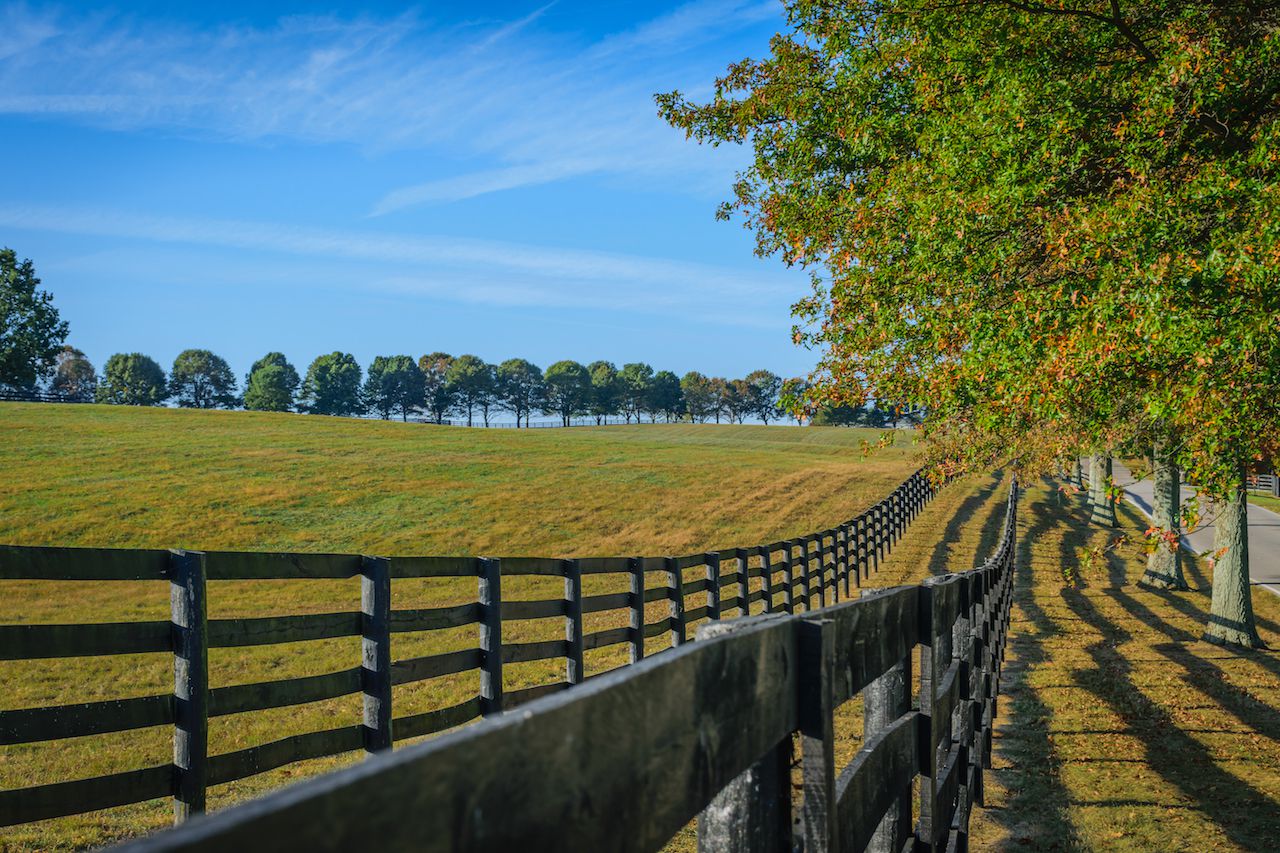
With a total of 1,994,323 housing units, the Bluegrass State saw 171 homes go into foreclosure, sustaining its 45th ranking from September. This puts the foreclosure rate for the 26th most populous state at one in every 11,663 households. The counties with the most foreclosures per housing unit were (from highest to lowest): Boyd, Hardin, Franklin, Barren, and Henderson.
Thomas Kelley

The country’s least populous state claimed the 44th spot for highest foreclosure rate in October, a vast improvement over September’s 27th ranking. With 271,887 housing units, of which 24 went into foreclosure, the Equality State’s foreclosure rate was one in every 11,329 households. The counties with the most foreclosures per housing unit were (from highest to lowest): Converse, Sweetwater, Big Horn, Goshen, and Natrona.
AnujSahaiPhotography
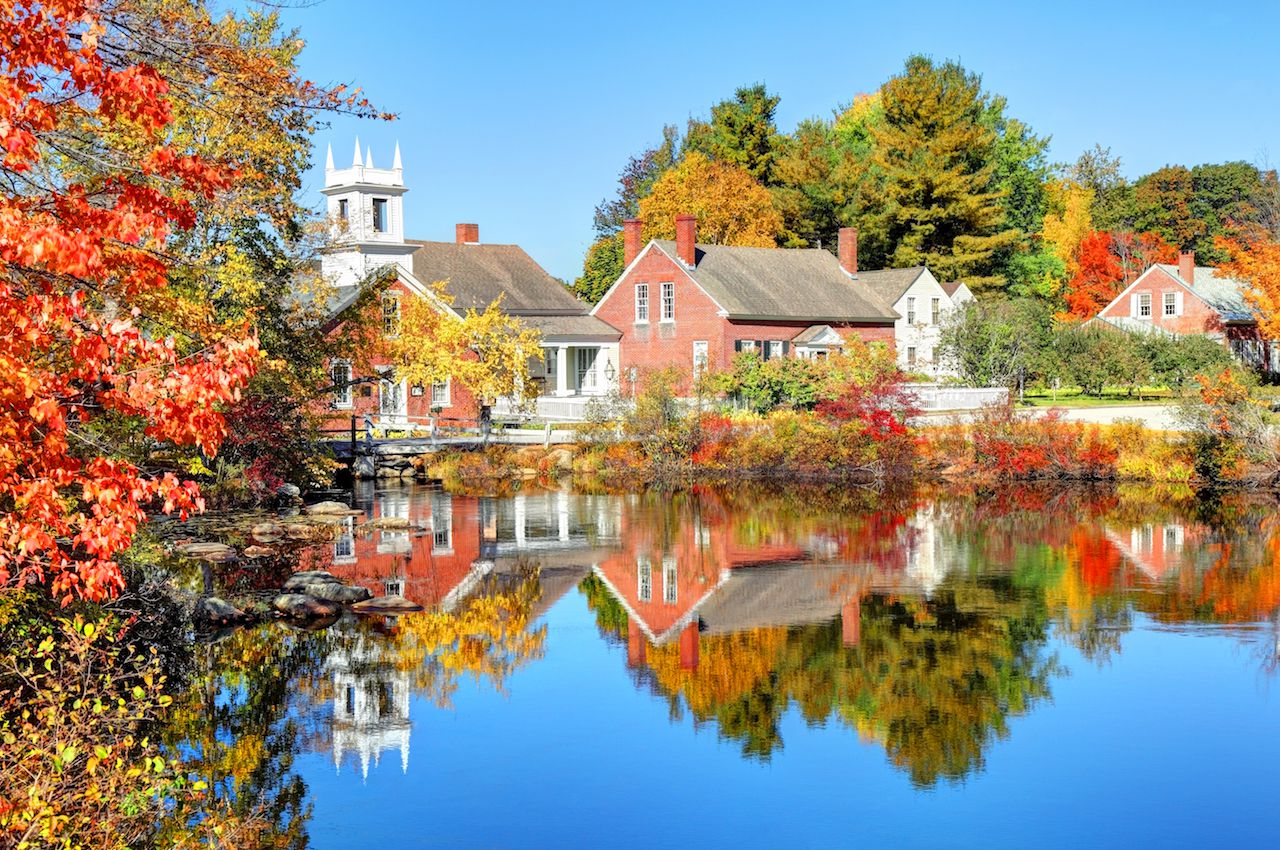
New Hampshire, the 41st most populous state, ranked 43rd for highest foreclosure rate. The granite state saw 61 of its 638,795 homes go into foreclosure, making for a foreclosure rate of one in every 10,472 households. The counties with the most foreclosures per housing unit were (from highest to lowest): Carroll, Cheshire, Hillsborough, Merrimack, and Strafford.
DenisTangneyJr
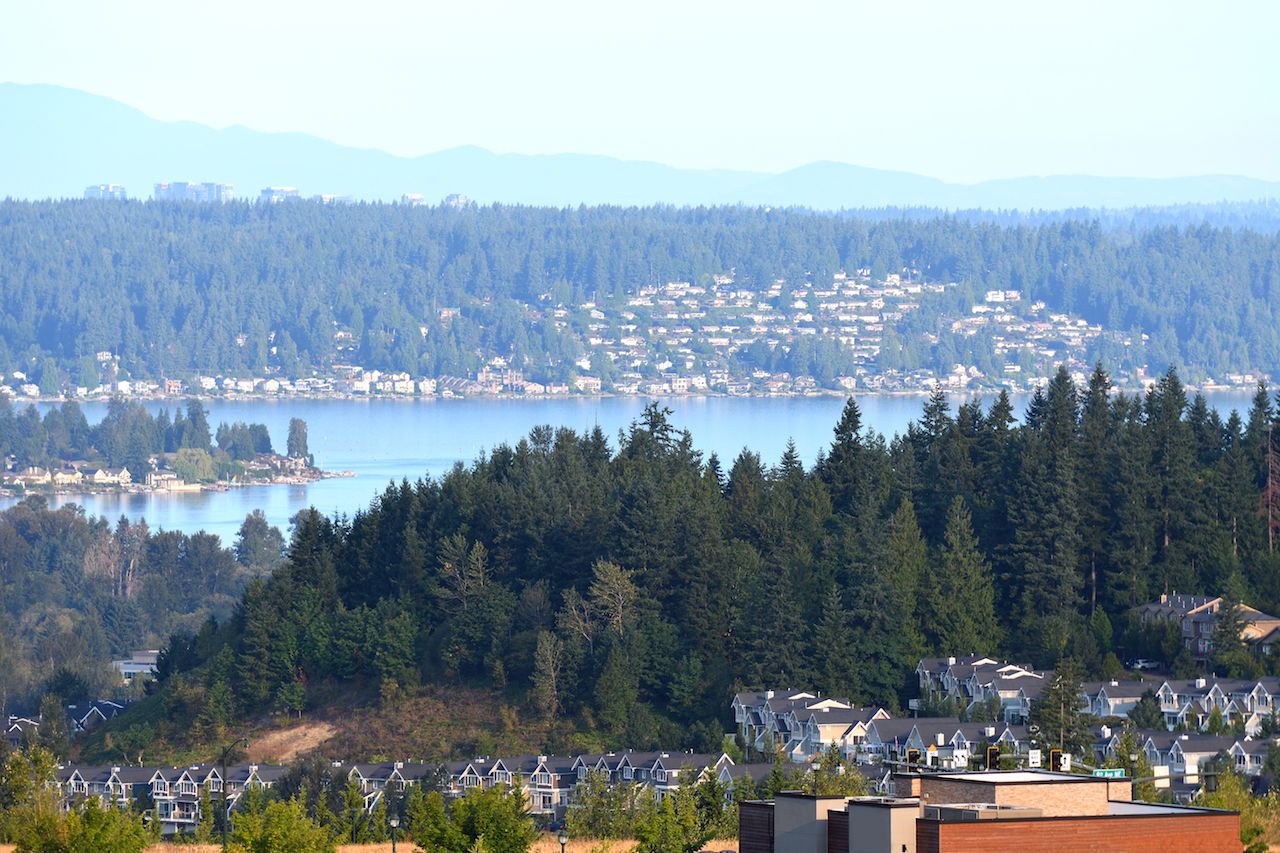
Sorted as 13th in population, the Evergreen State kept its rank of 42nd for highest foreclosure rate. It has 3,202,241 housing units, of which 319 went into foreclosure, making the state’s foreclosure rate one in every 10,038 households. The counties with the most foreclosures per housing unit were (from highest to lowest): Lewis, Douglas, Skagit, Cowlitz, and Lincoln.
4nadia
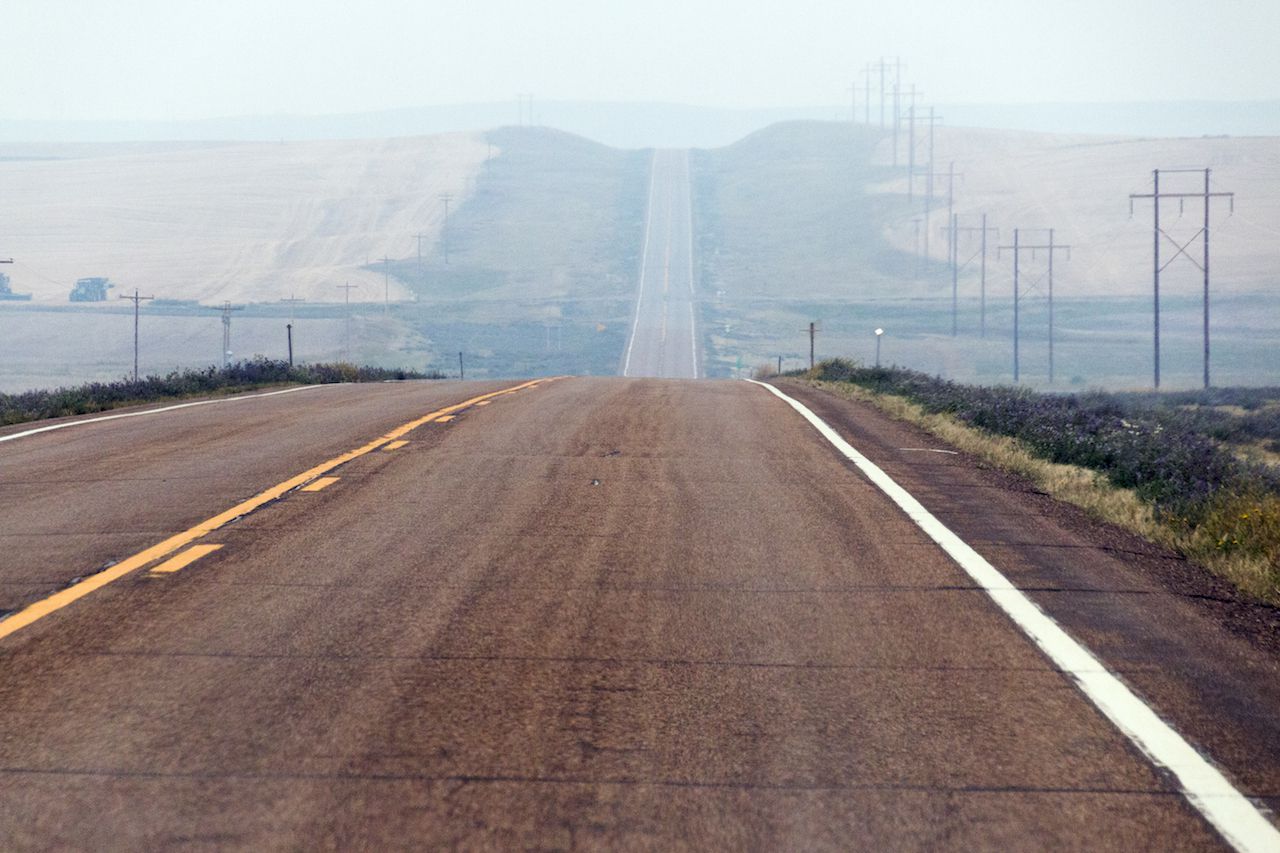
The Peace Garden State’s foreclosure rate was one in every 9,754 homes. This puts the fourth-least populous state – with 370,642 housing units and 38 foreclosures — in 41st place, a slight increase from last month’s 48th spot. Only four counties saw foreclosures. The counties with the most foreclosures per housing unit were (from highest to lowest): Morton, Ward, Burleigh, and Cass.
Recommended: Tips on Buying a Foreclosed Home
sequential5
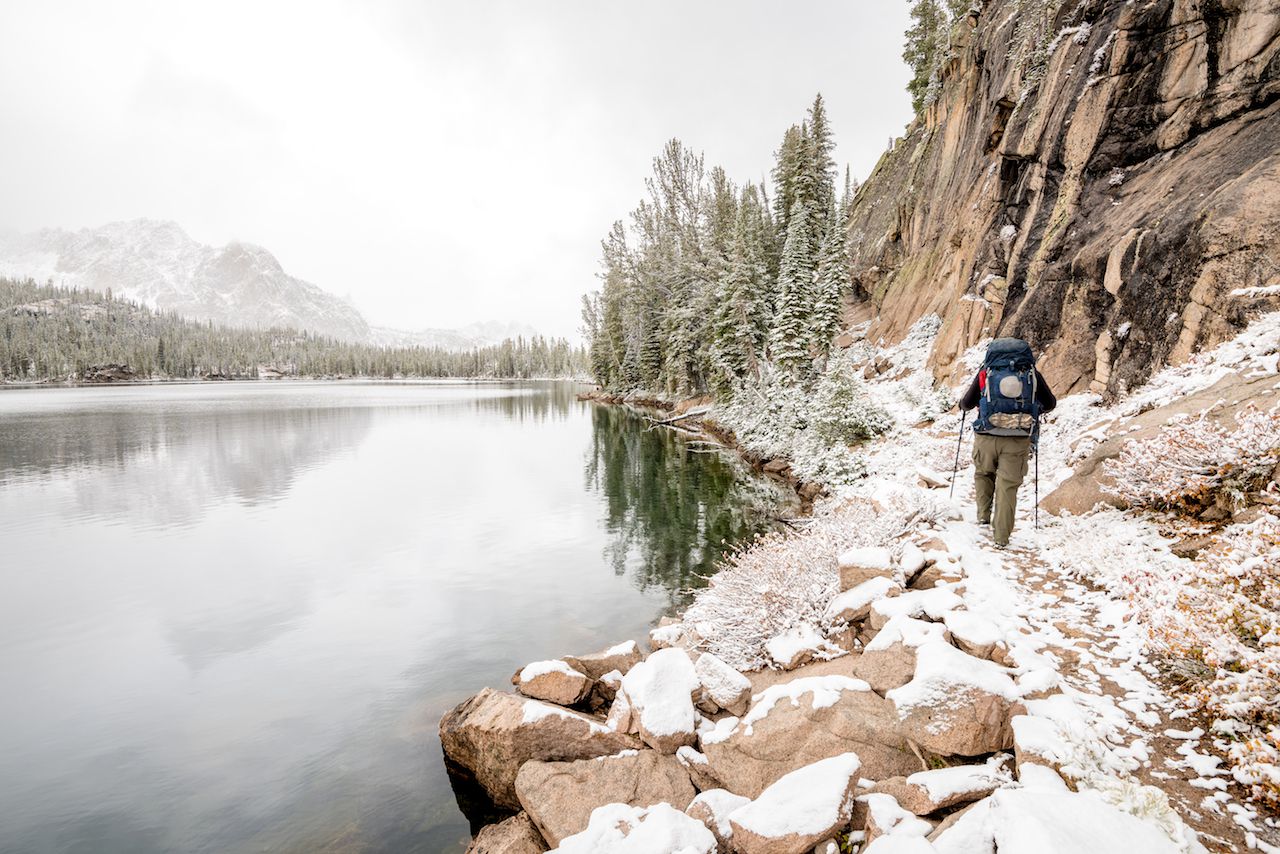
Ranked 38th in population, the Gem State earned the 40th spot as 83 of its homes went into foreclosure in October. With 751,859 total housing units, the state’s foreclosure rate was one in every 9,059 households. The counties with the most foreclosures per housing unit were (from highest to lowest): Lewis, Washington, Bonneville, Cassia, and Owyhee.
knowlesgallery
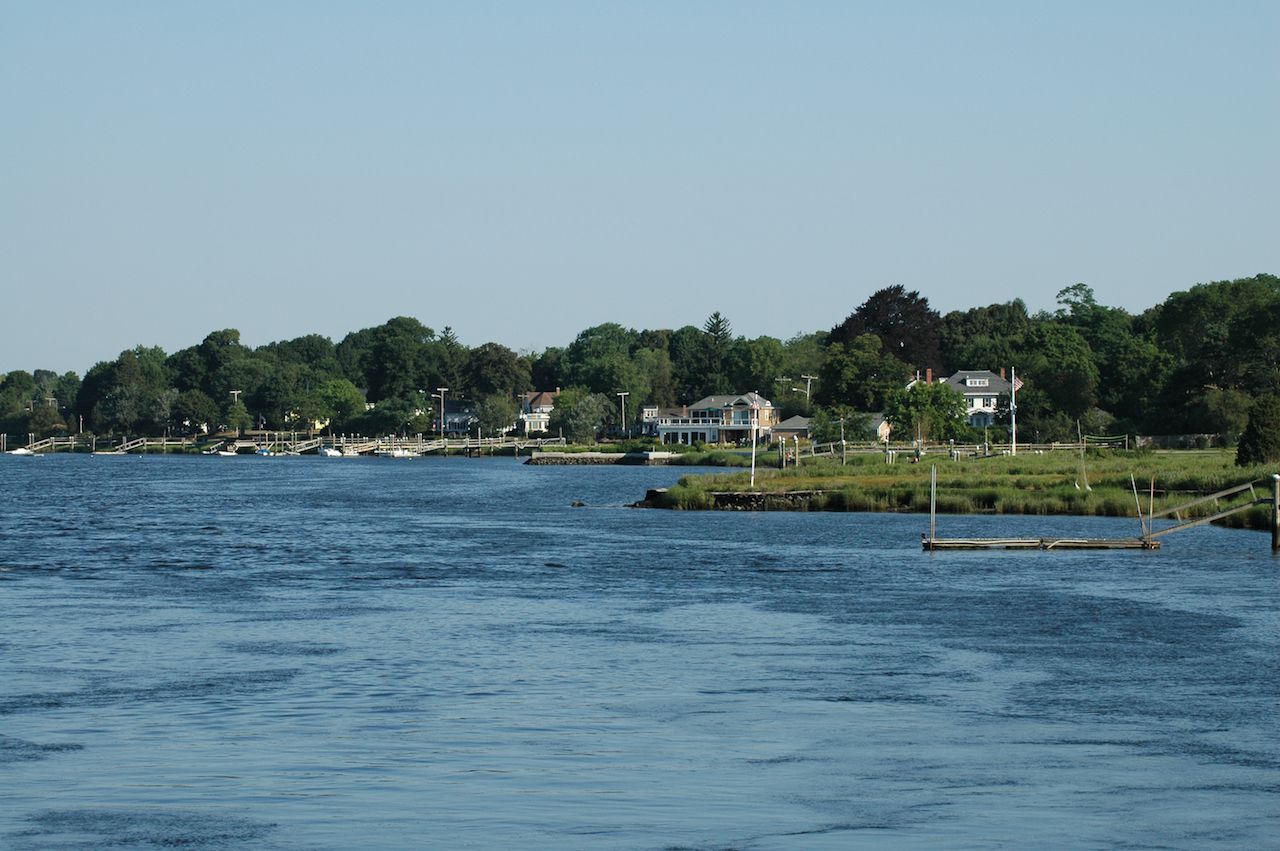
The eighth-least populous state took the 39th spot for highest foreclosure rate. A total of 54 homes went into foreclosure out of 483,474 total housing units, making the foreclosure rate for the Ocean State one in every 8,953 households. Only four of the five counties in the state had foreclosures. The counties with the most foreclosures per housing unit were (from highest to lowest): Providence, Bristol, Kent, and Washington.
danlogan
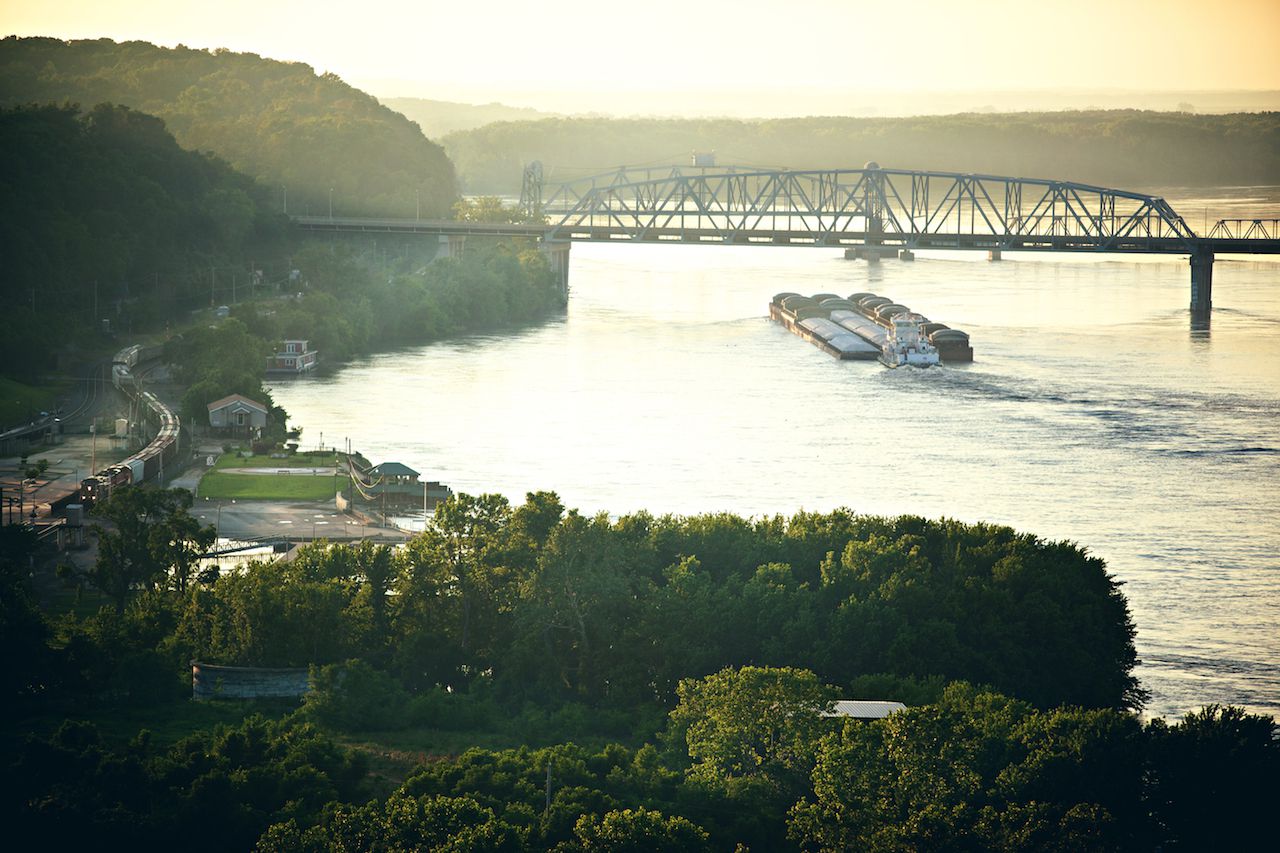
Listed as 19th in population, the Show-Me State came in 38th for highest rate of foreclosures. Of its 2,786,621 homes, 333 went into foreclosure, making for a foreclosure rate of one in every 8,368 homes. The counties with the most foreclosures per housing unit were (from highest to lowest): Buchanan, Mercer, Atchison, Crawford, and Webster.
eyecrave

The 27th most populous state ranked 37th for highest foreclosure rate. Of the Pacific Wonderland’s 1,813,747 homes, 217 went into foreclosure, making for a foreclosure rate of one in every 8,358 homes. The counties with the most foreclosures per housing unit were (from highest to lowest): Crook, Grant, Lake, Baker, and Klamath.
HaizhanZheng
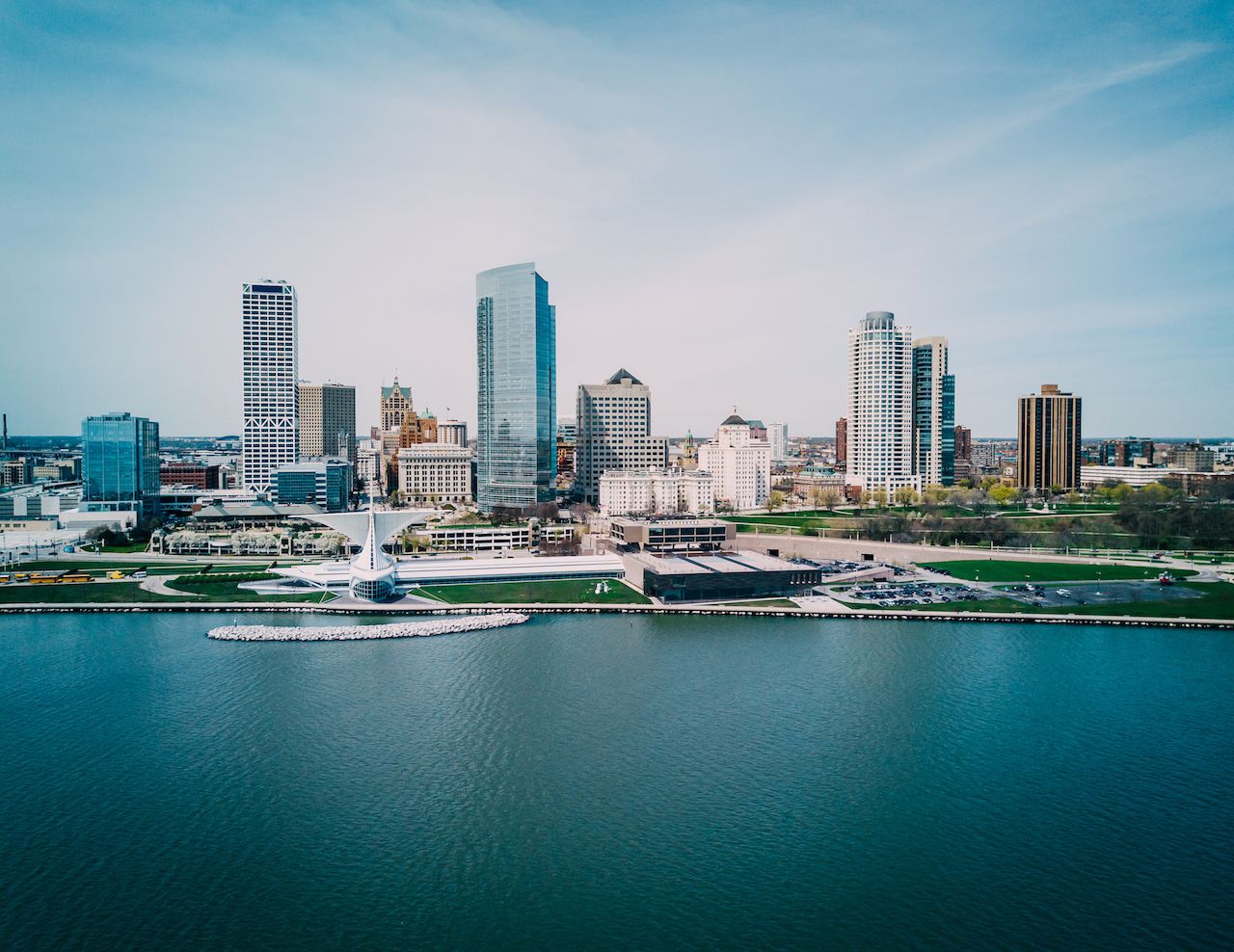
With 327 foreclosures out of 2,727,726 total housing units, America’s Dairyland and the 20th most populous state had a foreclosure rate of one in every 8,342 households. The counties with the most foreclosures per housing unit were (from highest to lowest): Marquette, Marinette, Douglas, Dodge, and Sauk.
FierceAbin

Sorted as 37th in population, the Cornhusker State ranked 35th with a foreclosure rate of one in every 8,277 homes. With a total 844,278 housing units, the state had 102 foreclosure filings. The counties with the most foreclosures per housing unit were (from highest to lowest): Webster, Kearney, Dawes, Morrill, and Polk.
marekuliasz

The Last Frontier saw 44 foreclosures, making the foreclosure rate one in every 7,216 homes. This caused the third-least populous state, with a total of 317,524 housing units, to clinch the 34th spot, a significant drop from last month’s 19th position. Only three boroughs and one census area saw foreclosures. The boroughs and census area with the most foreclosures per housing unit were (from highest to lowest): Anchorage, Matanuska-Susitna, Fairbanks North Star, and Kenai Peninsula.
Chilkoot

Ranked 22nd for most populous state, the Land of 10,000 Lakes took the 33rd spot for highest foreclosure rate. It has 2,485,558 housing units, of which 349 went into foreclosure, making the state’s foreclosure rate one in every 7,122 households. The counties with the most foreclosures per housing unit were (from highest to lowest): Faribault, Waseca, Rice, Sherburne, and Anoka.
JoeChristensen
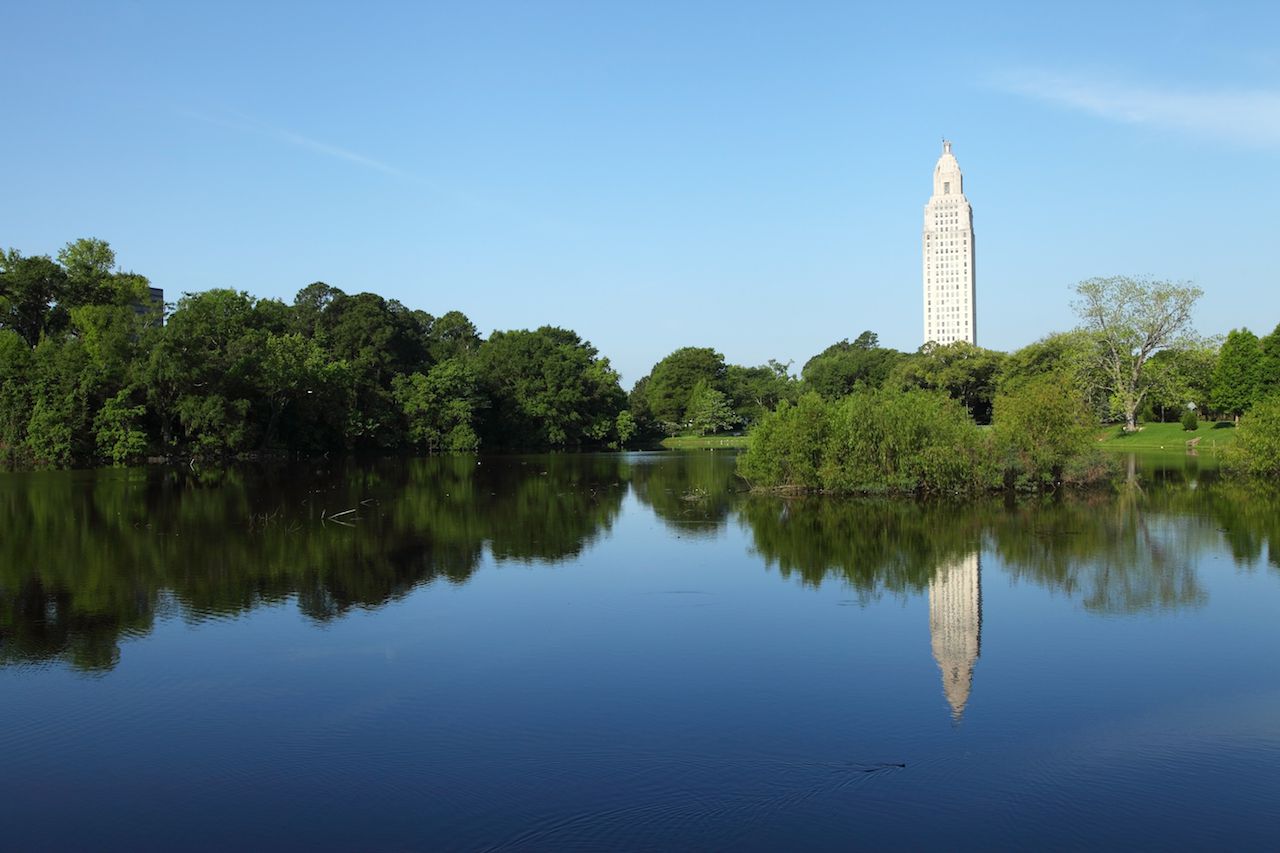
Sorted as 25th in population, the Pelican State took the 32nd spot, a drastic drop from last month’s 22nd ranking. This means that the state had a foreclosure rate of one in every 6,911 households, with 300 homes out of a total of 2,073,200 housing units going into foreclosure. The parishes with the most foreclosures per housing unit were (from highest to lowest): Tangipahoa, St. Martin, Livingston, Iberville, and Bienville.
DenisTangneyJr

The Sooners State claimed the 31st spot, a pleasant downtick from September’s 40th ranking. With housing units totaling 1,746,807, the 28th most populous state saw 260 homes go into foreclosure at a rate of one in every 6,718 homes. The counties with the most foreclosures per housing unit were (from highest to lowest): Coal, Woodward, Ellis, Kingfisher, and Nowata.
Recommended: What Is a Short Sale?
DepositPhotos.com
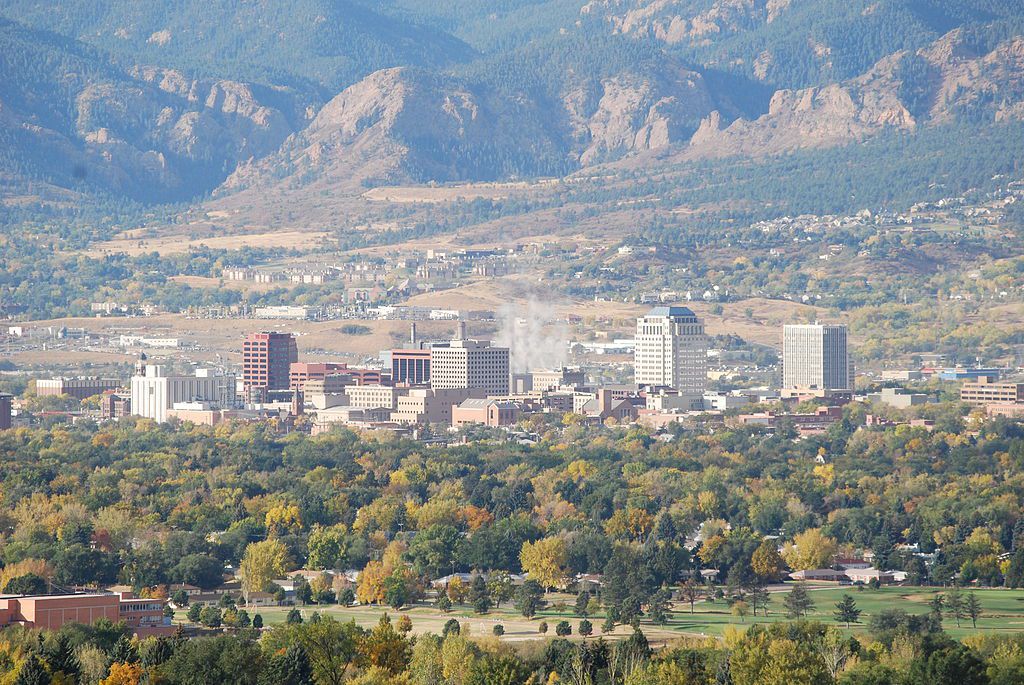
The 21st most populous state ranked 30th for highest foreclosure rate. Of the Centennial State’s 2,491,404 housing units, 371 went into foreclosure, making for a foreclosure rate of one in every 6,715 homes. The counties with the most foreclosures per housing unit were (from highest to lowest): Kit Carson, Garfield, Park, Pueblo, and Gilpin.
Postoak at English Wikipedia

Ranked 16th in population, the Volunteer State endured 452 foreclosures out of its 3,031,605 housing units. This puts the foreclosure rate at one in every 6,707 homes and in the 29th spot. The counties with the most foreclosures per housing unit were (from highest to lowest): Meigs, Lauderdale, Dickson, Hardeman, and Hamblen.
Swarmcatcher
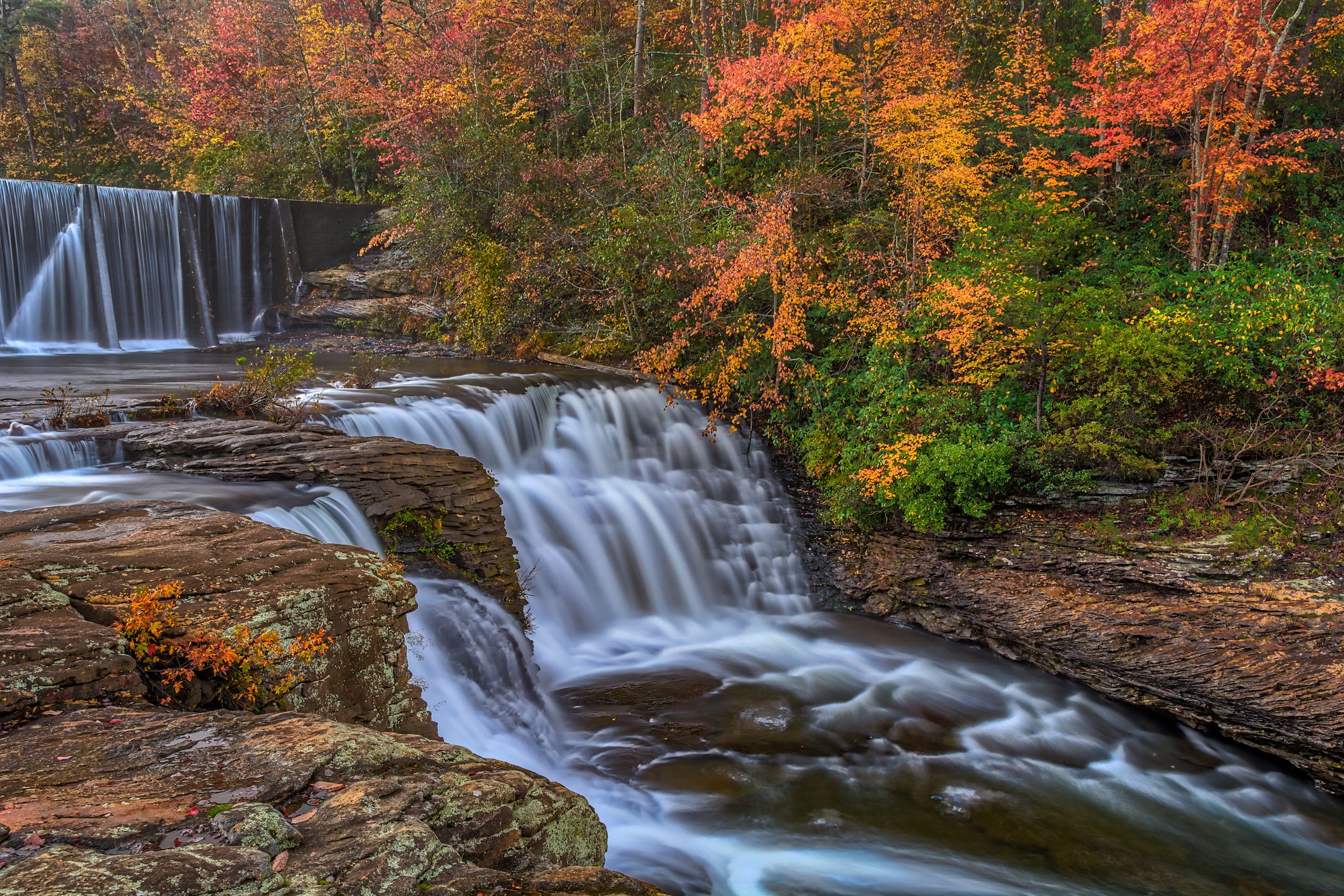
Listed as 24th in population, the Yellowhammer State came in 28th for highest foreclosure rate. Of its 2,288,330 homes, 348 went into foreclosure, making for a foreclosure rate of one in every 6,576 homes. The counties with the most foreclosures per housing unit were (from highest to lowest): Geneva, Crenshaw, Jefferson, Fayette, and Mobile.
James Deitsch
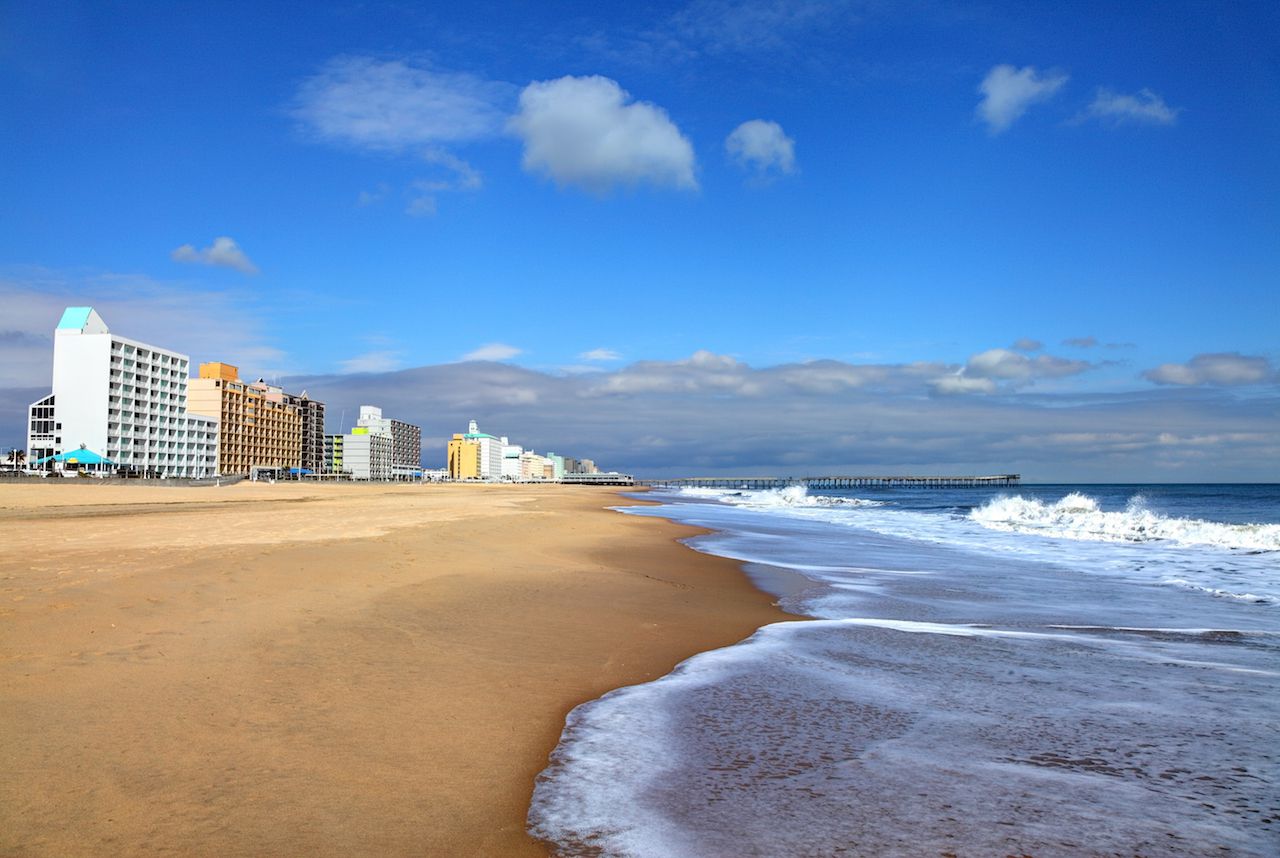
The 12th most populous state ranked 27th for highest foreclosure rate, with 578 homes going into foreclosure. Having 3,618,247 total housing units, the Old Dominion saw a foreclosure rate of one in every 6,260 households. The counties and independent cities with the most foreclosures per housing unit were (from highest to lowest): Martinsville City, Danville City, King and Queen, Caroline, and Lancaster.
DenisTangneyJr
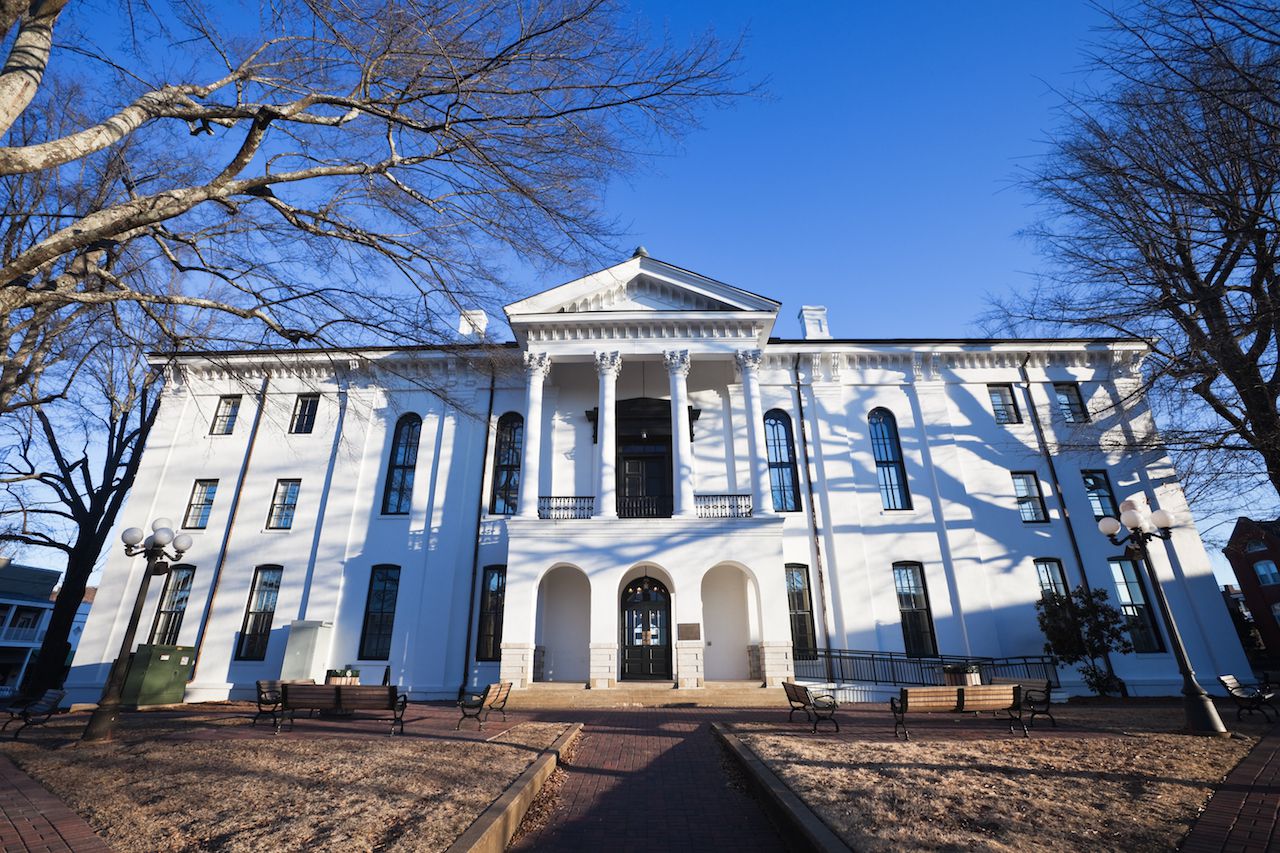
Ranked 34th in population, the Magnolia State experienced 214 foreclosures out of 1,319,945 housing units. This puts the foreclosure rate at one in every 6,168 homes. The counties with the most foreclosures per housing unit were (from highest to lowest): Pearl River, Claiborne, Walthall, Warren, and Stone.
stevegeer

Sorted as 14th in population, the Grand Canyon State withstood 503 foreclosures out of its 3,082,000 housing units. This puts the foreclosure rate at one in every 6,127 homes. The counties with the most foreclosures per housing unit were (from highest to lowest): Graham, Cochise, Pinal, Yuma, and Mohave.
reisegraf

The 36th most populous state claimed the 24th spot for highest foreclosure rate. Of the Land of Enchantment’s 940,859 homes, 155 went into foreclosure, making for a foreclosure rate of one in every 6,070 homes. The counties with the most foreclosures per housing unit were (from highest to lowest): Sandoval, Chaves, Eddy, Valencia, and Otero.
Davel5957

The Paradise of the Pacific, and the 40th most populous state, came in 23rd for highest foreclosure rate. Of its 561,066 homes, 95 went into foreclosure, making for a foreclosure rate of one in every 5,906 households. Only four of the five counties in the state had foreclosures. They were (from highest to lowest): Honolulu, Hawaii, Kauai, and Maui.
SEASTOCK/iStock
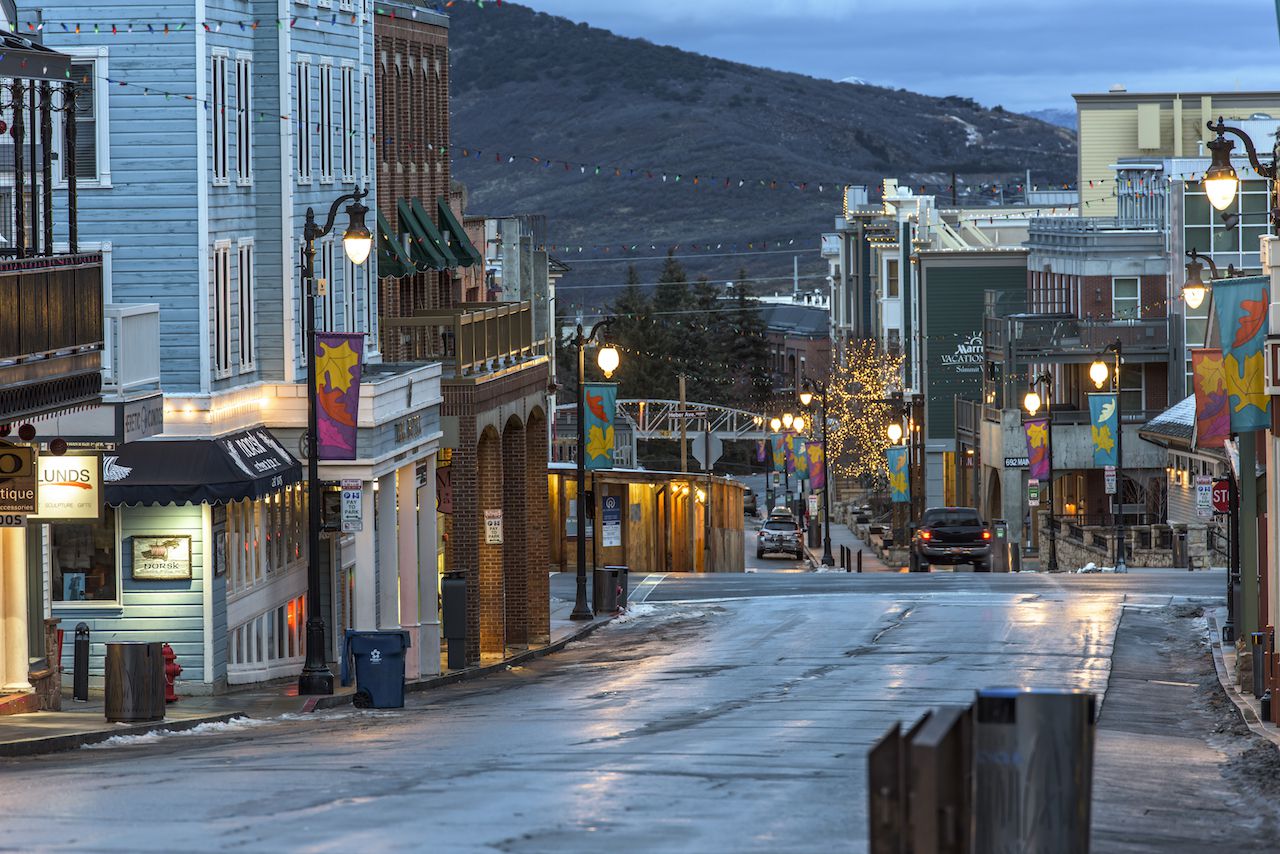
The Beehive State placed 22nd for highest foreclosure rate. Of its 1,151,414 housing units, 199 homes went into foreclosure, making the 30th most populous state’s foreclosure rate one in every 5,786 households. The counties with the most foreclosures per housing unit were (from highest to lowest): Juab, Sevier, Box Elder, Uintah, and Tooele.
” 4kodiak”
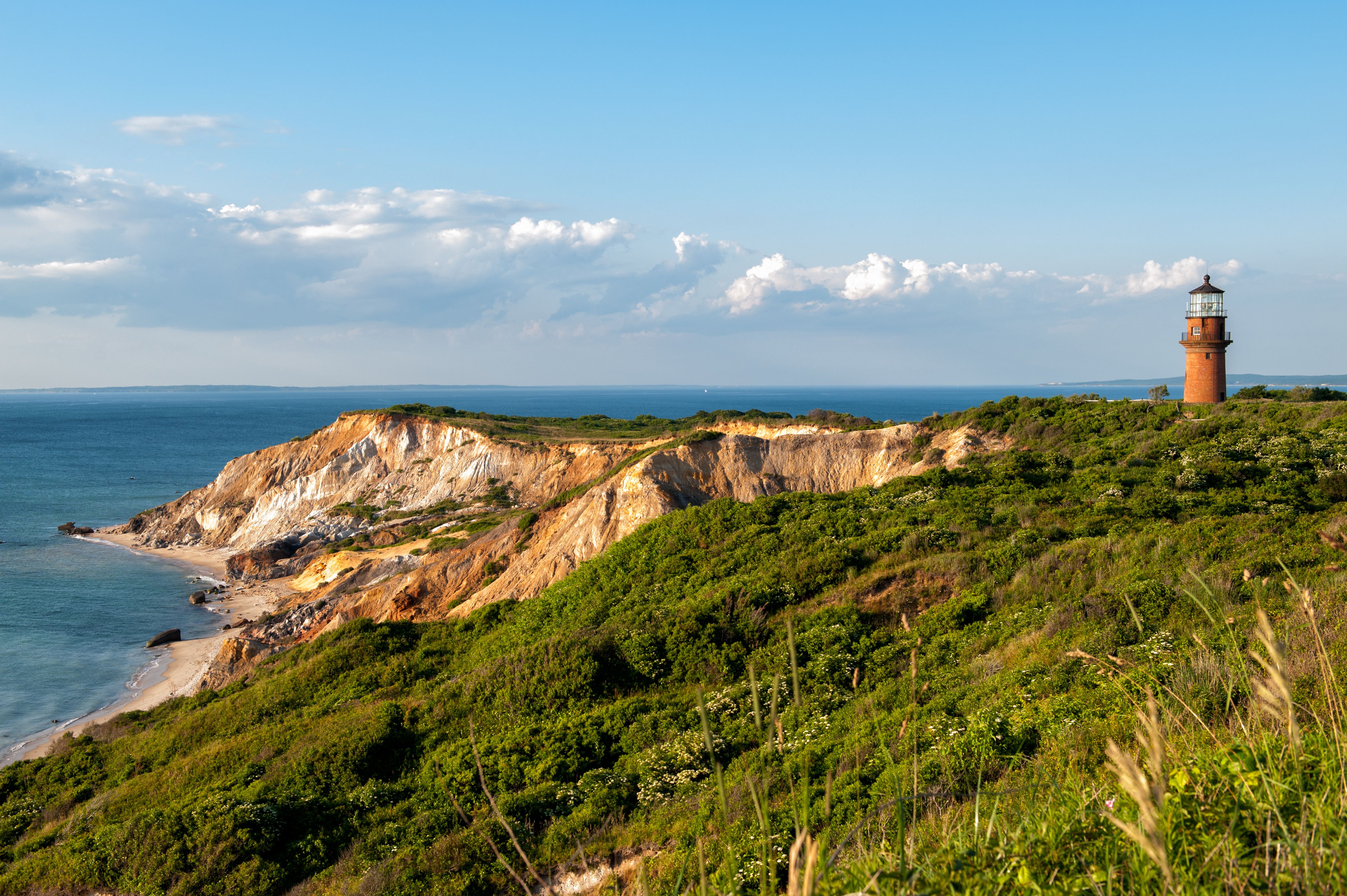
The 15th most populous state ranked 21st for highest foreclosure rate. Of 2,998,537 housing units, 520 went into foreclosure, making for a foreclosure rate of one in every 5,766 homes. The counties with the most foreclosures per housing unit were (from highest to lowest): Plymouth, Hampden, Franklin, Bristol, and Hampshire.
Recommended: 4 Signs You May Be Ready to Buy
Rolf_52
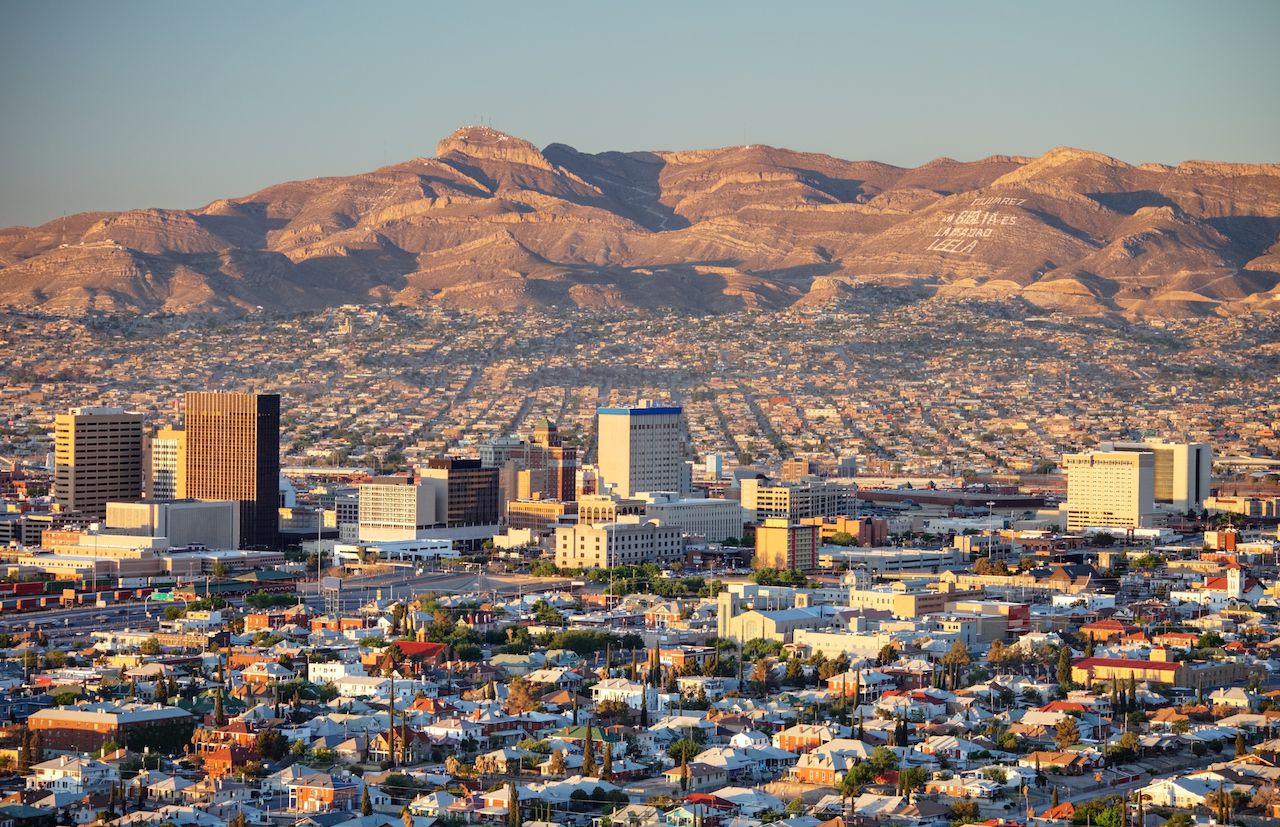
The Lone Star State saw 2,084 foreclosures this month. With a foreclosure rate of one in every 5,561 households, this puts the second-most populous state in the U.S., with 11,589,324 housing units, into the 20th spot. The counties with the most foreclosures per housing unit were (from highest to lowest): Liberty, Dallam, Red River, Kaufman, and Martin.
DenisTangneyJr
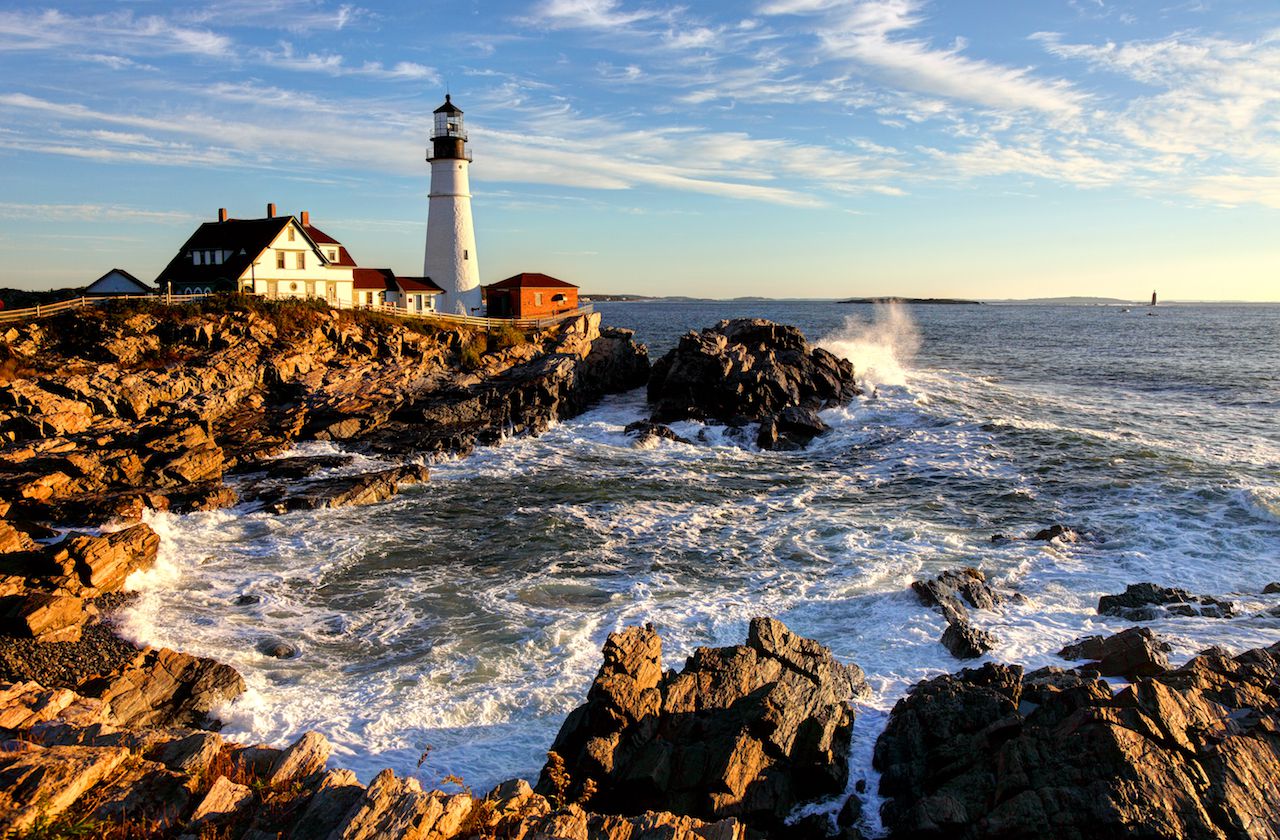
Ranked 42nd in population, the Pine Tree State placed 19th for highest foreclosure rate. With a total of 739,072 housing units, it saw 145 foreclosures for a foreclosure rate of one in every 5,097 homes. The counties with the most foreclosures per housing unit were (from highest to lowest): Penobscot, Aroostook, Kennebec, Washington, and Somerset.
DepositPhotos.com
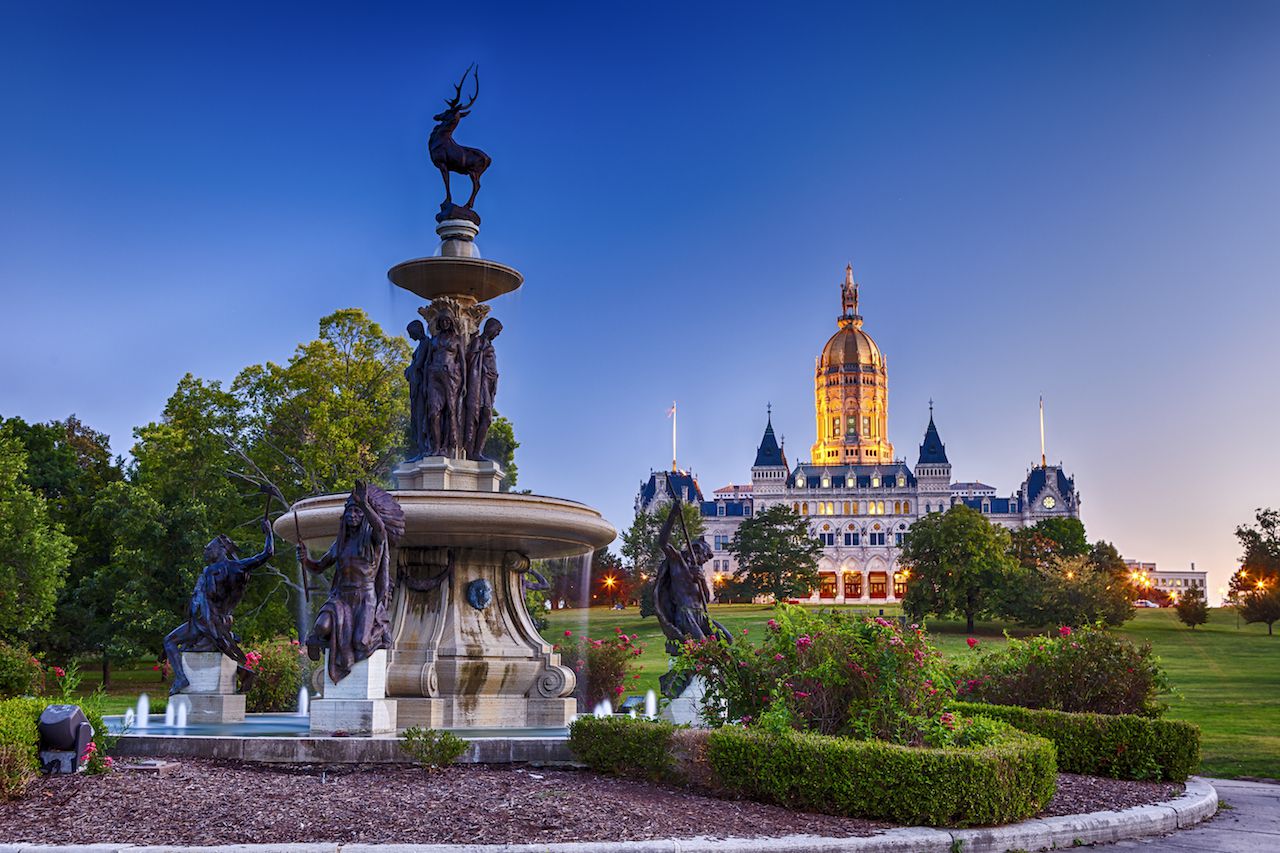
With 306 of its 1,530,197 homes going into foreclosure, the Land of Steady Habits had the 18th highest foreclosure rate at one in every 5,001 households. In the 29th most populous state, the counties that had the most foreclosures per housing unit were (from highest to lowest): New Haven, Litchfield, Fairfield, Windham, and Tolland.
traveler1116
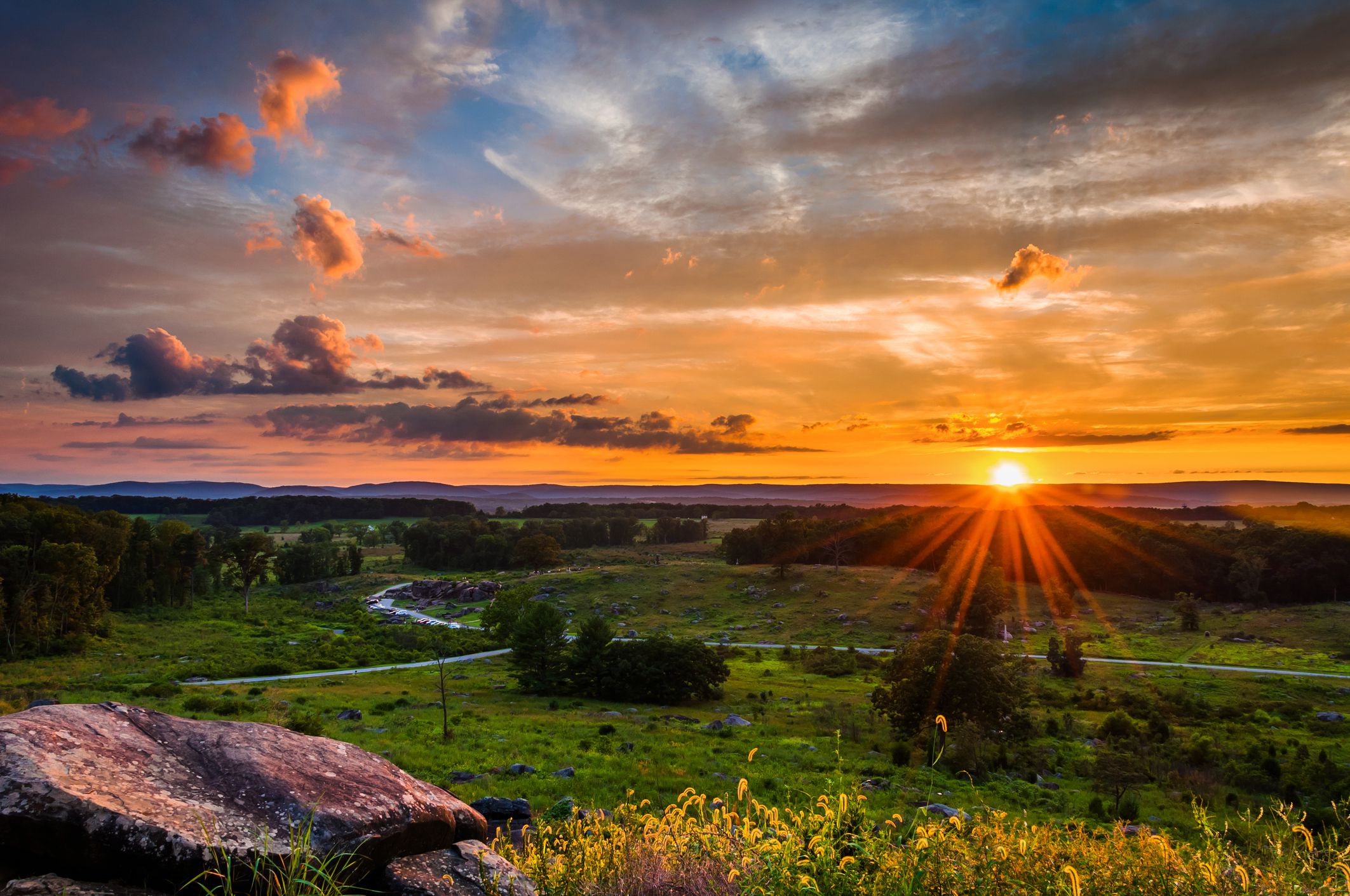
The Keystone State has the 17th highest foreclosure rate. The fifth-most populous state saw a total of 1,161 housing units out of 5,742,828 homes go into foreclosure, making the state’s foreclosure rate one in every 4,946 households. The counties with the most foreclosures per housing unit were (from highest to lowest): Philadelphia, Delaware, Berks, Bucks, and Wyoming.
AppalachianViews
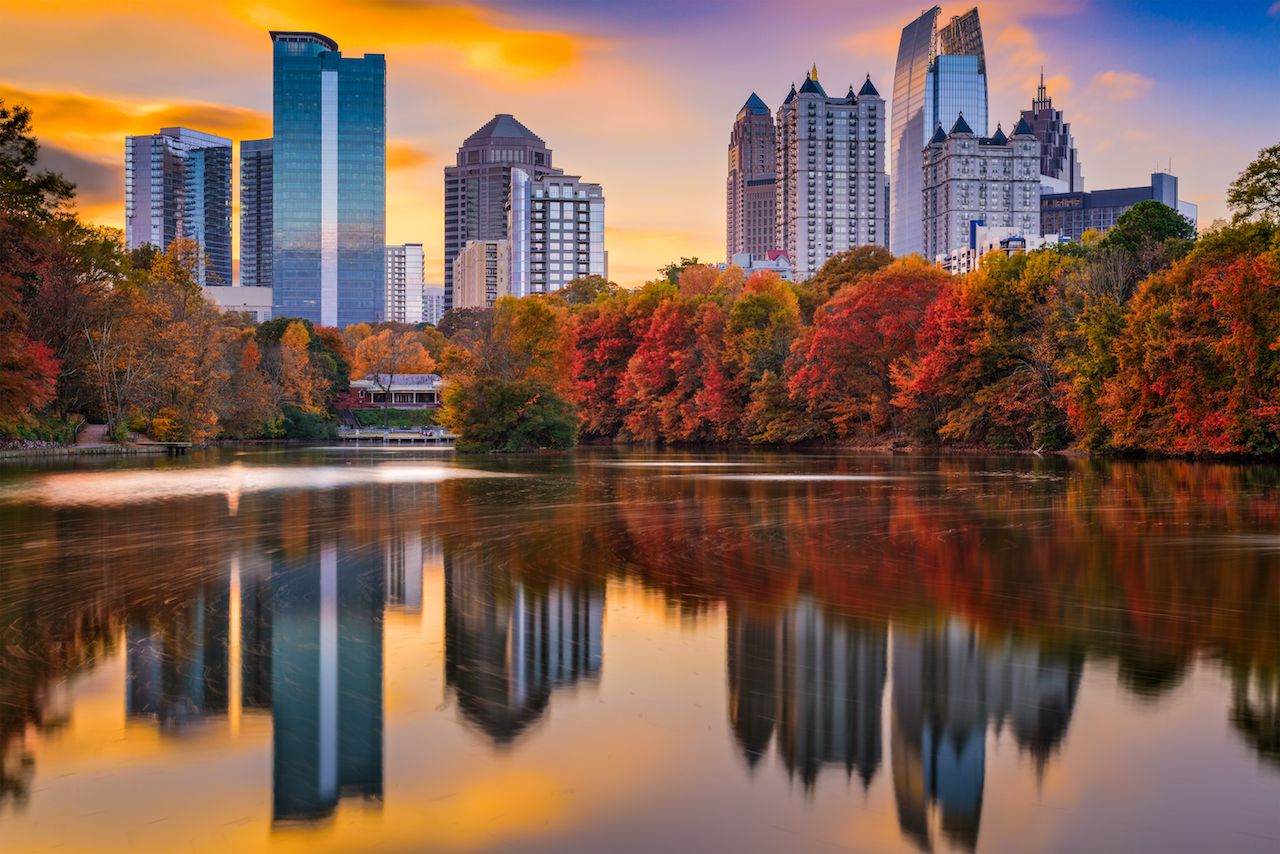
Ranked eighth in population, the Peach State acquired the 16th spot yet again for highest foreclosure rate. Of its 4,410,956 homes, 923 were foreclosed on. This puts the state’s foreclosure rate at one in every 4,779 households. The counties with the most foreclosures per housing unit were (from highest to lowest): Calhoun, Talbot, Marion, Rockdale, and Banks.
SeanPavonePhoto
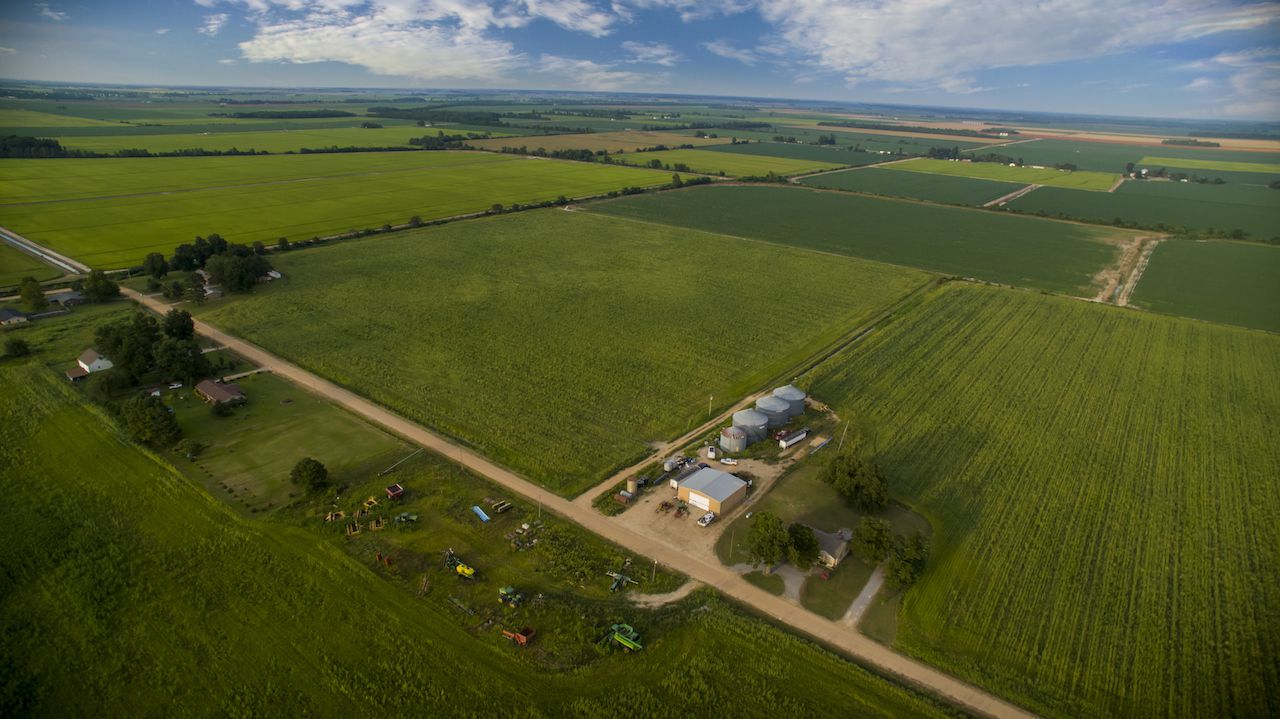
Listed as the 33rd most populous state, the Land of Opportunity took 15th place for highest foreclosure rate in October, a considerable jump from September’s 38th spot. The state has 1,365,265 housing units, of which 287 went into foreclosure, making the state’s latest foreclosure rate one in every 4,757 households. The counties with the most foreclosures per housing unit were (from highest to lowest): Mississippi, Ashley, Jackson, Sharp, and Johnson.
Rdlamkin
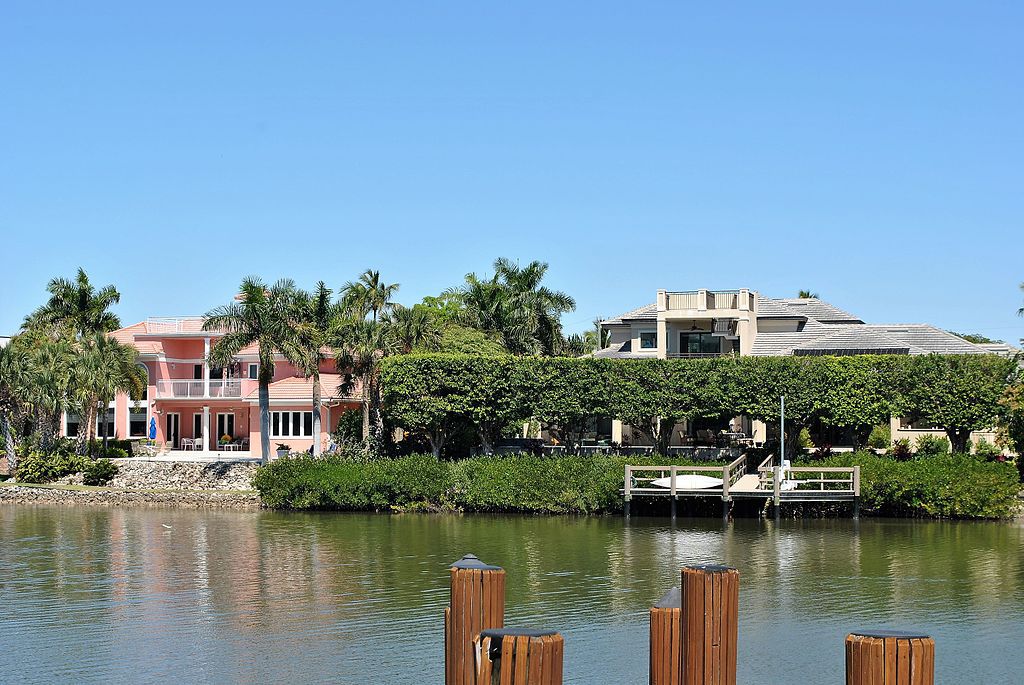
The third-most populous state in the country has a total of 9,865,350 housing units, of which 2,217 went into foreclosure. The Sunshine State’s foreclosure rate is one in every 4,450 homes. The counties with the most foreclosures per housing unit were (from highest to lowest): Wakulla, Liberty, Bradford, Clay, and Gadsden.
Elisa.rolle
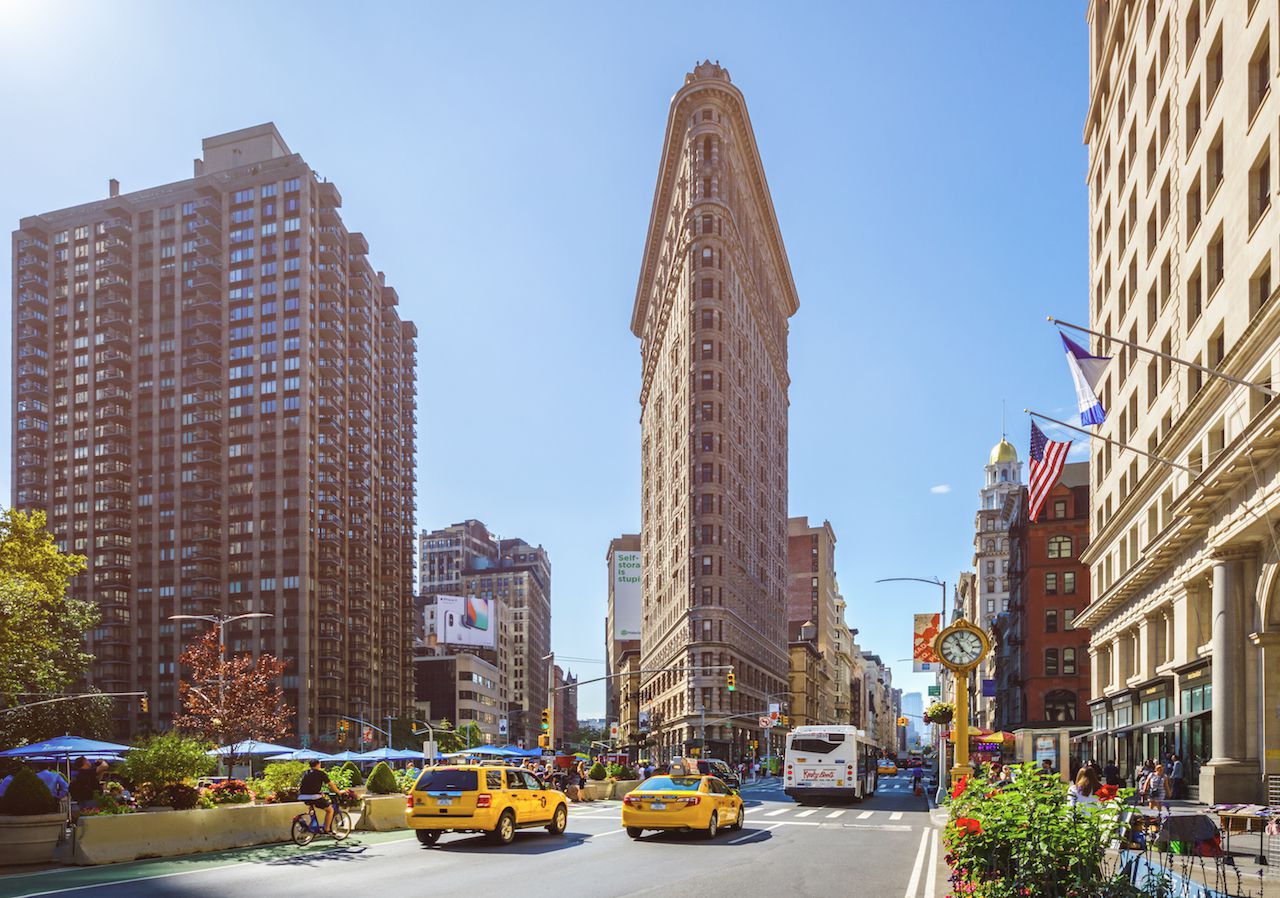
With 2,061 out of a total 8,488,066 housing units going into foreclosure, the Empire State claimed the 13th spot in October. The fourth-most populous state’s foreclosure rate was one in every 4,118 households. The counties with the most foreclosures per housing unit were (from highest to lowest): Greene, St. Lawrence, Putnam, Montgomery, and Orange.
Eloi_Omella

Ranked 10th in population, the Wolverine State secured the 12th spot with a foreclosure rate of one in every 3,988 homes. With a total of 4,570,173 housing units, the state had 1,146 foreclosure filings. The counties with the most foreclosures per housing unit were (from highest to lowest): Ionia, Muskegon, Genesee, Otsego, and Hillsdale.
RiverNorthPhotography
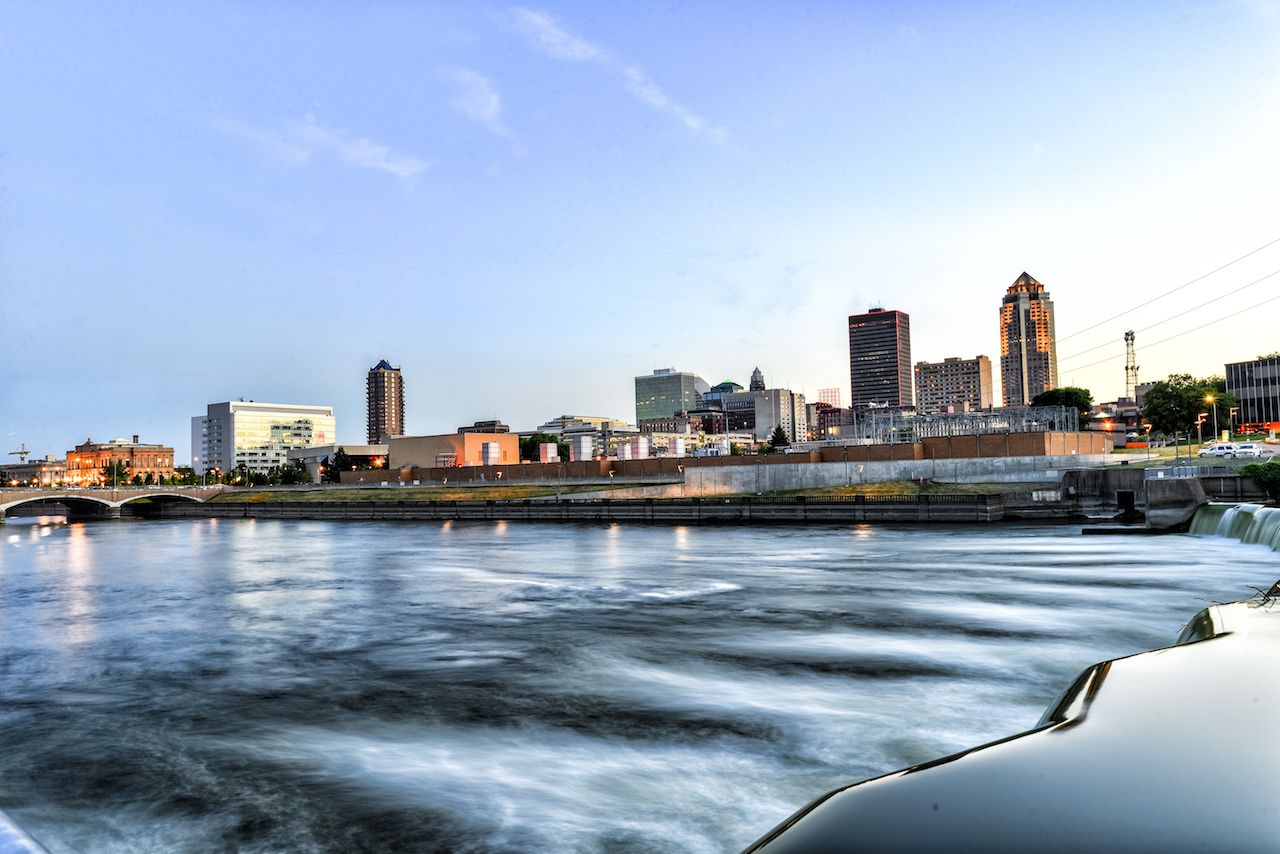
The Hawkeye State had the 11th highest foreclosure rate. With 360 housing units out of 1,412,789 homes going into foreclosure, the 31st most populous state’s foreclosure rate was one in every 3,924 homes. The counties with the most foreclosures per housing unit were (from highest to lowest): Woodbury, Emmet, Pottawattamie, Winnebago, and Des Moines.
Recommended: Your 2022 Guide to All Things Home
JoeChristensen

The country’s most populous state ranked 10th for highest foreclosure rate. Of its 14,392,140 housing units, 3,942 went into foreclosure, making the Golden State’s foreclosure rate one in every 3,651 households. The counties with the most foreclosures per housing unit were (from highest to lowest): Trinity, Lake, Kern, Shasta, and San Bernardino.
mlauffen
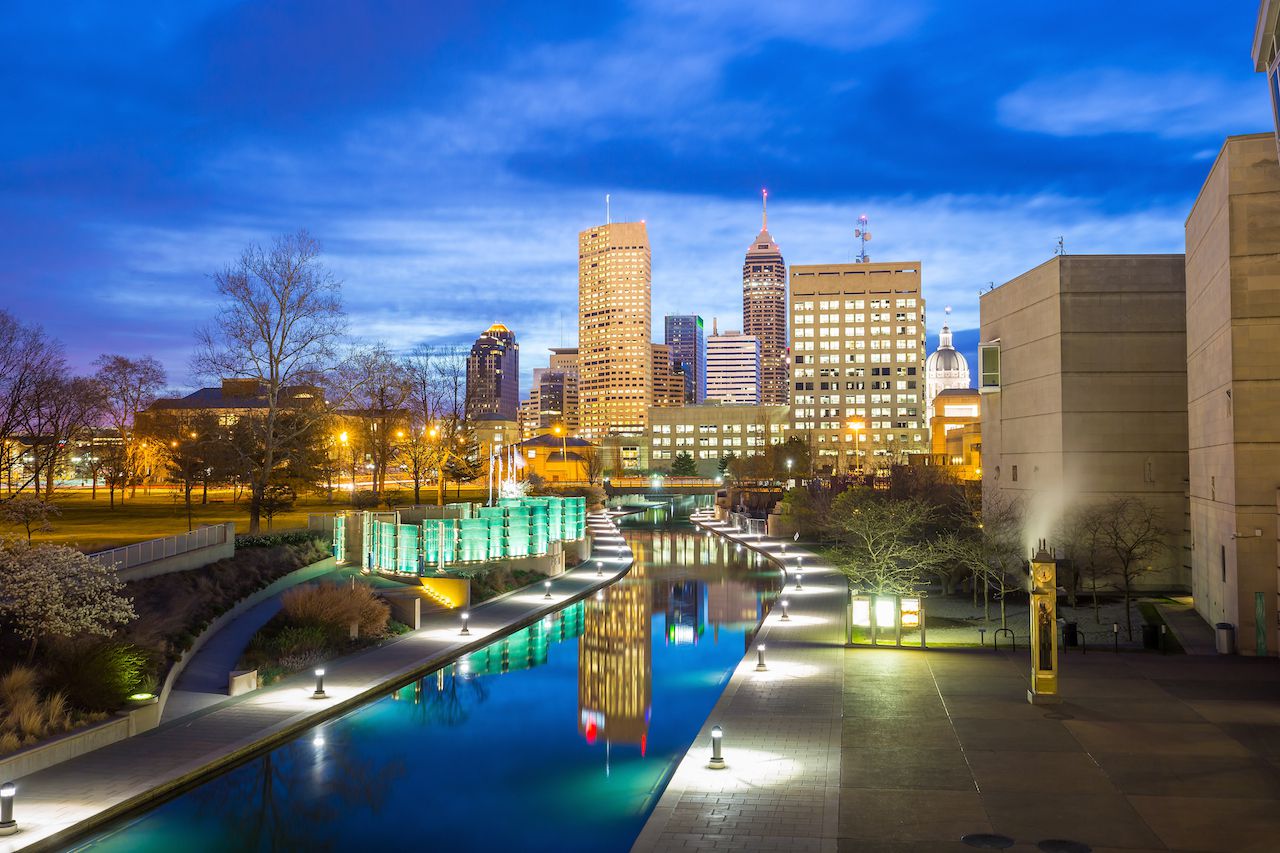
The 17th largest state by population, the Crossroads of America grasped the ninth spot with a foreclosure rate of one in every 3,113 homes. Of its 2,923,175 housing units, 939 homes were foreclosed on in October. The counties with the most foreclosures per housing unit were (from highest to lowest): Blackford, Vermillion, Vanderburgh, Porter, and Clark.
f11photo
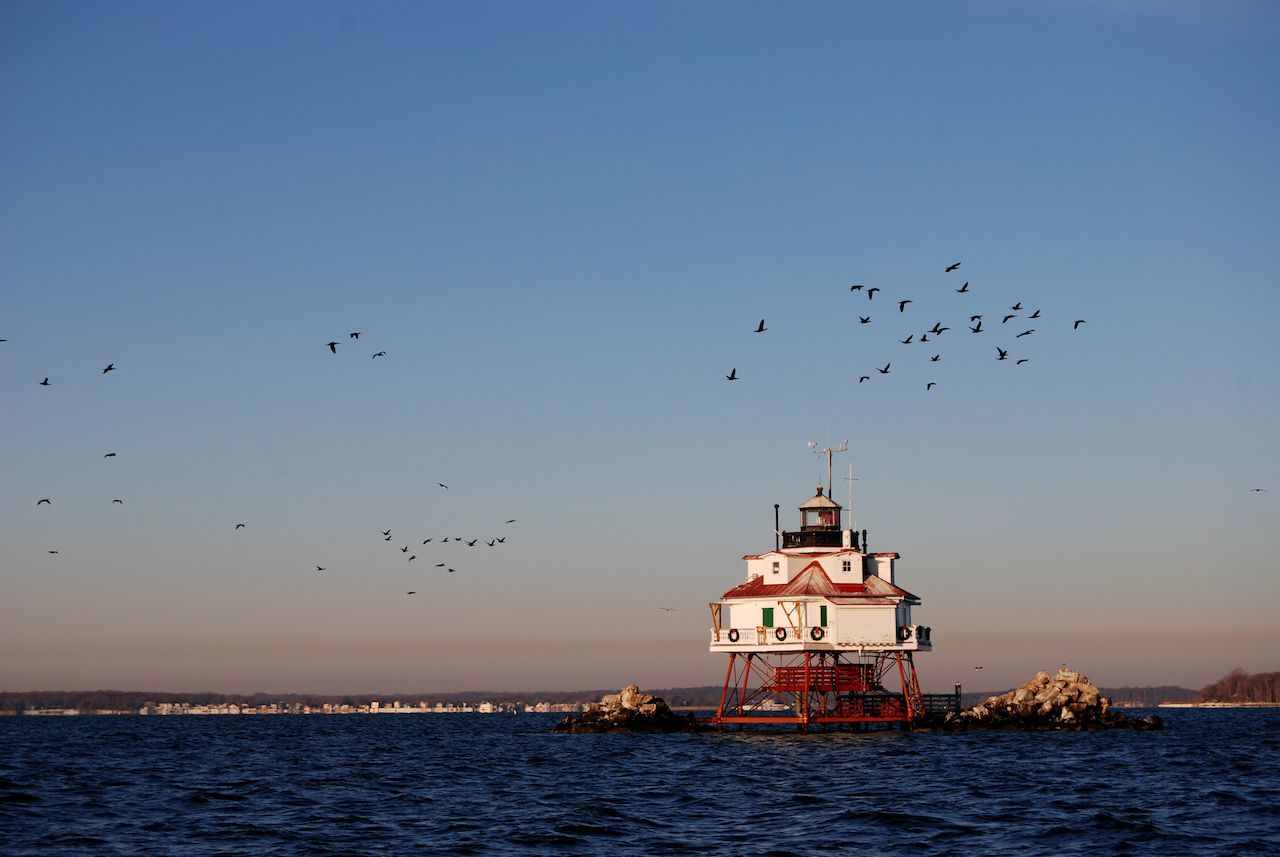
Ranked 18th for most populous state, America in Miniature took eighth place for highest foreclosure rate. With a total of 2,530,844 housing units, of which 816 housing units went into foreclosure, the state’s foreclosure rate was one in every 3,102 households. The counties and independent cities with the most foreclosures per housing unit were (from highest to lowest): Caroline, Charles, Calvert, Baltimore City, and Prince George’s County.
James_Lane

The ninth-most populous state claimed seventh place for highest foreclosure rate, contrasting unfavorably with last month’s 28th spot. Out of 4,708,710 homes, 1,523 went into foreclosure. This puts the Tar Heel State’s foreclosure rate at one in every 3,092 homes. The counties with the most foreclosures per housing unit were (from highest to lowest): Gates, Jones, Camden, Cumberland, and Edgecombe.
Littlewashingtonnc.com

The Buckeye State took sixth place in October with a foreclosure rate of one in every 2,802 homes. With a total of 5,242,524 housing units, the seventh-most populous state had a total of 1,871 filings. The counties with the most foreclosures per housing unit were (from highest to lowest): Columbiana, Cuyahoga, Lake, Seneca, and Stark.
espiegle/iStock

Ranking 32nd in population, the Silver State took the fifth spot for foreclosure rate. With one in every 2,755 homes going into foreclosure, and a total of 1,281,018 housing units, the state had 465 foreclosure filings. The counties with the most foreclosures per housing unit were (from highest to lowest): Clark, Humboldt, Lyon, Washoe, and Douglas.
Patrick Nouhailler / Flickr
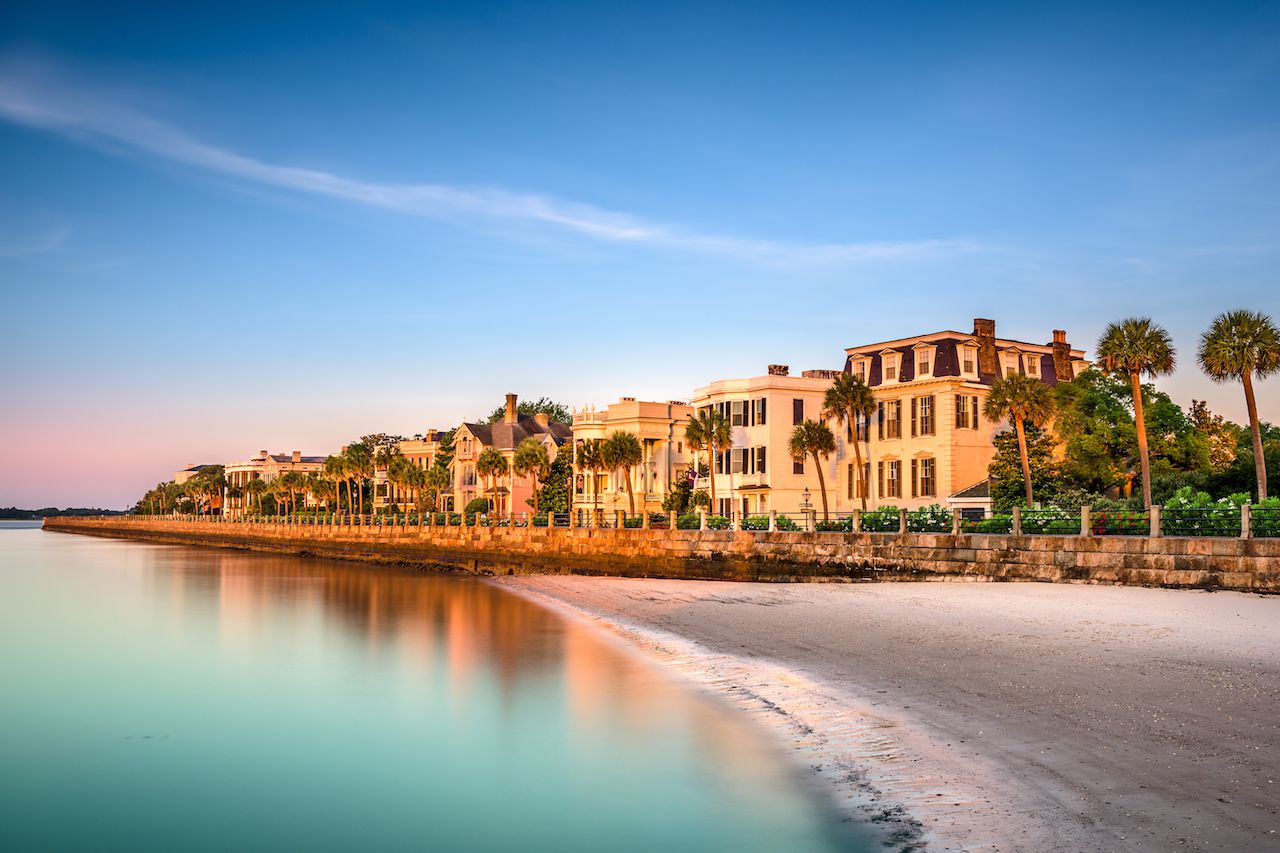
With one in every 2,711 homes going into foreclosure, the Palmetto State obtained the fourth ranking. The 23rd most populous state has 2,344,963 housing units and saw 865 foreclosure filings. The counties with the most foreclosures per housing unit were (from highest to lowest): Dorchester, Lexington, Jasper, Sumter, and Spartanburg.
SeanPavonePhoto

With a foreclosure rate of one in every 2,305 homes, the Garden State placed third once again in the ranking. The 11th most populous state has 3,761,229 housing units, of which 1,632 went into foreclosure. The counties with the most foreclosures per housing unit were (from highest to lowest): Cumberland, Gloucester, Sussex, Salem, and Camden.
JERRYE / Wiki Commons

The sixth-least populous state in the country, the Small Wonder soared from the seventh spot to the second. With one in every 2,178 homes going into foreclosure and a total 448,735 housing units, the state saw a total of 206 foreclosure filings. With only three counties in the state, the most foreclosures per housing unit were in (from highest to lowest): Kent, Sussex, and New Castle.
istockphoto
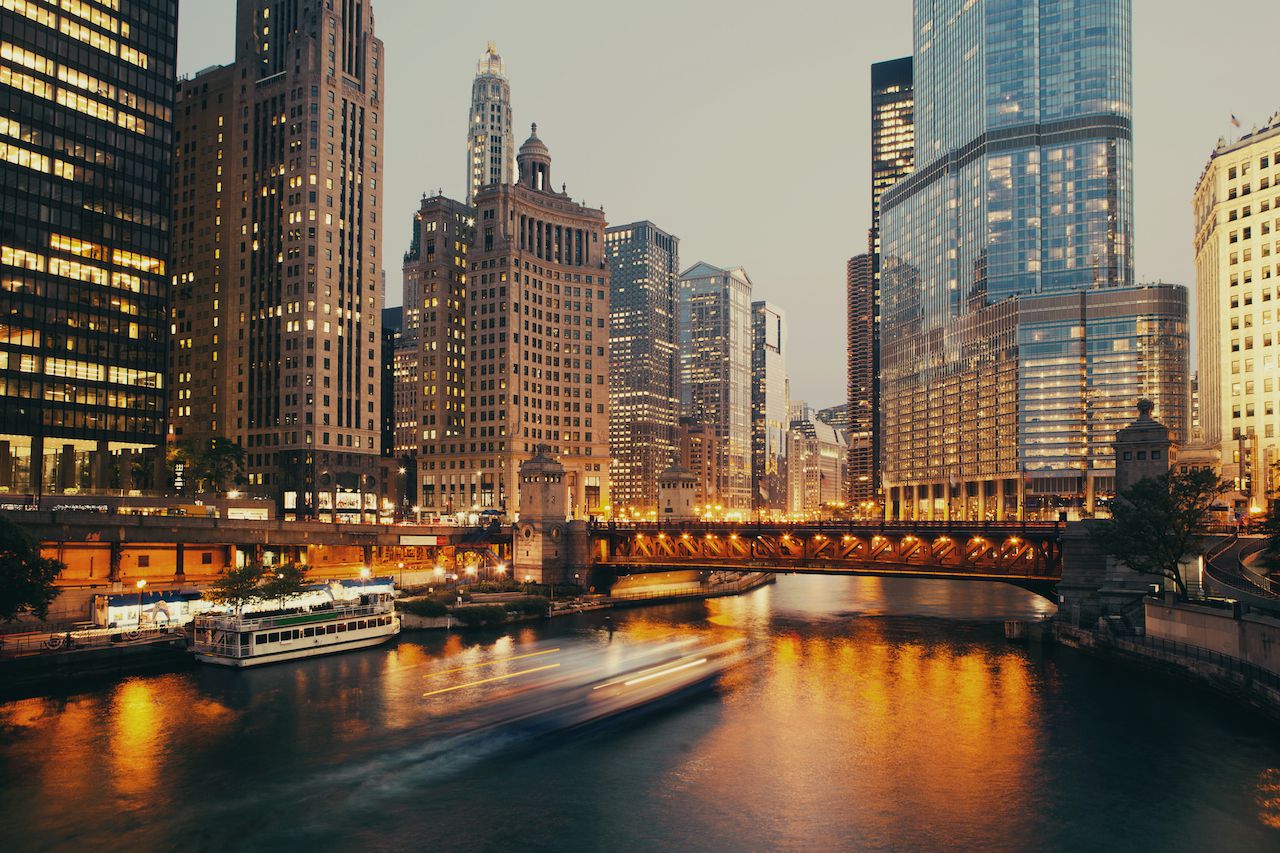
The Land of Lincoln made the top spot for highest foreclosure rate for the third month in a row. Of its 5,426,429 homes, 3,050 went into foreclosure, making the sixth-most populous state’s foreclosure rate one in every 1,779. The counties with the most foreclosures per housing unit were (from highest to lowest): St. Clair, Will, Madison, Henry, and Macoupin.
ibsky
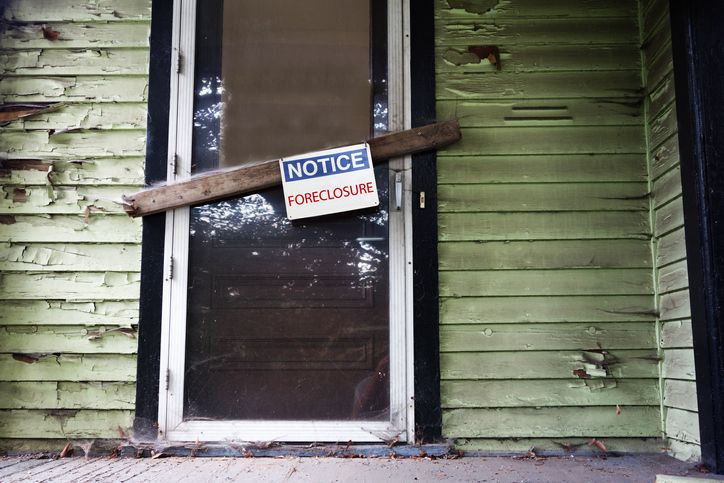
Of all 50 states, California had the most foreclosure filings (3,942), and Vermont had the least (7). As for the states with the highest foreclosure rates, Illinois, Delaware, and New Jersey took the top three spots, respectively.
Two regions – The Great Lakes and the Mideast – tied for having the largest presence among the 10 states that ranked the highest for foreclosure rates. The states in the Great Lakes region were (from highest to lowest): Illinois, Ohio, and Indiana. The states in the Mideast region were (from highest to lowest): Delaware, New Jersey, and Maryland.
The Plains region had the largest presence among the 10 states that ranked the lowest for foreclosure rates. The states were (from highest to lowest): North Dakota, Kansas, and South Dakota.
Learn More:
This article originally appeared on SoFi.comand was syndicated by MediaFeed.org.
SoFi Loan Products
SoFi loans are originated by SoFi Lending Corp. or an affiliate (dba SoFi), a lender licensed by the Department of Financial Protection and Innovation under the California Financing Law, license # 6054612; NMLS # 1121636. For additional product-specific legal and licensing information, see our disclosures.
SoFi Home Loans
Terms, conditions, and state restrictions apply. SoFi Home Loans are not available in all states. See our criteria for more information.
External Websites: The information and analysis provided through hyperlinks to third party websites, while believed to be accurate, cannot be guaranteed by SoFi. Links are provided for informational purposes and should not be viewed as an endorsement.
zimmytws / istockphoto

Depositphotos
Featured Image Credit: nicoletaionescu / istockphoto.