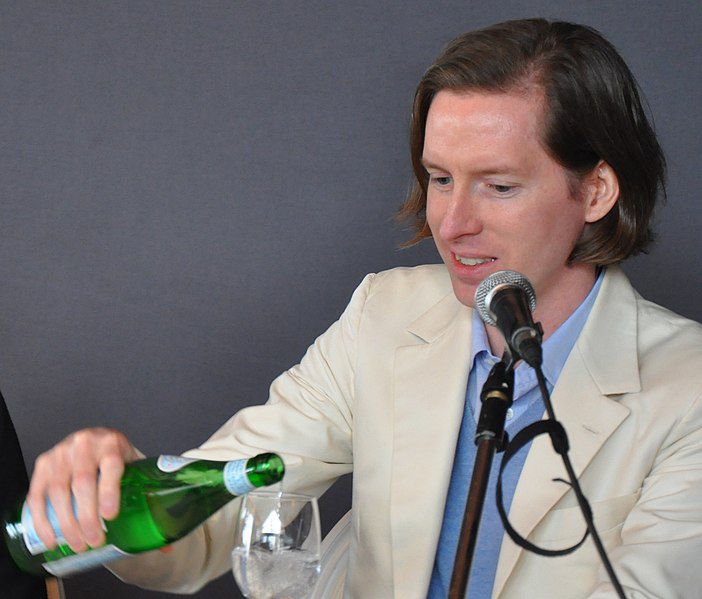
There are a few things that immediately come to mind when you hear the name Wes Anderson. There’s his love for symmetrical framing, dollhouse shots, a bright and vibrant color palette, a retro ’60s soundtrack, and his penchant for creating some of the most memorable, one-of-a-kind characters you’ll ever see in film.
For over 20 years, Anderson has delivered some of the most remarkable films in recent cinematic history, all inhabited by his equally amazing characters. Regardless of the type of film he’s making, there’s one thing you can be sure of: his movies are sure to include some incredibly unique, idiosyncratic characters with equally outlandish names, appearances, and individual eccentricities (and one of them is almost definitely going to be played by Bill Murray, even if it’s a simple cameo).
With Anderson’s new film, The French Dispatch, set to be released on October 23, we thought we’d take a look back at some of Anderson’s most noteworthy creations that have appeared in his films.
Herman Blume (played by Bill Murray in “Rushmore”)
Bill Murray has become a regular collaborator with Wes Anderson over the years, and looking at the numerous meaty roles the filmmaker hands over for Murray to embody, it’s easy to see why. While Murray appears in numerous Anderson films—in fact, with the exception of Anderson’s debut Bottle Rocket, he’s appeared in every single one—it’s his earliest films with Anderson that provided him with his most memorable characters, such as Rushmore’s Herman J. Blume.
A wealthy industrialist, Blume is by every stretch of the word the successful capitalist businessman. He’s conquered every challenge he’s been faced with, climbed every mountain that’s presented itself, and now—in his late middle age—he is starting to realize he has nothing left to accomplish. There’s no final reward for all his hard work. His family—including his unfaithful wife and distant, spoiled kids—all despise him, and he can’t help but feel the same way about them.
Depressed and receding into alcoholism, Blume is a lonely man who needs something to occupy him and hold his interest. Enter: Max Fischer, the wonder boy of Rushmore who immediately wins Blume over his charisma, intelligence, and outgoing nature.
Comedically appearing at first to be the teenage Max’s sidekick in the film—delivering his letters, following his instructions—Blume eventually becomes Max’s rival, with both of them attempting to win their mutual love interest’s favor.
A prime example of the old adage “Money doesn’t buy happiness,” the poor guy has nothing going for him, and you wholeheartedly begin to think he deserves to win just once after years of continuous disappointment in life. Though an early Anderson creation, Murray’s Blume remains the most nuanced and complex of his characters, and one you feel complete sympathy for throughout the film. He’s funny and tragic, a delicate balance act few actors can pull off as well as Murray regularly does.
Mr. Fox (played by George Clooney in “Fantastic Mr. Fox”)
It was a tough decision whether or not to include Mr. Fox on this list. The titular hero of Anderson’s first animated film, Fantastic Mr. Fox, he’s not actually an original creation of Anderson’s, having been taken directly from the children’s book by Roald Dahl.
Still, despite being the product of another creator, it’s startling how well Mr. Fox fits the mold of a quintessential Anderson character. He’s bold, charming, talented, larger than life—essentially, everything you’d imagine his voice actor, George Clooney, would be as a stop-motion animated fox.
At the start of Fantastic Mr. Fox, Fox appears as the archetypal gentleman thief—calm, cool, and sophisticated, he’s able to balance his idyllic home life and marriage to his wife, Felicity (Meryl Streep) with his career as a professional thief. All that changes when Felicity becomes pregnant, and asks Fox to settle down and find a safer career for the sake of their family. The noble Fox agrees at first (for about 12 fox years, anyway), until the urge to return to his adventurous days becomes too strong, putting his entire anthropomorphic animal community in jeopardy as a result.
In a lot of ways, Fox embodies many of the traits of middle-aged men struggling to come to terms with their encroaching winter years. Deep down in his heart, he wants to be the supportive family man, but he needs one last thrill in his life before he’s able to settle down. For that reason alone—never mind how endlessly cool this suit-wearing, wolf-fearing, sly fox really is—he earns a distinguished spot on this list as one of the best Anderson characters to date.
Royal Tenenbaum (played by Gene Hackman in “The Royal Tenenbaums”)
The namesake for Anderson’s film of the same name, Gene Hackman’s Royal Tenenbaum is very similar to many of the other complex, absent father figures similarly on this list. Like Steve Zissou, he’s selfish, narcissistic, and largely unsympathetic, but Hackman manages to give enough life and eccentricity to his character that makes him so difficult to fully hate, and also making him an incredibly complex human being.
Royal isn’t necessarily a good guy by any stretch of the word, but he isn’t an altogether bad guy, either. If anything, like many people, he simply doesn’t fit adequately within the framework of a conventional father figure. He’s rude, crass, and completely irresponsible—he takes his kids to illegal dog fights—and when he starts to see the damage he’s done to both his children and to his wife (Anjelica Huston), he seeks to make it right. A complicated person deep down, Hackman’s Royal is a perfect stand-in for every complicated parental figure out there—he’s not perfect, but he’s human—and in the end, manages to once again atone for his past mistakes with his family and improve each of their positions in life before passing away.
It was a perfect final role for the always brilliant Hackman to take on before retiring, and what’s more, Royal leaves behind probably the best tombstone in all of film, reading “Died tragically rescuing his family from the wreckage of a destroyed sinking battleship,” going out in Royal’s signature over-the-top fashion.
Klaus Daimler (played by Willem Dafoe in “The Life Aquatic with Steve Zissou”)
He doesn’t exactly make it easy, but it’s hard to dislike Willem Dafoe’s impish, sycophantic little second-in-command, Klaus Daimler. The right-hand man to Captain Zissou, his constant attempts to command the same level of respect as his captain often goes unmet (perhaps because he so fully idolizes Zissou and fails to see how little respect Steve actually receives from others).
In essence, Klaus is pretty much the Dwight Schrute of the Belafonte, a man whose full-fledged devotion and love for his captain goes beyond simple loyalty and borders on kiss-assery. When he sees others vying for Steve’s affection or perceives them as meaning harm in some way to Steve, he takes an instant dislike to them or views them as competition—as is the case initially with Ned (Owen Wilson), Steve’s long-lost son.
It’s easy to dismiss Klaus as some sort of Smee-inspired comedic sidekick in the first act, but the second half of the film develops his and Steve’s relationship further, with Steve seemingly starting to realize and appreciate Klaus’s dedication and years of loyalty. Throughout the film, it’s actively difficult to hate Klaus—his nonstop attempts to win Steve over and his hatred of being left out seeming like a small child constantly trying to get the attention of his parents.
In the end, though, Klaus manages to get exactly what he wanted: a properly defined, respectful relationship with his captain, and to be taken seriously by everyone aboard the Belafonte.
Suzy Bishop (played by Kara Hayward in “Moonrise Kingdom”)
One half of the young lovers at the heart of Moonrise Kingdom, Kara Hayward’s “troubled” preteen character is every bit as complicated as her romantic counterpart, Sam (Jared Gillman), if not more so.
A personal favorite character of Wes Anderson, Suzy Bishop is a lonely, depressed young lady who’s only able to find solace in the company of her books. Neglected by her parents and angry at the world, the only human connection she is able to find is in the form of Sam, the young Boy Scout whom she shares a kindred spirit with, and who is able to love and appreciate her for the person she is, rather than attempting to “fix” her through parental guidance books with titles like “Coping With the Troubled Child”.
Hatching the escape plan was Sam to run away and live together in the woods, you spend the entire time rooting the two on, and only grow more and more emphatic of their efforts the more you learn about their troubled familial relationships and the difficulty they have blending in with others their age.
Like Sam, Suzy is wise beyond her years, and has no idea of the potential she’s capable of—for good or ill (in a blind rage, she stabs one of Sam’s fellow Boy Scouts trying to bring them back home with a pair of lefty scissors). In a filmography marked by numerous likable characters, Suzy might be the one we cheer for the loudest and hardest, hoping that everything will turn out all right for her in the end.
Dignan (played by Owen Wilson in “Bottle Rocket”)
There’s a lot that can be said of Bottle Rocket’s Dignan, especially given the fact that he is the earliest of the many subsequent high-energy, sentimental, child-like protagonists of Anderson’s films.
The dramatic precursor to similar over-achievers like Rushmore‘s Max Fischer and Mr. Fox, Dignan is a character who seemingly cares about two things: hanging out with his best friends and planning heists, with the two things usually coinciding as an excuse for Dignan to bond with his buddies.
Like many Anderson characters, unfortunately, Dignan is also completely inept at executing his numerous complex plans, his long-winded attempts at heists or escape attempts usually falling apart within seconds.
Still, Dignan’s not the kind of guy who goes to pieces when his carefully-orchestrated plans suddenly fall through. He’s willing to improvise, is almost always in a determined mood, and the only thing that really gets him down is the occasional squabble with his beloved friends.
Though he lacks the extreme quirks of some of Anderson’s later characters (Steve Zissou and Gustave H., for example), Dignan is all heart, and is easily the most lovable of the three thieves in Anderson’s debut. Even if his plans don’t always work out, you have to admire his tenacity, never-say-die attitude, and sheer persistence, as well as his undying loyalty and love for his friends.
Margot Tenenbaum (played by Gwyneth Paltrow in “The Royal Tenenbaums”)
Out of all Anderson’s many characters that shows signs of extreme depression or appear on the verge of a breakdown (Rushmore‘s Herman Blume, Moonrise Kingdom‘s Captain Sharp, any of the Tenenbaum siblings), there’s none that appears more depressed than Gwenyth Paltrow’s Margot in The Royal Tenenbaums.
The adopted daughter of Royal and Etheline, Margot grew up as a talented young writer, producing plays that won her instant acclaim and success early in her career. Similar to her siblings, Chas (Ben Stiller) and Richie (Luke Wilson), she hits a bit of a career slump in her later years, preferring to spend most of her days sitting in a bathtub, watching TV, and smoking—all at the same time, of course.
Married to Bill Murray’s Raleigh St. Clair, a skilled psychologist, Margot remains extremely aloof, even more so than her other, equally withdrawn adopted brothers. However, as Raleigh and Richie learn through a private detective’s investigation of Margot’s past, Margot is anything but boring—she’s had an eventful, albeit troubled life, full of numerous sexual encounters with various individuals across the world. The only person she allows a small glimpse into what her private thoughts and feelings are is Richie, shutting herself off from everyone else.
Never has Anderson managed to create a more interesting, nuanced character in any of his films. At the conclusion of The Royal Tenenbaums we know as much about Margot as a person as we did in the beginning—that is to say, nothing at all. Sure, we’ve learned a little about her past, but who she is as a person, what she wants in life, what makes her happy—all that remains a mystery. All we’re left with is a permanently bored-looking, smoking, Nico-lookalike, the perfect personification of all withdrawn, angsty, moody individuals who we just can’t seem to figure out.
Gustave H. (played by Ralph Fiennes in “The Grand Budapest Hotel”)
If you’ve taken anything away from reading this list so far, it’s hopefully the realization of how odd and eccentric Anderson’s characters tend to be. There’s no single character more eccentric in Anderson’s extensive lineup of unconventional characters, though, than Monsieur Gustave H., concierge extraordinaire of the Grand Budapest Hotel.
The oddest of Anderson’s creations to date, Ralph Fiennes’ adept Gustave is the epitome of the word “quirky.” He’s unbelievably strict, hard-working, and dedicated to his profession, treating his position as a concierge to the Grand Budapest Hotel as a skilled captain would a ship. However diligent M. Gustave is when it comes to his craft, he’s also not above fully engaging in his own personal odd hobbies, such as sleeping with numerous geriatric, wealthy women who visit the Hotel.
A character that seemingly walked straight out of a Lost Generation novel written under the influence of mescaline and absinthe, M. Gustave is a man distinctly out of place and from another time even within the film’s 1920s setting.
He’s a man of excess who absolutely adores the finer things in life—his first concern upon breaking out of prison asking Zero whether he has a puff of cologne for him to immediately put on. He’s a serial womanizer, yet never appears to be seducing his many elderly love interests out of malice or with some sort of intention to secure their wealth—he seems to love each and every one of them.
Frankly, he’s the kind of person that rarely exists even in film—lovable, professional, astute, adventurous—so that when the older Mr. Moustafa tells Jude Law’s Author in the beginning of the film, “I began to realize that many of the hotel’s most valued and distinguished guests—came for him,” we absolutely, fully believe him.
Max Fischer (played by Jason Schwartzman in “Rushmore”)
Many of Anderson’s most famous, sympathetic, and memorable protagonists tend to be children. Whether it’s the escaping couple, Sam and Suzy, in Moonrise Kingdom, Isle of Dog’s no-nonsense Atari, or the aspiring lobby boy-in-training Zero in The Grand Budapest Hotel, Anderson’s characters are either children incredibly mature for their age, or adults who are unbelievably childish and completely irresponsible (The Royal Tenenbaum‘s Royal, Life Aquatic‘s Steve Zissou, etc.).
In his second feature film, Anderson manages to blend those two archetypal character tropes together in the form of Max Fischer, a miniature adult in a child’s body, and one of the most hot-headed and immature of Anderson’s characters to date.
A student at the prestigious Rushmore Academy, Max is the worst student the school has, possessing unbelievably poor grades that have him perpetually on the verge of being expelled. He’s also the most dedicated student on campus, running or participating in every club the academy offers.
As clever and dedicated as Max is, his clear love for the school and his inability to prioritize schoolwork illustrates his failure to recognize the important things he should be focusing on, leading him into trouble when he tries to seduce a teacher twice his age. An actor, a playwright, the captain of the debate team, and about a million other things at Rushmore, Max still has difficulty recognizing the fact that he is still a child rather than the mature adult he makes himself out to be.
Regardless, his dedication, sophistication, preciousness, and charm allow the audience to look past his flaws (including his tendency to fly into a full-on emotional rage when he doesn’t get his way) as we watch Max mature. He’s an early Anderson creation, but he’s also one of the most memorable, lovable characters the filmmaker has ever made.
Steve Zissou (played by Bill Murray in “The Life Aquatic with Steve Zissou”)
Bill Murray’s aquatic Jacques Cousteau-inspired explorer Steve Zissou is probably the perfect example of Wes Anderson’s recurring depiction of complex, imperfect parental figures in his films.
At the start of the film, Steve appears as a second-rate adventurer whose biggest fan is probably himself. He’s not that great a scientist, captain, or a sailor—the responsibilities of his position being taken over by his more than capable crew who seem able to efficiently command themselves. In his sixties, he’s fading from the public eye, his documentaries not selling as well as they once had, which is perhaps Steve’s greatest fear (irrelevancy).
Like Royal Tenenbaum—the ultimate absent father figure in Anderson’s work—it’s very easy to dislike Steve Zissou on the surface. However, similar to his son Ned’s initial impression of Steve, we can’t help but be pulled in by him and enamored with Steve and his antics.
Unlike Ned, though, who idealizes Steve as the perfect father figure who can do no wrong, the audience can see Steve for what he really is—deceitful, manipulative, selfish, lazy, but also, above all, incredibly lonely. He’s been all over the world, fought unimaginable mammoth-sized sea creatures, has found love and lost it, and just wants someone with him in his life who he cares for and who accepts him as a person–faults and all.
By the end of the film, Steve is able to recognize the important things in life—friends, family, and that life is too short to worry over such petty things as revenge, holding a grudge, or whether the public likes him. All that seems to matter is what those who are closest to him think. It’s arguably the most important discovery one could make about themselves, and shows that, if a blowhard like Steve can do it and change for the better, anyone can.
Final Thoughts
There aren’t many directors capable of creating such strange, individual characters in all of film as well as Anderson. In the past, he’s managed to produce some of the strangest, most eccentric, and unique characters ever seen on screen, with many of them seeming on the surface comedically ridiculous and over the top (in personality, appearance, and their odd-sounding names), but who are also deeply troubled, complex human beings with numerous layers and nuances to them.
From nautical deep-sea divers to 1920s’ hotel concierges, Anderson manages to breathe life into each and every one of his characters, even those who appear in supporting roles. Who exactly will be the standout characters be in his new film, The French Dispatch?
This article originally appeared on Wealth of Geeks and was syndicated by MediaFeed.
More from MediaFeed:
Movie title translations gone hilariously wrong
Since time immemorial, a quite vexing situation has persisted for lovers of language. Namely, it’s the fact that translating something from one language to another can cause the original intent to be lost, sometimes spectacularly so.
Take, for example, the 1978 hit song “Two Out of Three Ain’t Bad” by the singer Meat Loaf. When the single was released in Japan, the title was translated to “66% Temptation.” It would be fair to suppose that’s probably not what songwriter Jim Steinman had in mind, but when you’re translating something from one language to another, there’s no guarantee that you’ll get le mot juste every time.
This is particularly problematic when it comes to movie releases. What draws audiences in Omaha may not get the same result in Beijing, so foreign distributors must decide what wording is right for their respective territories. This can result in some translations that are a real mouthful, or are just plain wrong. We present you with some of the most notably hilarious here.
IMDB / Universal Pictures
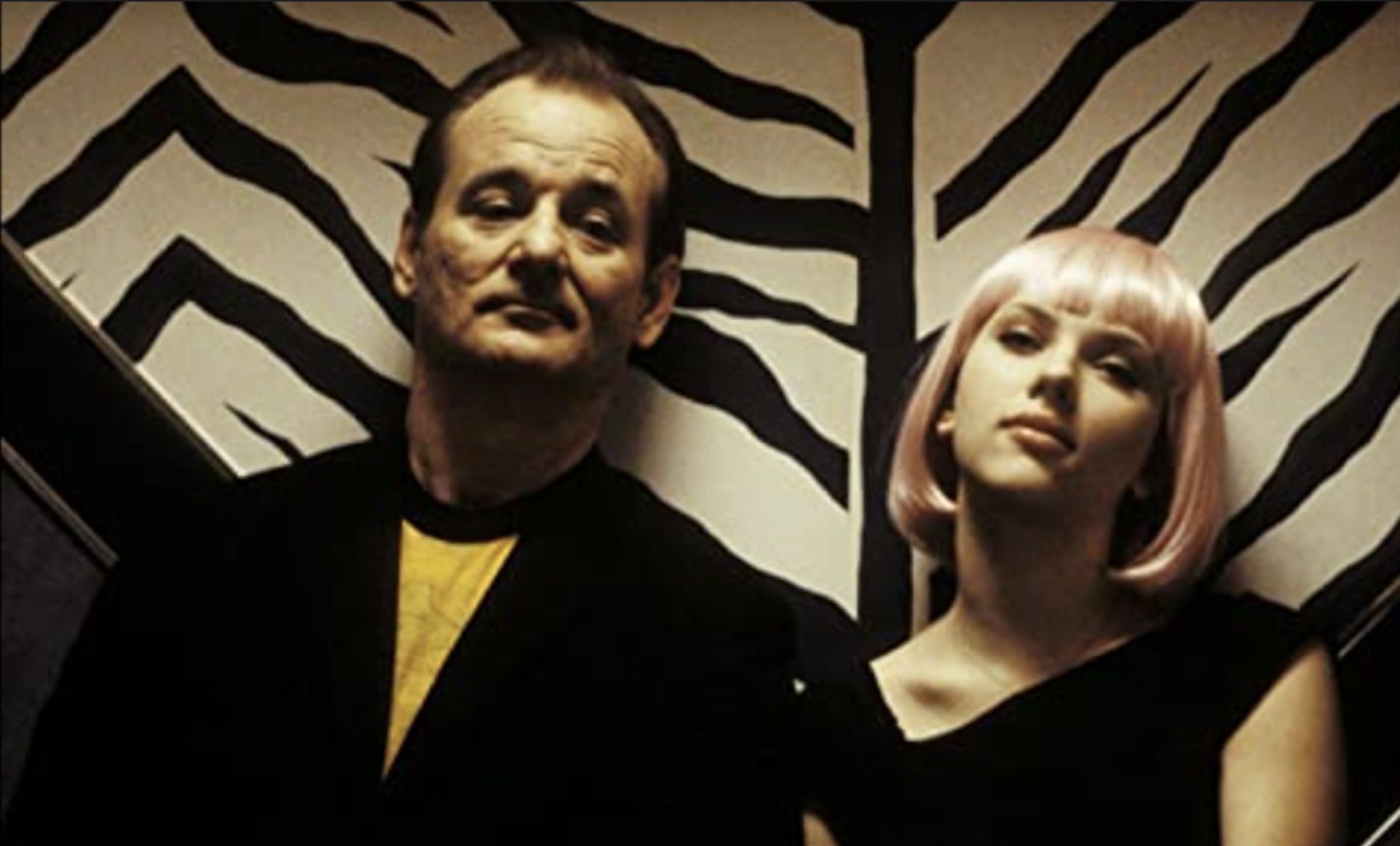
We had to start with this one, right? This 2003 romantic comedy starring Scarlett Johansson and Bill Murray is a perfect example of a title being totally lost in translation. When it played in Portugal, the title was changed to “Meetings And Failures In Meetings.”
IMDB / Focus Features
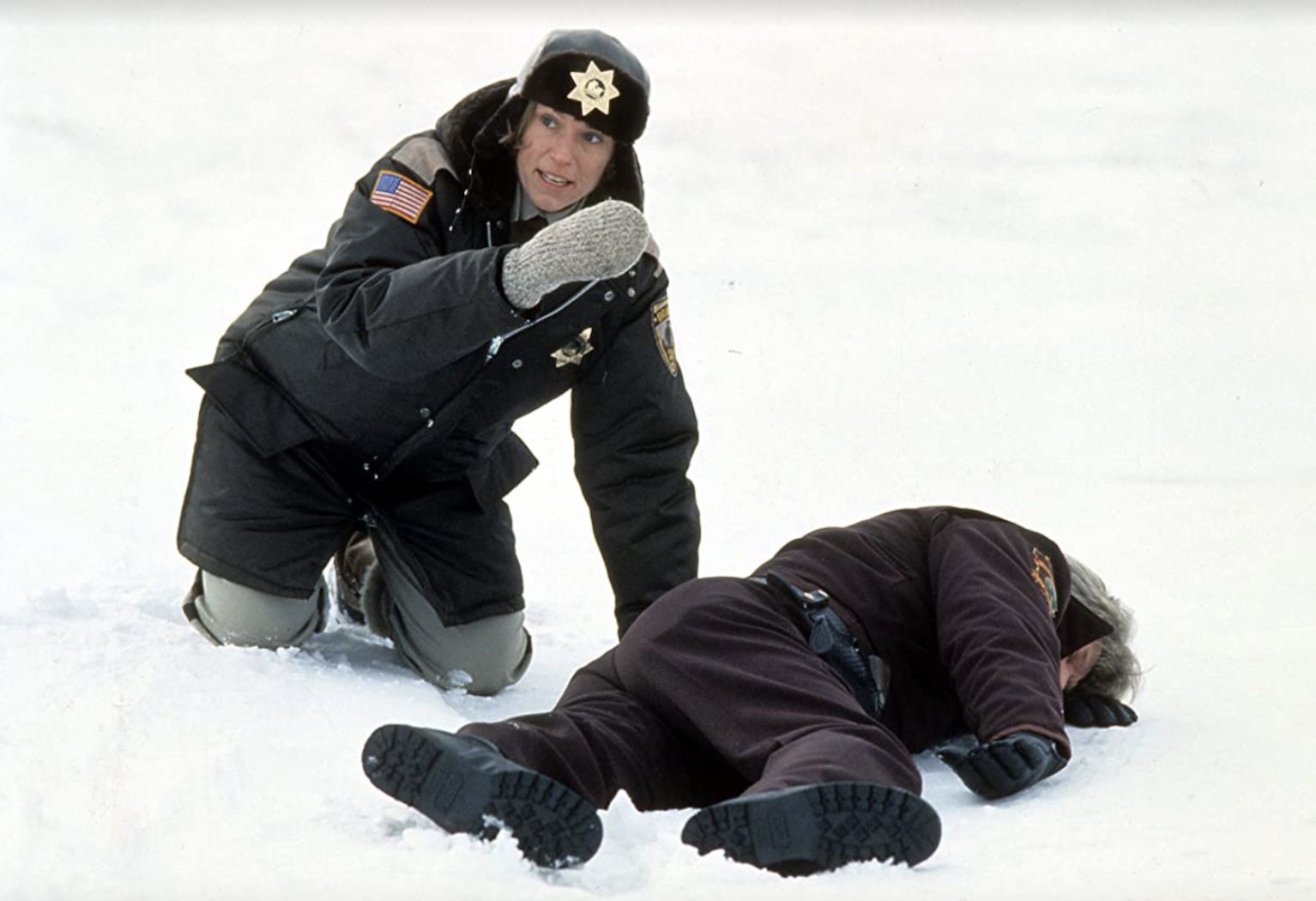
This 1996 crime drama by the Coen Brothers remains one of their best-received movies, even 25 years later. However, it’s worth wondering if it would have received the same accolades if it had been released in the United States under the same title it received in China – “Mysterious Murder In Snowy Cream.”
IMDB / Metro-Goldwyn-Mayer Studios Inc.
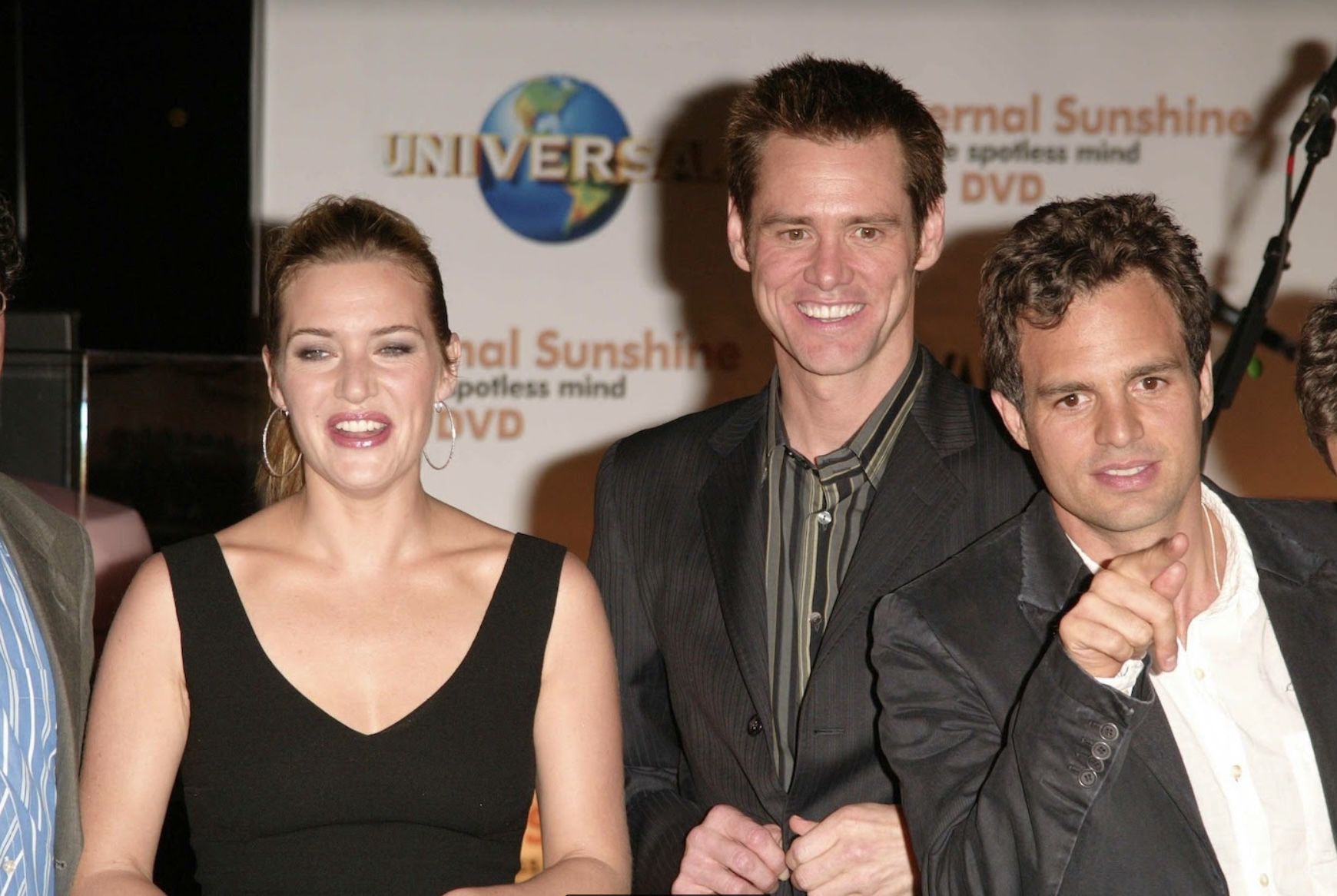
2004’s “Eternal Sunshine of the Spotless Mind” is a critically lauded film about a couple that breaks up and then has their memories of one another erased. It’s a complicated premise, which is perhaps the reason why it was titled “If You Leave Me, I Delete You” when it played in Italy.
DepositPhotos.com
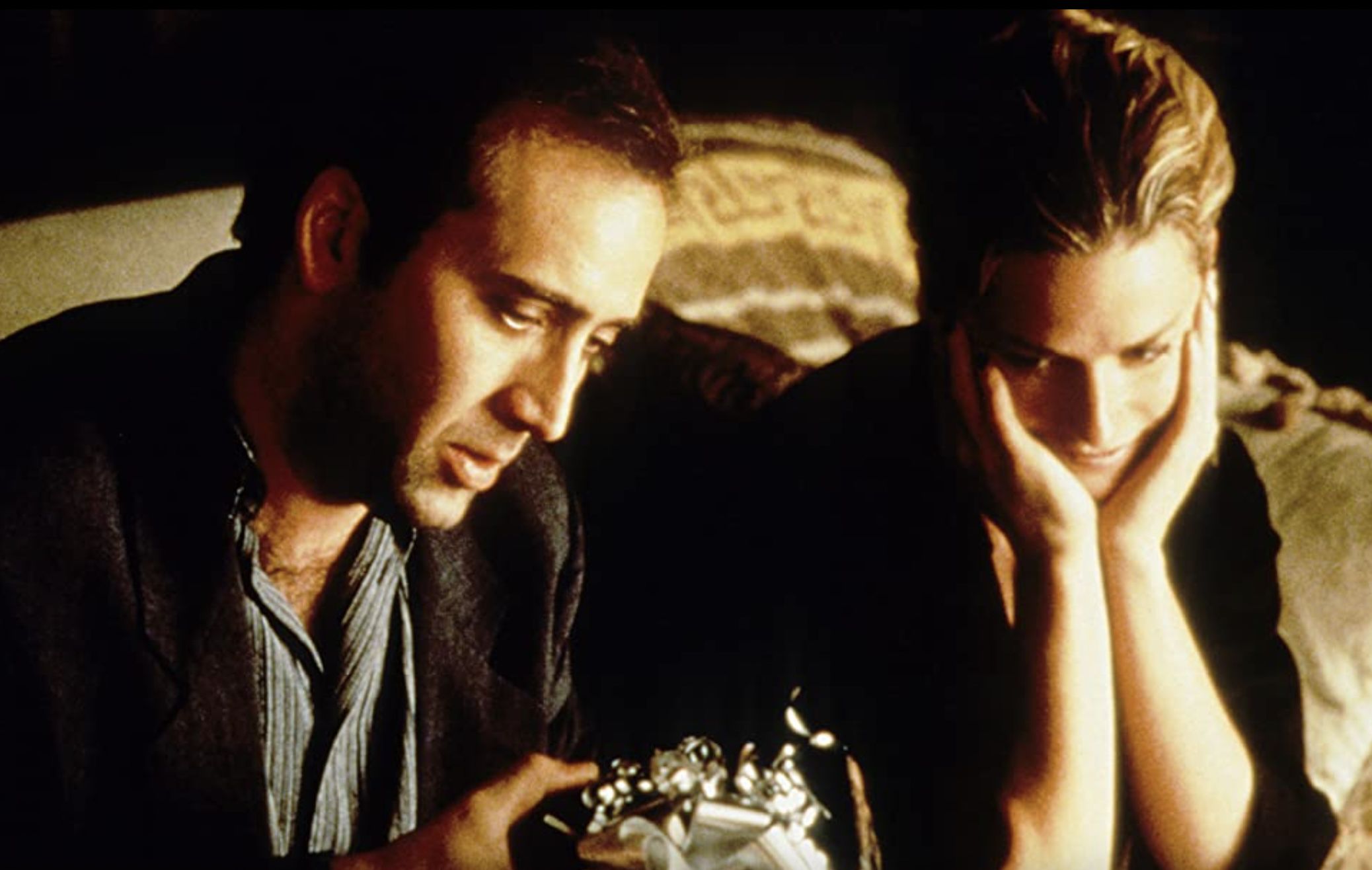
1995’s “Leaving Las Vegas” stars Nicolas Cage and Elisabeth Shue as a drunk and a prostitute, respectively, who form an unlikely relationship. Japanese film distributors may have felt that the original title was too vague, providing them with the possible impetus to rename the movie “I’m Drunk And You’re A Prostitute.” Hey, it’s accurate.
IMDB / United Artists
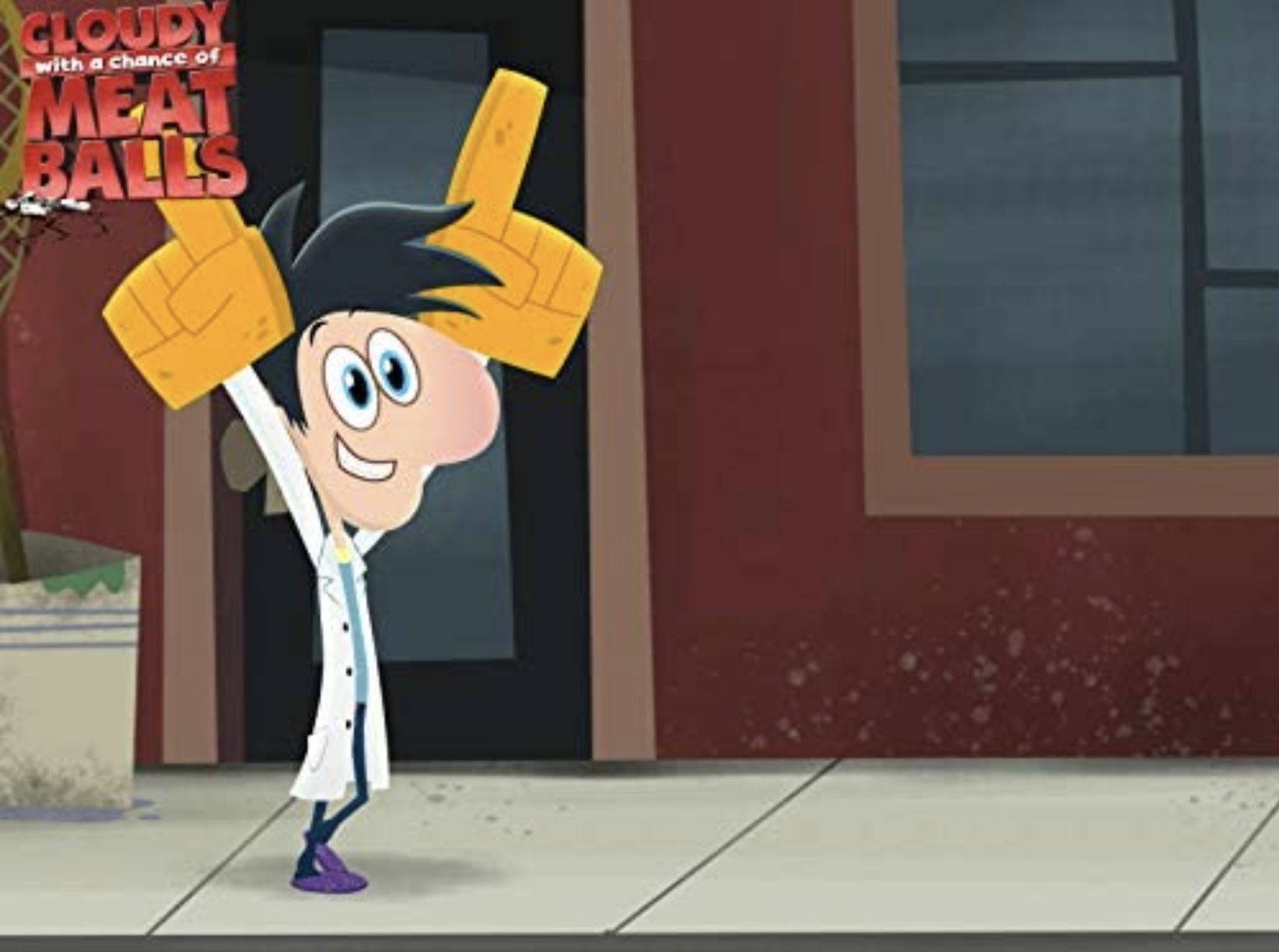
“Cloudy with a Chance of Meatballs” is a 2009 animated movie based on the children’s book of the same name. When it played in Israel, it was renamed “It’s Raining Falafel,” presumably in a nod to local cuisine. All fine and good, but don’t they know what meatballs are in Israel?
Public domain / Wikimedia Commons
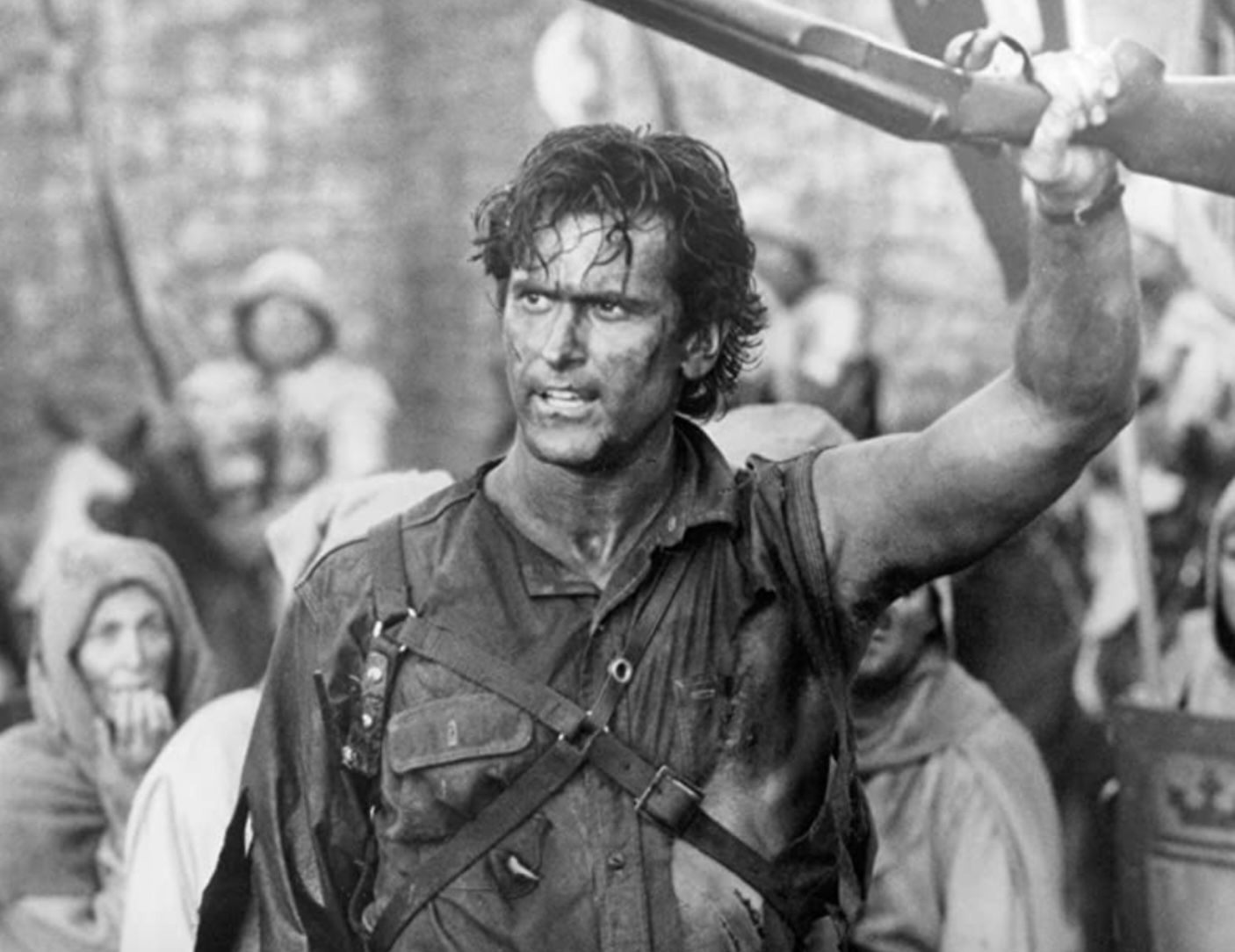
Released in 1992, “Army of Darkness” is the third movie in the “Evil Dead” trilogy, and it concerns a hapless department store employee named Ash who is transported to the Middle Ages via supernatural means to do battle against the undead. Perhaps focusing a little too much on Ash’s day job, the movie played in Japan under the title “Captain Supermarket.”
IMDB / Dino De Laurentiis Company

The 1979 horror classic “Alien” was called “The Eighth Passenger” when it was released in Israel, and that’s actually a decent title given the plot of the movie. However, once you get to the third installment, “Alien 3,” simply adding the number “three” to the Hebrew title results in “The Eighth Passenger Three,” which is technically accurate and utterly incoherent.
IMDB / Twentieth Century Fox
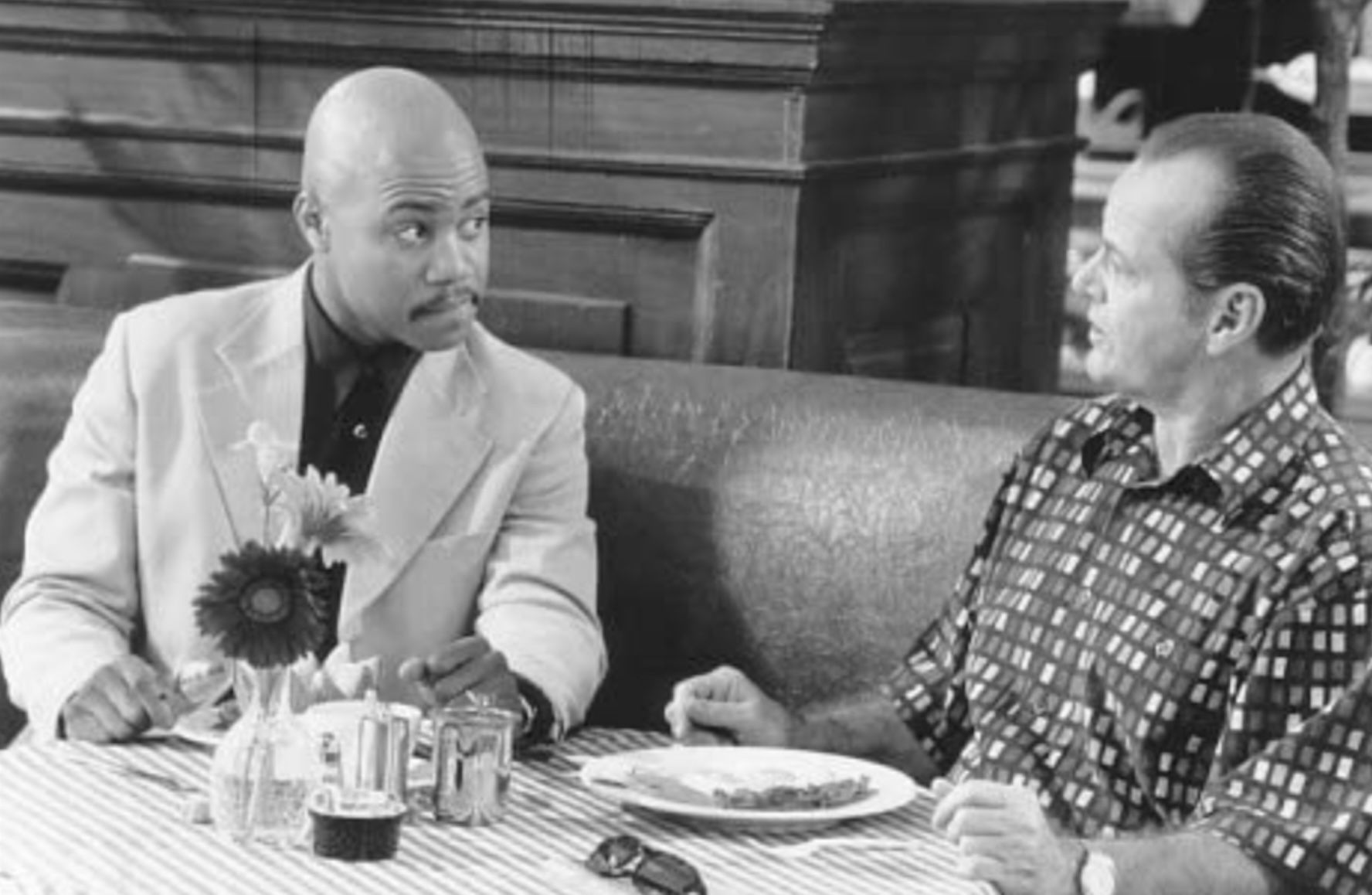
The 1997 Jack Nicholson vehicle “As Good As It Gets” is the story of a man with obsessive-compulsive disorder who generally treats everyone around him horribly, yet still manages to retain friends and have a romantic relationship with Helen Hunt. It was released in China under the name “Mr. Cat Poop.”
IMDB / TriStar Pictures

In 2005’s “The Pacifier,” Vin Diesel plays a Navy SEAL who has to care for five very small children. Hilarity ensues! While we acknowledge that the “tough guy has to put up with kids” trope is well-worn and has been done better countless times, we appreciate the time, effort, and energy that it took to rename the movie “A Supertough Kangaroo” when it played in Spain.
IMDB / Buena Vista Pictures Distribution

1997’s “The Full Monty” is the story of a group of unemployed British steelworkers who become male strippers. While the movie derives much of its humor from the spectacle of middle-aged dudes in thongs that exacerbate their dad bods, it seems a little harsh that it was renamed “Six Naked Pigs” when it played in China.
IMDB / Twentieth Century Fox Film Corporation
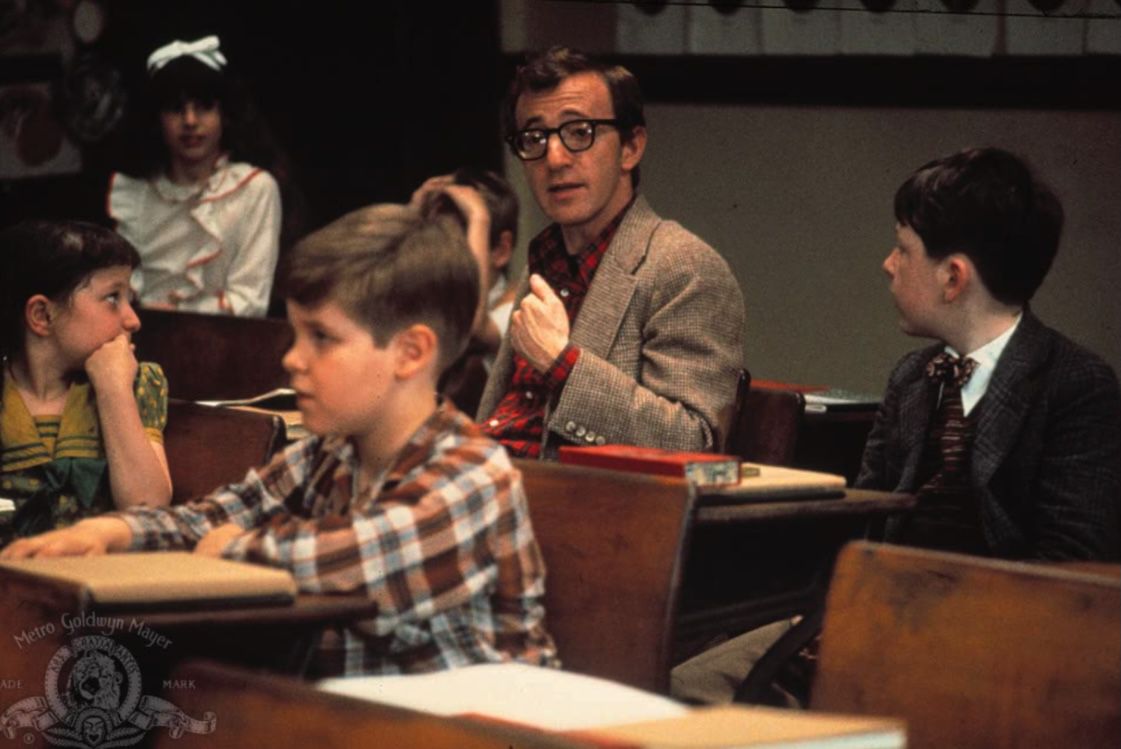
When the 1977 Woody Allen movie played in Germany, it was given the name “Urban Neurotic,” which really hits the nail on the head. The only problem, of course, is that the same title would work for almost every other movie Woody Allen ever made, so maybe they should number it?
IMDB / MGM
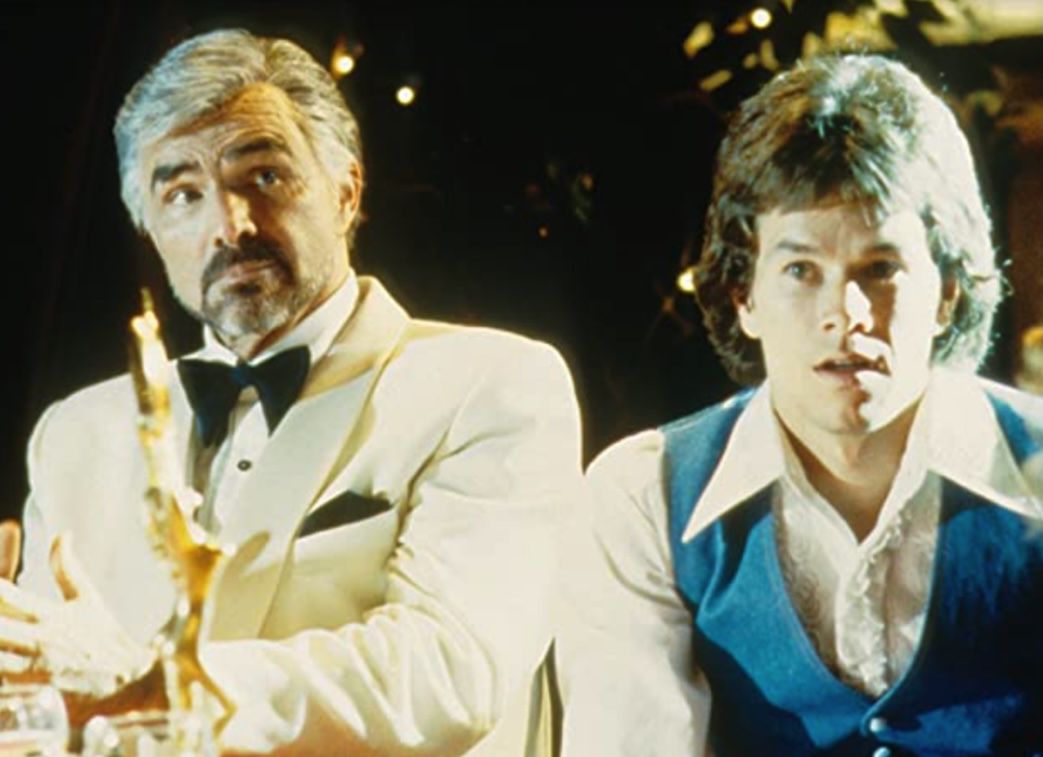
“Boogie Nights” is a 1997 ensemble piece about the pornographic film industry during the 1970s. When it played in China, it was called “His Powerful Device Makes Him Famous,” which is kind of a spoiler-y title when you get right down to it.
IMDB / New Line Cinema
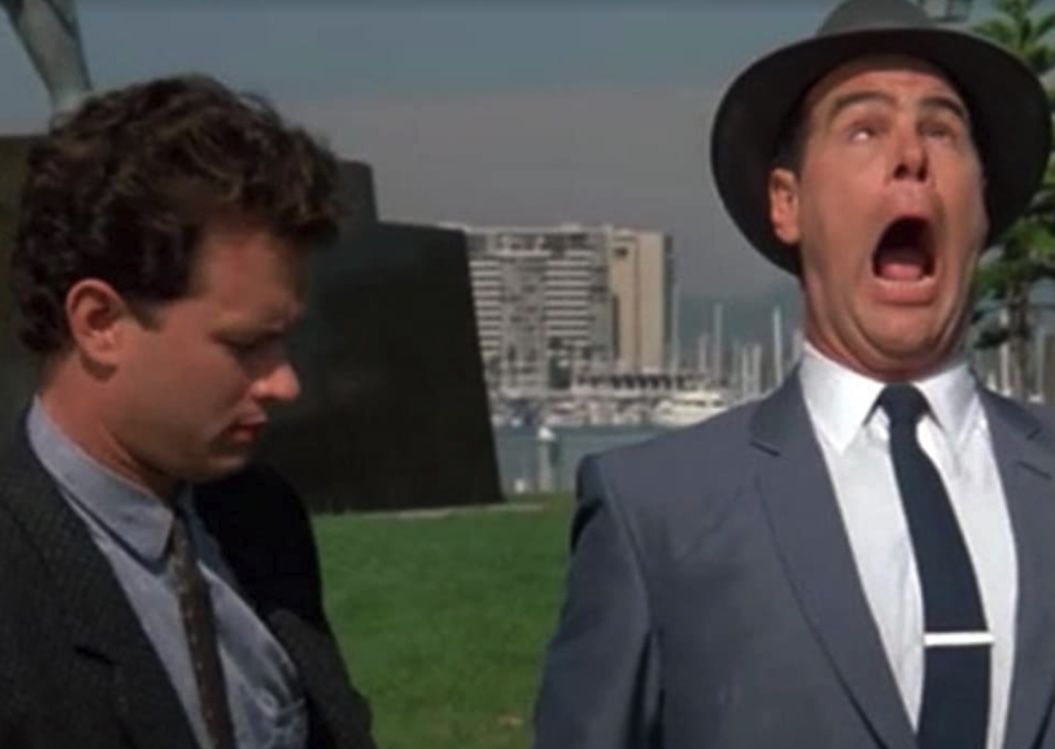
In 1987, Tom Hanks and Dan Aykroyd starred in “Dragnet,” which was both a tribute to and a parody of the 1960s television show of the same name. The movie was not well-received by critics or audiences, but the title it was given in Germany is worth a chuckle – “Floppy Coppers Don’t Bite.”
IMDB / Universal Pictures

The 1999 drama “Girl, Interrupted” stars Winona Ryder as a young woman who is committed to a psychiatric hospital in the 1960s, and it was the breakout movie for Angelina Jolie. In Japan, it received the very technical title, “17-Year Old Girl’s Medical Chart.”
IMDB / Global Entertainment Productions GmbH & Co.
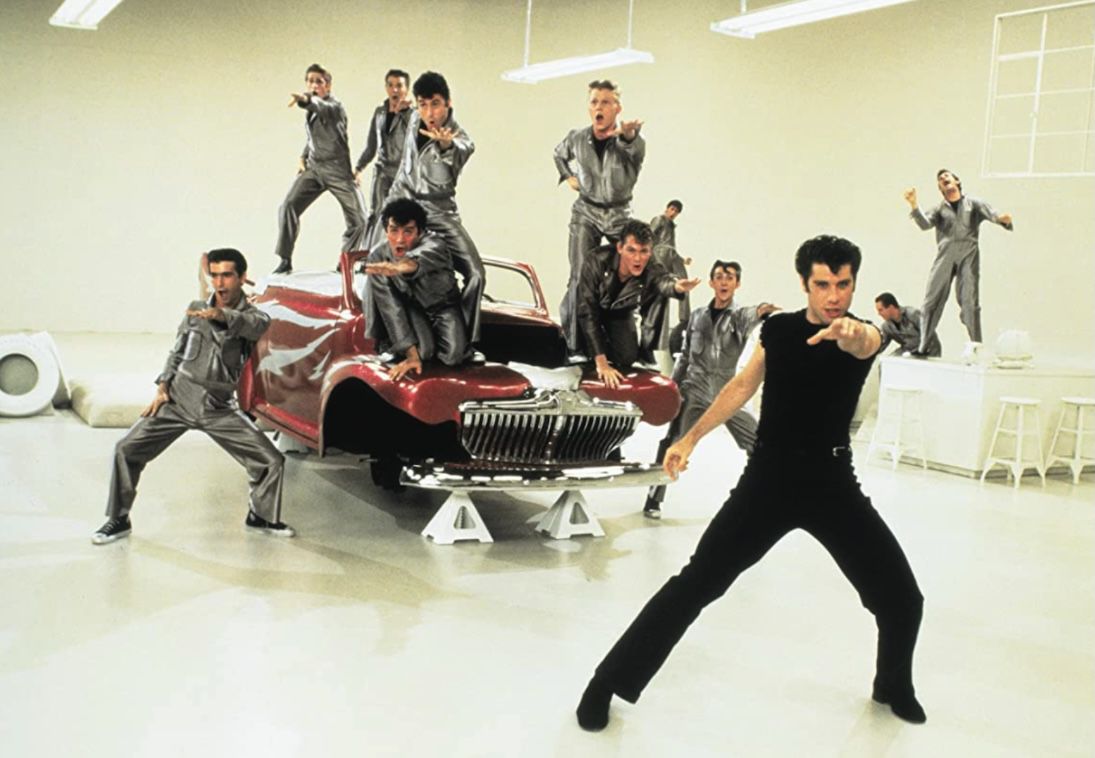
The 1978 musical “Grease” is one of the most popular and beloved movies of all time, but if you want to watch it in Argentina, you’ll have to refer to it by the name “Vaseline.” That seems like kind of a strange translation, but kudos to them for not calling the movie “Petroleum Jelly.”
IMDB / Paramount Pictures
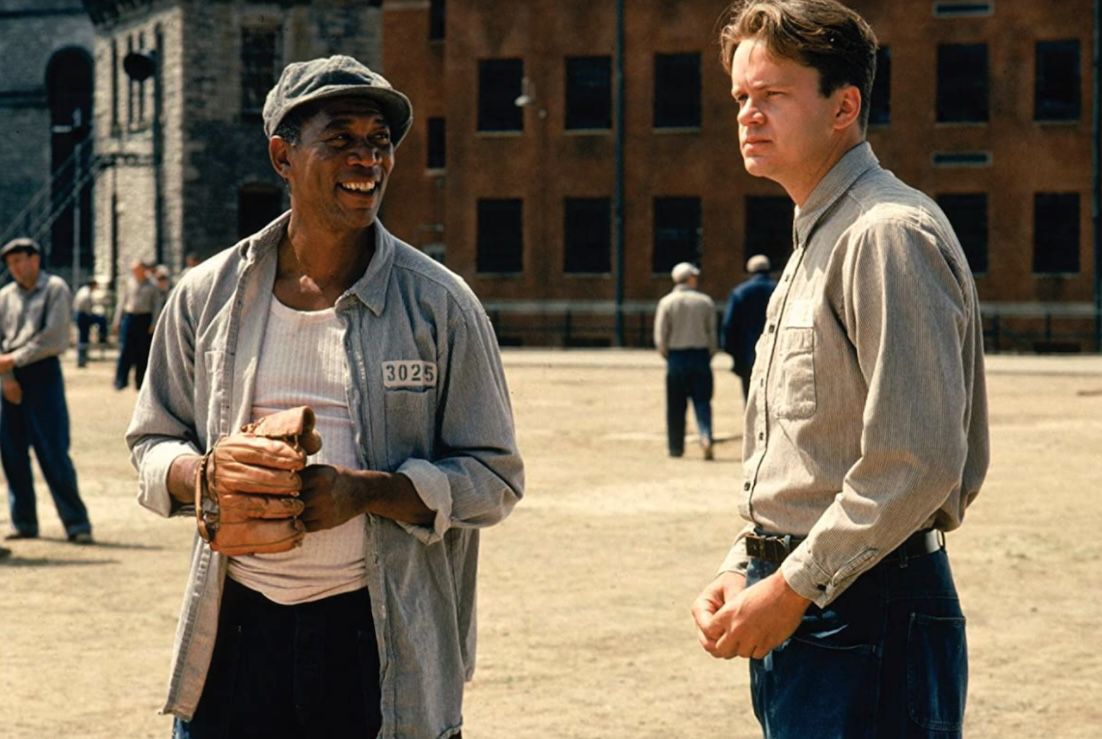
The inspiring 1994 movie “The Shawshank Redemption” is based on a novella by horror author Stephen King, and many viewers have been known to tear up while they watch it. In China, however, it must have hit differently because they gave it the title “Excitement 1995.”
IMDB / Castle Rock Entertainment
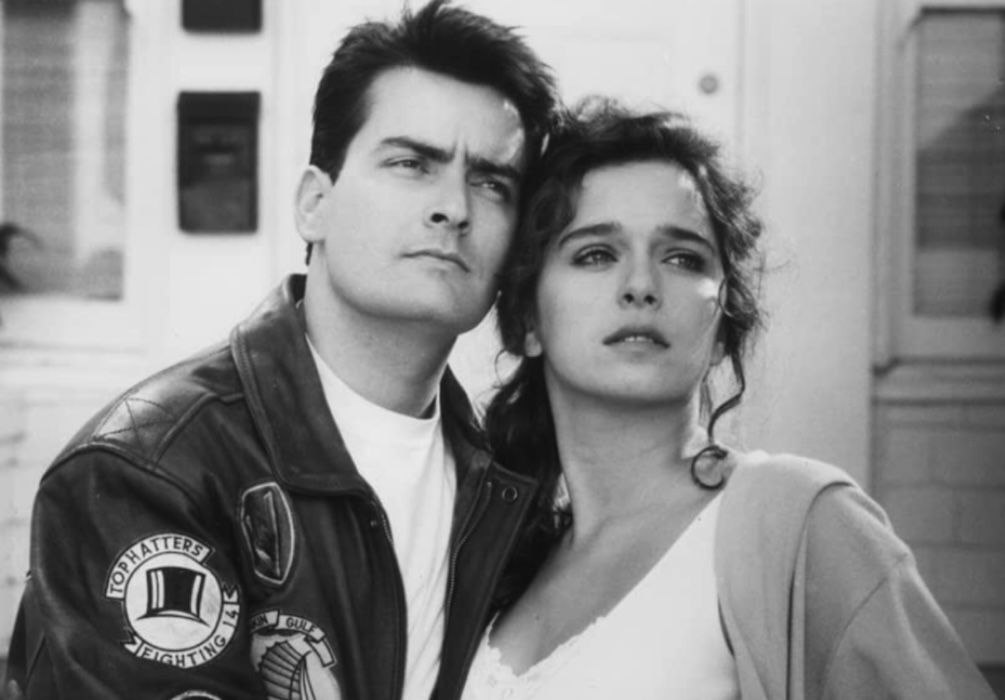
If you want to watch the 1991 comedy “Hot Shots!” while you’re visiting the Czech Republic, you may be disappointed at the results. In that country, the movie was given the significantly less exciting title of “Warm Shots.”
IMDB / Twentieth Century Fox
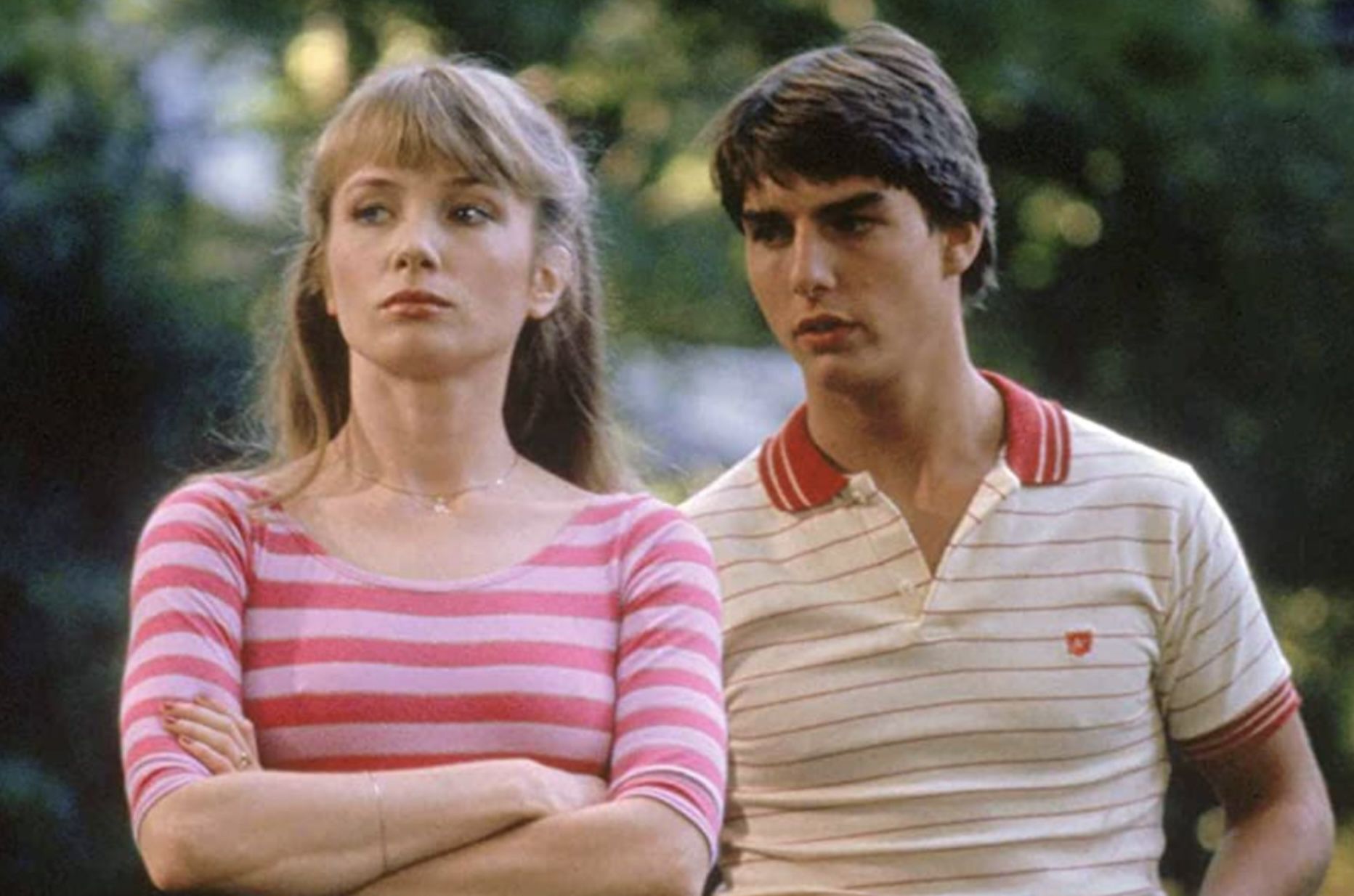
The 1983 teen comedy “Risky Business” is the movie that made Tom Cruise a star. He portrays a college-bound student who hires a prostitute, and when all is said and done he develops an appreciation for capitalism that gets him into Princeton. In China, the title it was given seems to imply that he would have been better off if none of that had happened – “Just Send Him To University Unqualified.”
IMDB / Warner Bros. Ent.
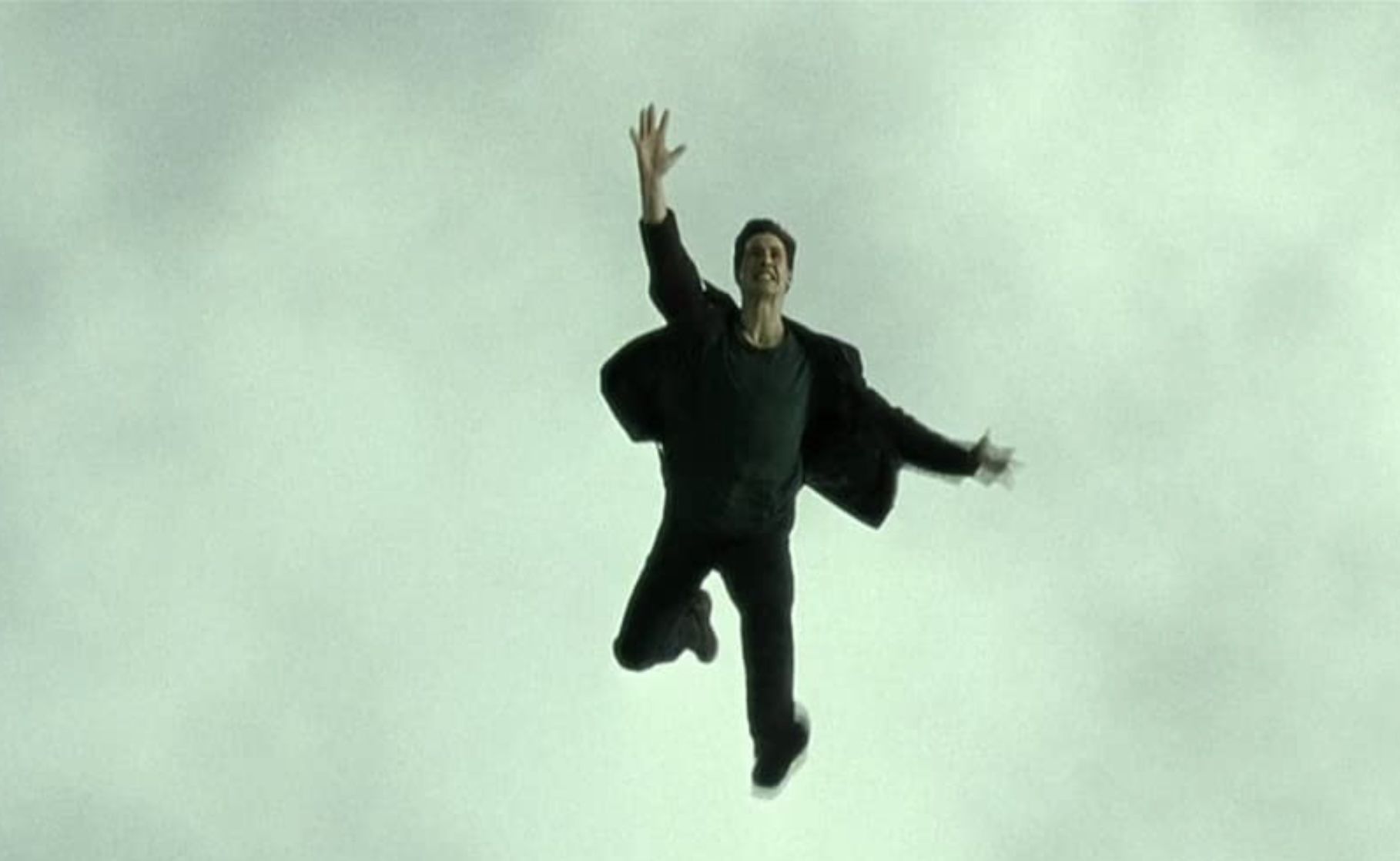
The 1999 science fiction movie “The Matrix” is an influential and revolutionary piece of filmmaking. In France, it received a title suggesting that whoever renamed it might have watched about two minutes of it, because the title that person came up with was “The Young People Who Traverse Dimensions While Wearing Sunglasses.”
MDB / Warner Bros. Entertainment
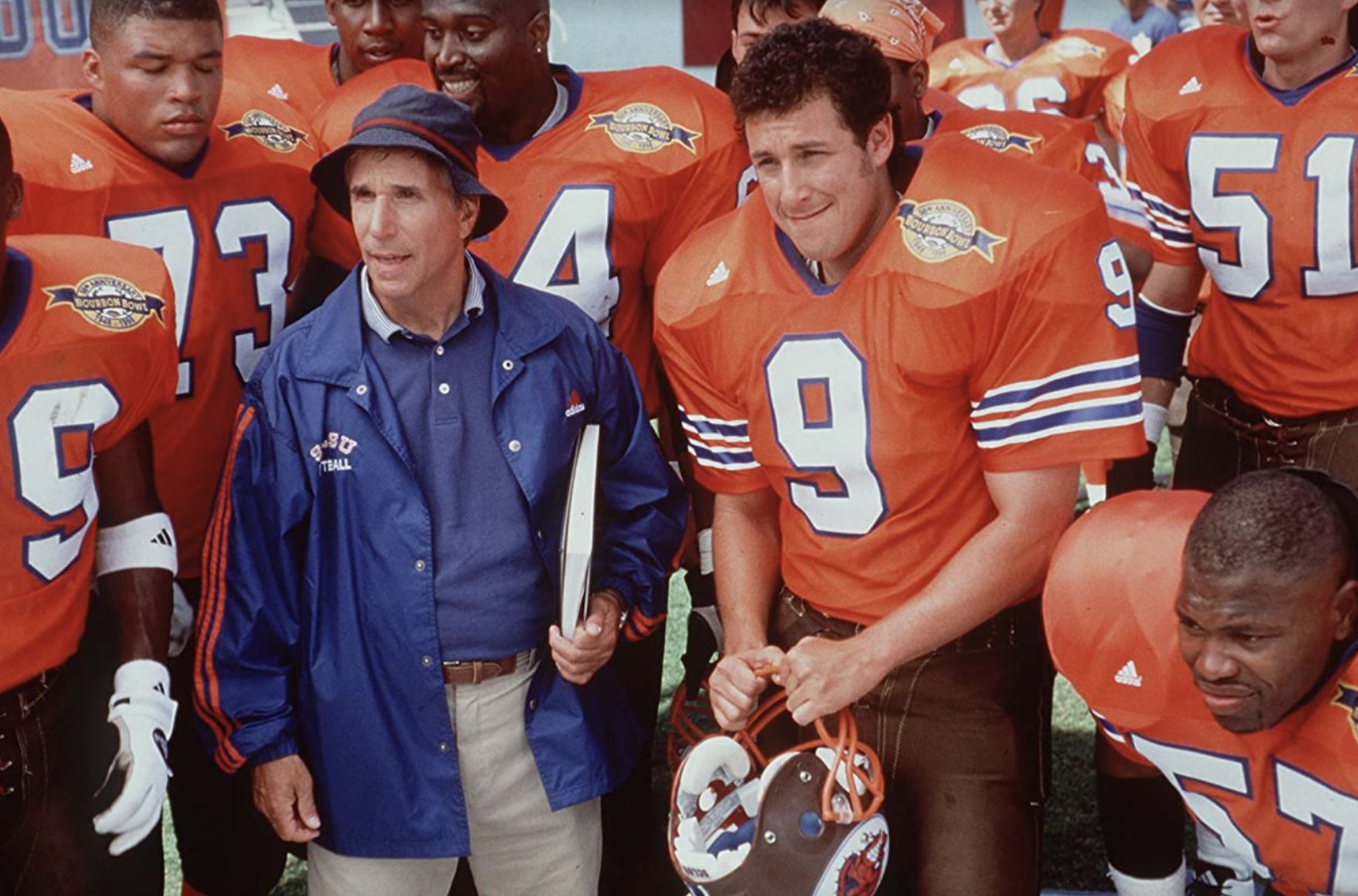
In 1998’s “The Waterboy,” Adam Sandler portrays a person of limited intellect who achieves greatness on the football field. Since there are scant opportunities to watch American football in Thailand, it may not be known that football teams have a designated water boy, which may be why it was given the title “Dimwit Surges Forth” instead.
IMDB / Getty Images

1975’s “Jaws” is a stone-cold horror classic, and it was the biggest blockbuster ever in its time. In France, they called it “The Teeth From The Sea,” which suggests a more laid-back experience than the movie actually provides.
IMDB / Universal
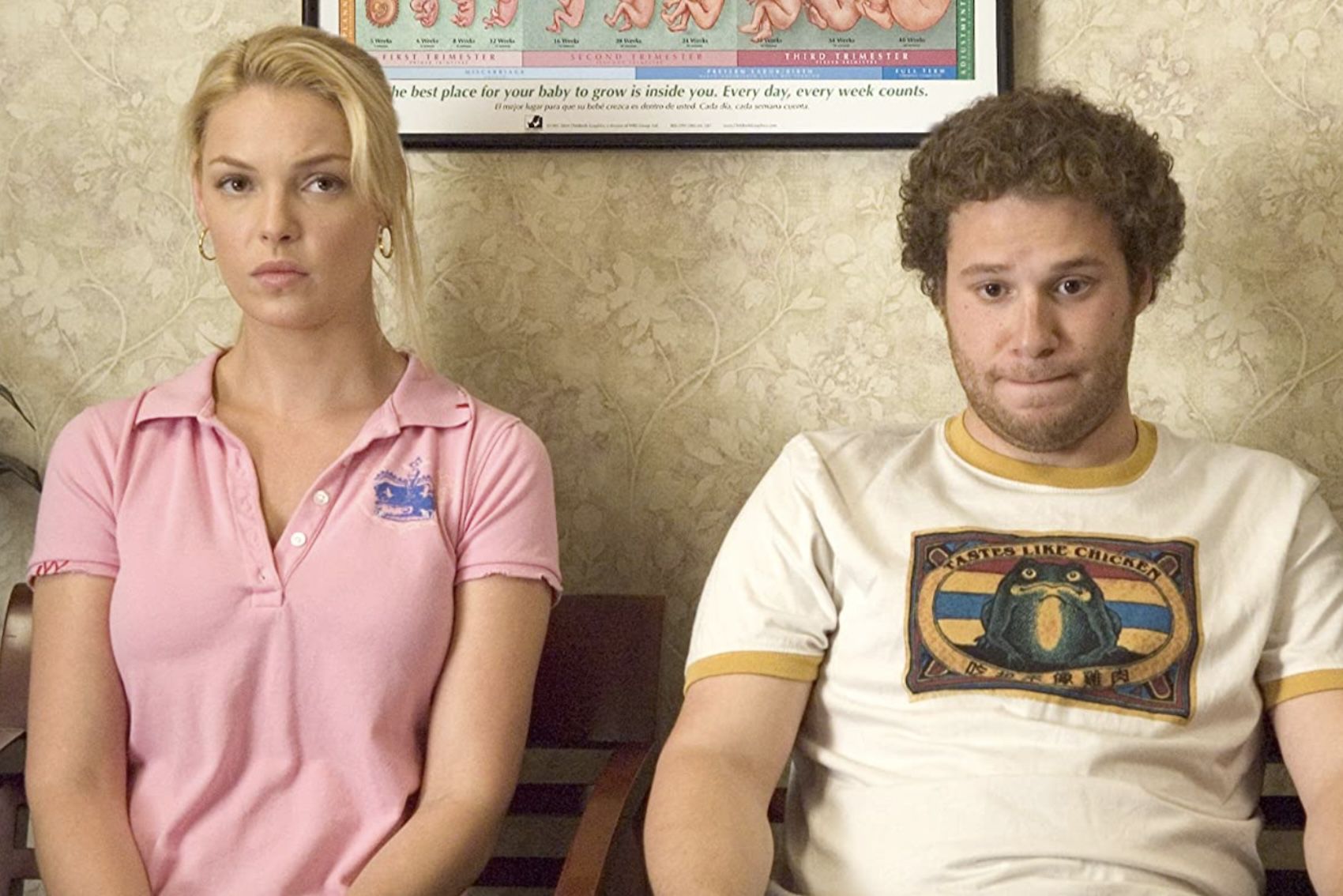
The 2007 Seth Rogen vehicle “Knocked Up” is the story of a goofy, unserious man who accidentally impregnates a woman he meets at a bar while drunk. While his character arc is no doubt fascinating, Katherine Heigl’s pregnant character won the movie the very instructive title of “One Night, Big Belly” in China.
IMDB / Universal Studios
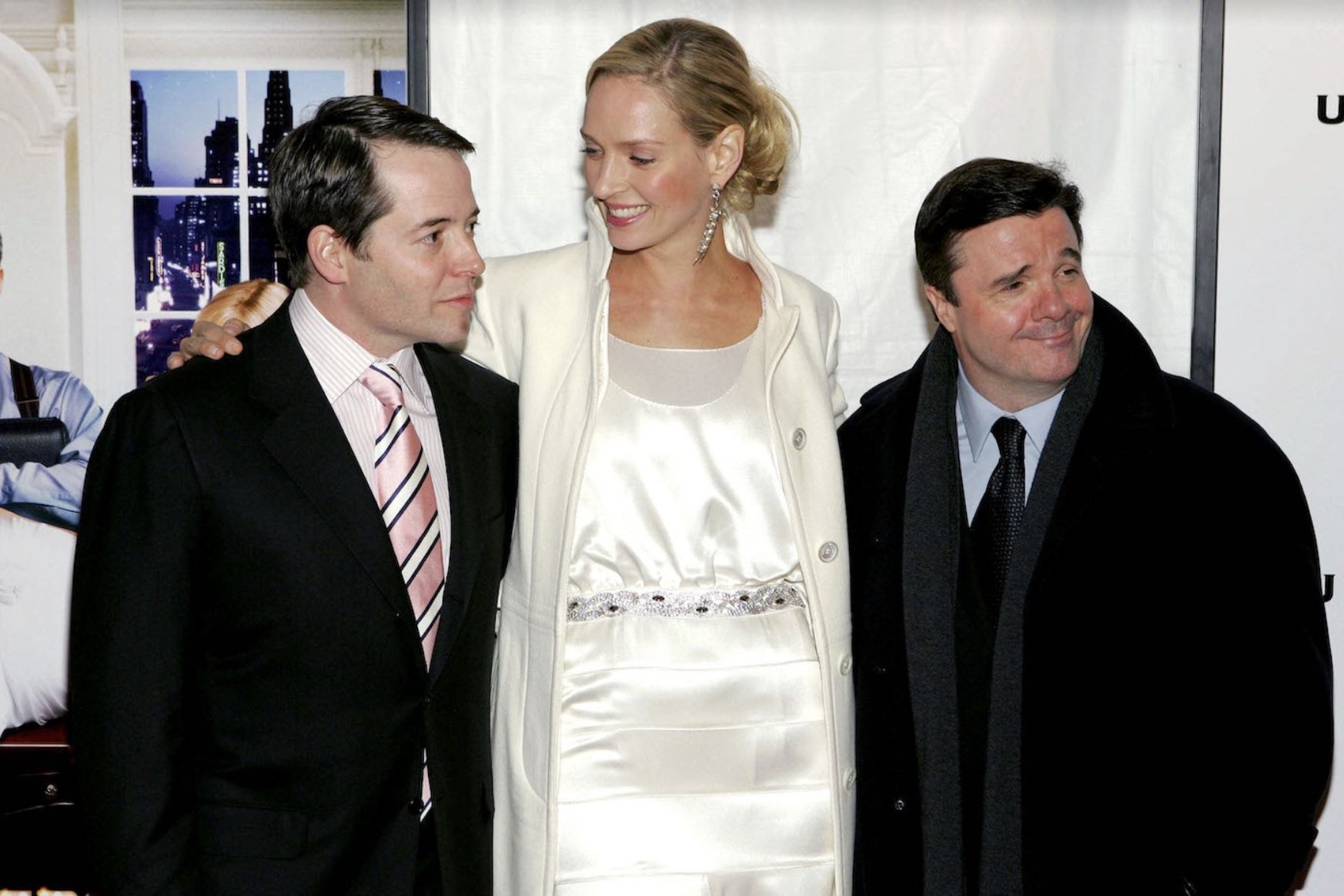
The 2005 version of Mel Brooks’ “The Producers” is based on the Broadway musical and stars Nathan Lane, Matthew Broderick, and Uma Thurman. Despite having name recognition dating back to the original 1967 film, the people who make these decisions in Italy decided that the movie should be rechristened “Please, Do Not Touch The Old Women” instead.
DepositPhotos.com
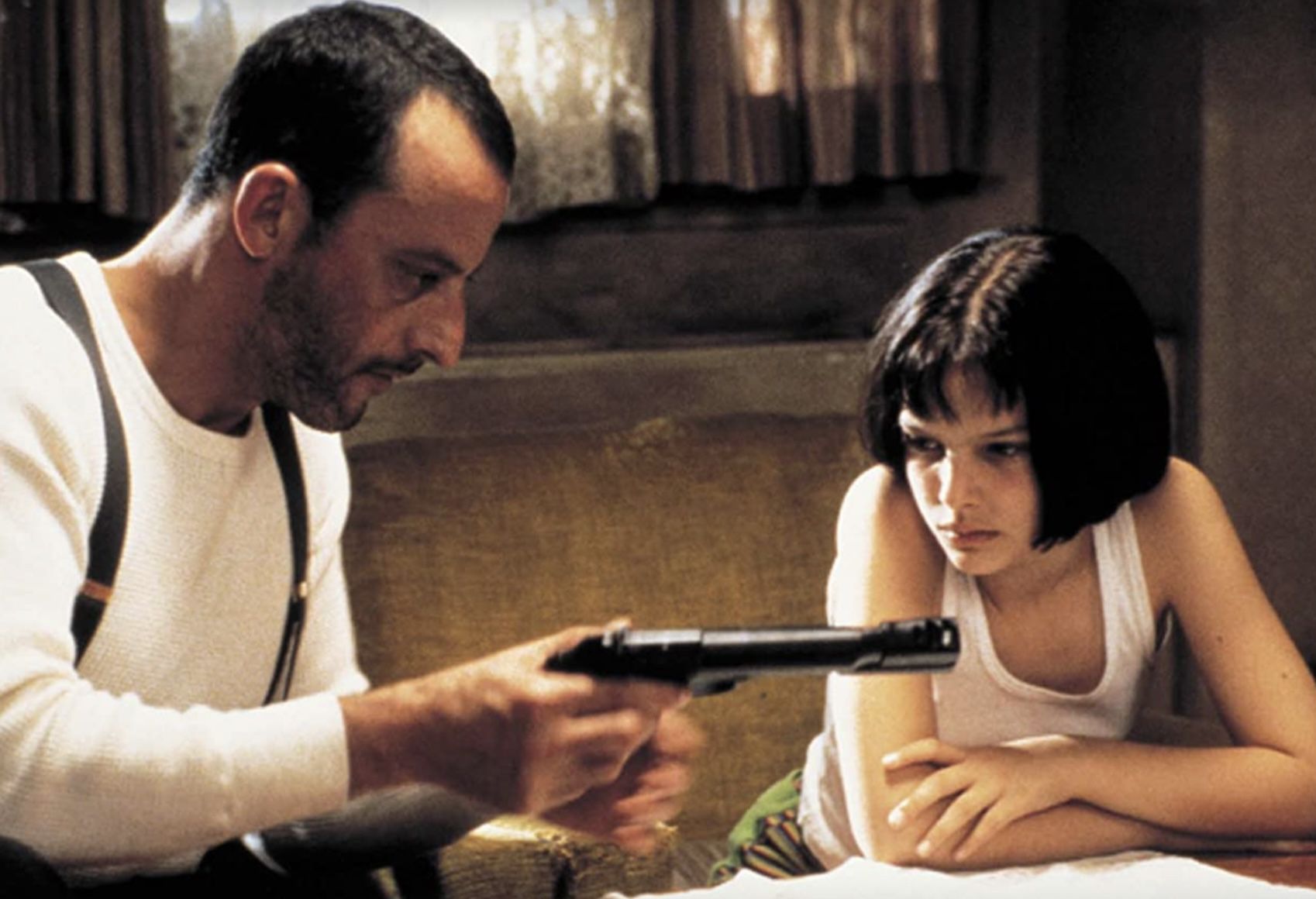
The 1994 movie “Leon: The Professional” stars Jean Reno as an assassin who befriends a very young Natalie Portman. Despite being a cold-blooded killer, he develops a paternal bond with her character, which is the likely reason that in China it was given the name “This Hit Man Is Not As Cold As He Thought.”
IMDB / Sony Pictures Home Entertainment
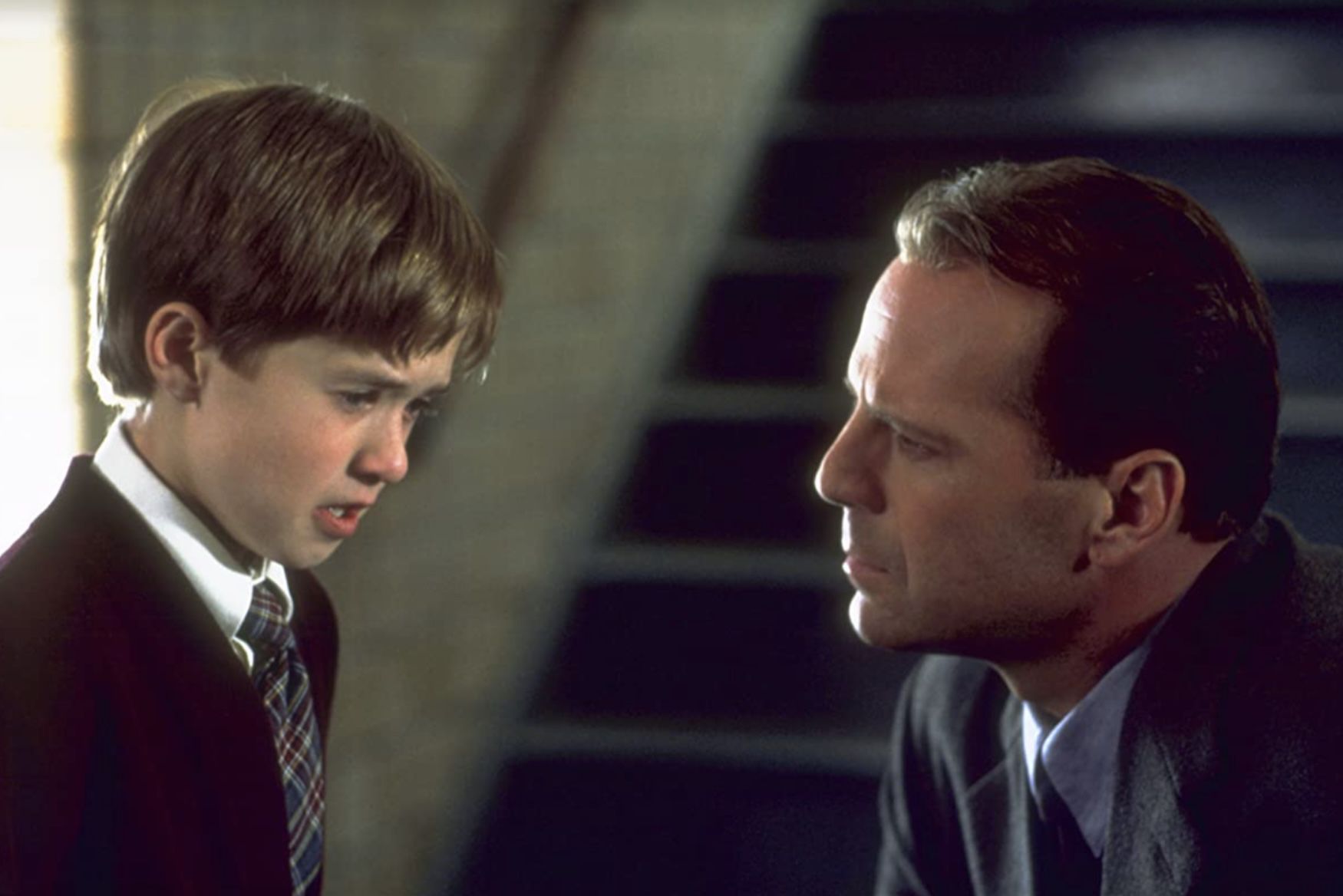
If a movie is more than 20 years old, as in the case of the 1999 Bruce Willis vehicle “The Sixth Sense,” it’s probably safe to say that the statute of limitations on spoilers is over. Still, when the movie played in China, the movie was given the title “He’s A Ghost!” Congratulations, you now don’t need to watch the movie.
IMDB / Buena Vista Pictures Distribution
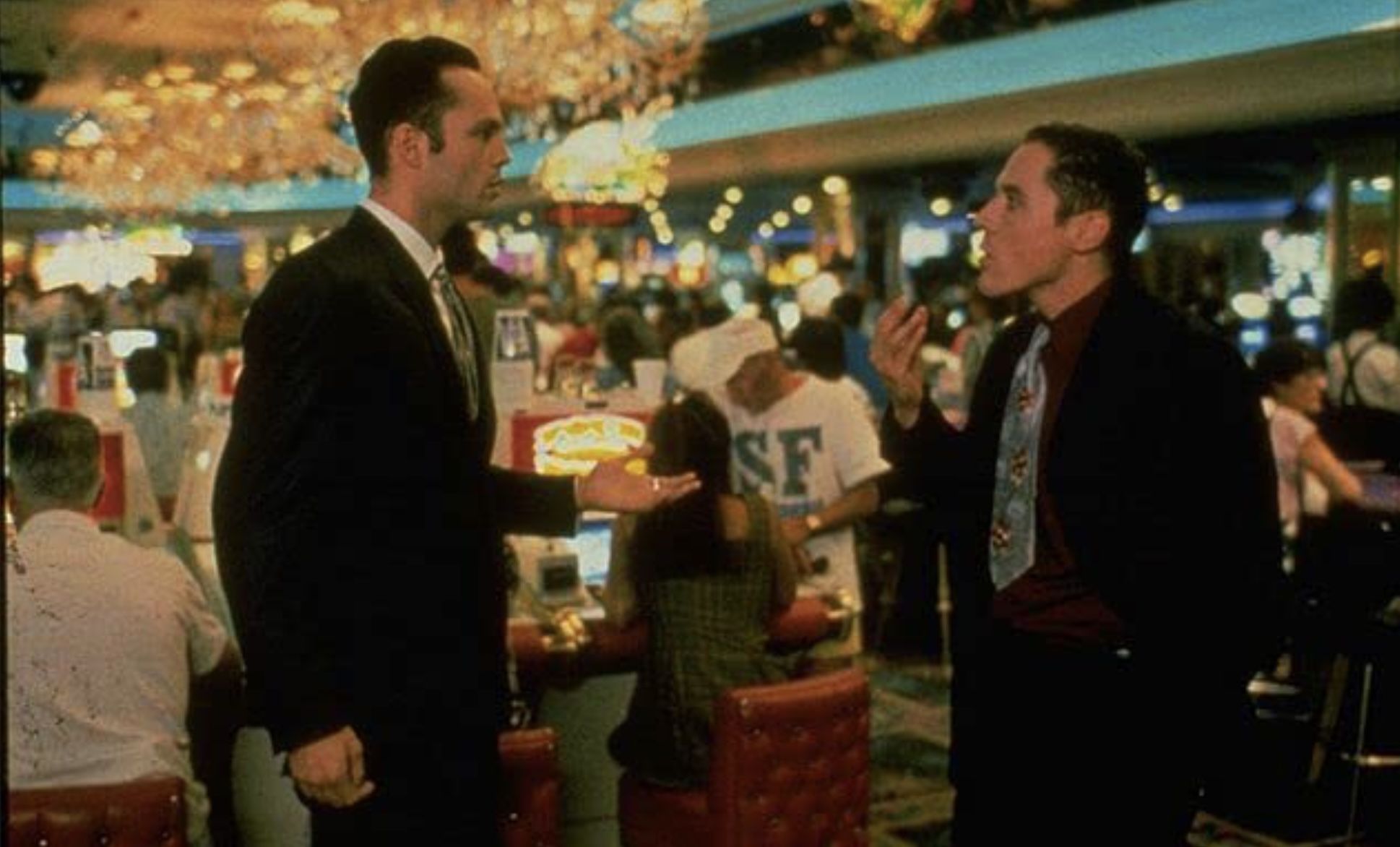
In 1996, Vince Vaughn and Jon Favreau got big career boosts when they starred in “Swingers,” a comedy about the trials and tribulations of a group of womanizing twenty-somethings. When it played in Sweden, it was given a title that was likely a direct translation of one of the lines of dialogue – “Hey, Where Are The Babies?”
IMDB / Miramax

2010’s “Little Fockers” is the third movie in the “Meet the Parents” franchise. A comedy starring Robert De Niro and Ben Stiller, the title it was given in Thailand was “Zany Son-In-Law, Zippy Grandkids, Sour Father-In-Law,” which reads less like a movie title and more like ingredients for baking your very own “Meet the Parents” movie.
More from MediaFeed:
This article was produced and syndicated by MediaFeed.org.
IMDB / Universal Studios & DW Studios LLC
Featured Image Credit: Raffi Asdourian / Wikimedia Commons.