
There are many reasons you might want to refinish a basement: to add storage space for items not needed on a regular basis, to increase the living space of your home with another bedroom or a family room, or even to add an apartment to rent for extra income.
Whatever your reason, you will most likely increase the resale value of your home, and whichever route you take, the cost of finishing a basement will depend on a few main factors.
Related: Pros & cons of buying a starter home
The costs of finishing a basement
The cost of finishing a basement has a lot of variables, as most home upgrades do. Weighing what you can afford versus what you want is critical here. While it might be nice to have all the bells and whistles of a sky-is-the-limit home renovation, there are many things that will affect the bottom line during a reconstruction event.
The national average cost of finishing a basement is $25 per square foot or $18,395 on average for a 400-to 1,500-square-foot basement. This number could rise based on where you live and whether you plan to add features such as custom cabinets or countertops.
Ultimately, the final cost to finish a basement depends on how extensive the work is, as well as the square footage in the planned remodel. You can estimate labor to run between 10 and 25% of the overall basement finishing budget, and general contractors could charge up to $34,000 to do the work.
How to plan your basement project
The first thing you need to think about when finishing a basement is how you primarily plan to use the space. If it’s mostly for storage, you’ll want to include closets, cabinetry and a shelving system in your plans.
Or do you intend to use it as a bonus room or lounge? If your basement’s primary function is as a gathering space, you’ll want to wire it so that you have internet, cable, and plenty of lighting and outlets.
Due to their subterranean nature, basements also require waterproofing. The below-grade format of a basement demands special attention be paid to exterior drainage, interior surface materials, and air ventilation, in addition to ensuring a safe way to exit the space during an emergency, like an egress window.
With proper planning, it’s possible to mitigate some of the major expenses associated with building below ground, so do your homework before the rainy season comes. Local government code departments often have building standards to guide the process.
As part of your efforts to keep the finished basement dry, you’ll probably want to install a sump pump for extreme weather events. Built into the floor with an automatic pump, sump pumps give peace of mind for when you’re out of town or have an excess of rainfall.
If you’re finishing a basement to use as an apartment or in-law suite, you’ll need added features like a bathroom and kitchenette. Installing both a bathroom and kitchenette can quickly cause the price to mount with the added costs of cabinets, countertops, appliances and fixtures, so weigh the decision to add those features carefully against how much use you think they will truly get. Or consider going the budget route, forgoing top-of-the-line furnishings and appliances, if cost is a concern but you need those spaces to complete your basement.
Budget
How much it costs to finish your basement will ultimately come down to the features you add. According to HomeAdvisor, average costs you might incur finishing a basement includes:
- Sump pump: $575
- Waterproofing: $4,500
- Framing: $1,795
- Insulation: $1,650
- Drywall: $1,750
- Paint: $1,800
- Electrical: $1,325
- Outlets: $1,100
- Lighting: $2,880
- Flooring: $2,950
- Permit: $1,160
Adding a kitchenette can increase your basement costs substantially at $45,600 on average, with both cabinet and countertops factoring into the budget. Installing appliances is also pricey, accounting for anywhere from $1,675 to $23,600 of your cost to finish a basement. There’s also plumbing, wiring, cable/internet and sink installation costs to factor in, too.
If you plan to use your basement as a bedroom, you can expect to pay around $22,200, which includes drywall, flooring, an egress window to make sure the space is compliant with codes, and other features like bedroom furniture.
Other areas where your basement costs may add up include if you opt for high-end materials, if you hire an interior designer to assist in the layout or furnishing plans, or if you add furniture to the space.
How to save money on basement remodeling
There are many ways to save money on basement remodeling, the first being doing the labor yourself. If you’re simply going for a basic basement remodel for storage, this is a project you likely can DIY even without a lot of prior home renovation experience.
You might, for example, want to add corner shelves, install a pegboard system for mounting your tools, or build a wire rack system to store your bulky items — all basement finishing tasks you can tackle yourself without hiring outside labor. If finishing your basement requires extensive electrical work and/or plumbing, however, you’ll likely want to call in a licensed professional to do that work.
If you’re on a tight budget, you might rethink installing a kitchenette or a bathroom, which are where your basement refinishing costs often add up quickly. A budget-friendly option for cabinetry could be purchasing from a resale shop or using old cabinets from another part of your house that you can refresh with an inexpensive coat of paint.
The takeaway
A basement remodel could serve multiple purposes, such as adding living space or storage to your home and providing a common area for your family to use, while simultaneously improving your quality of life and the resale value of your home. There are a lot of considerations to take into account, including keeping an inherently moist environment dry and comfortable, and additional safety measures that you’ll need to factor into the overall budget.
Learn more:
This article originally appeared on SoFi.com and was syndicated by MediaFeed.org.
SoFi Loan Products
SoFi loans are originated by SoFi Lending Corp. or an affiliate (dba SoFi), a lender licensed by the Department of Financial Protection and Innovation under the California Financing Law, license # 6054612; NMLS # 1121636. For additional product-specific legal and licensing information, see SoFi.com/legal.
External Websites: The information and analysis provided through hyperlinks to third party websites, while believed to be accurate, cannot be guaranteed by SoFi. Links are provided for informational purposes and should not be viewed as an endorsement.
Third Party Brand Mentions: No brands or products mentioned are affiliated with SoFi, nor do they endorse or sponsor this article. Third party trademarks referenced herein are property of their respective owners.
More from MediaFeed:
25 fall house projects to tackle this year
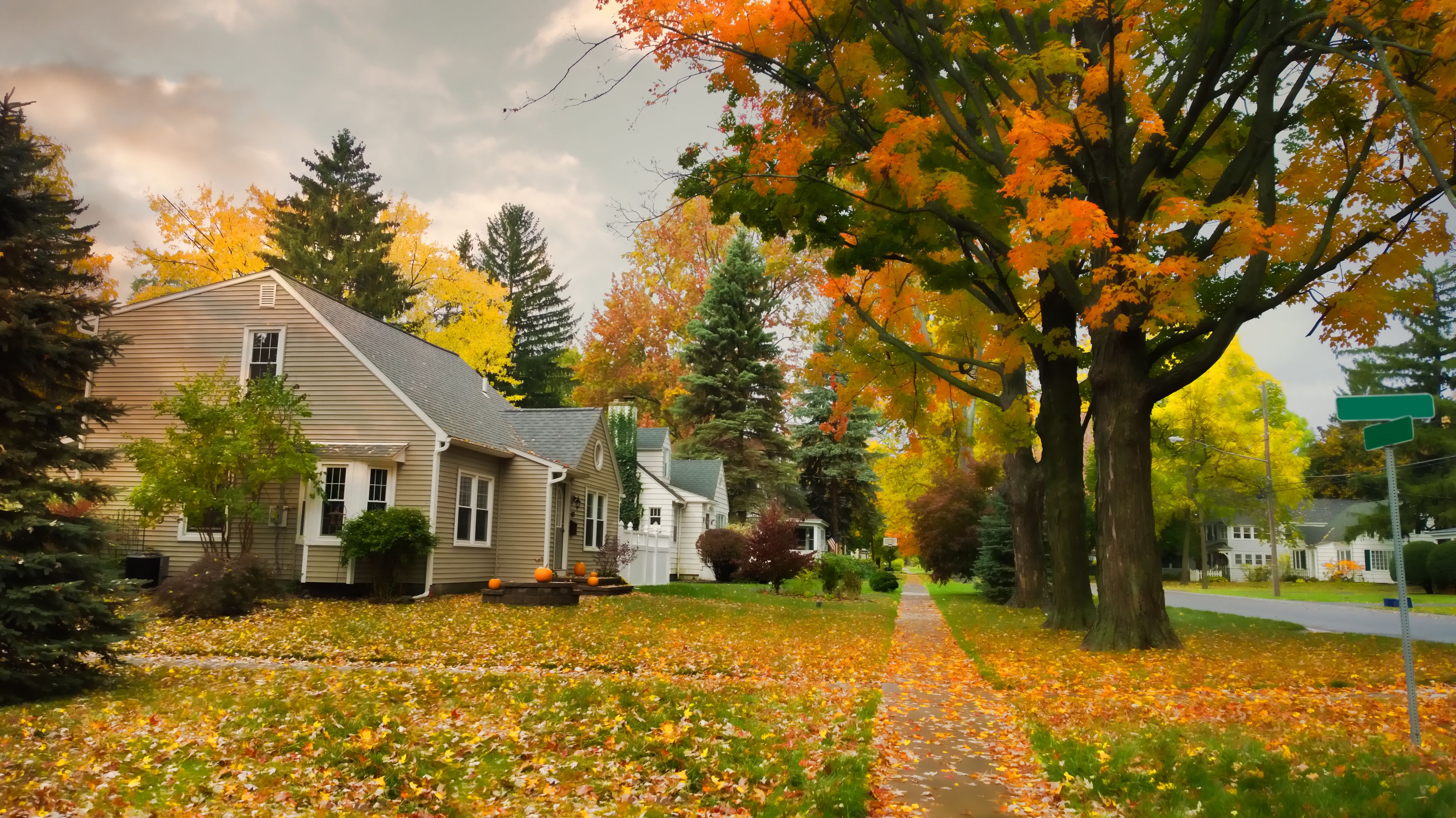
If you own your own home, fall is an opportune time to get your house ready for the winter months ahead. Whether it’s as simple as ensuring your weatherstripping is up to snuff around windows and doors or as involved as replacing older windows or an aging roof, we’ve got you covered.
Here’s a checklist of 25 fall home improvement and maintenance projects that will ensure that your house is snug all winter long.
DebraMillet/istock

It’s easy for cold air to slip in around doors and windows that don’t have sufficient weatherstripping. To keep your ongoing heating costs in check, it’s smart to take a look at all of your doors and windows to ensure the seals are tight. Fixing any issues could wind up saving you some serious money over time.
Zephyr18/istockphoto
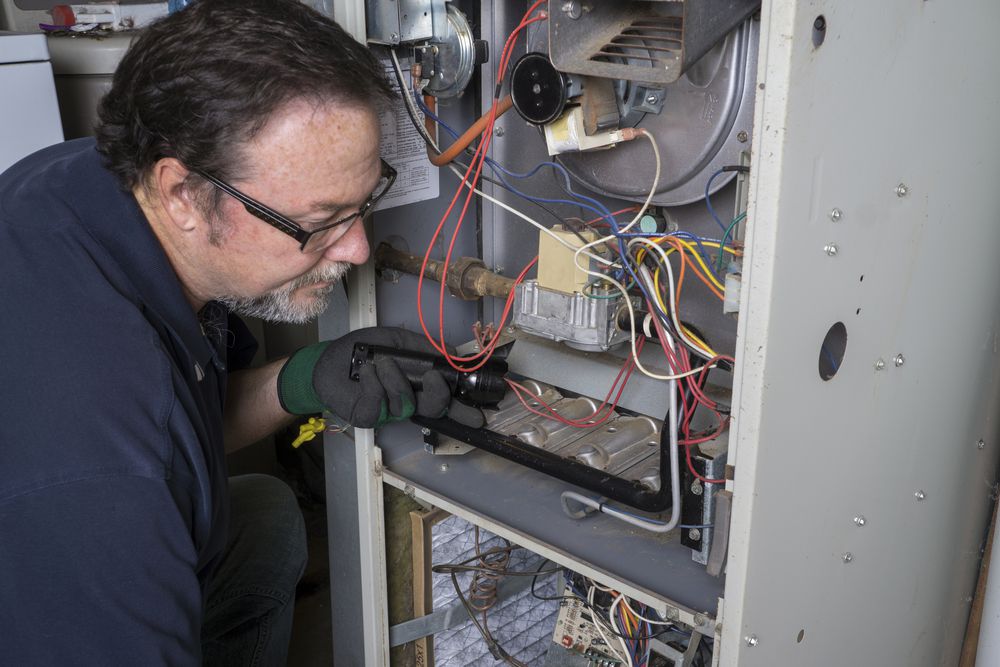
There’s not a lot worse than finding out on the coldest day of the year that your HVAC system needs repairs. Instead of waiting for a problem, it’s almost always a good idea to have your furnace inspected annually.
DepositPhotos.com
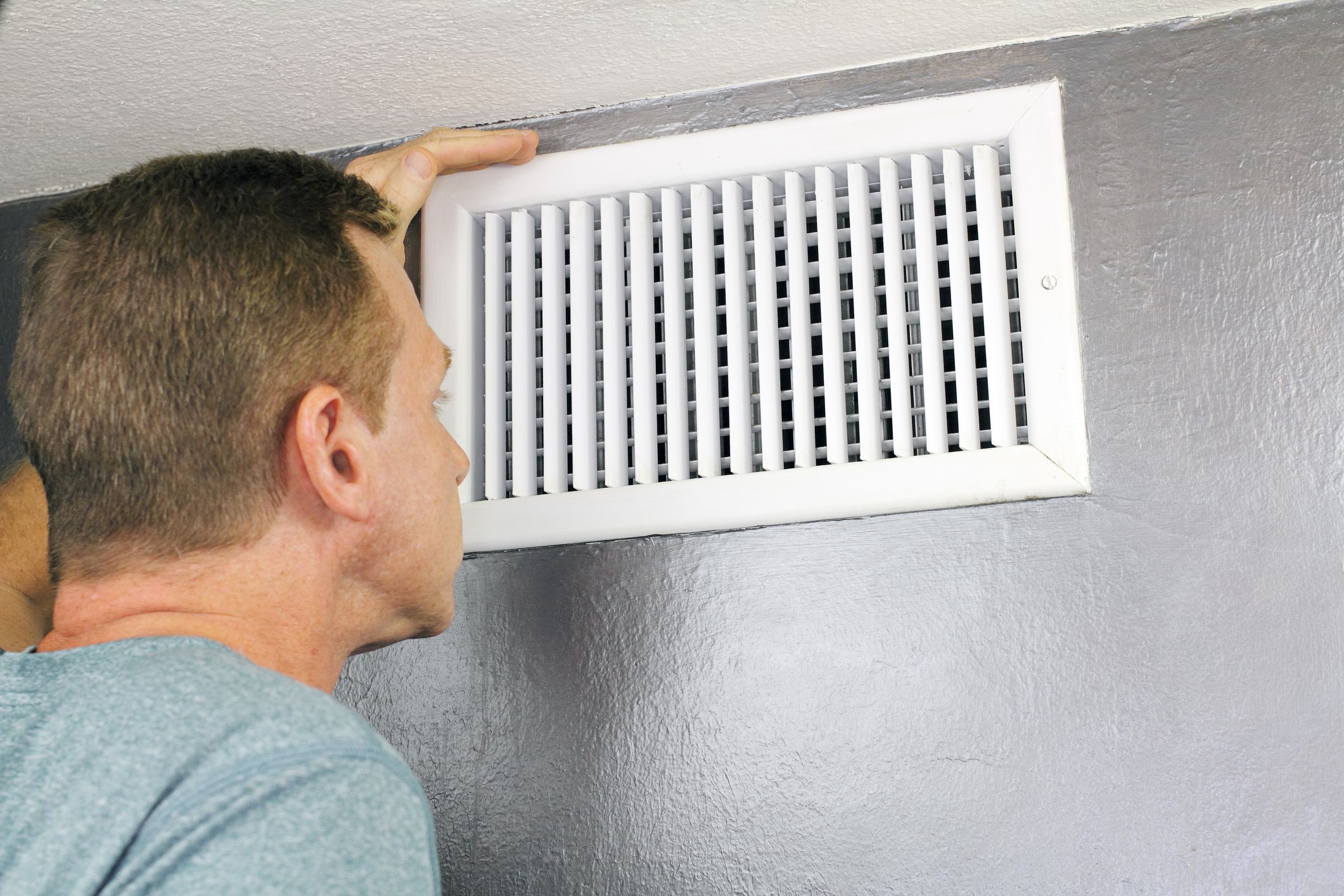
This isn’t something you likely need to do every year, but it is smart to have your HVAC ducts cleaned regularly so the system is operating as efficiently as possible.
Serenethos/istock
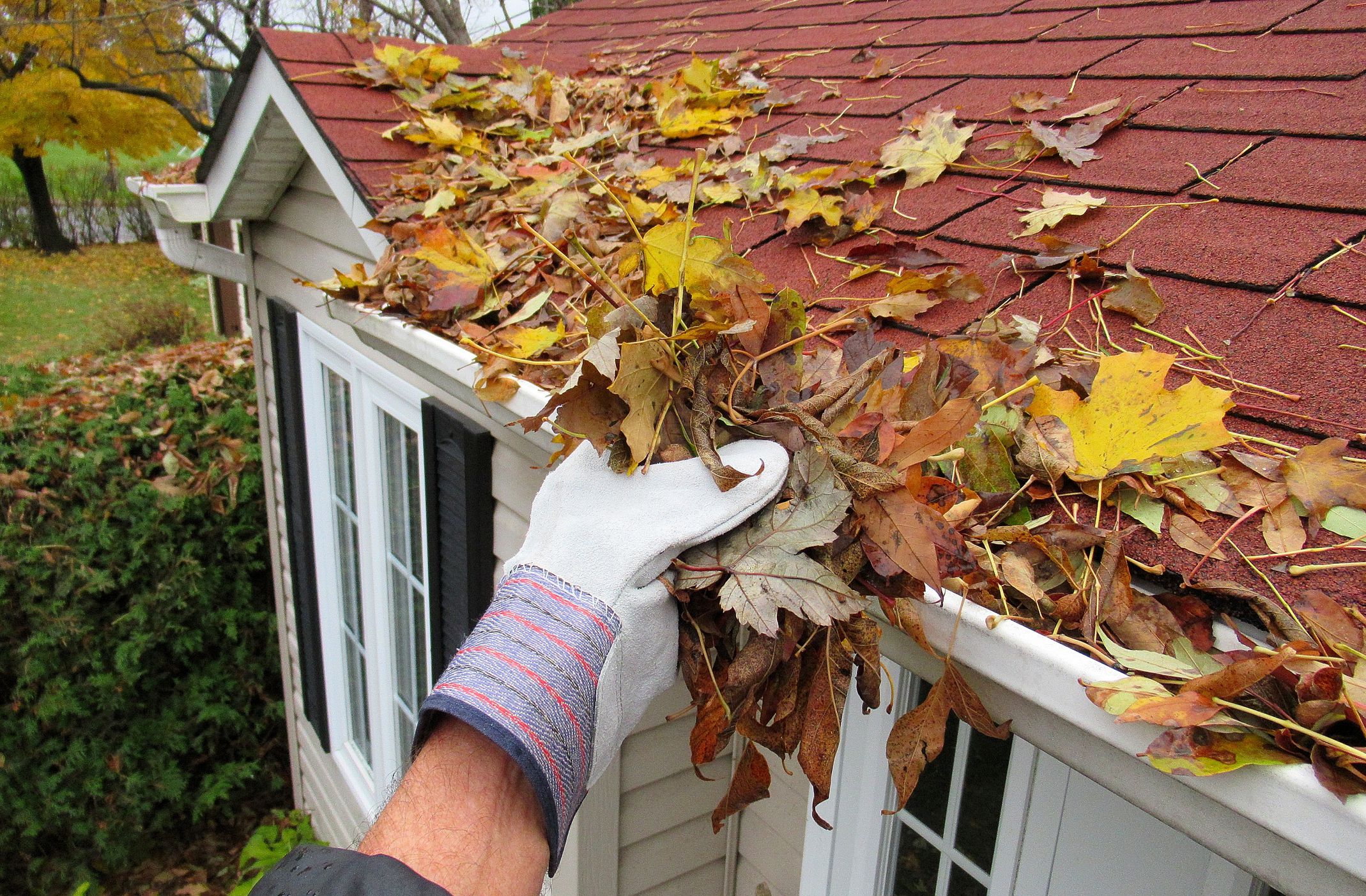
Whether you do it yourself or hire a pro, having your gutters cleaned after the leaves have fallen can ensure that your roofline remains leak-free during the winter months.
ziggy1/istock
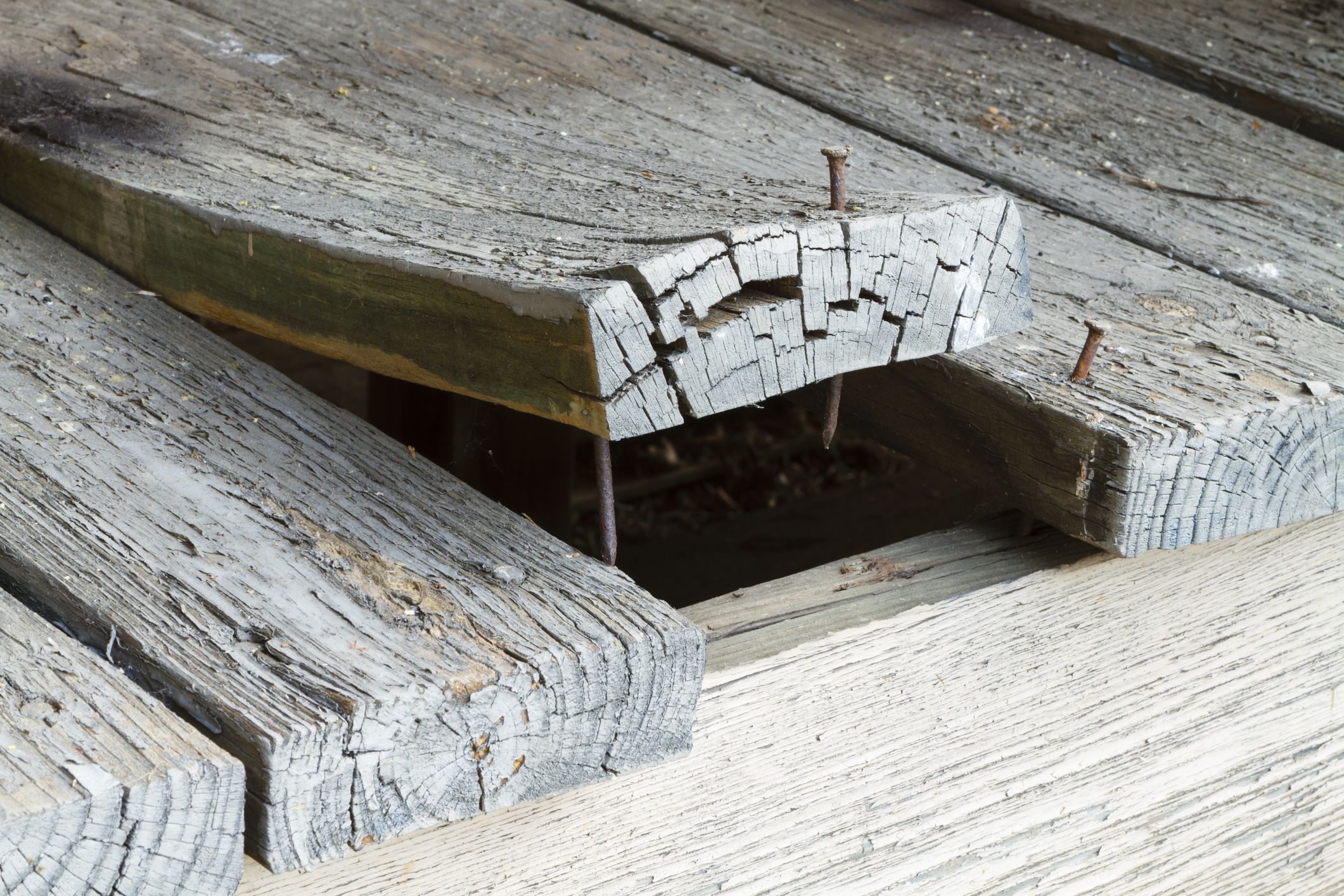
Whether it’s on your deck, around your foundation, or under your gutters, wood that is no longer properly sealed can take a beating during winter months. You can save yourself serious headaches by repairing, replacing or sealing any exposed wood.
ScottNodine/istock

A leaking roof is no one’s idea of a good time and is among the most common home repairs. Having an older roof inspected can help to spot minor problems before they turn into major issues. And in colder climates, some roof repairs could need to wait months for warmer weather before they can take place.
ablokhin/istockphoto

If you’re like a lot of people, you don’t check the insulation of your attic and eaves regularly, if ever. Having the proper depth of insulation can provide most homeowners with significant savings when it comes to heating and cooling costs.
brizmaker / istockphoto

Your lawn will be greener earlier in the spring if you fertilize it in the fall.
Nickbeer / iStock

While you don’t want leaves in your gutters or on your lawn, having them in your garden and flower beds can actually help protect plants against damage from cold weather by insulating them. A leaf bed also provides a home for early insects which help feed migratory birds in spring and spares landfills from tons of waste.
DepositPhotos.com
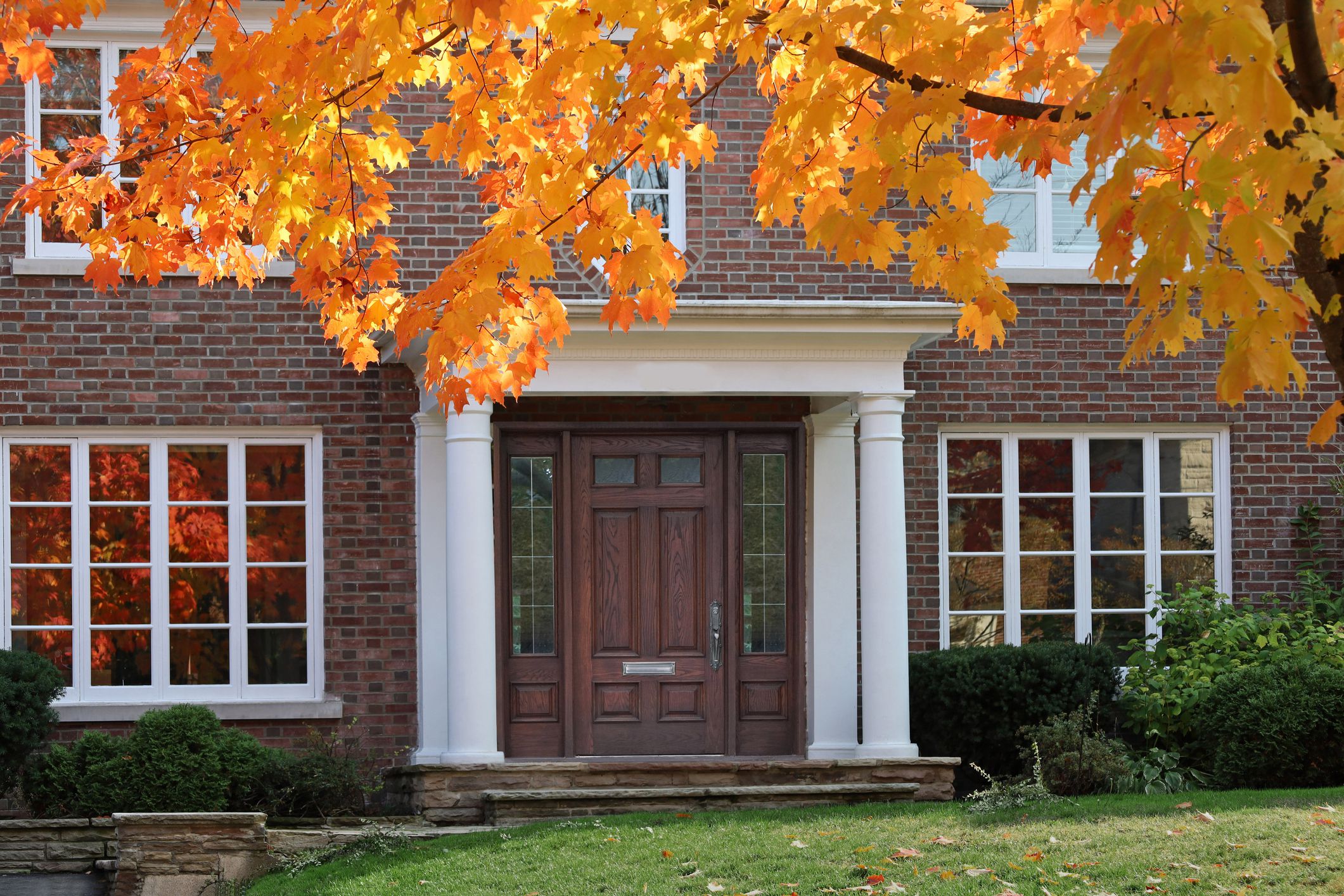
All those pipes and tubes and whatnots coming into our homes often mean little cracks and crevices that insects and even vermin can enter in search of warmth. It can be smart to inspect and seal these crevices before the weather turns significantly colder.
peterspiro/istock

If you live in a cooler climate and you have the storage room, putting your shorts, beachwear and lighter bed covers in storage over the winter can be a nice way to keep closets feeling fresh and organized.
DepositPhotos.com
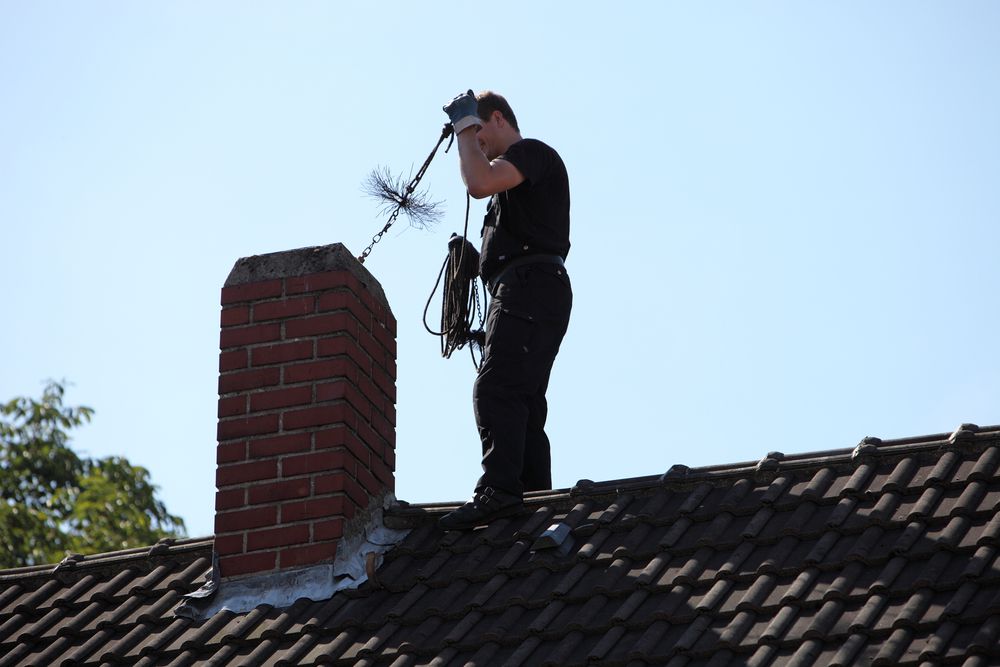
There’s nothing like sitting in front of a roaring fire on a cold winter day — unless, of course, your fireplace is billowing smoke back into your house. You can nip any problems in the bud by having your fireplace inspected and cleaned annually.
DepositPhotos.com
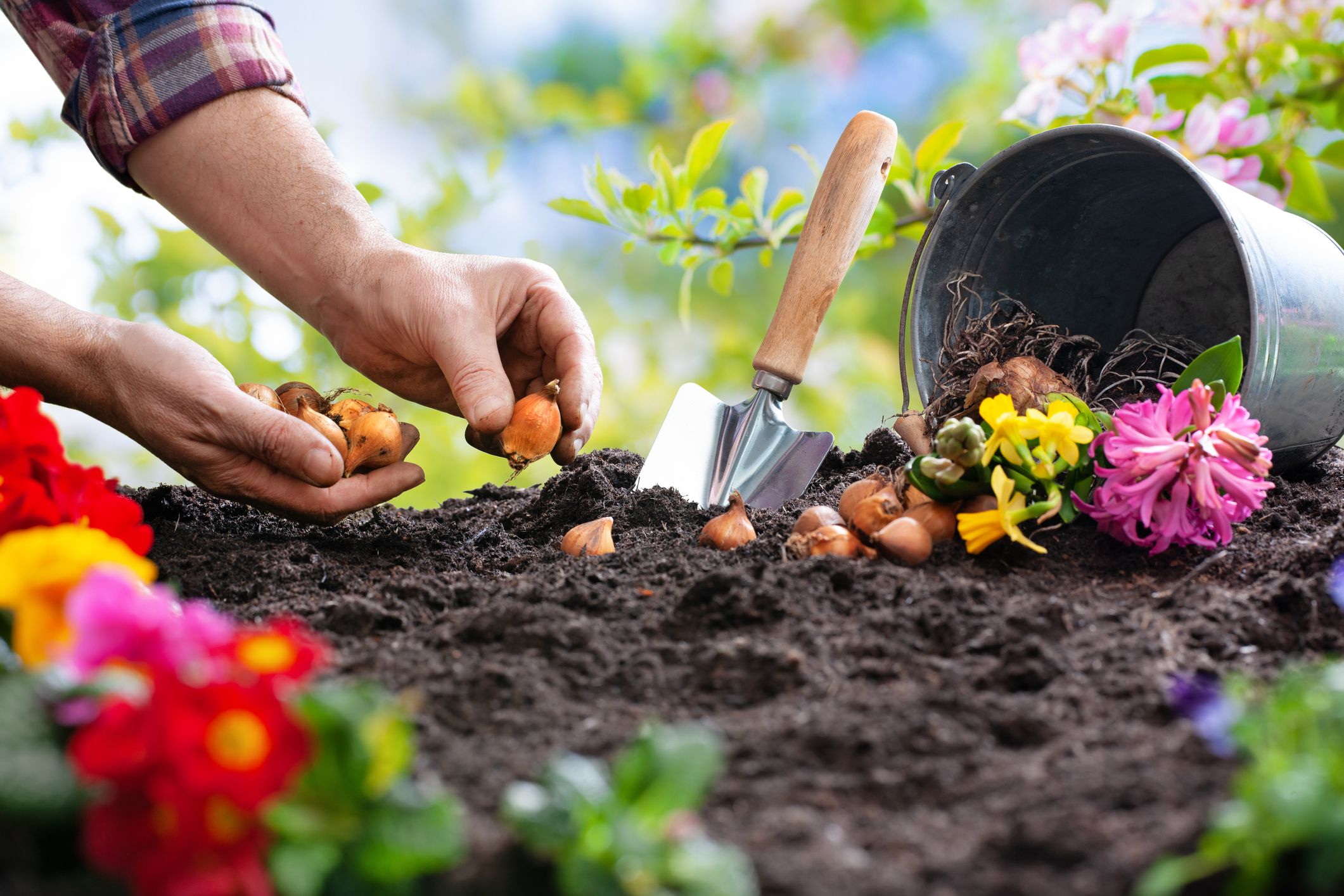
If you love tulips, daffodils, and other flowers that grow from bulbs, now’s the perfect time to set them in your garden. They love a good freeze over the winter.
If you want to add trees or shrubs, you can look up the shipping schedule for your hardiness zone at the Arbor Day Foundation.
AlexRaths/istock

Not only will mulch keep your beds looking neat and tidy during colder months, it can help insulate plants from the cold.
lovelyday12/ istockphoto
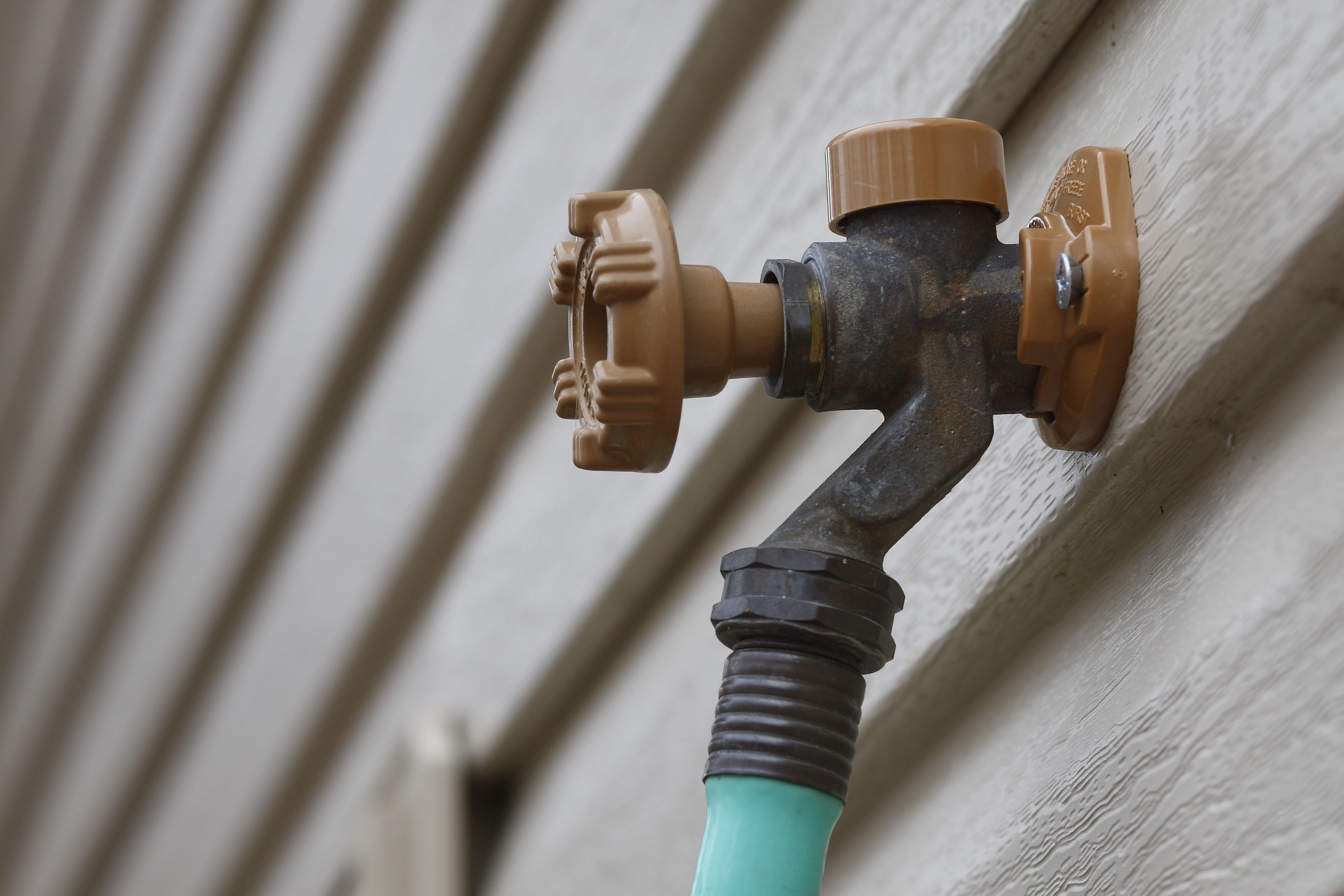
Now’s a great time to check your faucets to see if washers and all other parts are in good working order. And if you live in colder climates, it could be a good idea to install a frost-free hydrant to help protect your pipes against breakage during freezing weather.
tjdowling/istock

This is an easy one to forget. If you have ceiling fans, it’s smart to switch their direction for colder months. By reversing the direction of your fans, you can help to disperse warm air throughout your rooms.
Antonio_Diaz / istockphoto
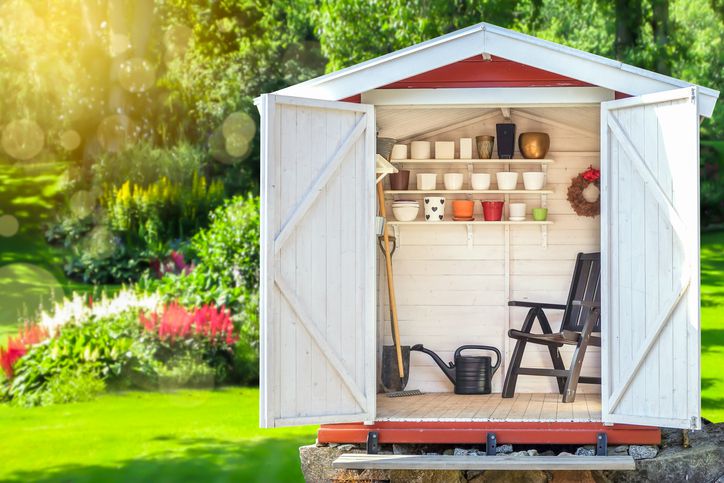
To keep your lawnmower, leaf blower and any other gas-powered tools in good working order, clean them up before storing them for the season.
istockphoto

Pruning can be especially important for flowering trees and shrubs that only flower on new growth. It can also help to ensure that unhealthy branches are removed before heavy snow and ice coat them and possibly break them.
DepositPhotos.com

You’re likely going to be spending a lot more time indoors during the winter months, so why not freshen up your surroundings with a good carpet and rug cleaning? Your allergies will thank you!
AndreyPopov/istock

A lot of people advise doing this whenever there’s a time change, and that can be a really smart way to remember to do it. Whatever your preference, making sure that these appliances are in good working order when you and your family are indoors more frequently can help ensure everyone’s health and safety.
AlexRaths

Covering your outdoor furniture and grill can lengthen their lives.
KatarzynaBialasiewicz / istockphoto

If you live where it snows regularly, it’s smart to go ahead and prepare now. Having your snowblower serviced, buying salt or snowmelt products, ensuring that your snow shovels are in good shape, and lining up a snow removal service are all things you can do now to avoid problems when the snow has begun to fall.
Milan Krasula / iStock

If you’re still living with single-pane windows, it may be time to upgrade. Double- or even triple-pane windows can pay for themselves in just a few years. They can be far superior in keeping out both the cold and heat, thus reducing your heating and cooling bills. The same is true for older doors that may not be well insulated or have single-pane windows in them.
Sergey Kohl/Adobe

It may seem like a little thing, but turning your heat down every night can wind up saving you money. Remembering to do it, however … Why not make it easy on yourself and install a programmable thermostat that remembers for you?
RossHelen / istockphoto

If you’re going to be spending more time indoors, why not make it somewhere you love? A fresh coat of paint can do wonders to spruce up almost any room. And the cost of painting a house is an inexpensive project most homeowners can typically complete in a weekend.
Depositphotos

As the leaves change, it might be time for homeowners to turn over a new … leaf and consider home improvement projects that have gone by the wayside. A seasonal to-do list can ensure that your home is comfy, cozy and safe for winter and beyond.
Learn more:
This article originally appeared on SoFi.comand was syndicated by MediaFeed.org.
SoFi Loan Products
SoFi loans are originated by SoFi Lending Corp. or an affiliate (dba SoFi), a lender licensed by the Department of Financial Protection and Innovation under the California Financing Law, license # 6054612; NMLS # 1121636. For additional product-specific legal and licensing information, see SoFi.com/legal.
Financial Tips & Strategies: The tips provided on this website are of a general nature and do not take into account your specific objectives, financial situation, and needs. You should always consider their appropriateness given your own circumstances.
External Websites: The information and analysis provided through hyperlinks to third party websites, while believed to be accurate, cannot be guaranteed by SoFi. Links are provided for informational purposes and should not be viewed as an endorsement.
Ladislav Kubeš
Featured Image Credit: PC Photography / istockphoto.