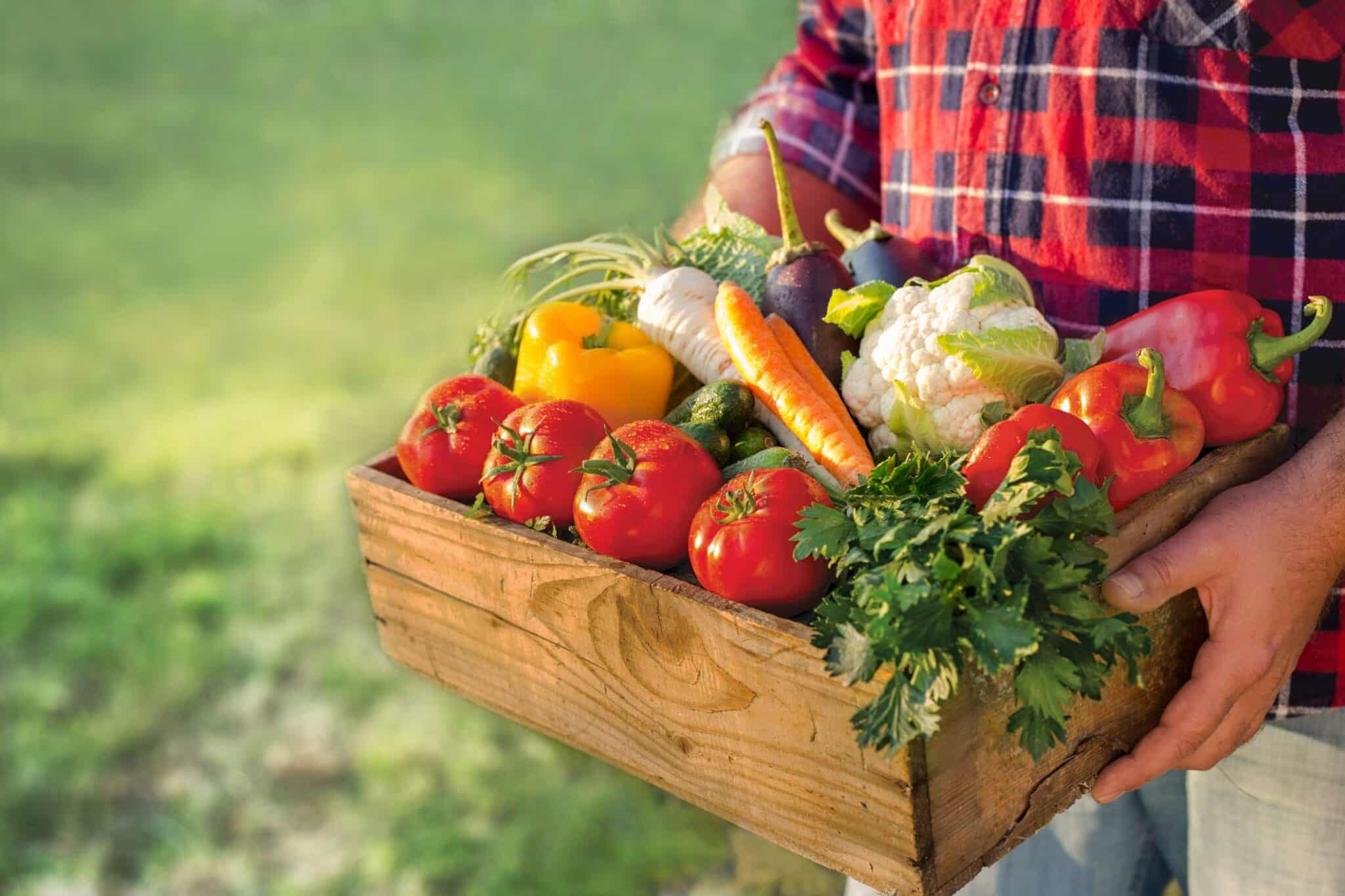
The health benefits of veggies are well-known. They’re low in calories and filling, while also providing tons of vitamins and minerals.
However, getting your recommended daily serving can prove difficult, especially when you’re short on time or just not that into vegetables or you are feeding a family on a budget!
Luckily for you, there are quite a few ways to sneak vegetables into your diet without having to resort to making a huge salad or chopping up veggies for a stir-fry every night. So here are some super simple ways you can get more veggies in your diet without breaking the bank!
Image Credit: SuzanaMarinkovic.
Switch to vegetable chips

Have you thought of this one? We all love a good crunchy snack, so why not switch to veggie chips? Chips are delicious and one of the easiest ways to eat more veggies. You can make them yourself or just buy store-bought versions — just be sure not to go overboard!
Always check labels for clean ingredients and serving size. Most brands have around 150 calories per serving, so keep that in mind when you’re noshing away on your favorite vegetable chips.
Image Credit: baibaz / iStock.
Keep frozen vegetables in your freezer
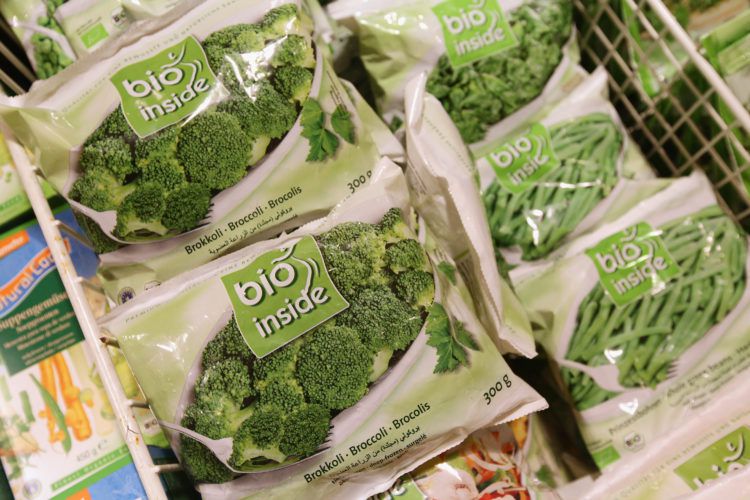
Stock up on frozen vegetables instead of buying fresh ones each week. They last much longer in the freezer about a year for most veggies — and are just as nutritious. This drastically cuts down on your prep time and allows you to add your veggies to almost any meal, even at the last minute.
Frozen vegetables are great in a pinch, but just a word of caution: they’re not all made equal. Some brands add unhealthy preservatives and salt, so it’s best to read the ingredients before picking up a bag from the grocery store. Then, use them in your soups, stews, quick stir-fry meals, and casseroles.
Image Credit: Getty Images | Sean Gallup.
Keep vegetables on had at all times
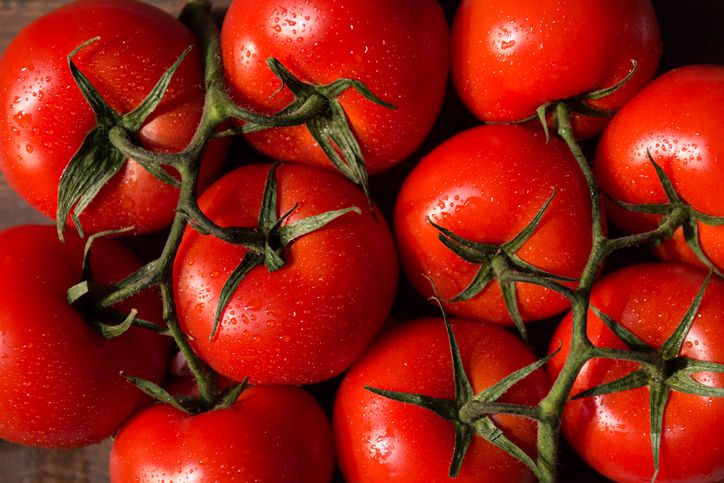
Make it a point always to have a bag or two of carrots, baby corn, cherry tomatoes, snap peas, sugar snap peas, bell peppers, broccoli florets, cauliflower, mushrooms, and cucumbers in your fridge at all times.
Chopped and ready, they’ll make it easy to add some extra nutrients to your lunch or dinner. Also, if they are accessible, then you are more likely to eat more vegetables, so make sure always to have them at hand!
If you don’t like any of these veggies or if you grow tired of them quickly, feel free to switch them out for others. Either way, rotating your veggies is a good idea, as you can rotate the nutrients you’re regularly eating.
Image Credit: Ekaterina Molchanova / iStock.
Make smoothies & juice
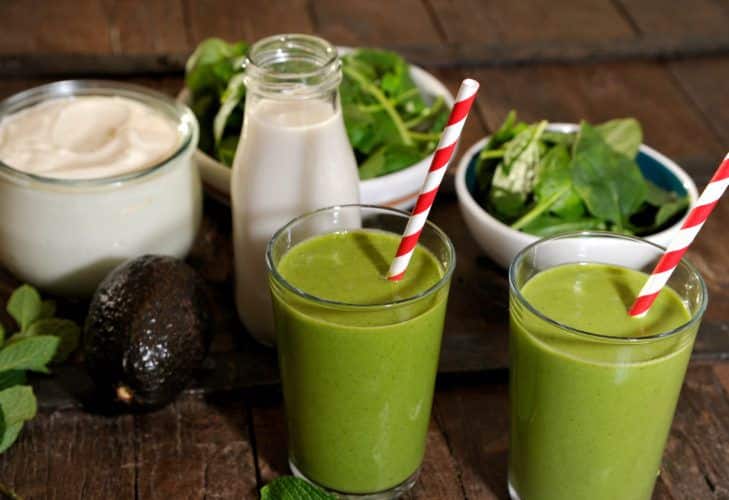
You don’t need to stick to fruits when you’re making smoothies! Instead, you can use vegetables like carrots, beets, or squash. They’ll provide an excellent source of vitamins and nutrients to your favorite blends.
Try juicing them, too! Blend up some celery, pumpkin, or kale, strain the liquid through a cheesecloth, and add it to your morning juice.
When your fresh fruits and vegetables are going a little bad, quickly chop them up and put them in the freezer — you can then use them for smoothies without having to waste any food or spend money on even more fruits and vegetables!
Image Credit: Getty Images | John Sciulli.
Eat veggies as side dishes
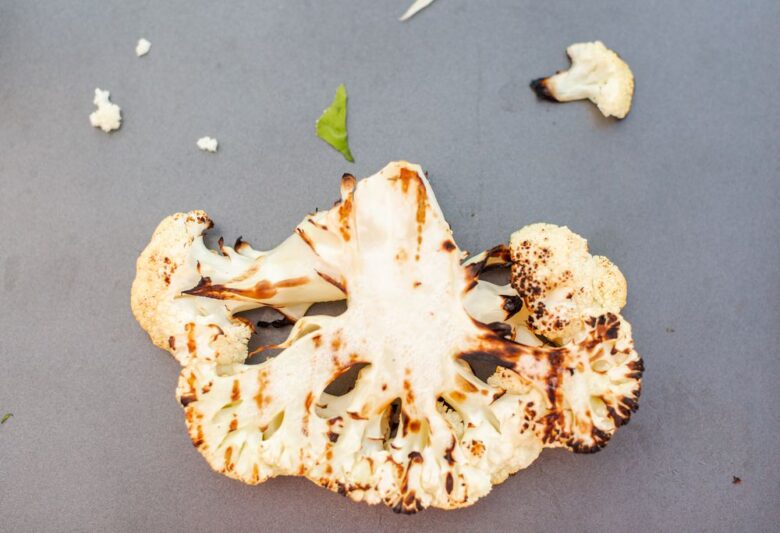
Veggies like cauliflower, broccoli, and cabbage taste great when they’re cooked. When you cook veggies, it softens them up, which makes them easier to chew and digest. It also allows the natural flavors of the vegetables to come through; plus, you get a chance to season them to your liking, enhancing their flavor even further.
Use these as sides to your favorite protein instead of rice, pasta, and potatoes all the time. You’ll load up on nutrients while lowering your calorie count for a waist-friendly meal.
To make this easier to do in a flash, steam your veggies while you’re cooking other things by using double burner stovetop steamers, or microwave steam them for quick service.
This is also a great way to save money on food! Eating more vegetables and cutting down on meat will help you rack up those savings quickly!
Image Credit: DepositPhotos.com.
Add vegetables to your casseroles & pasta dishes

Adding veggies to pasta and casserole dishes is much quicker than cooking them separately. This increases the vitamins and minerals in your favorite comfort foods. You won’t even notice that can of corn or pieces of broccoli in your mac and cheese.
Image Credit: photosimysia / iStock.
Make huge pots of soup

You all know that I love soup! Soups are usually pretty cheap, and you can make them with any seasonal vegetable that is on sale. So load them up with vegetables and enjoy! Make and freeze pots of soup, have them ready to go as a quick dinner idea, and take away that pesky “what’s for dinner tonight” question!
The next time you’re at the grocery store, don’t let your eyes dart down and pass right over the vegetables. Your diet can be improved by including more vegetables in your life; these tips will hopefully help you to eat more vegetables and get more veggies in your diet!
Related:
- The best Dutch Oven recipes to try this fall
- Favorite childhood holiday treats that need to come back
This article originally appeared on A Dime Saved and was syndicated by MediaFeed.org.
Image Credit: JackF / istockphoto.