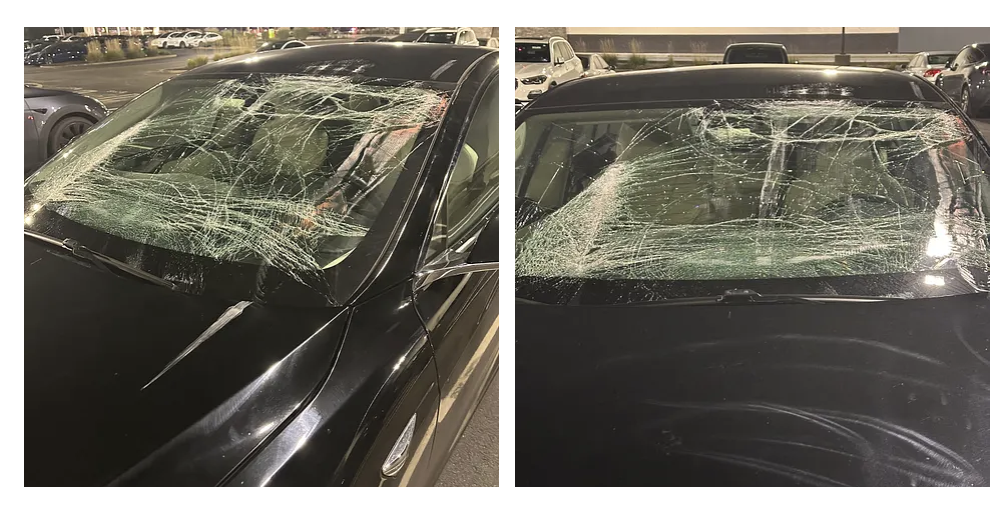
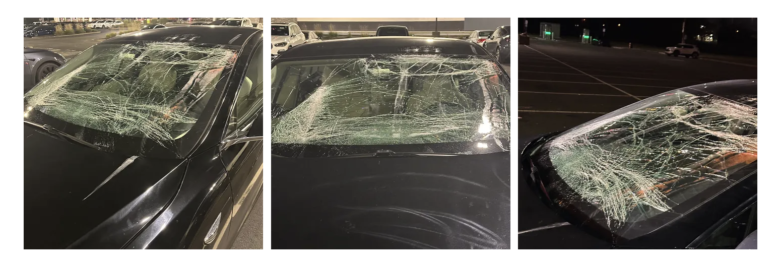
Earlier this month, I hit a temporary barrier on the New Jersey Turnpike while driving home at night with Tesla’s Full Self-Driving (Supervised) engaged.
I’d used the system plenty of times, and until the impact, the drive felt like any other. The windshield cracked badly, but it held, and I was very fortunate to walk away.
What I keep coming back to is how familiar the drive felt.
THE WORK OF STAYING ATTENTIVE
Tesla’s system is Level 2 on the SAE scale. It can steer, accelerate and brake while the driver remains responsible for watching the road and being ready to intervene at any moment. That can be a demanding job on a drive where very little seems to demand your attention. In a small study of Tesla’s earlier Autopilot system, researchers found that over a month of use, drivers got quicker at responding to attention alerts even as they spent more time looking away from the road.
In October, Tesla began calling the feature Tesla Assisted Driving on its European and UK websites after Germany’s transport ministry said the old name was misleading. “Assisted Driving” makes the driver’s role clear. In the United States, it’s still Full Self-Driving (Supervised), and the word in parentheses is carrying a lot of weight.
WHEN THERE’S NO DRIVER TO TAKE OVER
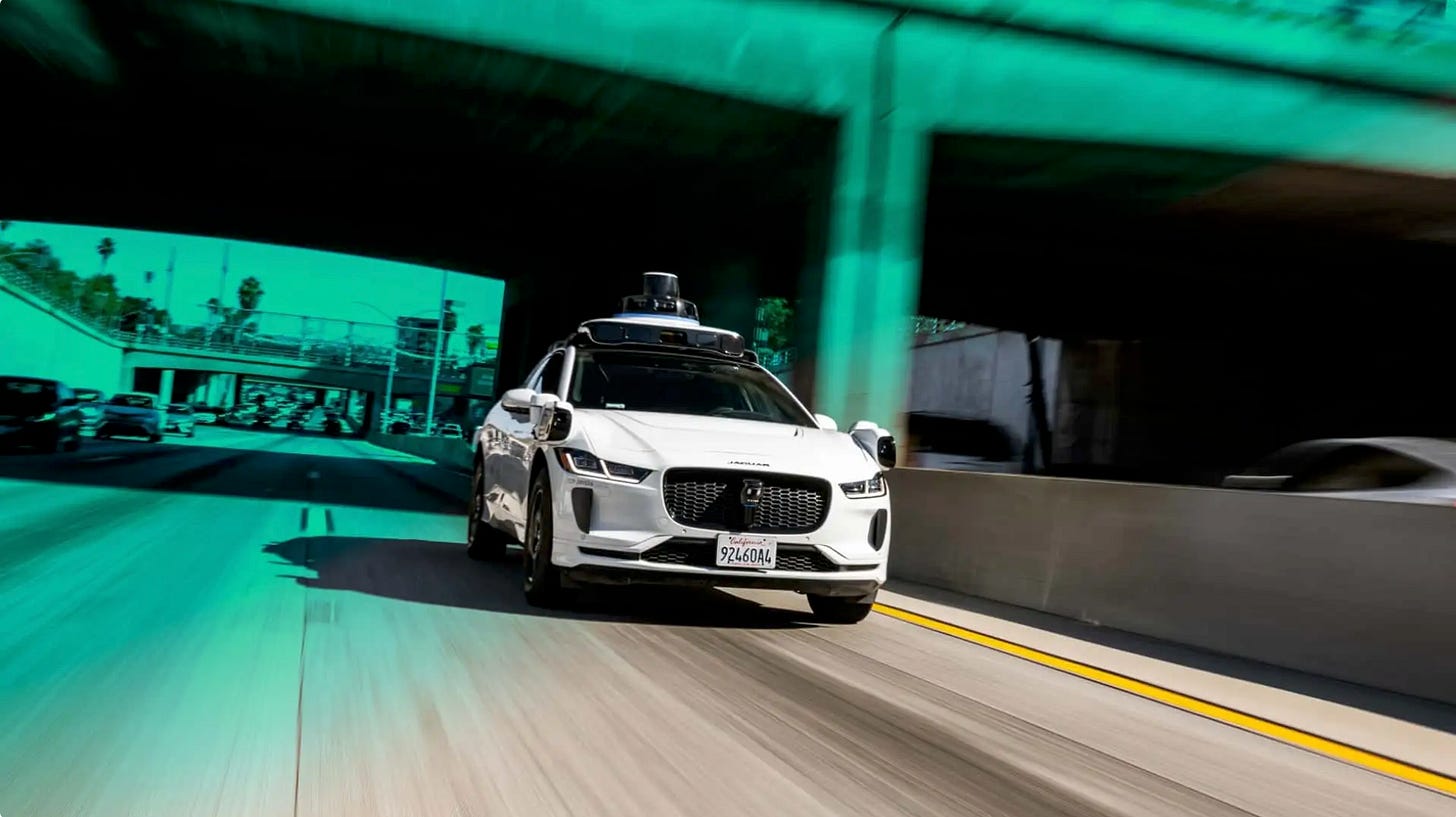
I thought about that distinction as I watched what happened to Waymo last week. In a Level 4 Waymo robotaxi, everyone in the car is a passenger. The system handles the driving within the areas and conditions it was designed for, and if the car can’t continue, no one inside is expected to take over.
On November 17, California’s DMV confirmed it had barred Waymo’s driverless vehicles from state freeways after a series of incidents. Three Waymos had entered an active construction closure on US 101 near Burlingame, and in a separate incident on Interstate 280, another tried to get past California Highway Patrol vehicles conducting a traffic break. Waymo also suspended commercial freeway rides in the other markets where it offered them.
Waymo had already restricted freeway operations in May after construction-zone incidents and followed up in June with a recall covering 3,871 vehicles. On November 20, it disclosed two more recalls, one involving closed freeway lanes and the other involving directions from officers or emergency personnel at intersections. The company said it was still developing a fix for the closed-lane issue.
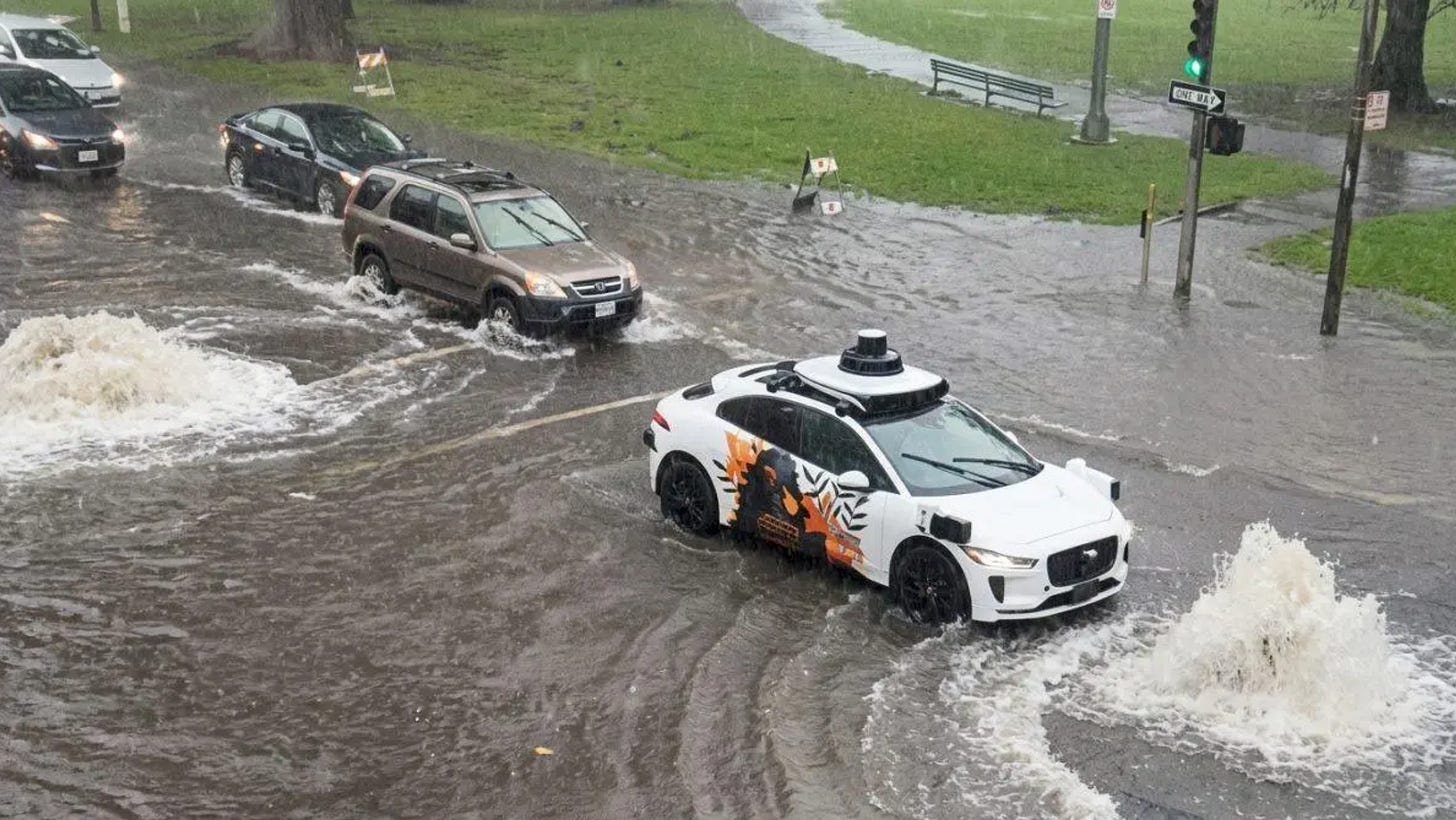
That same week, heavy rain flooded streets across San Francisco. One Waymo stopped in a travel lane on Fell Street with a passenger inside. The San Francisco Chronicle reported that it took about half an hour for Waymo staff to move the car remotely to the right lane. Waymo paused Bay Area ride service that morning and resumed it the following day.
WHAT HAPPENS WHEN THE SURFACE AREA SHRINKS
A temporary barrier, a lane closure and a flooded street all change what it takes to get through a stretch of road. In my Tesla, I was responsible for recognizing when I needed to intervene. Waymo has to build that judgment into the car and into the way it runs the fleet. It has to decide when a car can proceed, when it should pull over and when conditions warrant pausing service altogether.
Those decisions shape the business. When Waymo introduced freeway rides in November 2025, it pitched them as a way to make longer trips across sprawling metro areas more practical. The company can keep running on surface streets during a freeway suspension, but some trips take longer and some destinations fall out of reach. California’s DMV says Waymo will have to show that its corrective actions work before it can return to freeways without a driver. For riders, that determines whether they can count on a Waymo for a trip across town or to the airport. For Waymo, it determines how much of a metro area it can reliably serve.
I’m still a huge fan of self-driving tech. Since the crash, I’ve found myself thinking less about how many times a car has driven a route and more about what it will do the next time a road that feels familiar suddenly changes.
Ask us! What questions do you have about content, strategy, pop culture, lifestyle, wellness, history or more? We may use your question in an upcoming article!
Like MediaFeed’s content? Be sure to follow us.
This article originally appeared on Greg Kahn and was syndicated by MediaFeed.co.