
Can you name these forgotten tools every dad owned in the ’60s?
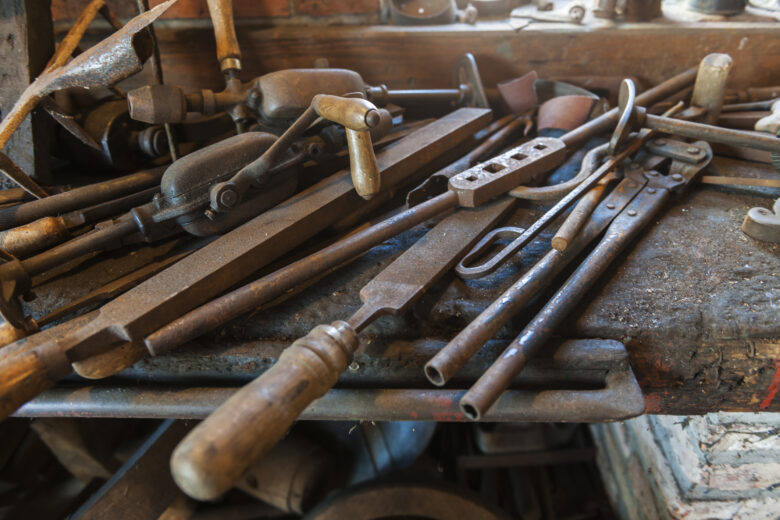
If you went through your dad’s shed or garage back in 1963, you would surely find a drill, and if you did, it surely had a cord. Archaic as it may sound, that was a common picture, descriptive of a more rudimentary time in technology. We didn’t ask much of our tools back then, and they didn’t ask much of us either, beyond a bit of patience and a strong forearm.
Black & Decker had, in fact, built the first battery-powered drill two years earlier, in 1961. Almost nobody bought one. That tells you something about how long it takes a good idea to convince anybody.
Eight of those tools follow. Read the clue, picture the pegboard, then check the answer underneath.

Clue 1
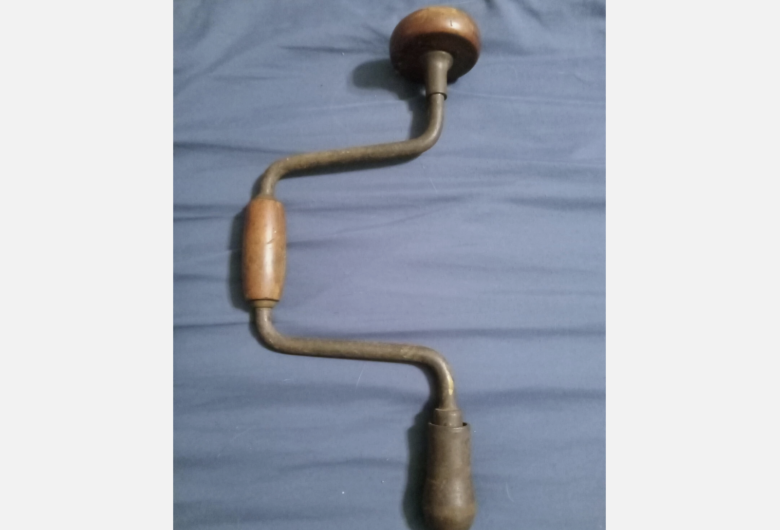
A U-shaped crank with a chuck at the bottom and a knob on top you leaned your chest into.
Answer
The brace and bit.
This was the primary hole-boring tool before electric drills, and the design is beautifully simple: the jaw holds the bit, the handle turns it, the ratchet lets you work in a back-and-forth motion in tight spaces, and the head takes the pressure from your body.
Braces gave more torque than anything geared, which is why they survived alongside hand drills for decades. Your best chance of finding one now is an antique store or an estate sale.

Clue 2
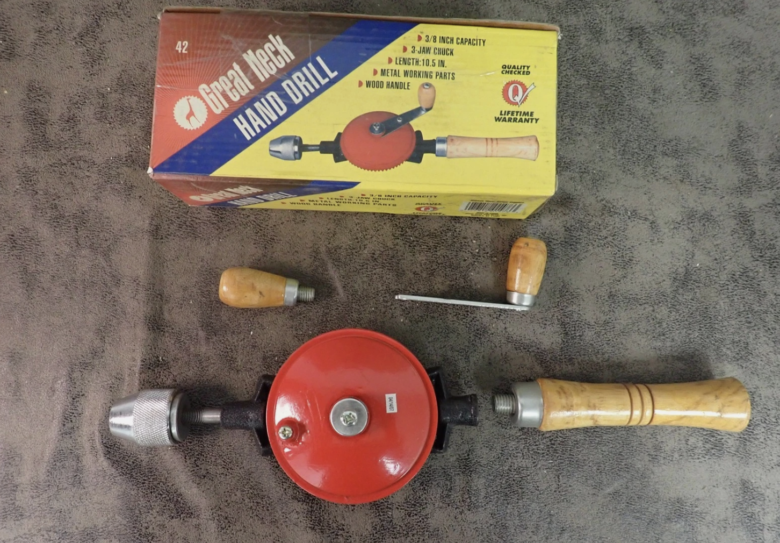
It looks like a kitchen eggbeater, but it drills holes.
Answer
The hand drill, or eggbeater drill.
Turn the side crank; the gears spin the bit. These ran much faster than a brace, which made them the right tool for small pilot holes, while the brace handled anything large or deep.
So most workbenches had both. They were not competing.

Clue 3
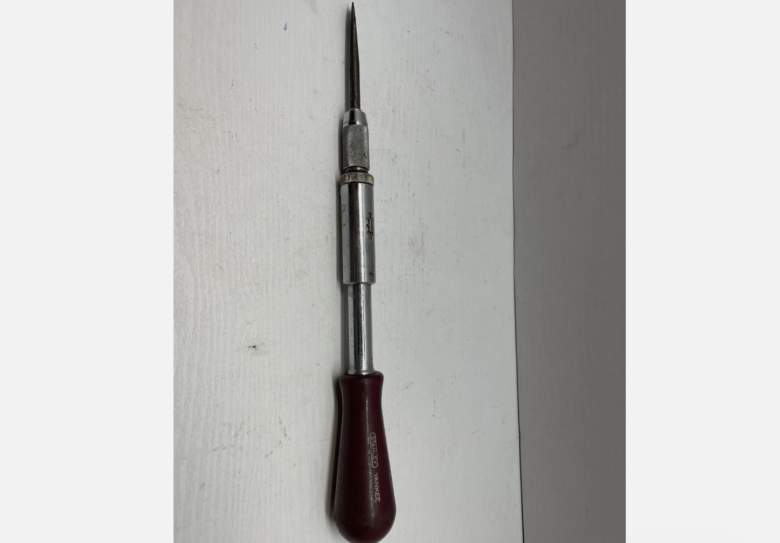
Push down on the handle and the bit turns by itself.
Answer
The Yankee screwdriver.
The spiral ratchet mechanism converts your downward push into rotation, which is why it was faster than any ordinary screwdriver for repetitive work. North Brothers Manufacturing first marketed it in 1895, and Stanley bought the company in the 1940s, keeping the Yankee name.
Here is the 1960s detail: that decade is when Stanley’s Handyman brand became as well known as the Yankee name, and plenty of tools carried both.
The hollow wooden handle stored the bits inside. Stanley discontinued the Yankee line around 2005.

Clue 4
Every Bell telephone installer carried one, and most of them kept it when they retired.
Answer
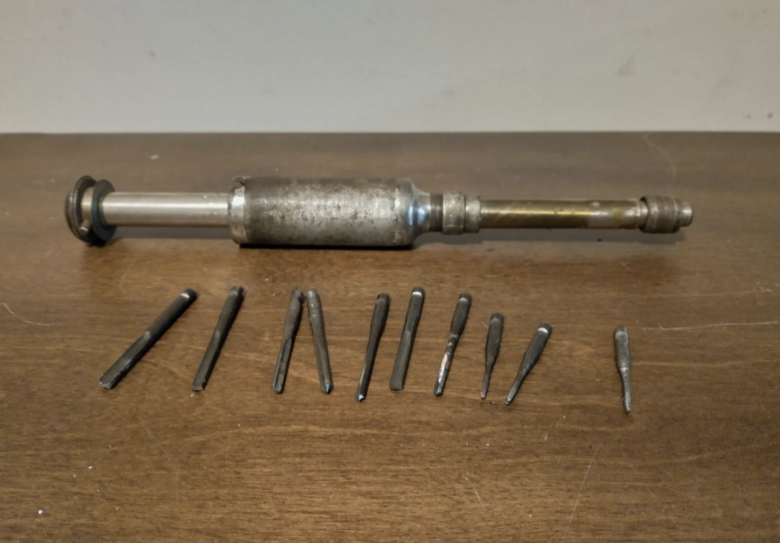
The Yankee 41 push drill.
Same principle as the screwdriver, sized for drilling. Phone men liked them because they were quiet, which mattered when you were working in somebody’s office or living room.
Treat the retirement detail as workshop lore rather than documented history. It comes from collectors, not records.

Clue 5
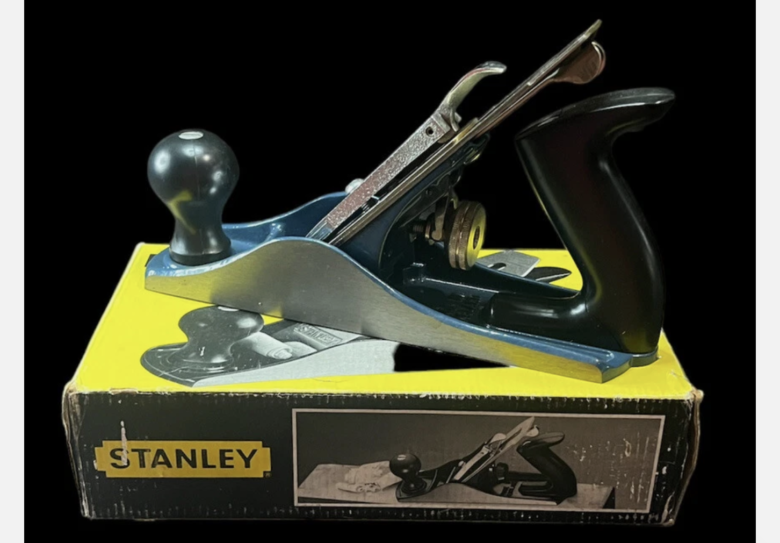
Cast iron, a wooden tote, and an adjustable blade. Your dad’s was almost certainly a No. 4 or a No. 5.
Answer
The Stanley bench plane.
The No. 4 smoothing plane and the No. 5 jack plane are the two you still find everywhere because everybody bought them. Stanley’s Bailey line set the pattern that most hand planes still follow.
They also remain genuinely usable. A flat sole and a sharp iron is all it takes.

Clue 6
1961, and almost nobody bought one. We all liked cords in our tools.
Answer
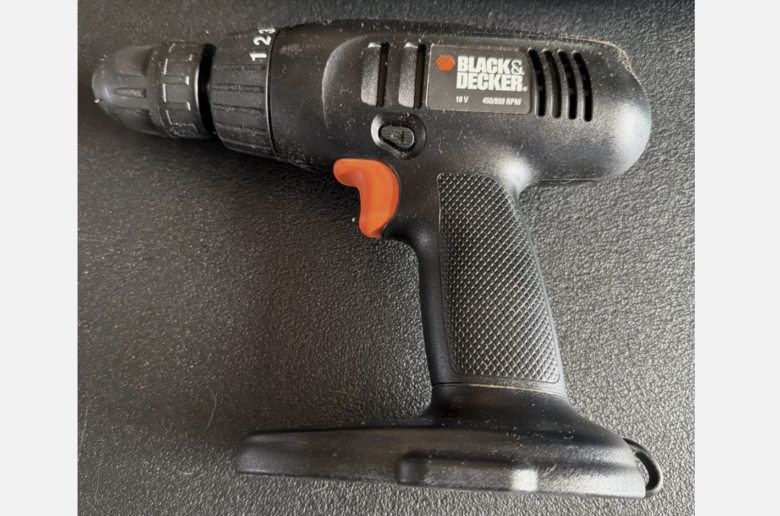
The first cordless drill.
Black & Decker introduced it that year, running on nickel-cadmium cells. It was the first battery-powered drill anywhere.
And it went nowhere for a long time. Cordless drills didn’t become widely available until 1978, after Makita introduced its own design. Makita’s 6500D, in 1969, is generally credited with taking the idea to the mass market.
So if your father owned a drill in the 1960s, it had a cord.

Clue 7
1963, and it is still in production.
Answer
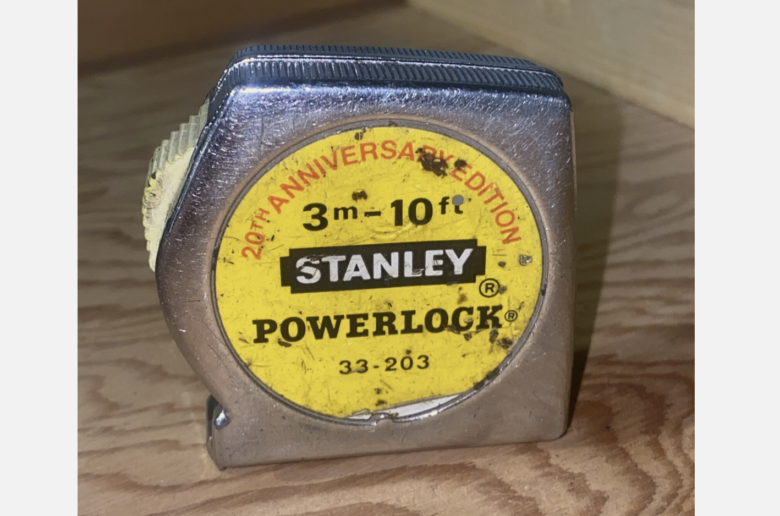
The Stanley PowerLock tape measure.
The first slide-locking tape, and an immediate hit. The patent expired in 1970 and most tape measures since have borrowed its blueprint.
Stanley still makes it. Not every tool on this list went obsolete.

Clue 8
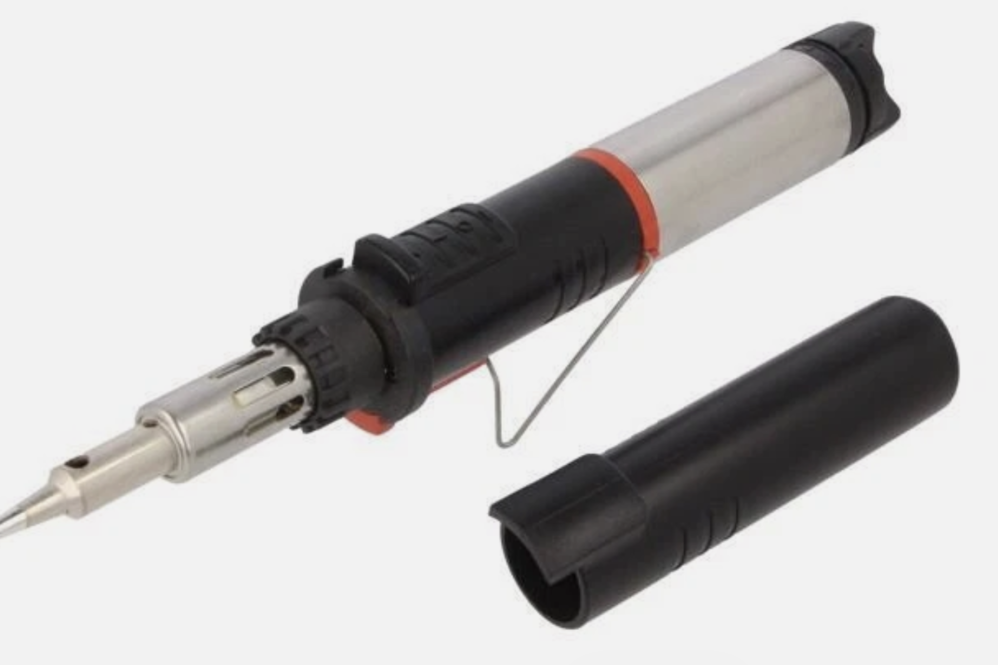
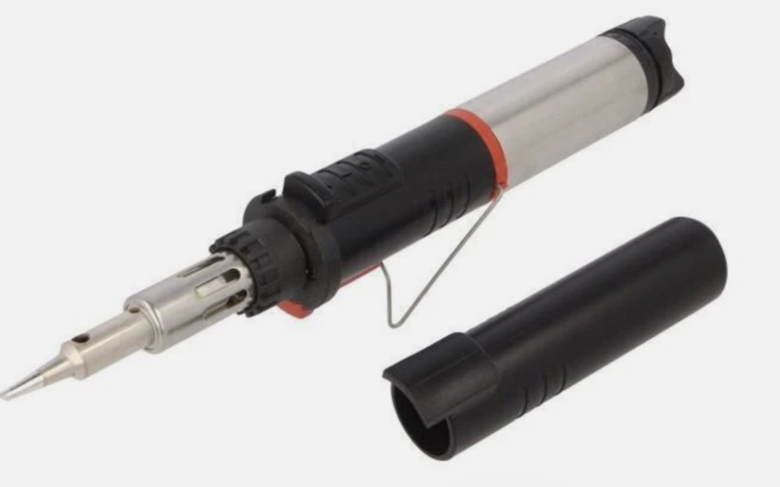
No cord. You heated the tip in a flame and judged the temperature by eye.
Answer
The flame-heated soldering iron.
Plenty of 1960s workshops still had one, and using it well required knowing by sight how hot the metal had gotten, a skill that temperature-controlled stations made unnecessary.
How did you do?
7 or 8: You spent time in that garage.
4 to 6: You recognize the pegboard, not everything on it.
0 to 3: Ask whoever inherited the toolbox.
Ask us! What questions do you have about content, strategy, pop culture, lifestyle, wellness, history or more? We may use your question in an upcoming article!
Related:
- Household rules from the ’40s that sound unbelievable now
- 8 places and discoveries where exploration has limits
Like MediaFeed’s content? Be sure to follow us.
This article was syndicated by MediaFeed.co.