
Forgotten bathroom items you might remember from 1976
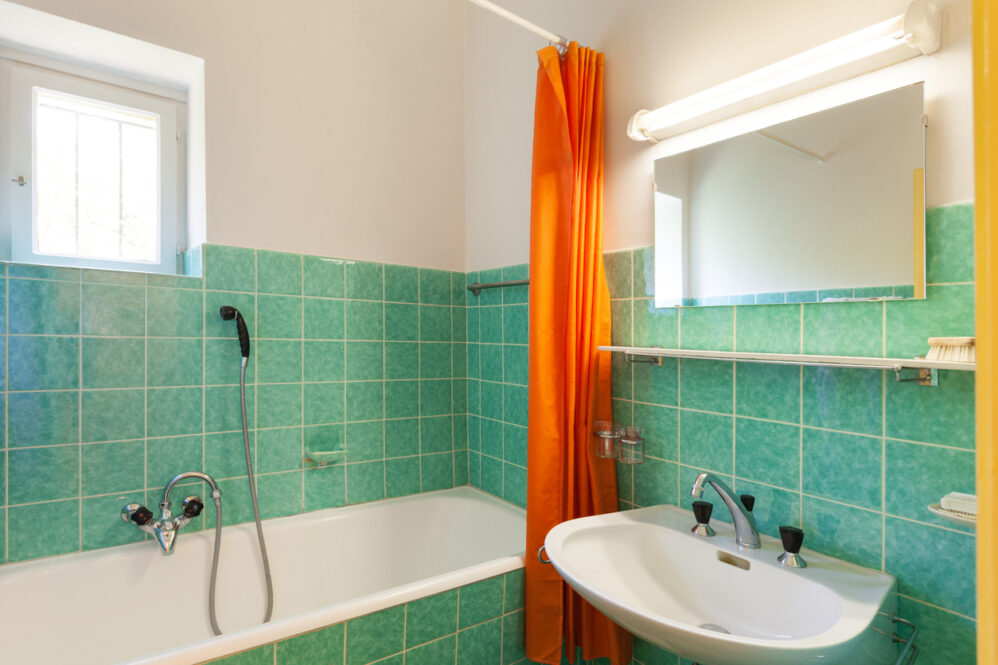
The shampoo was green. Sometimes the bathtub was, too.
A bathroom in 1976 could have a fitted carpet, perfume bottles shaped like ornaments, and a medicine cabinet with a slot for dropping used razor blades into the wall. The decorating choices were visible. The blades were somebody else’s discovery, years later.
Not every family had these things, and most were not invented in 1976. Some were fashionable purchases. Others had been there since the last time anyone remodeled.
Here are six fixtures, products, and small household oddities that help bring the room back.
The avocado-green bathtub
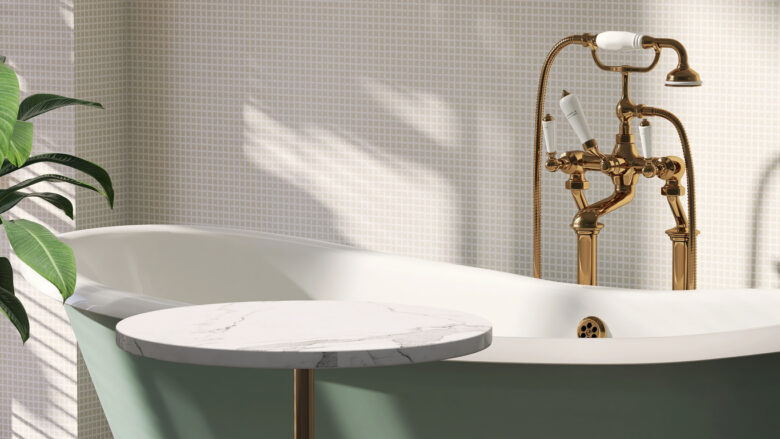
The color did not stop at the towels.
Bathroom advertisements from the 1970s show sinks, toilets, and bathtubs in coordinated shades, including avocado green and harvest gold. Wallpaper, flooring, and accessories added still more color. White porcelain was an option, not an obligation.
That is what makes the old photographs so recognizable. A green bath mat could be replaced on a shopping trip. A green bathtub was a longer commitment.
Carpet fitted around the toilet
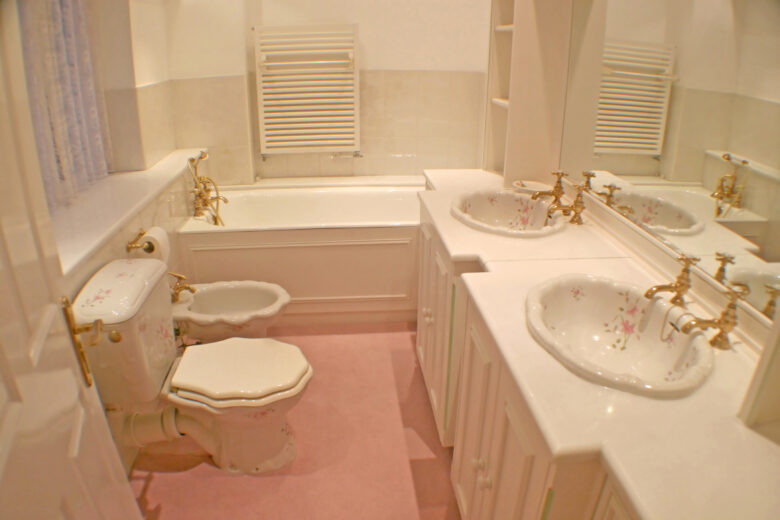
There were bathrooms where stepping out of the tub meant stepping onto carpet.
Vintage decorating spreads show carpeted bathroom floors, sometimes paired with small rugs and fuzzy accessories. It was not always a bath mat laid over tile. Sometimes the whole floor had been given the living-room treatment.
Seen now, the combination can look improbable. In the advertisements, it was presented as a finished room: coordinated, comfortable, and thoroughly decorated.
Even the toilet got an outfit.
The thick green Prell
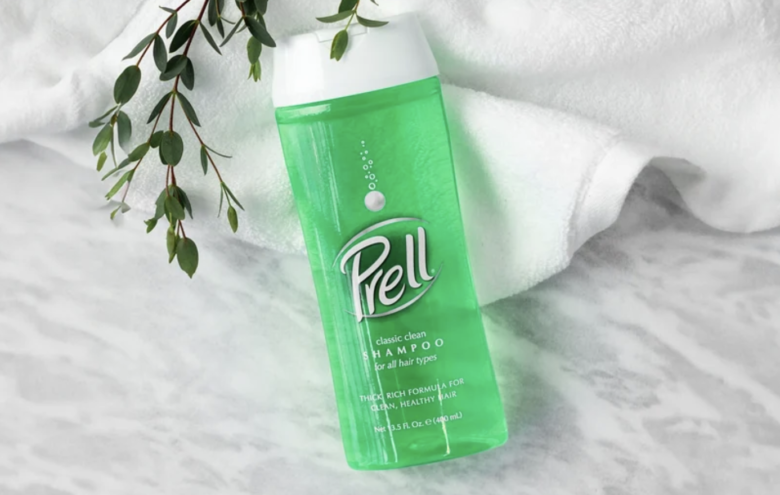
Prell had already been on the market for nearly three decades by 1976. Procter & Gamble introduced it in 1947, according to the Smithsonian’s National Museum of American History, which holds an earlier tube in its collection.
The museum describes the shampoo’s thick green liquid and the unbreakable bottle featured in its advertising. It also notes that Prell was among the highest-selling shampoos in 1977, placing it firmly in the bathroom landscape of the period.
The color did much of the work. You did not need to read a crowded label to recognize that particular green.
And unlike the bathtub, it was easy to replace when you wanted something different.
The Avon bottle that was also a decoration
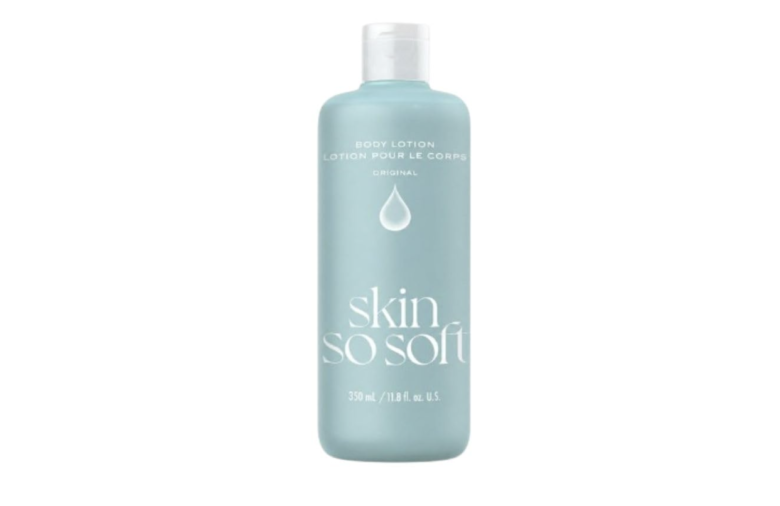
An Avon bottle did not necessarily look like a container you were supposed to put away.
Hagley Museum and Library’s Avon collection preserves product artifacts, catalogs, advertisements, and sales materials. Together, they document a business in which the packaging was part of the appeal.
The novelty decanter belonged to that world: fragrance with an object attached. On a bathroom counter, bedroom dresser, or shelf, the bottle could function as a small ornament as well as something useful.
The contents had one job. The container had another.
The medicine cabinet’s razor-blade slot
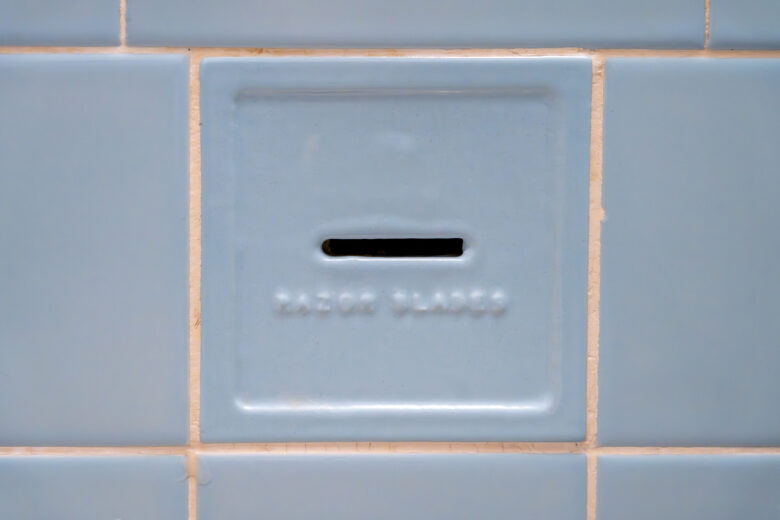
Open an older medicine cabinet and you might find a narrow opening in the back.
It was a disposal slot for used safety-razor blades. As Snopes explains in its history of the feature, blades pushed through some of these slots dropped into the cavity behind the cabinet and stayed inside the wall. Cabinets with the feature appeared in homes built from roughly the 1920s through the 1970s.
This was not a new bathroom innovation in 1976. It was an older household solution that could still be sitting above the sink.
There was no little drawer to empty. The wall was the container.
That also makes the feature more than a curiosity for anyone renovating an old bathroom: the cabinet may be gone while the discarded blades remain.
The matching toilet-lid cover
The carpet was not necessarily the room’s only upholstered surface.
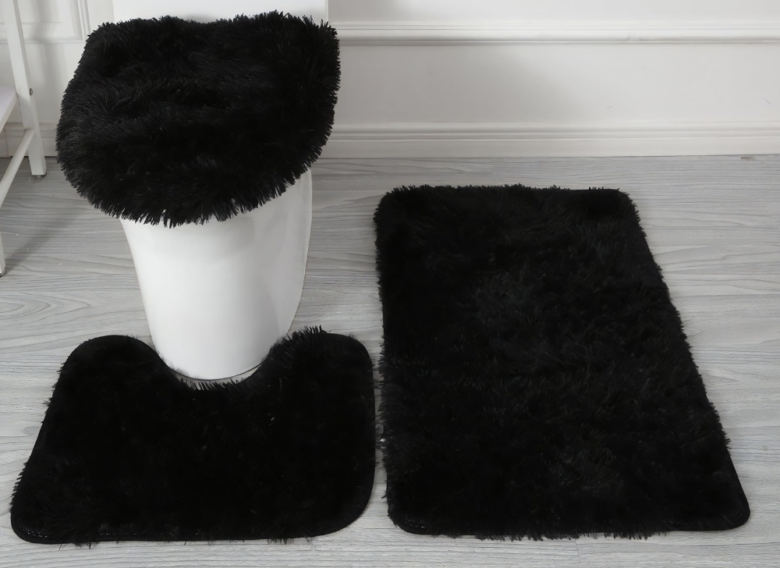
Period bathroom displays paired soft floor coverings with fuzzy toilet-lid covers. Alongside coordinated fixtures and patterned walls, they helped turn a small functional space into another room with a decorating scheme.
A toilet could have a colored porcelain tank, a covered lid, and a rug arranged around its base. None of it was structurally necessary. That was rather the point.
The room was not finished when the plumbing worked. It was finished when everything matched.
The bottom line
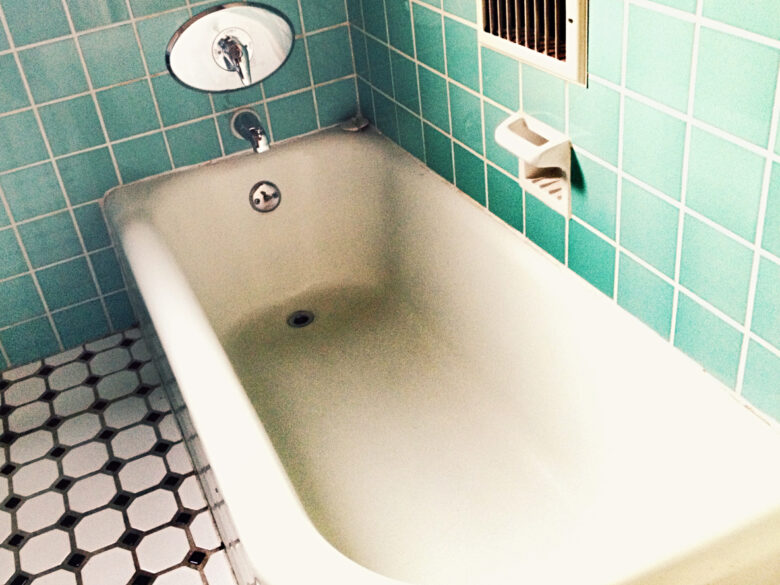
There was no single bathroom every family had in 1976. The period’s advertisements show coordinated color and carpet. The Smithsonian preserves the green shampoo. Older houses can still contain the razor blades their former occupants pushed out of sight.
Some memories sit on the shelf. Others are behind the medicine cabinet.
Ask us! What questions do you have about content, strategy, pop culture, lifestyle, wellness, history or more? We may use your question in an upcoming article!
Like MediaFeed’s content? Be sure to follow us.
This article was syndicated by MediaFeed.co.