
Quiz: Can you identify these 60s movies from a single-sentence description?
A shower curtain. A bone thrown in the air. A nanny with an umbrella. Two outlaws on a cliff.
Films shift in memory because a specific faction of society needs them to accomplish a mission.
Eight films, one sentence each. No titles, no actors, no years.

Question 1
A woman steals money from her employer, checks into a roadside motel, and decides to take a shower.

Answer
Psycho, 1960.
Alfred Hitchcock directed it, and the shower sequence became the most analyzed scene in American film. The picture still ranks near the top of every list of the decade’s best, which is unusual for a black-and-white horror film shot on a small budget.

Question 2
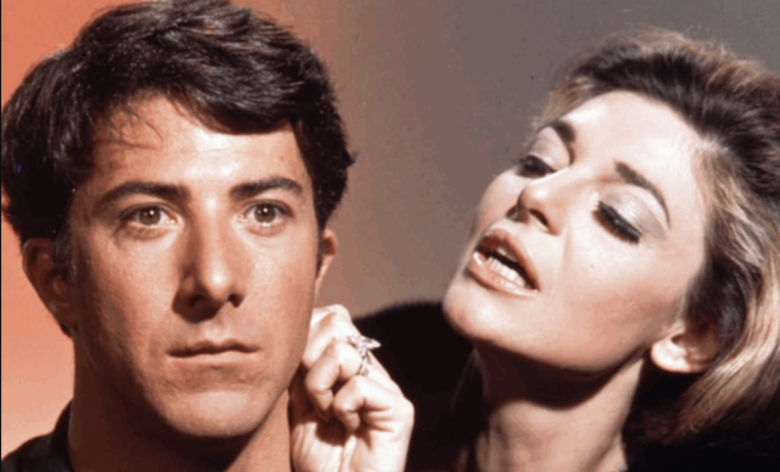
A young man comes home from college with no plan, and his parents’ friend has one for him.
Answer
The Graduate, 1967.
Mike Nichols directed, Dustin Hoffman played Benjamin Braddock, and Anne Bancroft played Mrs. Robinson. Hoffman came out of off-Broadway and went straight to the front rank of his generation. Simon and Garfunkel supplied the soundtrack, and the film arrived in theaters a few months after another picture on this list changed what studios thought young audiences wanted.

Question 3
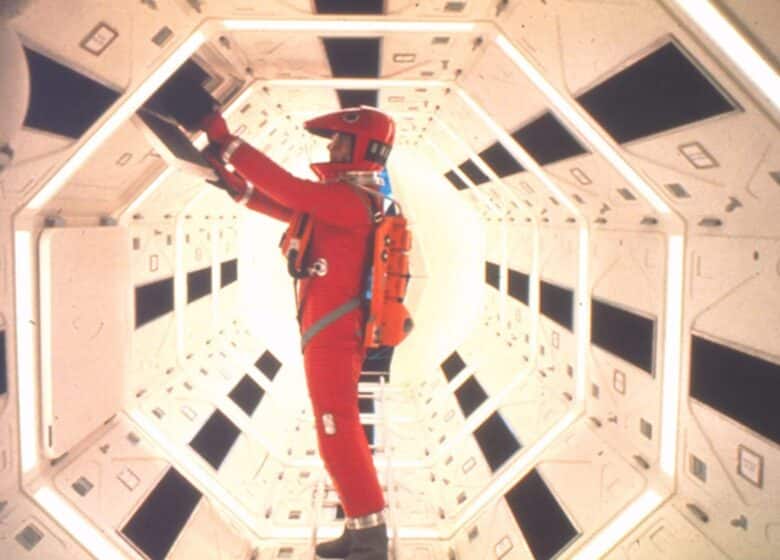
An ape throws a bone into the air, and the next shot is a spacecraft.
Answer
2001: A Space Odyssey, 1968.
Stanley Kubrick directed, Arthur C. Clarke supplied the source material, and it ran 149 minutes with very little dialogue. It opened in the United States on April 3, 1968. Kubrick wanted a visual experience about ideas rather than a plot, which is roughly what he delivered.
Question 4
Two Depression-era bank robbers become folk heroes, and the ending leaves nothing to the imagination.

Answer
Bonnie and Clyde, 1967.
Arthur Penn directed. Most film historians point to it as the turning point between old Hollywood and new, partly because of how the violence was staged. The Hays Code, which had policed American screen content for decades, officially ended in 1968, the year after this film opened.

Question 5
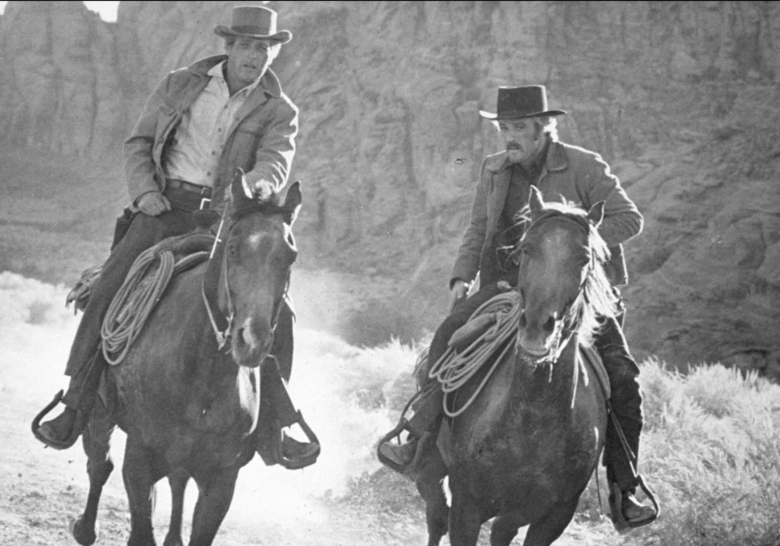
Two outlaws flee the country to hide and spend most of the film talking instead of shooting.
Answer
Butch Cassidy and the Sundance Kid, 1969.
George Roy Hill directed Paul Newman and Robert Redford. It opened on September 24, 1969, cost about $6 million, and grossed $102 million in North America alone. The buddy film as we know it starts here.

Question 6
A nanny arrives by umbrella and reorganizes a London household.

Answer
Mary Poppins, 1964.
Julie Andrews won the Academy Award for Best Actress in the title role. It was her first feature film.

Question 7
A military officer loses his mind, and the resulting crisis is played entirely for laughs.

Answer
Dr. Strangelove, 1964.
Kubrick again, four years before 2001, with Peter Sellers in multiple roles and George C. Scott opposite him. Making nuclear annihilation funny was not an obvious commercial proposition in 1964.

Question 8
A British officer crosses a desert and comes back changed.

Answer
Lawrence of Arabia, 1962.
David Lean directed it, and his use of the horizon line to convey the desert’s scale is still taught as a masterclass in cinematography.

How did you do?
7 or 8: You didn’t need the clues.
4 to 6: Solid. A couple got past you.
0 to 3: You have a great weekend ahead.
Ask us! What questions do you have about content, strategy, pop culture, lifestyle, wellness, history or more? We may use your question in an upcoming article!
Related:
- Some of the most surprising record deals in music history
- 20 songs from the 1960s that can reduce your stress instantly
Like MediaFeed’s content? Be sure to follow us.
This article was syndicated by MediaFeed.co.