Everyday items every household owned in 1981 that don’t exist today
As we discussed in previous articles, the 1980s have a je ne sais quoi that makes you love their essence and aesthetic. The fashion, the clothes, the technological developments, the beginning of mass consumerism, you name it. Everything from those years feels vibrant.
Some objects, however, were conceived in that era and we no longer see them around. Some of them we miss terribly. Others we are happy no longer exist. Here is a batch worth a good read.
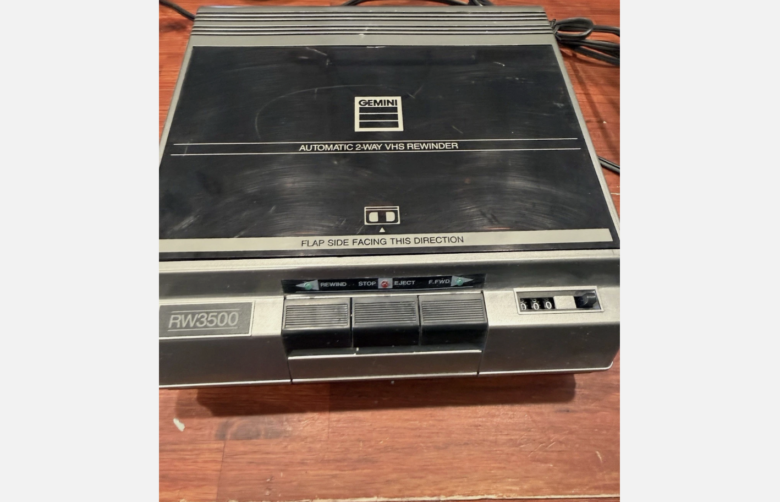
The VCR rewinder
Here the premise falls apart. In 1980, about one in 100 American households owned a VCR, and NPR counts fewer than 2 million machines nationwide. Ownership didn’t approach 60 percent until 1988, and the sports-car-shaped rewinders came later still. In 1981, you might have seen a VCR at a neighbor’s house.
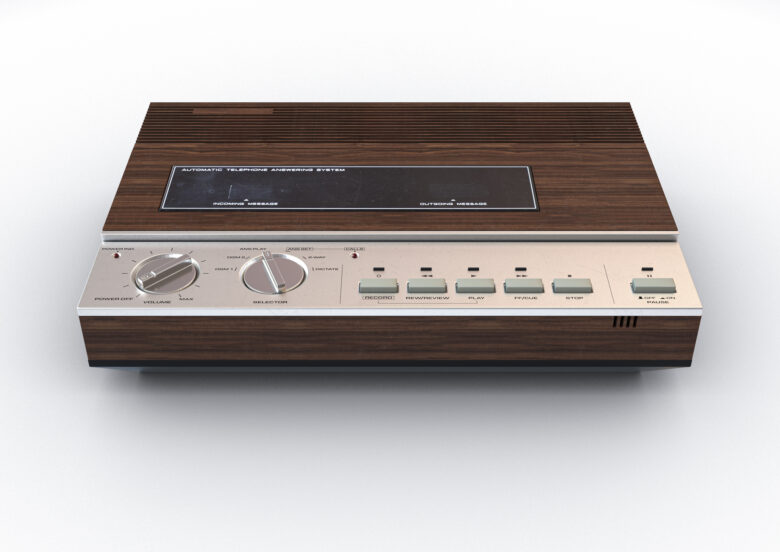
The answering machine
Phone-Mate’s Model 400 reached stores in 1971, so by 1981 the machine had been around a decade. It still wasn’t standard equipment. Not until the mid-1990s did nearly three-quarters of American households own one. Which means that for most of 1981, a call nobody answered left no trace at all.
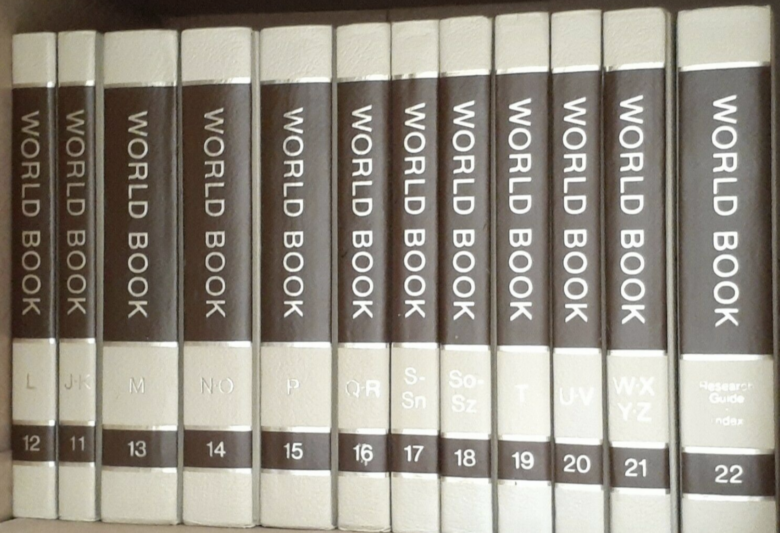
TV Guide and the encyclopedia set
One covered tonight, the other covered everything. TV Guide was selling about 20 million copies a week by the end of the 1970s, and families planned their evenings around it. The encyclopedias were the expensive purchase people saved for. Britannica’s print sales wouldn’t peak until 1990, at 120,000 sets a year in the U.S.
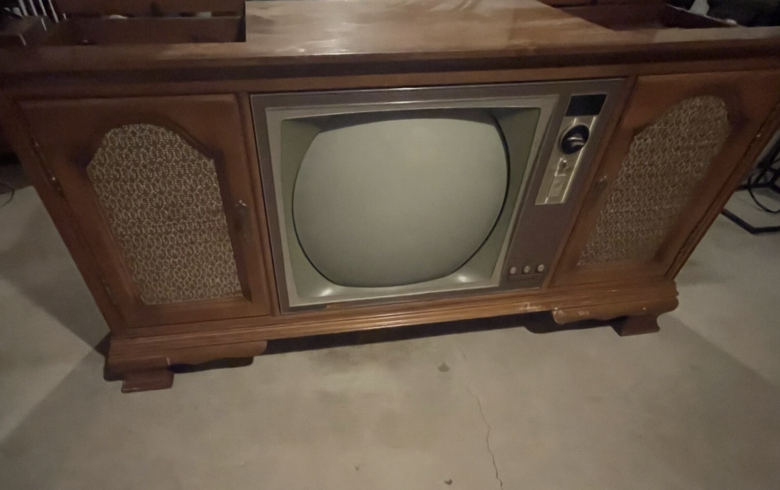
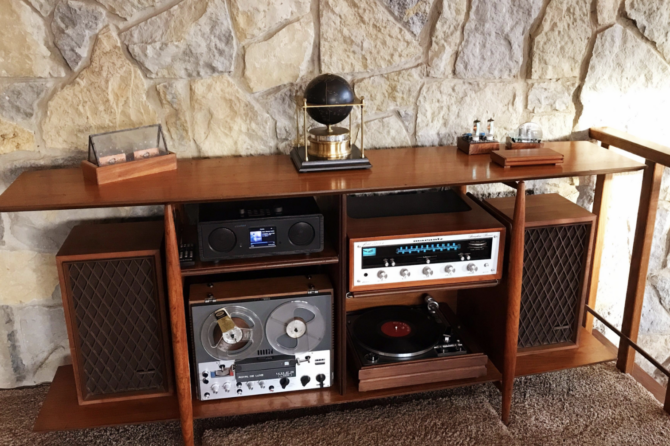
The console TV and the stereo cabinet
Seven out of ten color sets in Zenith’s 1975 line were consoles, most 25 inches, built into wooden cabinets with the speakers inside. The stereo version kept a turntable under a hinged lid. Both were sold as furniture, and neither could be moved by one person. Thrift stores now refuse tube televisions, and recycling one can run $20 to $60.
The cassette rack
This one belongs squarely to 1981. The Walkman had reached America the year before, and by 1983 cassettes outsold vinyl for the first time. A mixtape took an hour to make, because you recorded it in real time as it played. The towers and carousels that held them were sold in furniture departments.
Cassettes never entirely died, either. Sales have climbed every year since 2013.
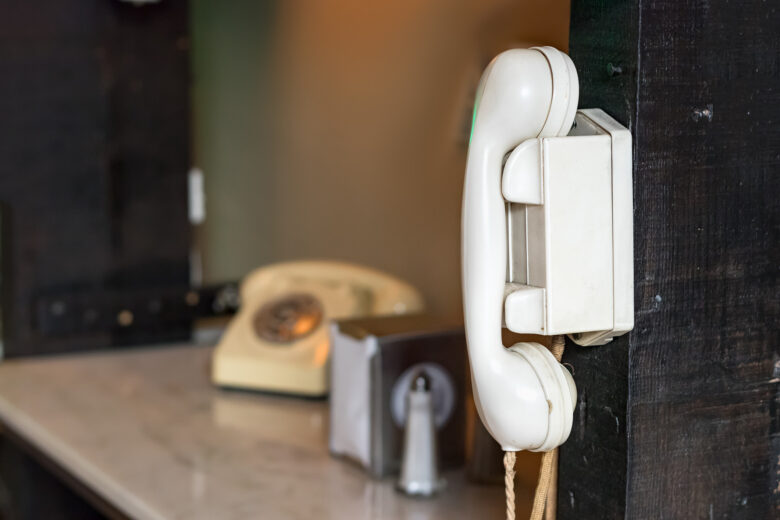
The kitchen phone with twenty feet of cord
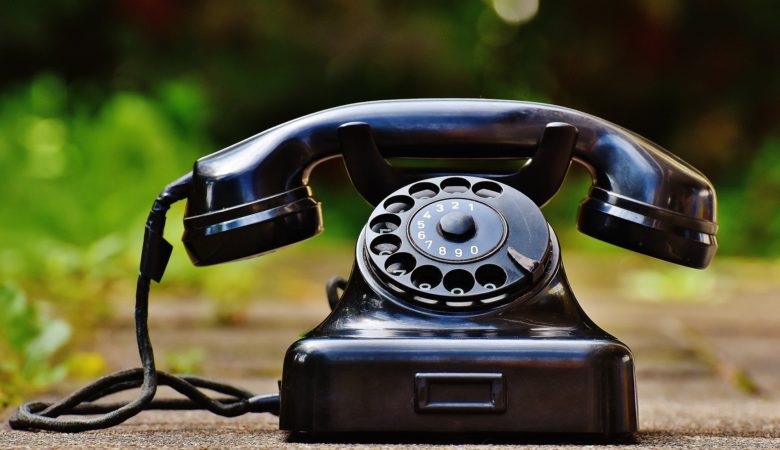
You didn’t own it. Most households rented from Bell, and 55 million phones were still leased as late as 1984. A 1980 Antique Gold model at the Henry Ford Museum carries a tag that divides ownership precisely: the housing is yours; the working parts belong to the phone company.
The cord was long because the phone couldn’t move. Privacy had to be improvised, around the corner and into the pantry.
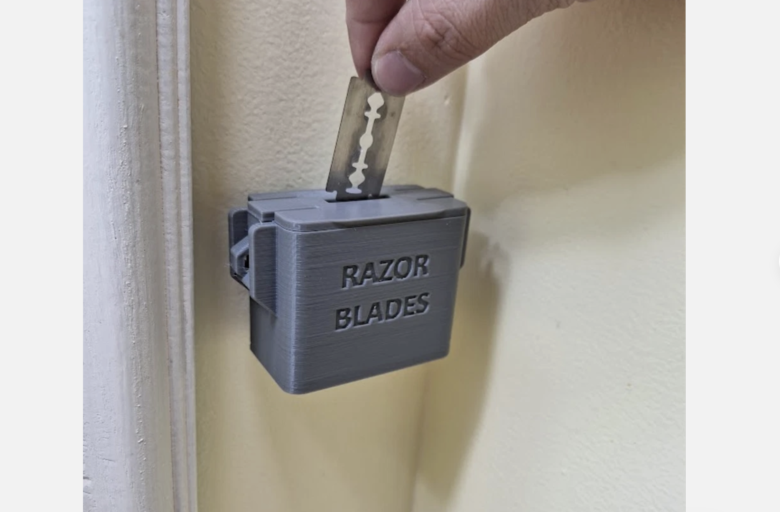
The razor blade slot
A narrow metal slot at the back of the medicine cabinet. Gillette’s at-home double-edge razor dates to 1903, and once cabinets were built into walls, manufacturers added a slot to drop the used blades. They fell into the cavity and stayed there. Builders stopped including it in the 1970s, so a 1981 house had one only if it was older.
Renovators still open those walls and find decades of rust inside.
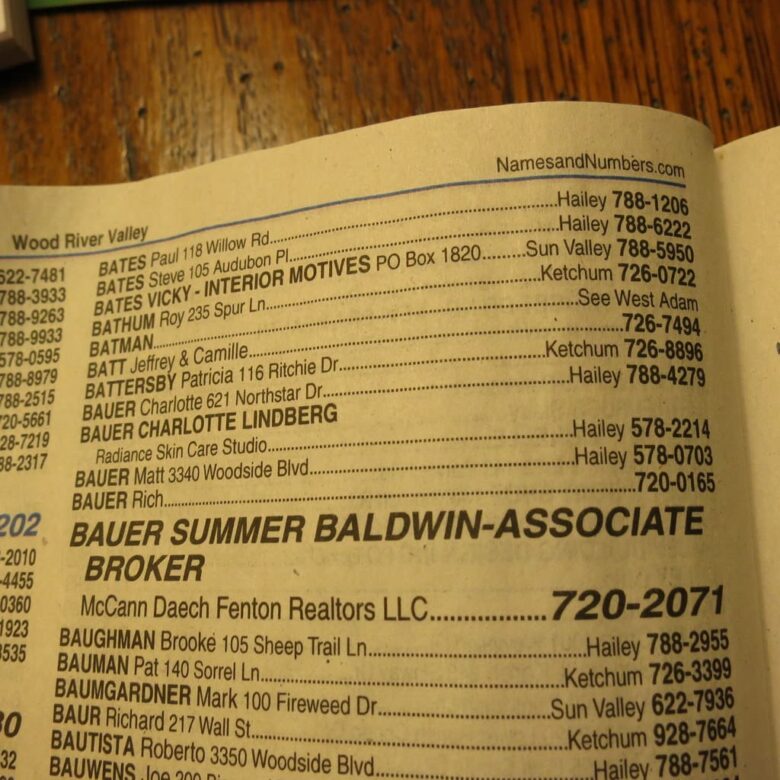
The phone book
Nobody ordered it. It arrived, and it stayed by the phone until the next one came. Residential white pages lasted until 2010, when New York regulators approved Verizon’s request to stop mass-printing them.
The bottom line
Fewer than 2 million American homes had a VCR in 1980, and 55 million telephones were still being rented four years later.
Ask us! What questions do you have about content, strategy, pop culture, lifestyle, wellness, history or more? We may use your question in an upcoming article!
Related:
- Household rules from the ’40s that sound unbelievable now
- 8 places and discoveries where exploration has limits
Like MediaFeed’s content? Be sure to follow us.
This article was syndicated by MediaFeed.co.