Only people who grew up in 1960 can name all 10 of these household objects
1,200 is the number of points that filled one book of S&H Green Stamps, per Fornology. Somebody in your house licked every one.
Ten household objects follow, all common around 1960. Some are gone. A few are still sold. See how many your family owned.
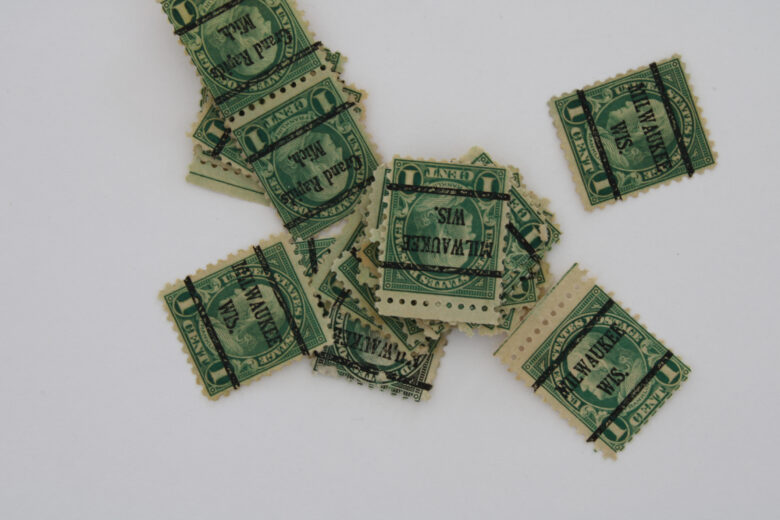
The Green Stamps book lived in the kitchen drawer
It had 24 pages. Each stamp went in by hand, with a lick.
Grocery stores and gas stations handed out the stamps. In the 1960s, Sperry & Hutchinson issued about three times as many as the U.S. Postal Service. It also printed 35 million catalogs a year, per one local history.
Filled books went to one of 800 redemption centers, Fornology notes.
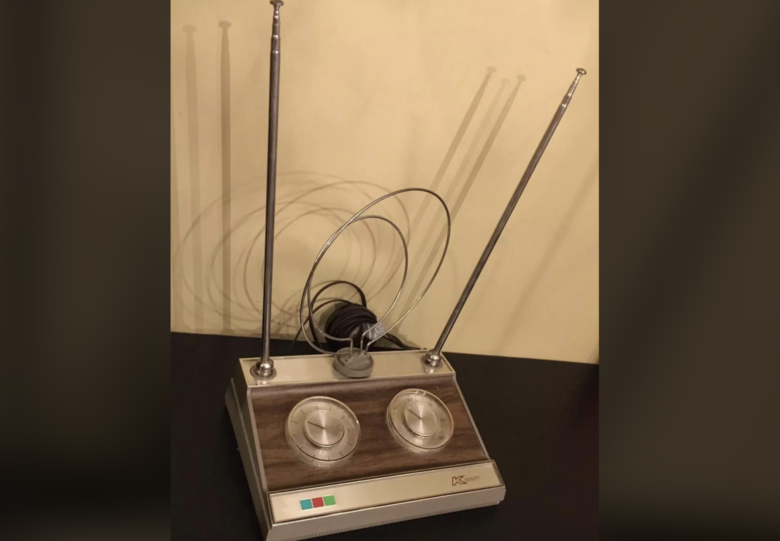
Rabbit ears sat on top of the television
Two telescoping rods, set in a V. You moved them around, and sometimes held one, to cut the fuzz.
Marvin Middlemark, a Long Island inventor, introduced them in 1953. The design was based on the dipole antenna Heinrich Hertz invented in 1886. Middlemark held 62 patents, but this was the one that made him rich, per the Long Island Press.
The Solid Signal blog notes it was the first commercially successful indoor TV antenna.
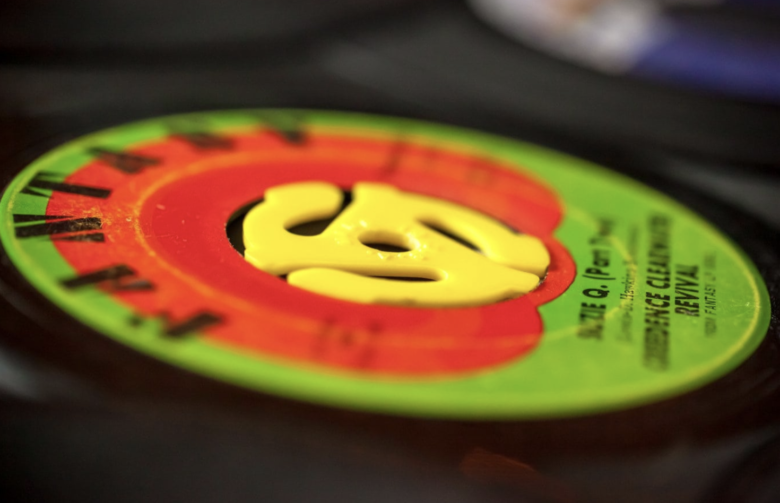
The yellow spider went in the middle of a 45
It was a small plastic insert, often yellow or red, with a ring of bumps.
RCA launched the 7-inch 45 in 1949, with a 1½-inch center hole, Click Americana explains. The snap-in “spider” fixed the problem. RCA president David Sarnoff commissioned it, and Thomas Hutchison invented it. It sold in the tens of millions a year in the 1960s, per the Archive of Contemporary Music.
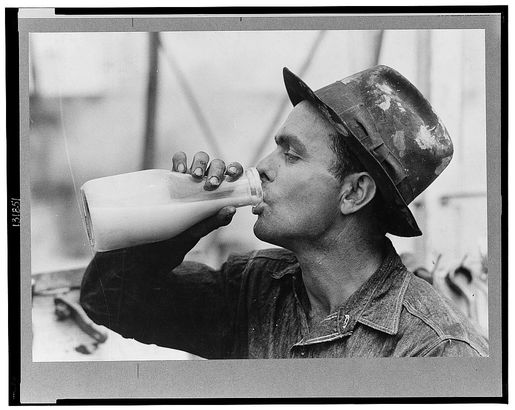
A milk box sat by the front door
Empty glass bottles went in at night. Full ones were there in the morning.
About 30 percent of milk was still delivered to homes in the mid-1960s. By 2005, it was 0.4 percent, Tasting Table reports, citing NPR.
The 1960s figure came from USDA surveys, Food52 notes.
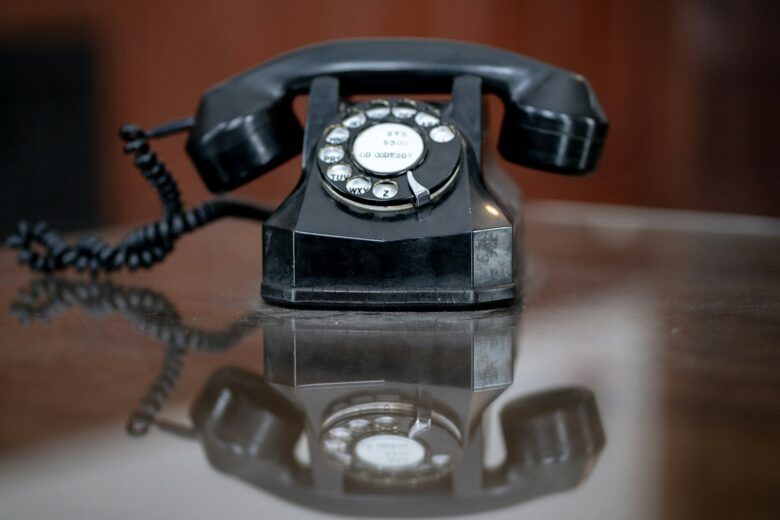
The rotary phone had a dial, and often a neighbor
You put a finger in a hole, pulled to a metal stop, and let go.
The solid black Western Electric Model 500 was the phone most Americans grew up with. Touch-Tone service arrived on November 18, 1963, Click Americana reports.
And the line wasn’t always yours. In 1950, 75 percent of residential Bell System customers were on party lines. By 1965, it was 27 percent, Past Tense Georgia notes. The Bell System made a 1946 film on party-line etiquette.
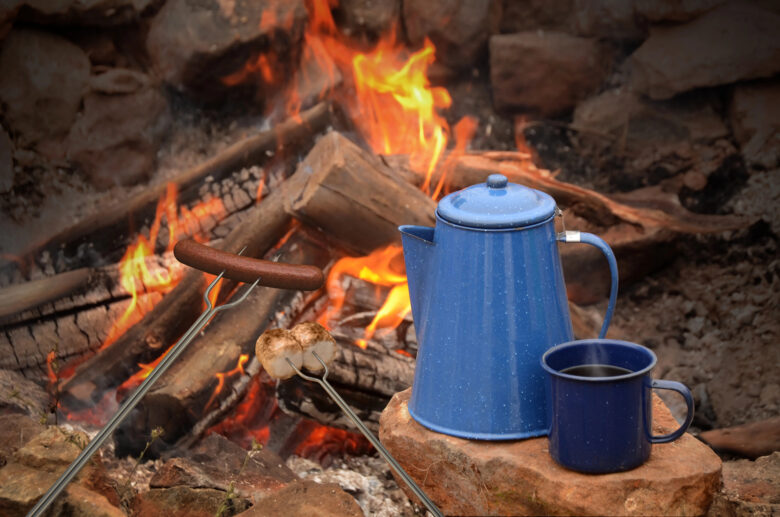
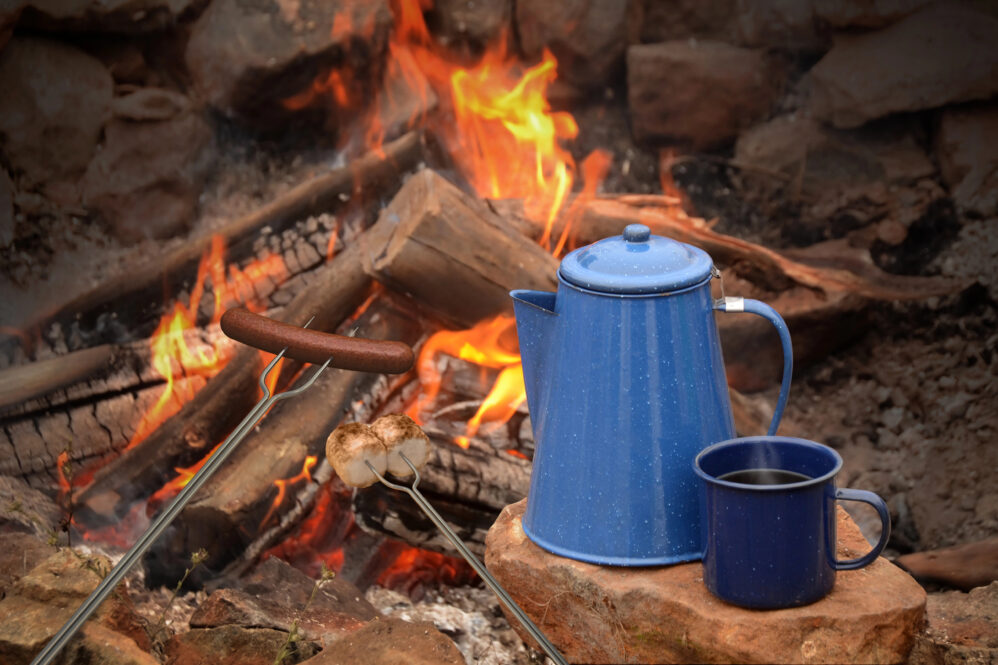
The percolator gurgled on the stove
Coffee bubbled up into a glass knob on the lid, over and over, until someone turned off the heat.
Then came 1972. Mr. Coffee put out a $39.99 drip machine, with Joe DiMaggio as spokesman. By 1974, it had sold more than a million.
The percolator was nearly extinct within a few years, one retrospective says.

Tupperware had to be burped
You pressed the lid down, then pushed out the air.
Earl Tupper made it from polyethylene, a refinery byproduct. He modeled the lid on a paint can, per the Smithsonian.
It sat on department store shelves until 1951. Then he pulled it from stores and let Brownie Wise sell it through home parties, Hagley’s library notes. He sold the company in 1958 for $16 million, Parade reports.
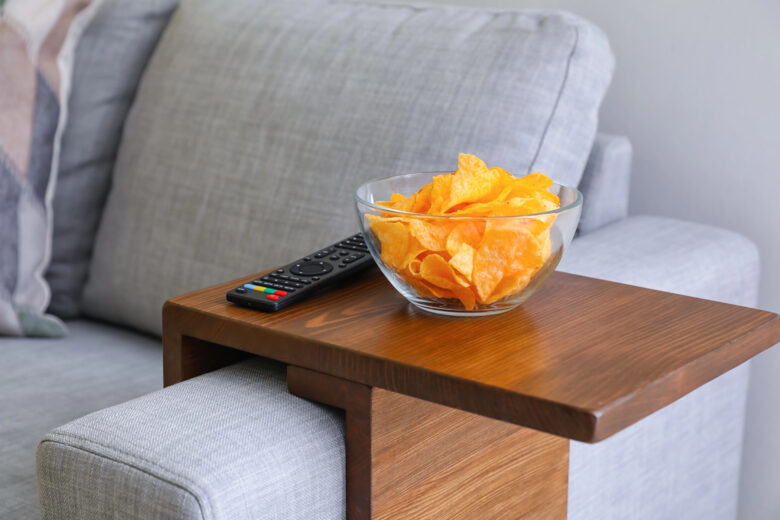
The TV tray folded flat
It was a metal table about 23 inches high, with a bright pattern on top. Sets of four often came on a rack.
The tray first appeared in 1952, according to Tasting Table. By 1960, nearly 90 percent of American homes had a TV, the Smithsonian notes, describing a mid-1960s set of four.
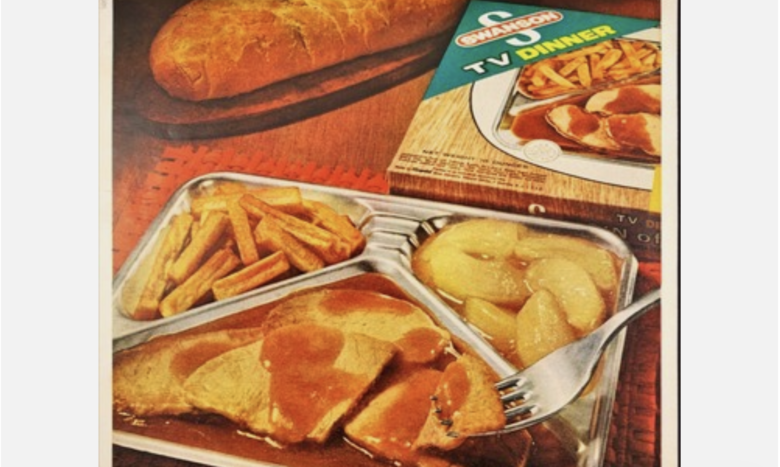
The Swanson tray came in a box shaped like a TV
Inside was an aluminum tray, divided into sections for turkey, stuffing, peas, and sweet potatoes.
It launched on September 10, 1953, for 98 cents. Swanson sold more than 10 million the first full year, and 25 million the next, Grub Americana reports.
The origin story is disputed. Salesman Gerry Thomas said he came up with it after Thanksgiving left the company with 260 tons of turkey. Others credit the Swanson brothers, Smithsonian Magazine notes.

The Hula Hoop cost $1.98
It was a four-foot plastic ring you spun around your waist.
Wham-O introduced it in 1958 and made up to 20,000 a day at the peak, per Encyclopedia.com. It sold 25 million in the first four months and more than 100 million in two years, one history source says.
Wham-O couldn’t patent it, since hoops had been around for centuries. It trademarked the name instead, The 60s Official Site blog notes.

The bottom line
In 1950, 75 percent of Bell System customers shared a phone line. In 1958, Wham-O sold 25 million Hula Hoops in four months.
Ask us! What questions do you have about content, strategy, pop culture, lifestyle, wellness, history or more? We may use your question in an upcoming article!
Related:
- Your cozy (or spooky!) Halloween movie, according to your horoscope
- Halloween hauntings at famous movie sets
Like MediaFeed’s content? Be sure to follow us.
This article was syndicated by MediaFeed.co.