
The most baffling mysteries discovered in America’s national parks
Clyde Martin kept coming back. Dwight McCarter, a ranger on the 1969 search, remembers meeting the old man on the Appalachian Trail one year, two years, four years later, “still searching” for his grandson, per WJHL.
Some mysteries in America’s national parks stay open. Some turn out to be hoaxes. A few get solved, and the answer is stranger than the legend.
Six follow. For each, we say which kind it is.

Mesa Verde’s villages emptied in a generation
At Mesa Verde, the Ancestral Puebloans lived in the cliff dwellings for less than 100 years. In the late 1200s, in a generation or two, they left. By about 1300, it was deserted, per the National Park Service.
A drought is the usual answer. The NPS notes these people had survived earlier ones. Archaeologist Scott Ortman thinks starvation and violence pushed them to leave for the northern Rio Grande, a place they already knew, High Country News reports.
Turkey bone DNA in the Tewa region shifted around 1300 to match Mesa Verde’s, per one account. Open.
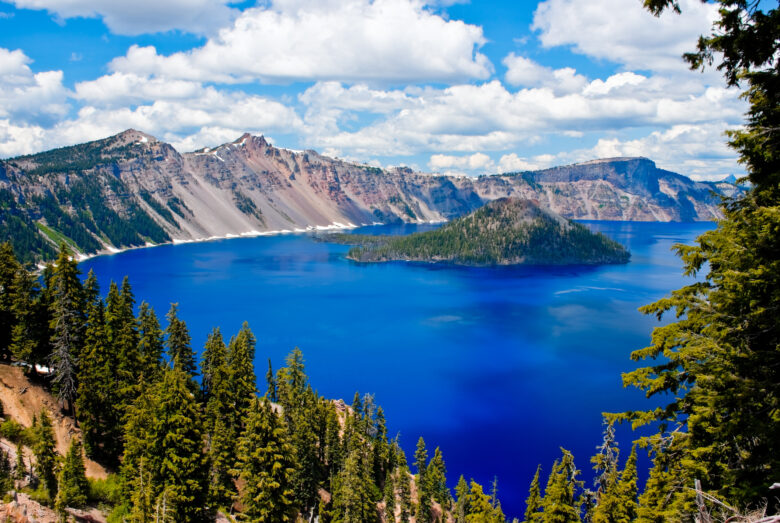
A 30-foot log floats upright in Crater Lake
It’s a mountain hemlock, with about three feet above water. Geologist Joseph Diller first noted it in 1896. Carbon dating puts the wood at more than 450 years old, per the NPS.
In 1938, park naturalist John Doerr tracked it for three months. “The Old Man travels extensively and, at times, surprisingly fast,” he noted, the NPCA reports. It went at least 62 miles, Boing Boing says.
Staff thinks the soaked bottom stays heavy and balanced. Nobody knows when it entered the lake. Open.

The Grand Canyon’s Egyptian cave never existed
April 5, 1909. The Arizona Gazette ran a front-page story. An explorer named G.E. Kinkaid, it said, had found an “underground citadel” 2,000 feet above the Colorado River, with mummies and hieroglyphics, per Discover Magazine.
It named the “Smithsonian Institute,” which doesn’t exist. In 2000, the real Smithsonian said its anthropologists “searched its files without finding any mention” of Kinkaid, Professor Jordan, or a lost Egyptian civilization.
Grand Canyon officials say no such cave exists and that the story erases the canyon’s Native American history. Hoax.
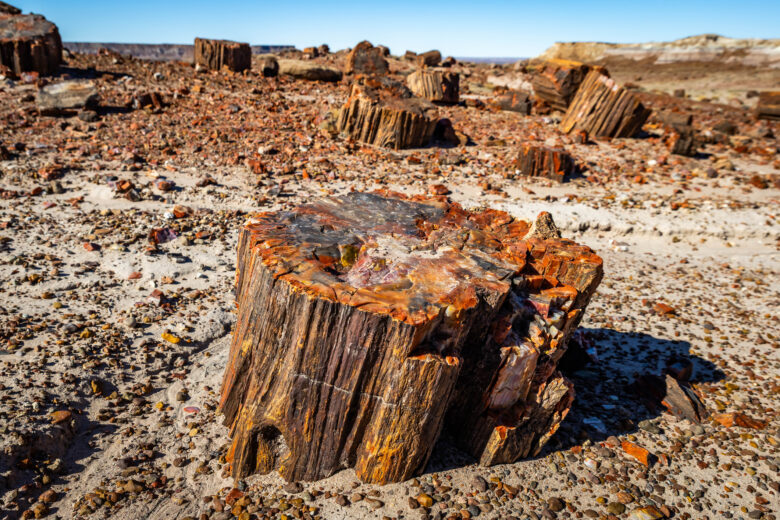
People keep mailing rocks back to Arizona
At Petrified Forest National Park, rangers get packages. Inside: petrified wood and a letter. The pile has a name: the Conscience Pile.
Ryan Thompson reviewed more than 800 letters for his book “Bad Luck, Hot Rocks,” per the Durango Herald. “They weigh like a ton of bricks on my conscience,” one wrote. Others blame their bad luck, the book’s abstract says, on car trouble, a sick cat, a death.
The rocks can’t go back to where they came from. And the old claim that a ton a month was being stolen turned out to be a myth, Smithsonian Magazine reports.
Dennis Martin was playing hide-and-seek
June 14, 1969. Six-year-old Dennis Martin was with his father, grandfather, brother, and cousins at Spence Field in Great Smoky Mountains National Park. The boys were sneaking up on the adults. Dennis was last seen around 4:30 p.m., per WBIR.
The search was the biggest in the park’s history. About 1,400 searchers took part over 16 days, WATE reports. The NPS has posted the case file.
No trace was ever found. The search became a model for how rescue teams work today. Open.
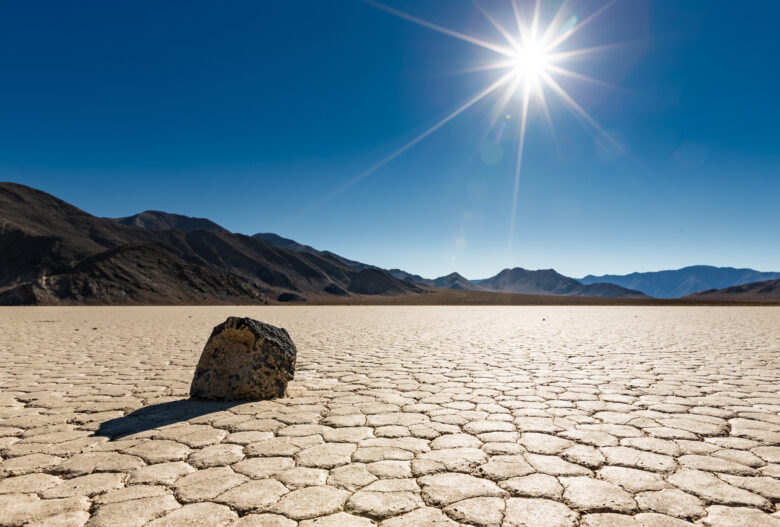
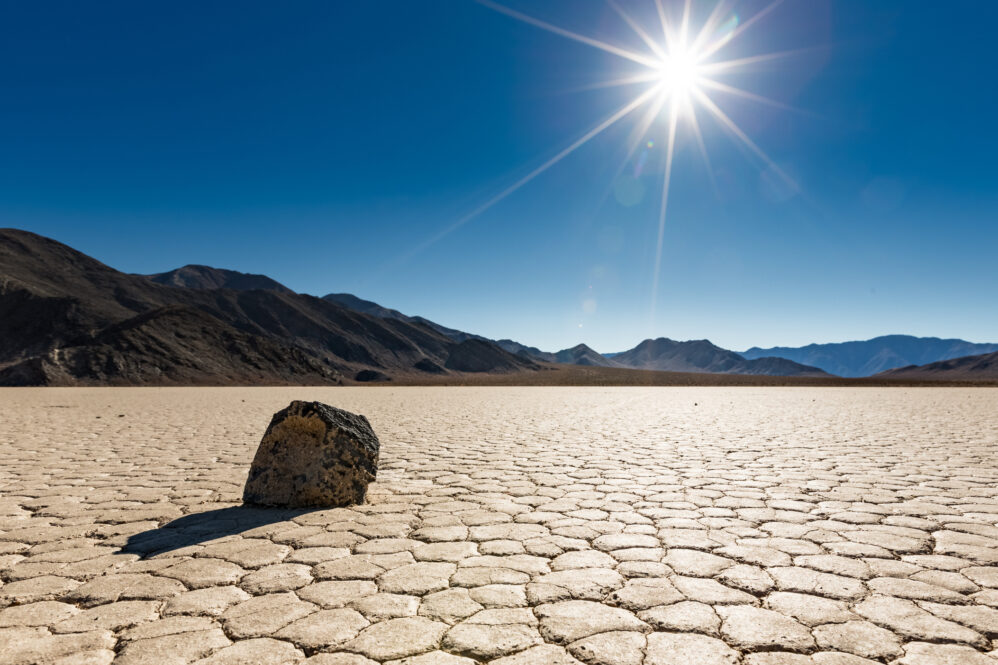
The rocks in Death Valley move on their own
Hundreds of rocks, some weighing up to 700 pounds, leave long tracks across a flat dry lake in Death Valley’s Racetrack Playa. For decades, nobody saw one move.
On December 20, 2013, researchers Richard and James Norris arrived to find the playa covered with a shallow pond. They’d placed 15 rocks with GPS units. They watched five movement events in two and a half months, per ScienceDaily.
Ice sheets, only a few millimeters thick, pushed the rocks in a light breeze. “Science sometimes has an element of luck,” Richard Norris said. Tracks can last more than a decade, Smithsonian Magazine notes. Solved.

The bottom line
Dennis Martin searched for the stones with 1,400 people and never found them. The Racetrack stones were solved by a few millimeters of ice.
Ask us! What questions do you have about content, strategy, pop culture, lifestyle, wellness, history or more? We may use your question in an upcoming article!
Related:
- Historical “discoveries” that turned out to be elaborate hoaxes
- Some of the most surprising record deals in music history
Like MediaFeed’s content? Be sure to follow us.
This article was syndicated by MediaFeed.co.