
10 everyday phrases from the ’70s that have all but disappeared
An Omaha ad man named Bill Fries invented a fictional trucker called C.W. McCall in 1974 to sell bread. A year later, the character’s song “Convoy,” about CB radio, went to No. 1.
Within months, millions of Americans were talking like truckers. Today, almost nobody is.
Ten phrases follow, most of them from CB radio and TV. Where sources say a phrase has faded, we say so. A few survive as quotes.

“Breaker one-nine”
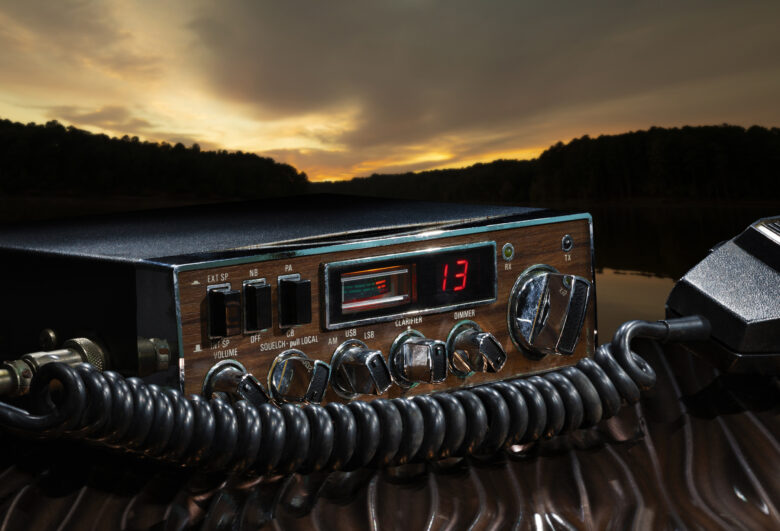
You said it on Channel 19 to ask permission to break into someone’s conversation. The 1973 oil crisis brought a national 55 mph speed limit, and truckers used CB radios to swap news of speed traps.
In 1975, the FCC increased the number of channels from 23 to 40. The craze was fading by the early 1980s.
10-4, good buddy
“10-4” was a radio code for “message received,” and it spread with CB radio and the 1975 hit “Convoy.” “Good buddy” was a term of address dating back to the 1940s. McCall, whose real name was Fries, helped put it in the national vocabulary.
Keep on truckin’
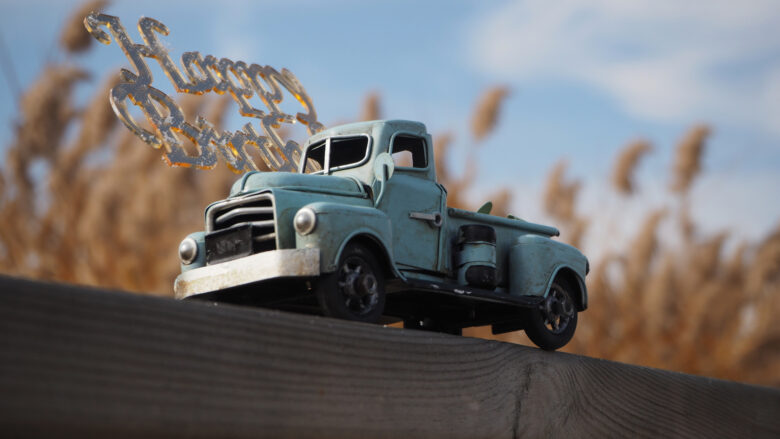
Cartoonist R. Crumb first used the phrase in 1967. “Trucking” had meant moving along since 1936, but Crumb’s art put “keep on truckin'” on everything in the ’70s.

Who was the jive turkey?
An “insincere, deceitful person.” Green’s Dictionary of Slang dates the phrase to 1975. Another account credits the 1971 film “Shaft” with popularizing it.
Today it “aged poorly,” says Classmates, and is mostly a joke.

Can you dig it?
It meant “Do you understand?” or “Do you approve?” and The Free Dictionary calls it dated American slang. Classmates say it now sounds like someone trying too hard to be retro.

Far out
The Beats coined it in the 1950s, and the ’70s made it mainstream. Surf and skate culture partially revived it in the 1990s.
“Dy-no-mite!”
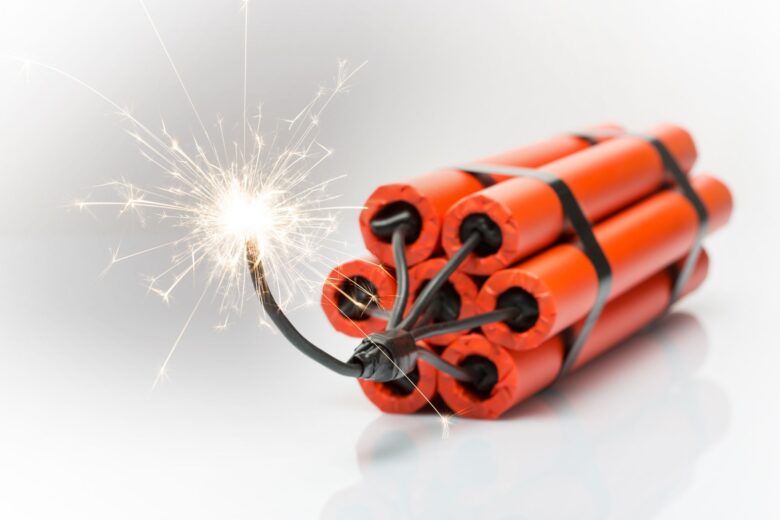
J.J. Evans, played by Jimmie Walker, delivered it on “Good Times,” which aired from 1974 to 1979. He used it in just about any situation, and viewers did too.
“Kiss my grits!”
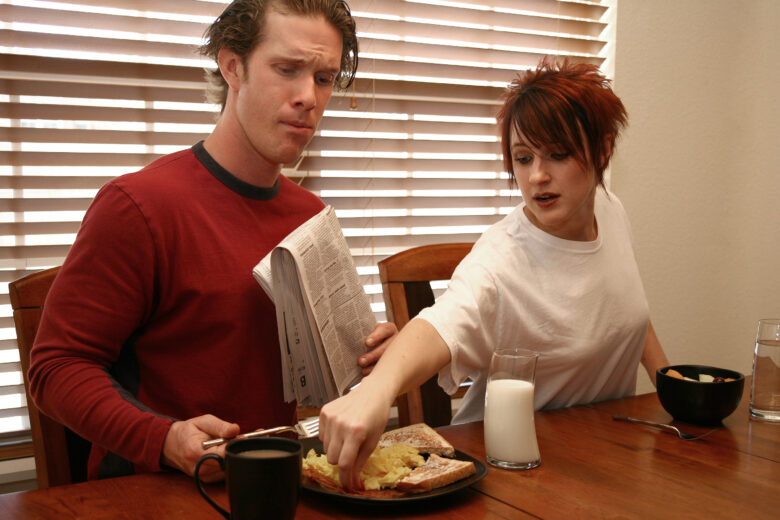
Flo, the waitress played by Polly Holliday, used it on “Alice” (1976 to 1985) as a family-friendly send-off. It worked at the dinner table too, when somebody was stealing your fries.

“Sit on it!”
The rival of “Ayyyy,” Fonzie’s most famous line from “Happy Days” (1974 to 1984). If someone got on your nerves, you didn’t need a comeback, just those three words.

Deep-six
To “deep-six” something meant to get rid of it. The word dates to the 1920s, but Watergate testimony about incriminating documents revived it in the 1970s. Early in the decade, Ann Landers had to explain it to readers. “I wasn’t recommending homicide,” she said.

The bottom line
C.W. McCall was an ad character invented to sell bread. His song put “breaker one-nine” in millions of mouths.
Ask us! What questions do you have about content, strategy, pop culture, lifestyle, wellness, history or more? We may use your question in an upcoming article!
Related:
- 10 slang words from the ’70s that need to make a comeback ASAP
- 10 slang words from the ’60s that used to be cool but aren’t anymore
Like MediaFeed’s content? Be sure to follow us.
This article was syndicated by MediaFeed.co.