Halloween costumes from the ’80s and ’90s that would never be made today
On October 30, 1991, the day before Halloween, Ben Cooper, Inc. filed for bankruptcy. The Brooklyn company once made nearly 80 percent of the country’s Halloween costumes, and by the early ’90s it produced more than four million a year.
Much of what came out of Ben Cooper’s boxes, and the costume aisle in general, wouldn’t survive today’s safety rules, retailer policies, or common sense. Some pieces were flammable, some came with realistic guns, and one was a mask of a murder defendant.
Four follow, each with a date, a named person, and a source.
A plastic smock, a rubber band, and a box that said “flame retardant”
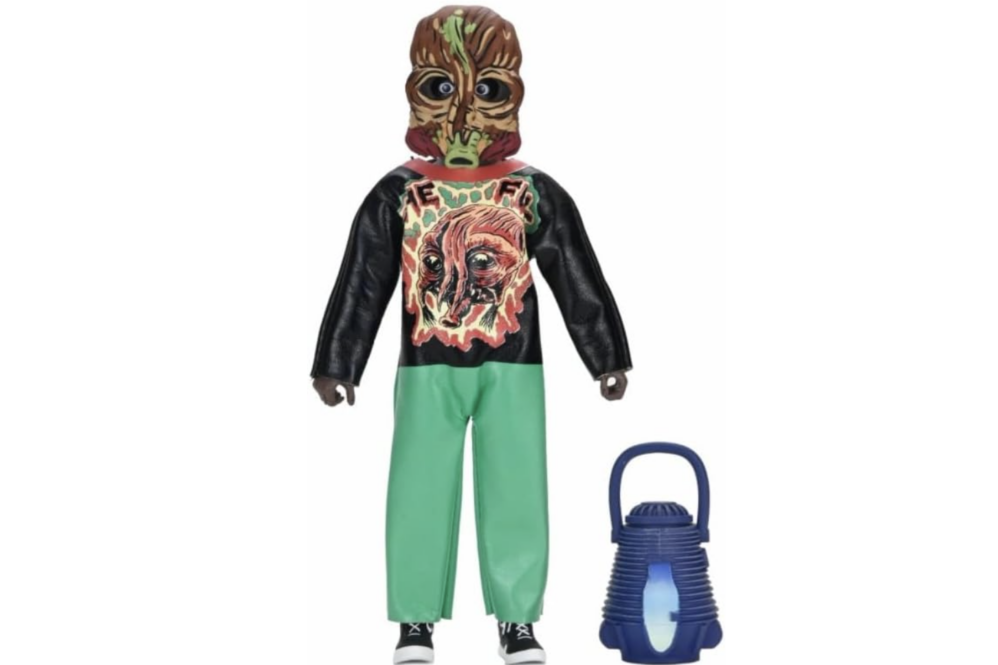
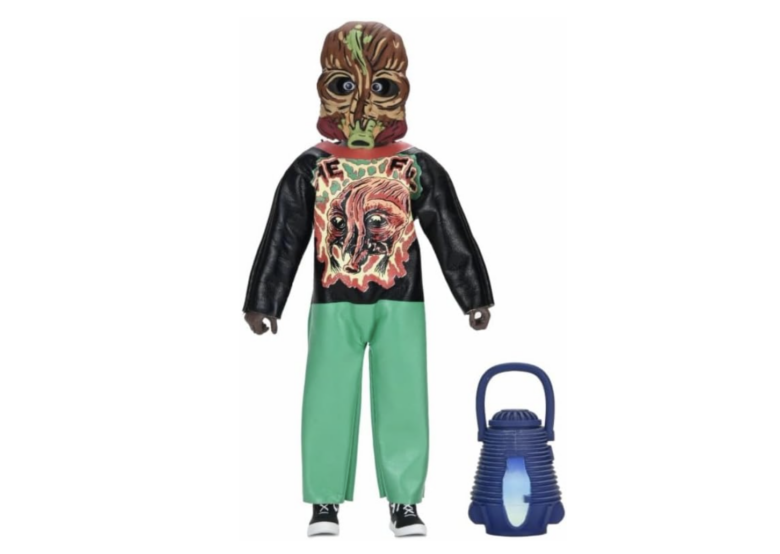
For thrifty parents in the 1970s and ’80s, the choice was a Ben Cooper vinyl smock with a plastic mask held on by a rubber band. Early smocks were highly flammable, and one box proudly claimed the costume was flame retardant.
Ben Cooper was the country’s largest costume company in both 1979 and 1984. It then ran into bad luck: Chapter 11 in March 1988, a January 1989 fire in Georgia that destroyed $2 to $3 million of inventory, and a second bankruptcy in October 1991. Rubie’s folded it in.

The toy gun in the costume kit
Realistic toy guns were routine costume accessories. Then Congress passed the Federal Energy Management Improvement Act, signed November 5, 1988, which banned toy guns without distinctive markings. The rules took effect May 5, 1989, and required a blaze orange plug or a bright exterior.
It didn’t solve everything. In a 1989 National Institute of Justice experiment, 96 percent of officers fired at actors carrying a toy gun with an orange plug. Historian Gary Cross of Penn State says manufacturers fought the rule because “the mystique is in the realism.” After a Cleveland police officer shot 12-year-old Tamir Rice in 2014, the debate started again.
The O.J. mask
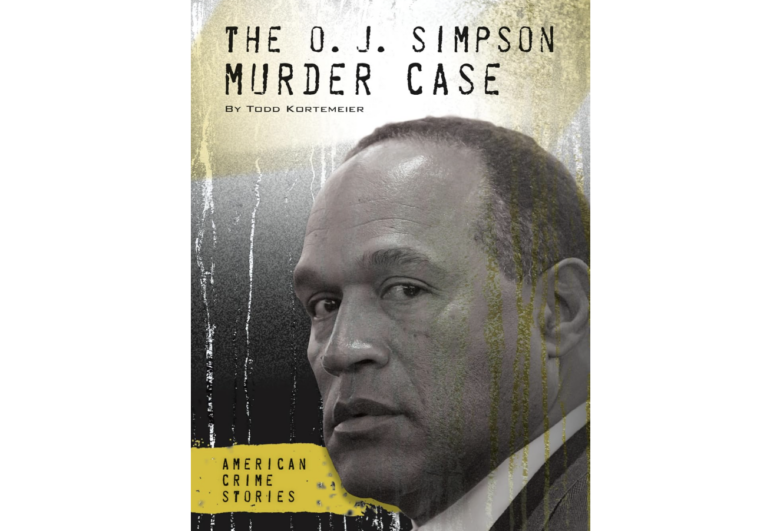
In October 1994, the hottest Halloween item in the country was a mask of O.J. Simpson, then awaiting trial in a double-murder case. The Los Angeles Times reported that a Fullerton costume shop, Ragztop-Vintage, sold out its first shipment the week it arrived, at $20 a mask.
Shoppers paired it with a $25 striped prison outfit, Philip Reynoso, an employee at the Halloween Castle in East Los Angeles, said. Even trick-or-treaters overseas wanted it, according to Dena Teeter, who managed a shop in Laguna Niguel. The paper called it “bad taste or just plain gross.”

“We’re a culture, not a costume”
In October 2011, students at Ohio University launched a poster campaign against costumes built on ethnic stereotypes. Each poster showed a student holding a photo of an offensive costume, with the line “This is not who I am, and this is not okay.”
The group, Students Teaching About Racism in Society, was led by president Sarah Williams, with event coordinator Taylor See. The posters showed blackface, Native American, geisha and “terrorist” costumes, CBC reported. The campaign went viral and drew heated responses. In 2016, the group released a poster with a Black Lives Matter member and the line “My fight is not your costume.”
The bottom line
Toy guns have carried orange tips since May 1989. The O.J. mask cost $20 in 1994.
Ask us! What questions do you have about content, strategy, pop culture, lifestyle, wellness, history or more? We may use your question in an upcoming article!
Related:
- Your cozy (or spooky!) Halloween movie, according to your horoscope
- Some of the most surprising record deals in music history
Like MediaFeed’s content? Be sure to follow us.
This article was syndicated by MediaFeed.co.