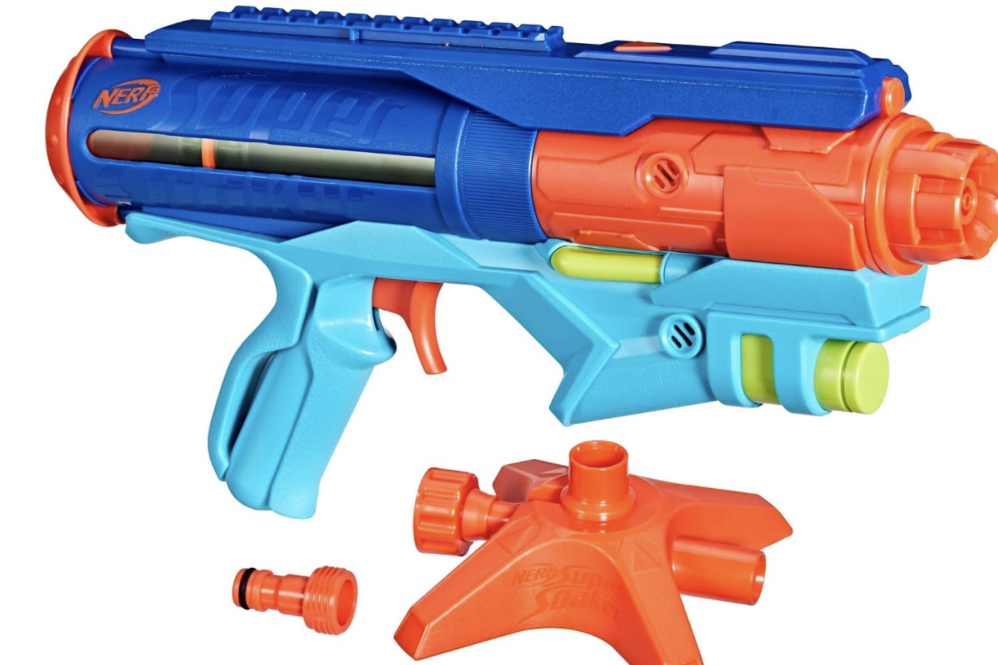
Only people who grew up in the ’90s can name all 12 of these household objects
In October 1996, Rosie O’Donnell began tossing Tickle Me Elmo dolls to her studio audience, and Tyco sent 200 to the show. Tyco had forecast about 100,000 sales, and within a week the forecast was a million.
The other objects have their own people: a NASA engineer in his bathroom, a Wisconsin shop teacher, a Maui dairy, two founders who mortgaged a house.
Twelve slides follow, in no particular order.

Tamagotchi: the pet with a Nov. 23 birthday
Bandai released it in Japan on November 23, 1996, after Akihiro Yokoi of WiZ and Aki Maita of Bandai built it. Yokoi was inspired by a commercial of a boy trying to take his pet turtle on a trip. It reached the US on May 28, 1997, and sold about 40 million worldwide during its run. Both creators won a 1997 Ig Nobel Prize in economics.

Furby: $35, then over $100
Dave Hampton and Caleb Chung launched Furby on October 2, 1998, for about $35. Tiger Electronics sold 1.8 million in 1998 and 14 million in 1999, and resale prices topped $100 that Christmas. In early 1999, the NSA told employees to keep them out of its buildings. Tiger’s owner said Furby “has absolutely no ability” to record anything.
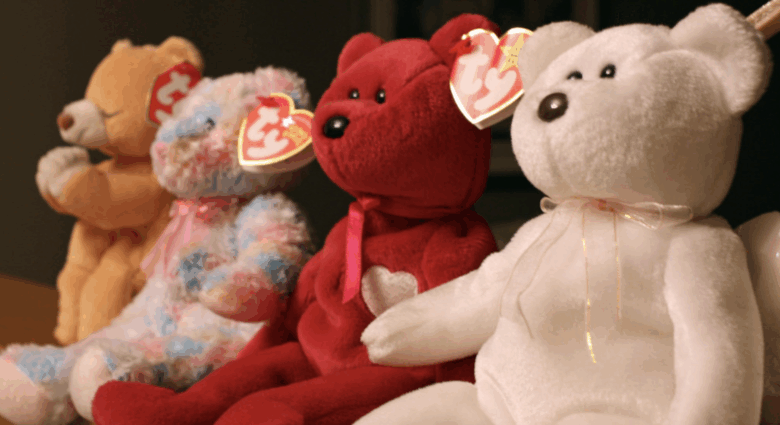
Beanie Babies were deliberately under-stuffed
Ty Warner showed nine originals at the 1993 Toy Fair in New York: Legs the Frog, Squealer the Pig, Spot the Dog, Flash the Dolphin, Splash the Whale, Chocolate the Moose, Patti the Platypus, Brownie the Bear and Pinchers the Lobster. Beanie Babies were deliberately under-stuffed so they would look posable. Princess Bear, made in memory of Diana, was retired in April 1999, and some Teddy versions resold for about $2,000.
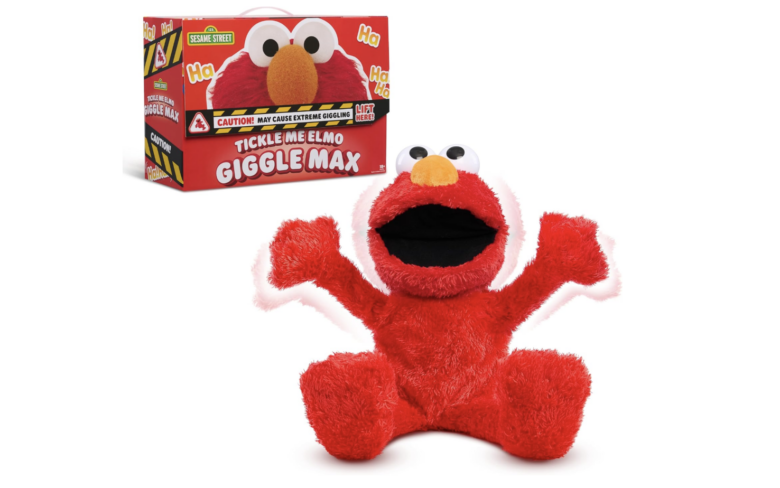
Tickle Me Elmo, 400,000 at first
Ron Dubren and Greg Hyman’s toy started as “Tickles the Chimp,” then briefly as a Tasmanian Devil. Tyco released Elmo in July 1996 with 400,000 units and ordered 600,000 more. By the end of December, a million had sold, and a Los Angeles radio auction went for $18,500. Hyman died on May 1, 2026, aged 78.
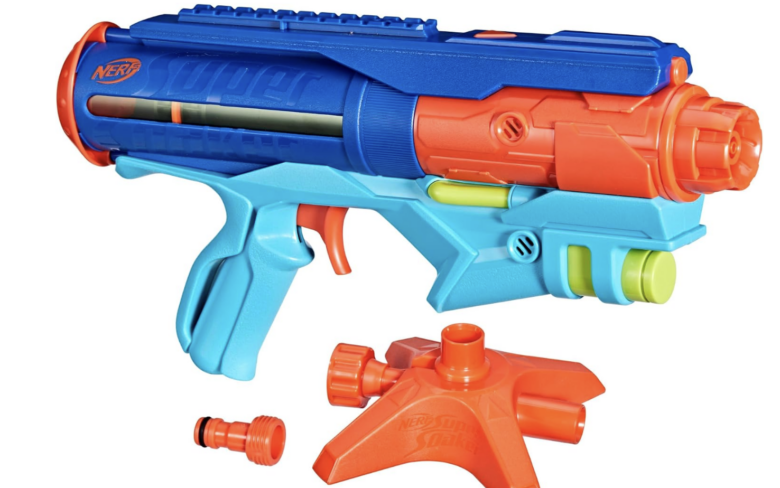
Super Soaker, born in a bathroom
NASA engineer Lonnie Johnson was testing a heat pump at home in 1982 when a nozzle sent a stream across his bathroom. He licensed the idea to Larami in 1989, and it first sold as the “Power Drencher” in 1990. Rebranded as Super Soaker in 1991, it made $200 million that year and became America’s top-selling toy. It entered the Toy Hall of Fame in 2015.
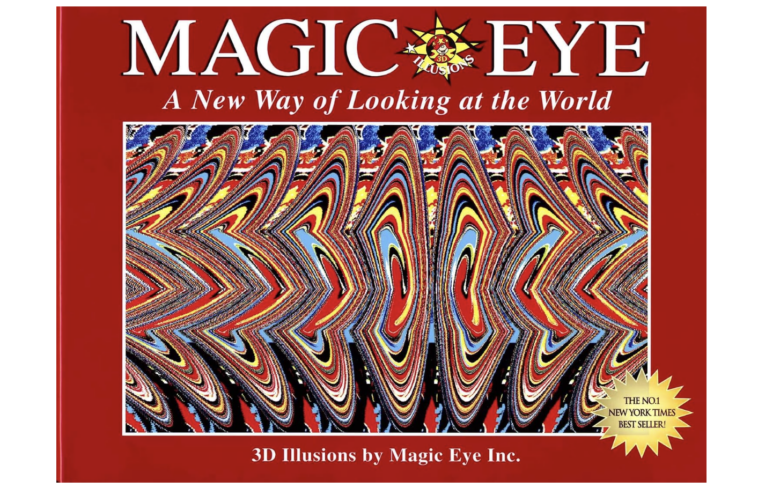
Magic Eye: 30,000 copies, gone
Tom Baccei and Cheri Smith of N.E. Thing Enterprises turned autostereograms into a brand, and Baccei mortgaged his house to fund it. The first US book sold out its 30,000-copy run, and Andrews McMeel printed 500,000 more. The first three volumes spent 73 weeks on the New York Times list.
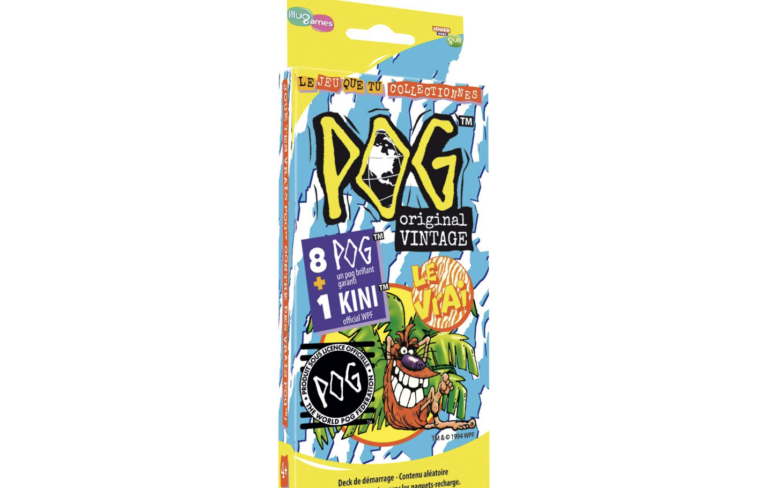
Pogs came from a Maui juice
POG stood for passion fruit, orange, and guava, a Haleakala Dairy drink. In 1991, a Hawaii teacher named Blossom Galbiso used its caps for a game. Alan Rypinski bought the POG name in 1993 and founded the World POG Federation. By 1994, some California schools banned the game for being disruptive or like gambling.
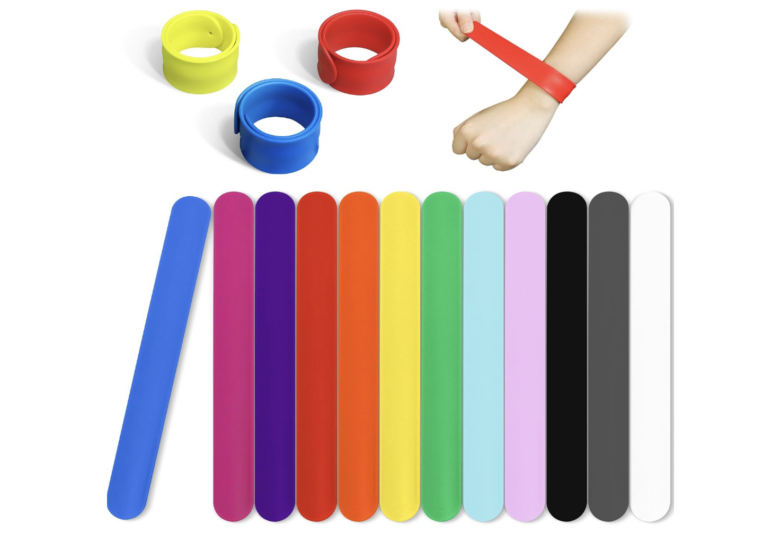
Slap bracelets began in a shop class
Wisconsin shop teacher Stuart Anders invented the Slap Wrap in 1983. Main Street Toys sold them at about $2.50 retail in 1990. Injuries from worn or knockoff versions led to bans, and in October 1990, a New York principal halted the fad.
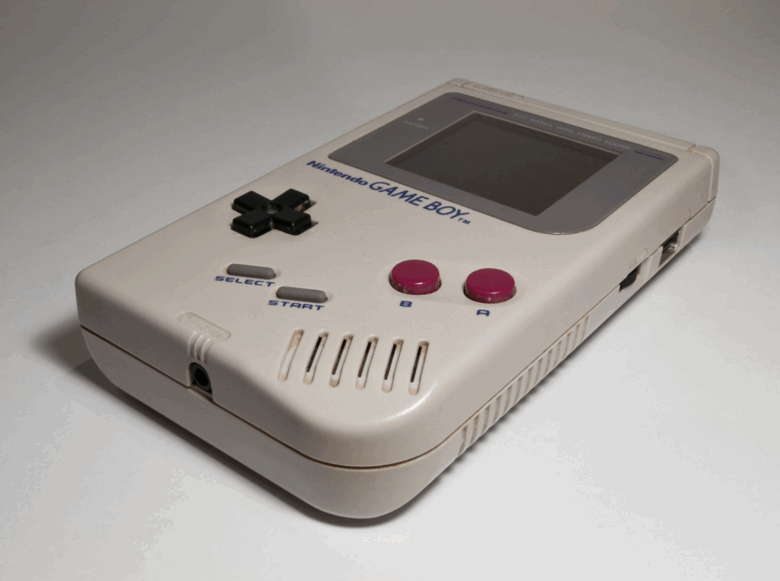
Game Boy, with Tetris in the box
It launched in Japan on April 21, 1989, and in North America on July 31 at $89.95, with 40,000 sold on day one. Henk Rogers convinced Nintendo of America to bundle Tetris instead of Super Mario Land. The Game Boy Color sold 118.69 million units, and Pokémon Red, Blue and Yellow were its best-selling games.

“Be kind, please rewind”
Rental stores like Blockbuster charged a fee for returning tapes unrewound. In 1993, a video magazine editor asked repair experts the worst thing you could do to a VCR, and the most common answer was rewinding rentals in the machine. Standalone rewinders existed to save the heads.
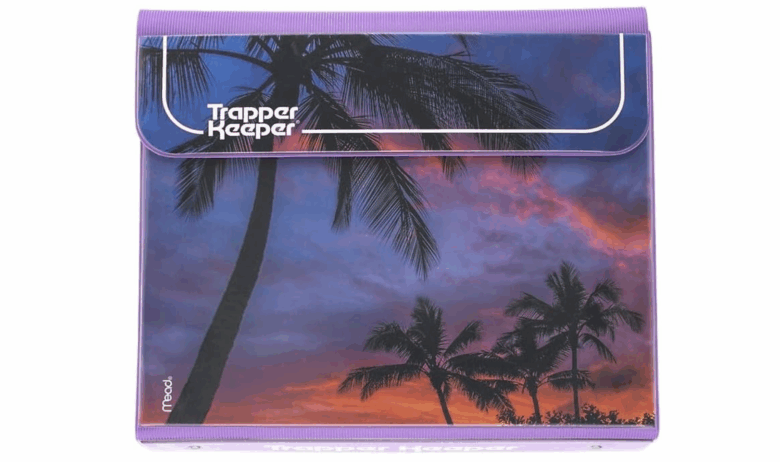
The Trapper Keeper, designer edition
Mead’s Designer Series ran from 1988 to 1995, with psychedelic patterns and licensed characters. Licensed art came from Star Wars, Garfield, and Lisa Frank. More than 75 million Trapper Keepers have been sold.
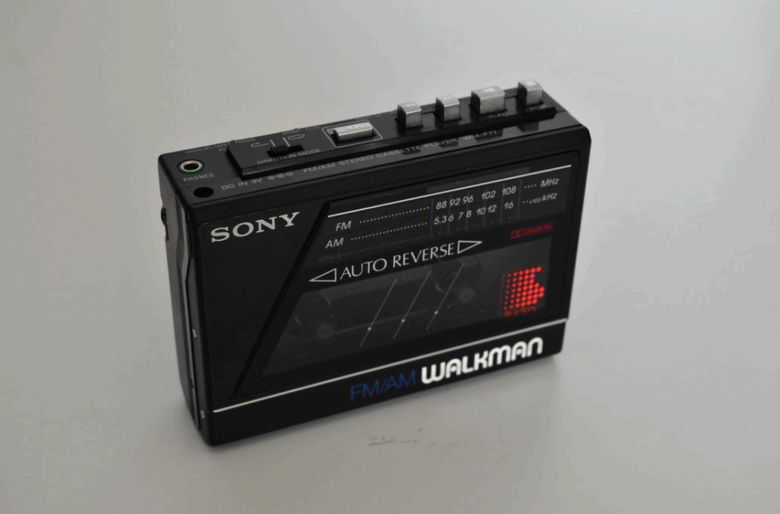
The Walkman, cassette edition
Sony’s first Walkman went on sale on July 1, 1979. By 1995, Sony had manufactured 150 million units. In the US, it was first sold as the Soundabout, and Sony’s chairman hated the name.
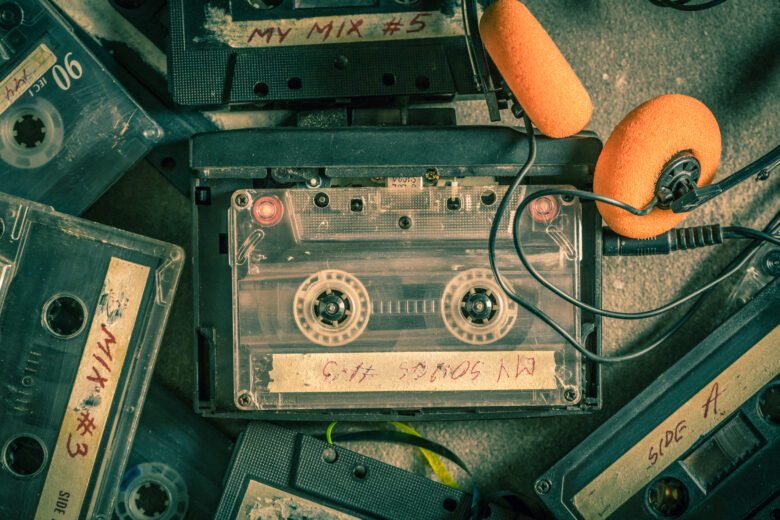
The bottom line
Three of these twelve were banned somewhere: Furbies at the NSA, and Pogs and slap bracelets in schools. The Tamagotchi alone sold about 40 million.
Ask us! What questions do you have about content, strategy, pop culture, lifestyle, wellness, history or more? We may use your question in an upcoming article!
Related:
Like MediaFeed’s content? Be sure to follow us.
This article was syndicated by MediaFeed.co.