10 slang words from the 2000s that used to be cool but aren’t anymore
When Tina Fey sat down with neighborhood teenagers to research slang for Mean Girls, she realized something: whatever she put in the script would be dead by the time the movie came out.
So she made a word up. “I just made it up,” she said of “fetch,” which she built from “fetching.” The rest of the decade’s slang came from rappers, reality stars, and typos.
Ten words follow, from a Mean Girls invention to a segment Stephen Colbert improvised minutes before taping.
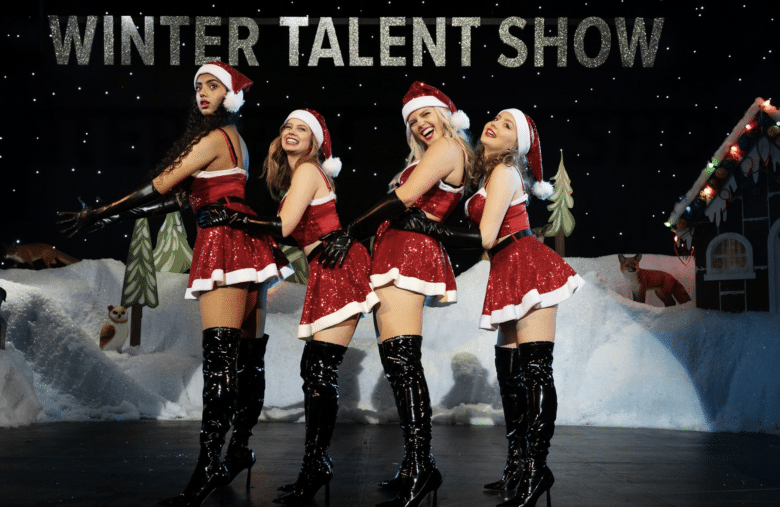
Tina Fey made up “fetch” on purpose
The line “stop trying to make fetch happen” has outlived the slang it was mocking. Fey wrote Mean Girls in 2004, and she has said she invented the word because real teen slang would expire before the film did. It’s the only word on this list that was designed to fail.
Bling, from a 1999 song
Rapper B.G.’s song “Bling Bling” is where the word’s widespread use began. It’s onomatopoeia, imitating the ding of shiny objects in TV commercials. “Bling” now sounds like a quote from a movie from a decade ago.

Frenemy
A journalist named Jessica Mitford used it in a 1970s article, and it didn’t spread widely until 1998. By the 2000s, it described the friend you were civil to while barely concealing a mutual dislike.
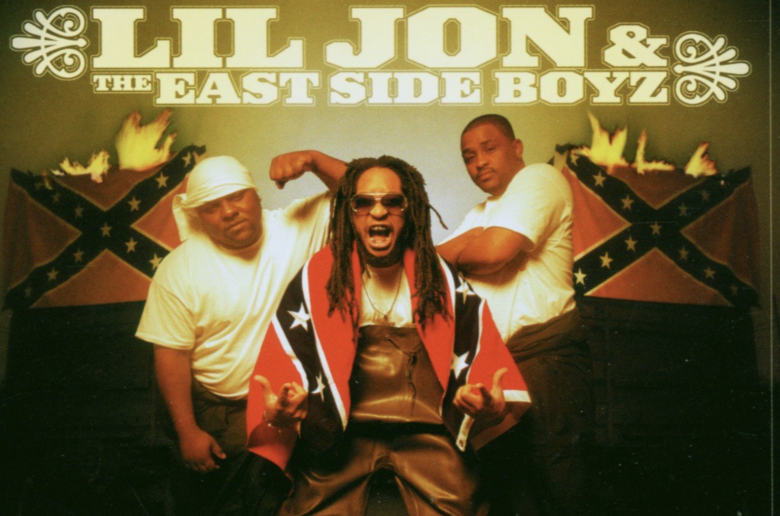
Who actually said “crunk” with a straight face?
A mix of “crazy” and “drunk,” it described high-energy partying in the Dirty South hip-hop scene, and Lil Jon’s music helped carry it into the mainstream. One writer asks how people used it seriously, and says the same about “turnt.”

That’s hot
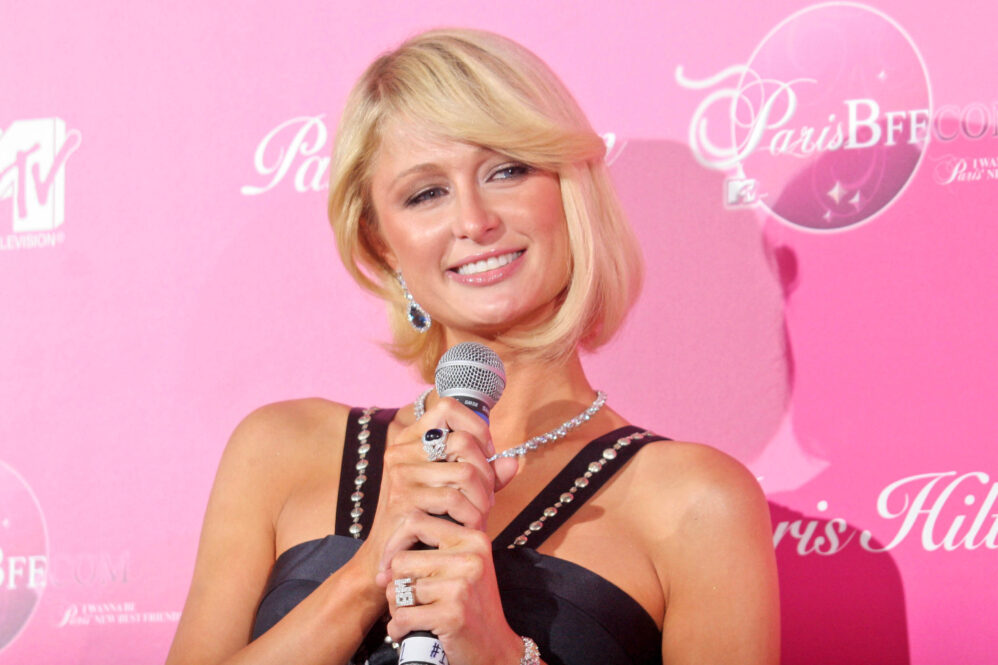
Paris Hilton paraded around on The Simple Life saying it about things she liked, and sometimes about things she didn’t. It stretched to cover everything from Juicy Couture tracksuits to designer flip phones.
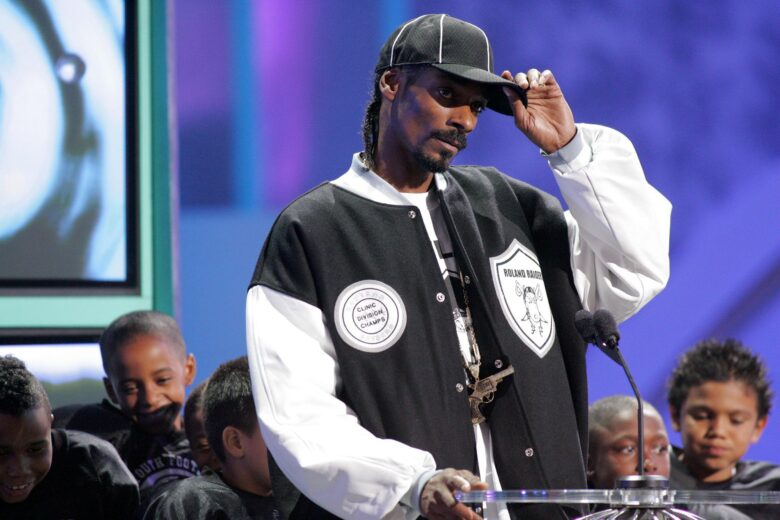
Doggy Fizzle Televizzle
That was the name of Snoop Dogg’s 2003 MTV sketch show, and “izzle” was the speech habit behind it: a nonsense addition to a word.
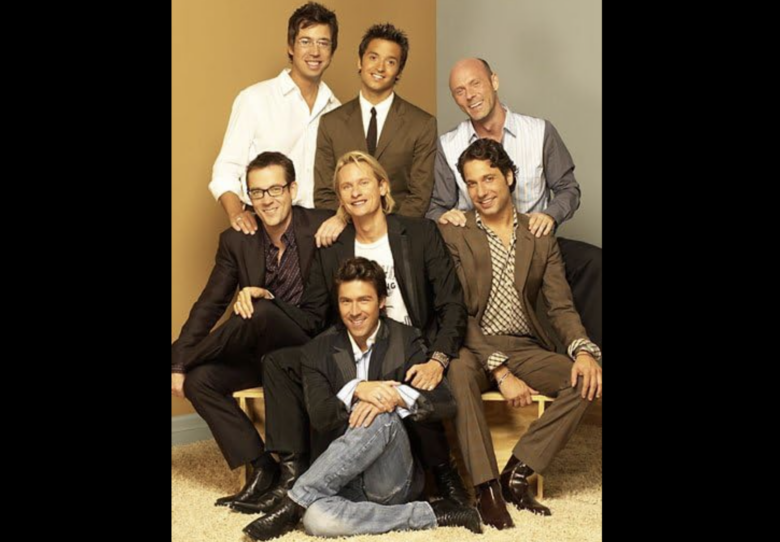
“Here Come the Mirror Men”
That’s the title of the 1994 essay in The Independent where journalist Mark Simpson coined “metrosexual.” He brought it to the U.S. in 2002 with a Salon piece, naming David Beckham as the prime example. The New York Times was the first American newspaper to print it; in 2003, the same year Queer Eye for the Straight Guy popularized it, the American Dialect Society named it Word of the Year. That year’s South Park episode treated it as a fad that spread like a virus.
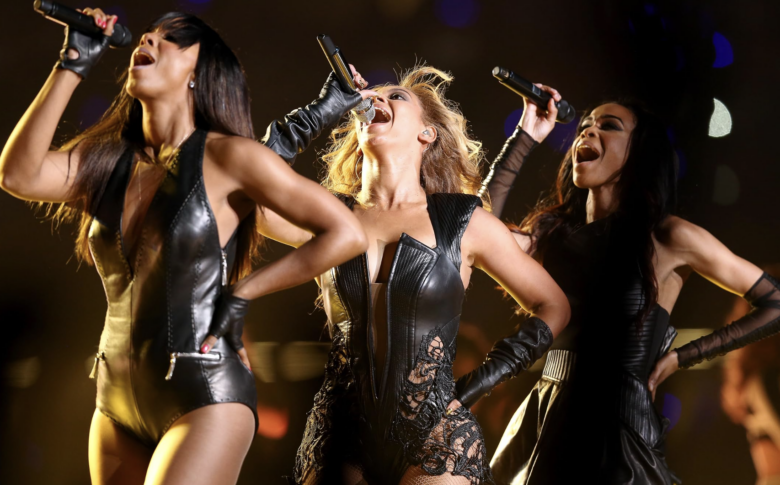
Bootylicious
Destiny’s Child’s 2001 hit made it widespread, and the Oxford English Dictionary added it in 2004. It had a prior life: Dr. Dre used it in 1992, when it meant “good.”
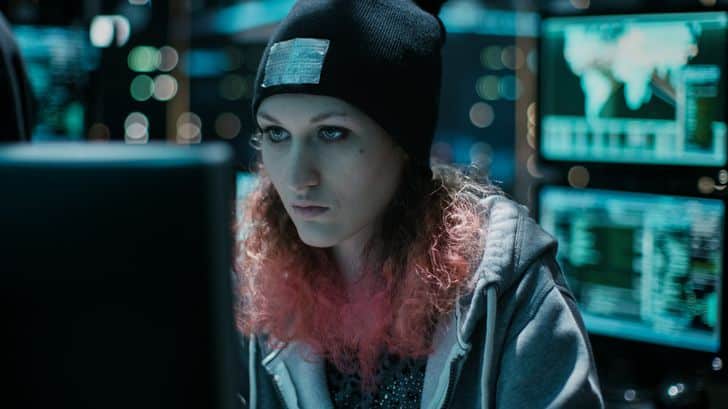
Nobody agrees on how “pwned” started
It may be a keyboard error, a “p” hit in place of the neighboring “o,” or a Warcraft map typo. Hackers were using “own” in the 1980s to mean taking control of a server, and one theory reaches back to MIT chess programmers in the 1960s.
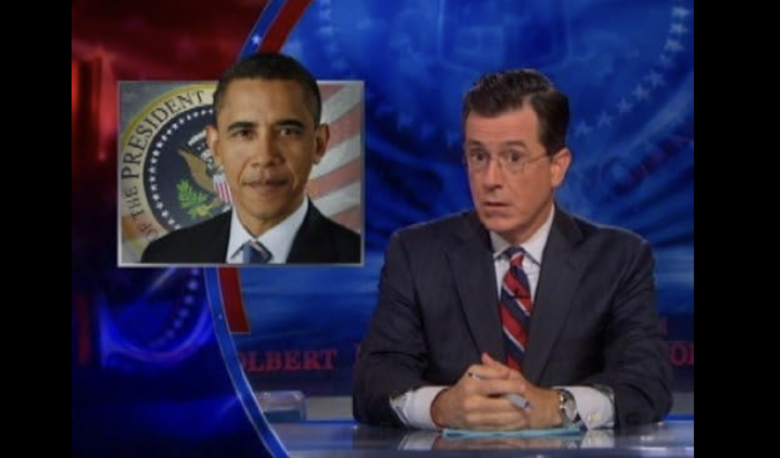
Colbert picked “truthiness” moments before taping
He’d scripted the word “truth” for the first segment of The Colbert Report on October 17, 2005, then decided it wasn’t ridiculous enough and chose “truthiness” moments before taping. The American Dialect Society named it Word of the Year for 2005, and Merriam-Webster picked it for 2006, where it won 5-to-1 over “war” and “insurgent.” Colbert replied by email that he wasn’t a fan of reference books but was a fan of anyone who honored him.
The word wasn’t new, either. The OED has an 1824 example, where it meant truthfulness.

The bottom line
Two of these were invented on purpose, one for a movie and one for a TV segment. The rest came from songs, reality shows, an essay, and a keyboard slip.
Ask us! What questions do you have about content, strategy, pop culture, lifestyle, wellness, history or more? We may use your question in an upcoming article!
Related:
- 10 slang words from the ’70s that need to make a comeback ASAP
- Some of the most surprising record deals in music history
Like MediaFeed’s content? Be sure to follow us.
This article was syndicated by MediaFeed.co.