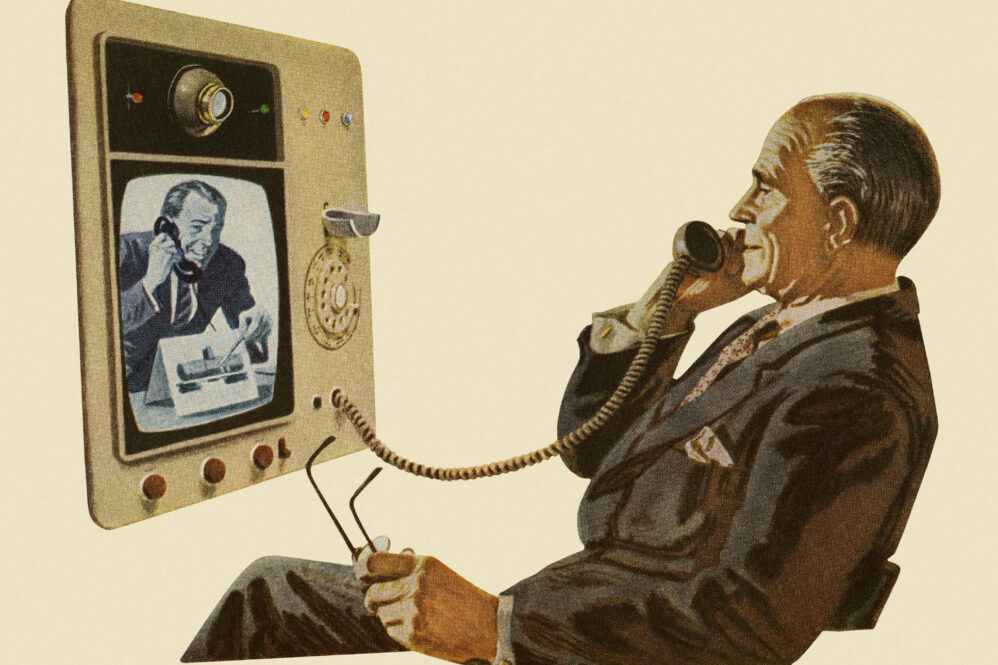
Abandoned inventions that were actually ahead of their time
Seventy-one calls is the total number of video calls placed through AT&T’s public Picturephone booths in their first six months of operation in 1964, a technology that would eventually become FaceTime decades later, except nobody wanted it yet at $27 for three minutes.
Five more inventions below got the timing wrong in exactly that same way: right idea, decades too early for anyone to actually want it.
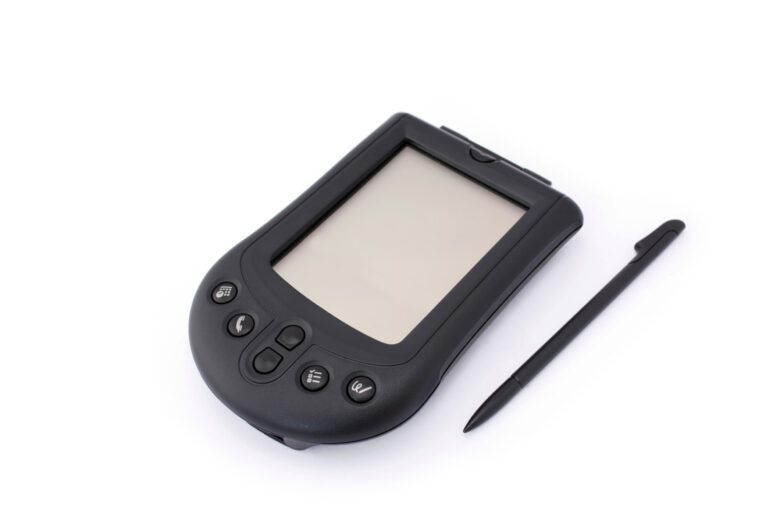
“We were just way ahead of the technology”
That’s how an Apple engineer later described the Newton MessagePad, launched in 1993 with handwriting recognition, contact storage, and calendar management packed into a device the size of a notepad. The hardware simply couldn’t keep up with the software’s ambitions, and the product limped along for years before Apple quietly discontinued it.

J.P. Morgan asked Tesla a question that killed an entire wireless power grid before it was finished
Free electricity worldwide meant no meters, which meant no profit for anyone funding it. Morgan withdrew his support once he understood that part of the plan, and Tesla’s 187-foot tower on Long Island sat half-finished until 1917, when its new owner had it dynamited for scrap metal.

A typing layout that beats QWERTY on every real metric never stood a chance
The Dvorak keyboard, patented in 1936, places the most commonly used letters directly on the home row, measurably reducing finger travel distance compared to the century-older QWERTY standard. Decades of typists, keyboards, and muscle memory made switching costs high enough that almost nobody ever did.
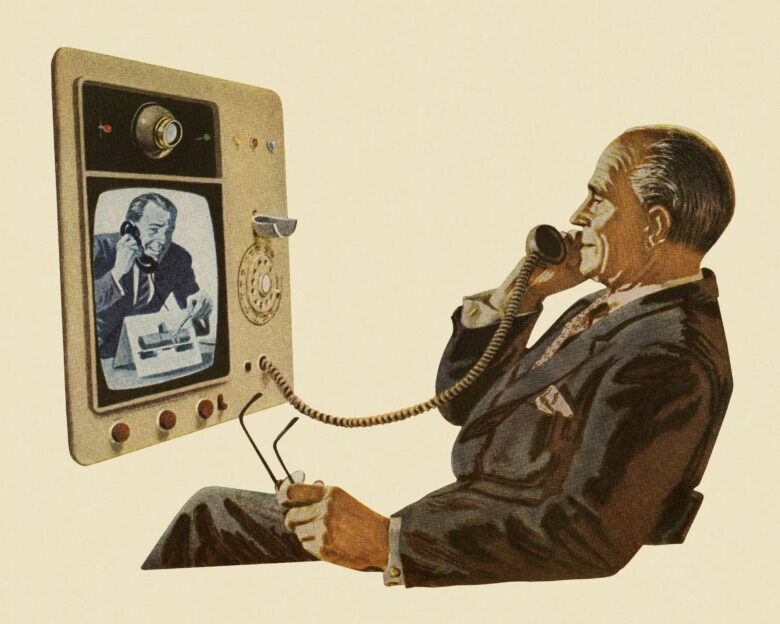
The Picturephone cost roughly $600 for a 15-minute call once adjusted for inflation
AT&T unveiled it at the 1964 World’s Fair to genuine public fascination, with long lines forming to try the booths. Commercial rollout in Pittsburgh and Chicago followed in 1970 and failed just as badly, partly because video calling only works once both parties already own the equipment, and almost nobody did yet.

The bottom line
None of these ideas were actually wrong. The timing was. Someone else eventually built each one again, better, once the rest of the world finally caught up to the original idea.
Ask us! What questions do you have about content, strategy, pop culture, lifestyle, wellness, history or more? We may use your question in an upcoming article!
Related:
- Historical “discoveries” that turned out to be elaborate hoaxes
- Some of the most surprising record deals in music history
Like MediaFeed’s content? Be sure to follow us.
This article was syndicated by MediaFeed.co.