Popular foods from the past that would probably shock kids today
A 1950s cookbook featured a gelatin section sitting right there alongside the pot roast recipes, no separation, no warning label, just one more category of normal Tuesday dinner. A photo of tongue suspended in clear jelly got the exact same respectful lighting as the apple pie on the facing page.
That’s roughly the spirit behind every dish below. Nothing on this list was hidden or apologized for. Each one got served proudly, often specifically because of how it looked rather than in spite of it.
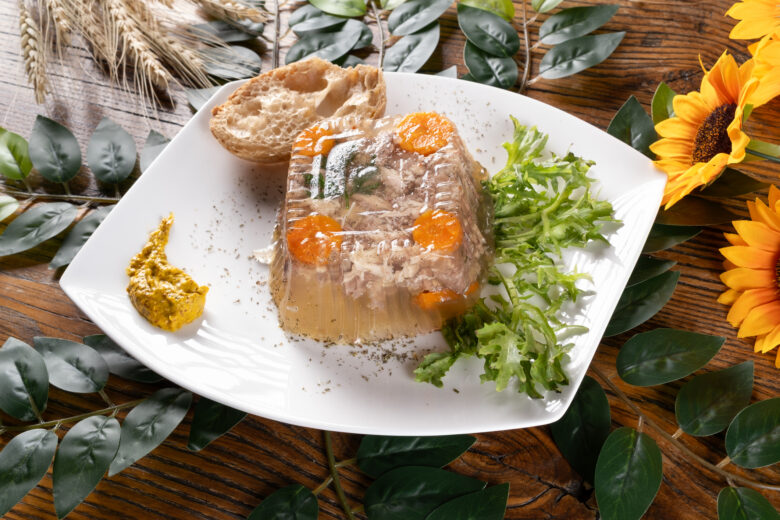
Aspic
Meat. Seafood, sometimes vegetables, all suspended in clear gelatin and served as a showpiece at dinner parties, not hidden away. Tongue and boiled eggs floated right there in the jelly, on purpose, as the centerpiece.
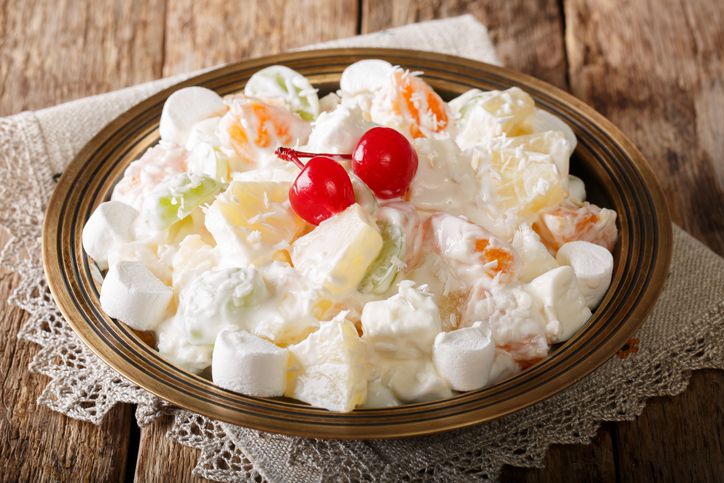
Orange slices, coconut, sugar; none of that sounds like dessert on its own
Ambrosia started that way in the 1800s, closer to fruit salad than anything sweet. A marketing push for marshmallow whip dragged it toward dessert by the 1930s, and it stayed there, a fixture on Southern holiday tables ever since.
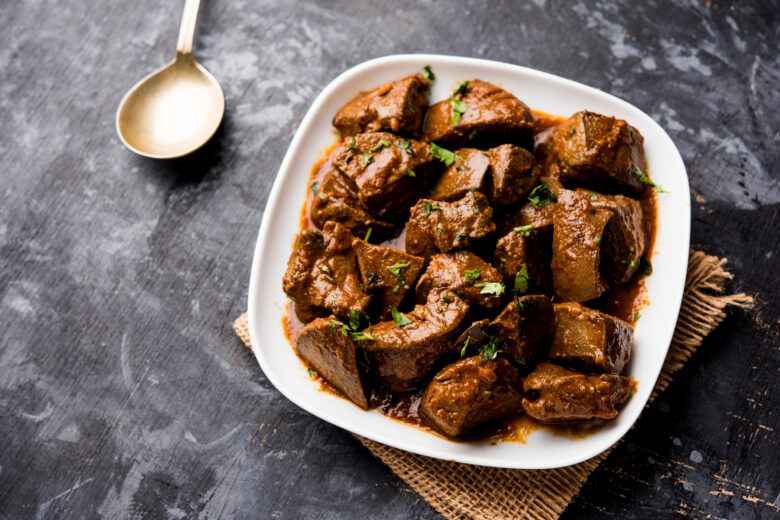
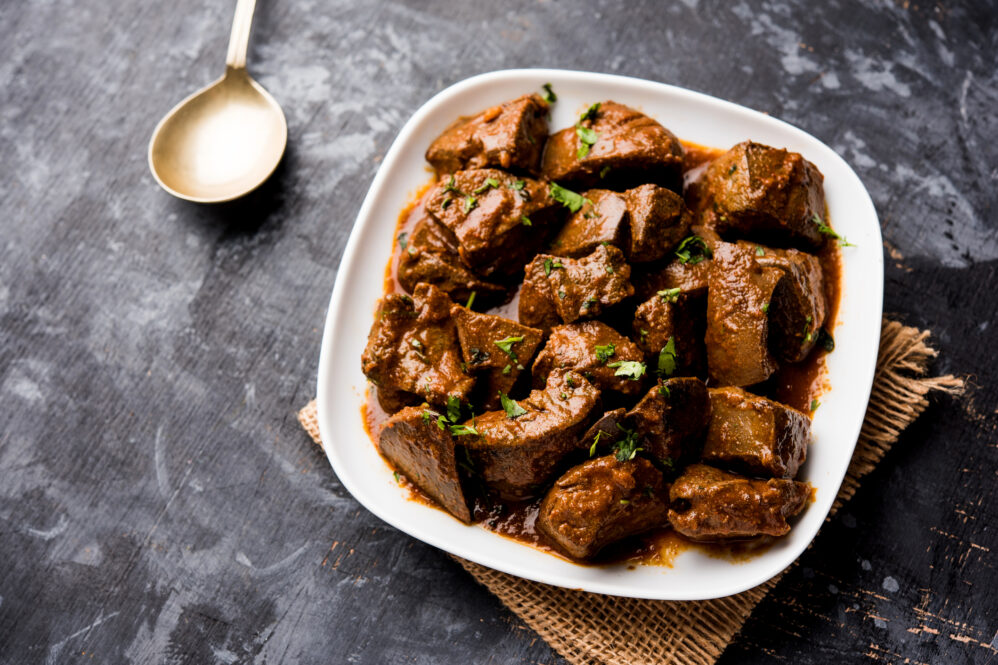
Why liver, every single week, instead of saving it for something special?
Affordability, lots of iron content. A real, widespread belief it was actually good for you. The dish held its weekly spot through the Depression and well beyond it, only fading once the 1970s brought cheaper protein into reach.
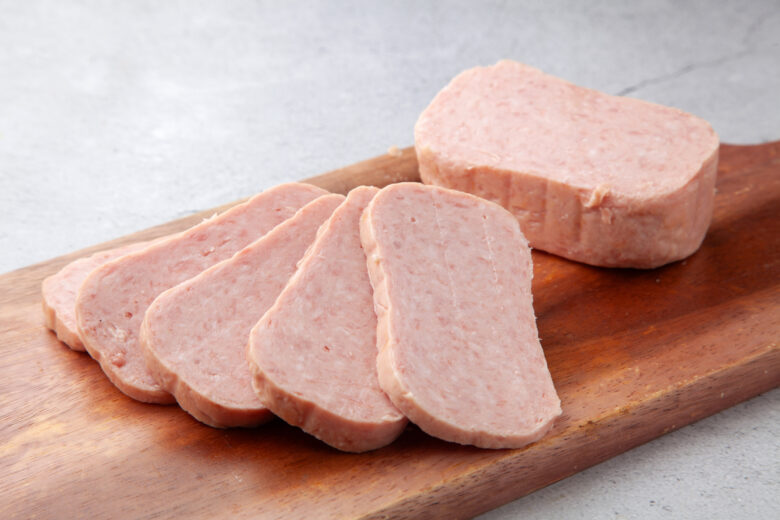
By 1940, seven out of ten Americans had already tried it
Spam launched in 1937 as an affordable way for Hormel to move surplus pork shoulder, and it caught on fast enough that most of the country had sampled it within three years. Fried. Folded into casseroles. Sliced straight onto sandwiches without anyone hesitating. The punchline reputation came decades later, once better options existed.

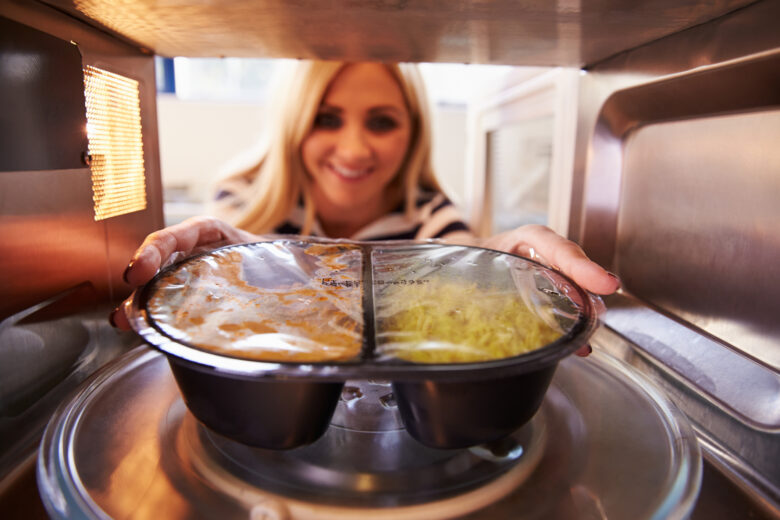
A surplus of 260 tons of frozen turkey is the real reason this tray exists
Swanson had ten rail cars of unsold Thanksgiving turkey sitting around in 1953, and a salesman’s fix for the surplus turned into the first mass-marketed TV dinner the following year. Meat here. Vegetable there. Starch sealed off in its own corner, on purpose. Futuristic in 1954. A little sad looking back at it now.
The bottom line
None of these dishes looked strange on the table then. Convenience, presentation, and stretching a grocery budget shaped every one of them, and the shock factor only shows up now that those priorities have shifted elsewhere.
Ask us! What questions do you have about content, strategy, pop culture, lifestyle, wellness, history or more? We may use your question in an upcoming article!
Related:
- Historical “discoveries” that turned out to be elaborate hoaxes
- Some of the most surprising record deals in music history
Like MediaFeed’s content? Be sure to follow us.
This article was syndicated by MediaFeed.co.