Strange products that were once considered totally normal
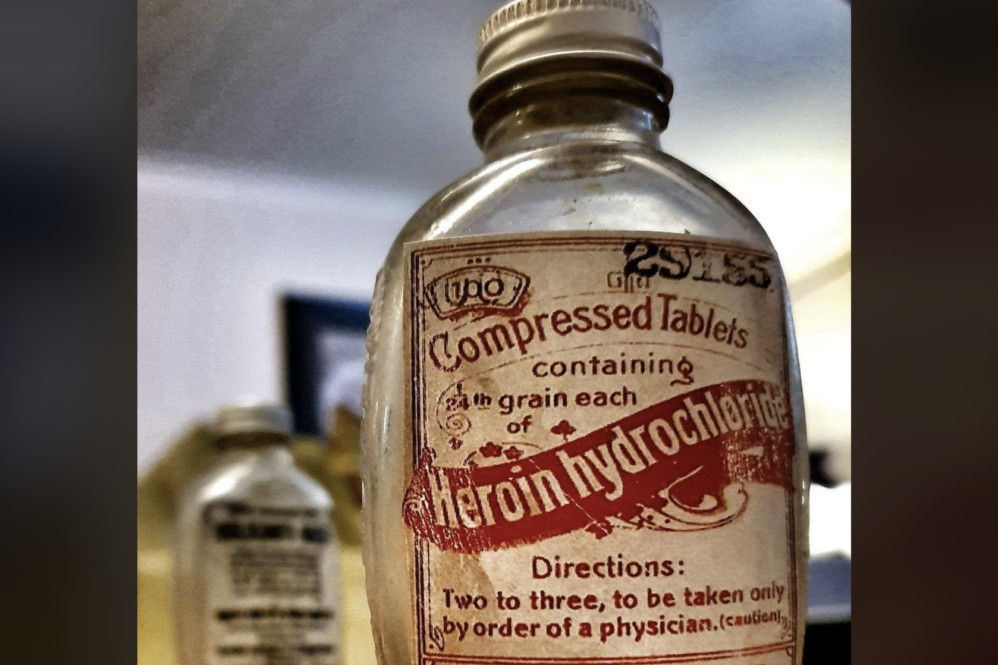
Cocaine was listed as an active ingredient on the original Coca-Cola label. Heroin was marketed by Bayer in 1898 as a non-addictive substitute for morphine, sold over the counter until 1914. These are the famous examples. They tend to end conversations about historical product safety with a kind of stunned silence that suggests nothing else could possibly be stranger.
Then you keep reading.
Radioactive water: a wellness product
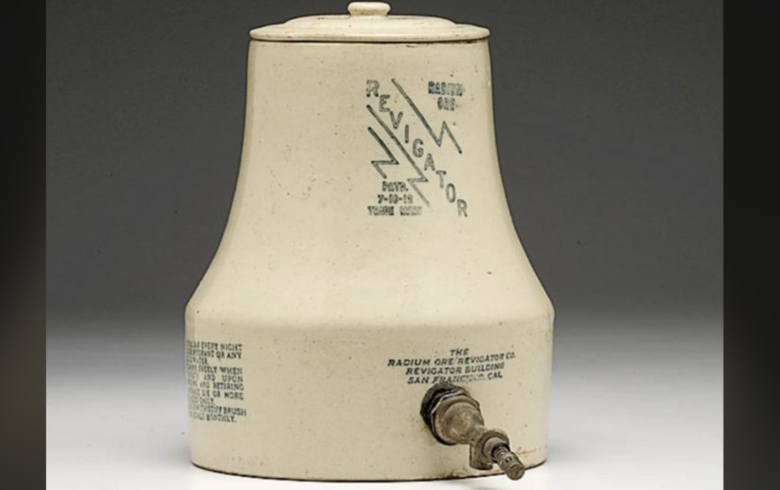
The Revigator was a ceramic crock sold at department stores from roughly 1912 onward, designed to sit by the bedside and irradiate drinking water overnight. The theory was that naturally radioactive spring water had curative properties. The AMA Journal of Ethics documented the full arc of the radium wellness industry, which also produced radium face cream, radium toothpaste, and radium chocolate. The crocks leached actual radium into the water for eight hours. Users drank it in the morning. There were testimonials from satisfied customers. Some of those customers later developed radiation poisoning. The testimonials had already run.
“For asthma”
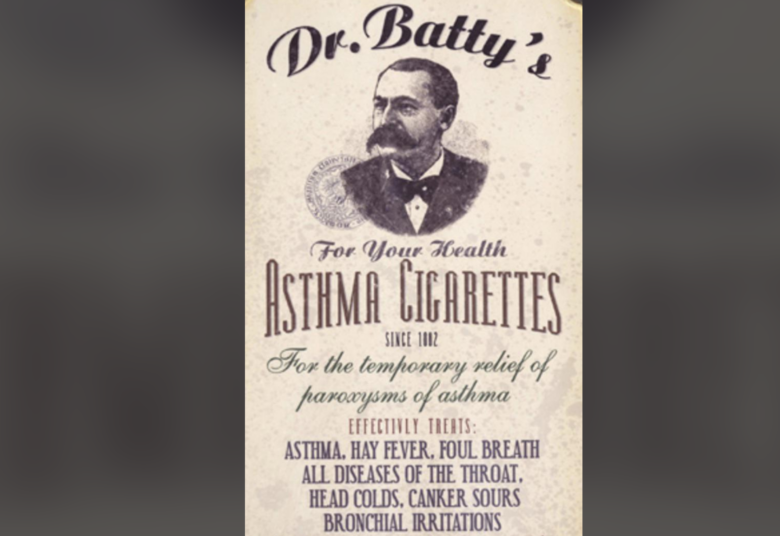
Dr. Batty’s Asthma Cigarettes were not metaphorical. They were cigarettes, marketed directly for respiratory conditions, sold through the late 19th and early 20th centuries on the theory that the smoke opened the bronchial passages. Stanford University’s tobacco archive holds original advertisements for Dr. Batty’s from 1890 alongside other medicinal cigarette brands that persisted into the 1950s in some markets. Physicians recommended them. Not alternative practitioners. Physicians. For asthma. The marketing did not hedge. The packaging said what it was for.
Heroin, in the children’s aisle
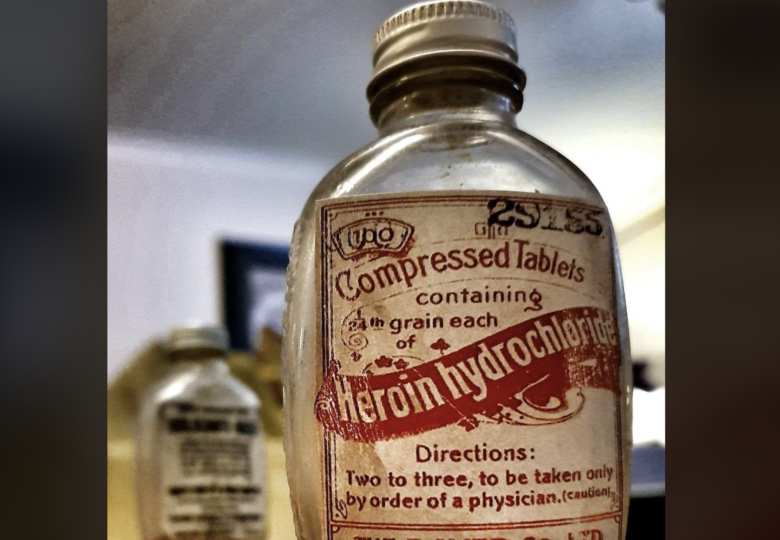
Bayer began marketing diacetylmorphine in 1898 under the brand name Heroin, a name derived from the German word for heroic, because early clinical testers reported feeling strong and energetic. The Smithsonian confirmed it was sold as a non-addictive substitute for morphine, available without a prescription, and advertised in medical journals. It also included formulations for children’s coughs. It sat on the pharmacy shelf. It was considered an improvement.

Arsenic in the wallpaper, the clothing, and the cosmetics
Victorian arsenic was not a poison in the Victorian imagination. It was a pigment. The Smithsonian documented the element appearing in wallpaper, food coloring, baby carriages, and cosmetics throughout the 19th century. The vivid emerald green that decorated fashionable Victorian interiors and dress fabrics was Paris Green, an arsenic compound. Women wore it. Children slept under it. Amounts that were lethal to children and the elderly were metabolized without obvious immediate harm by healthy adults, which is one reason it took so long for anyone to accept that surrounding yourself with arsenic was a problem.

Uranium glass
Contains uranium oxide. Glows green under ultraviolet light. Produced as decorative tableware from the 1830s through the mid-20th century and sold for its attractive pale yellow-green color. The EPA documents that uranium was used in glazes on ceramics, pottery, and Fiestaware produced before 1973. The uranium content is low enough that normal handling poses minimal measurable risk, which is the sentence that takes a moment to process. People ate dinner off these plates. The dishes are now collectibles. The collectors know what they contain.

The bottom line
The pattern here is not ignorance. The people selling the Revigator genuinely believed the product worked. The physicians recommending asthma cigarettes were operating on the best available theory of the day. The Bayer marketing team was not hiding anything. What looks strange now was simply the era’s operating assumption. The assumption changed. The products are what they always were.
Ask us! What questions do you have about content, strategy, pop culture, lifestyle, wellness, history or more? We may use your question in an upcoming article!
Related:
- Historical “discoveries” that turned out to be elaborate hoaxes
- Some of the most surprising record deals in music history
Like MediaFeed’s content? Be sure to follow us.
This article was syndicated by MediaFeed.co.