Forgotten car accessories we used to think were peak luxury
Luxury is a genuine double entendre, and understanding why explains most of this list. It can mean something functionally excellent, engineered without compromise. It can also just mean something that looks expensive, regardless of whether it actually improves anything about the experience. The auto industry spent decades selling the second definition while letting buyers assume they were getting the first.
Six accessories that cashed in on exactly that confusion.
The Continental kit
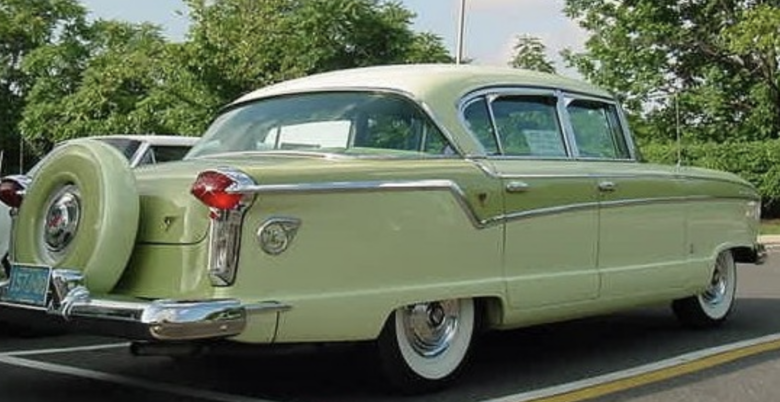
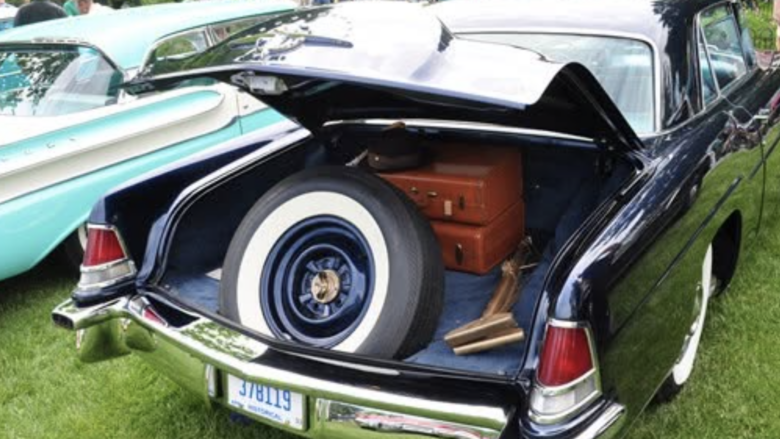
An externally mounted spare tire, bolted upright behind the rear bumper, became a genuine status symbol through the 1950s and 60s after Lincoln popularized the look on its original Continental. By the 1970s, improved trunk space and tire technology had made the actual spare tire mount unnecessary, so manufacturers kept the look anyway, stamping a fake tire-shaped bulge directly into solid sheet metal purely for the silhouette.
The vinyl roof
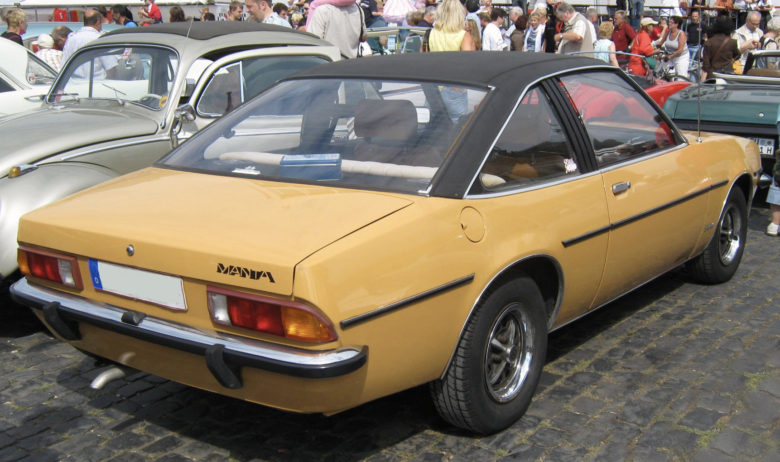
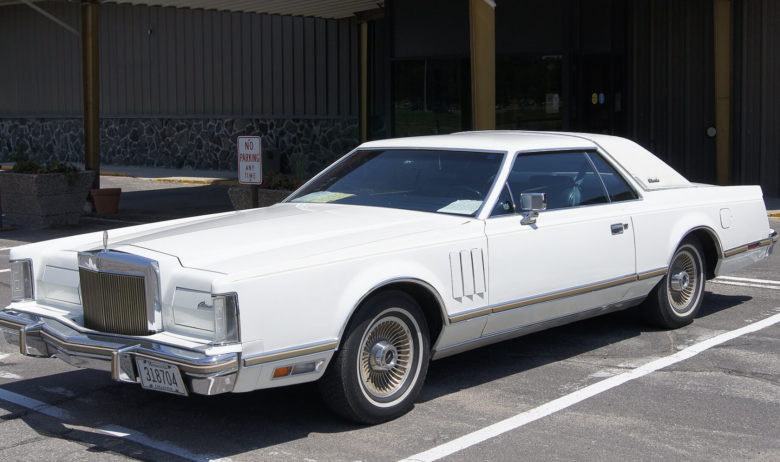
A fabric-textured vinyl covering stretched over a car’s actual steel roof, meant to evoke the look of a traditional convertible top or an expensive coach-built body. It added real cost and, over time, real problems: moisture trapped between the vinyl and the metal accelerated rust in exactly the spot buyers were paying extra to make look distinguished.
Opera lights
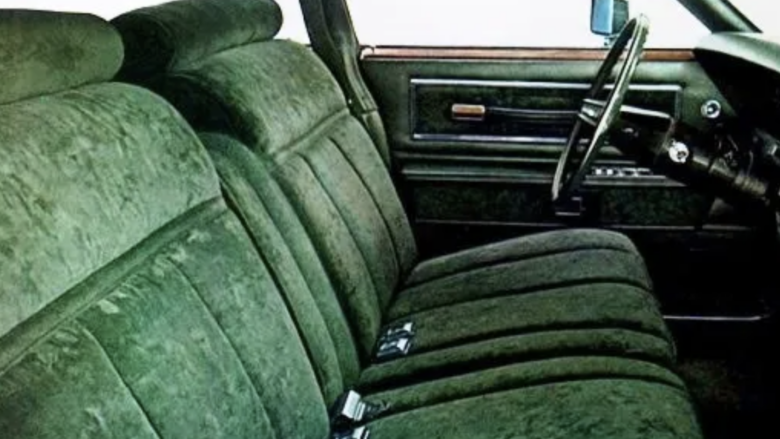
Small decorative lamps mounted on the rear roof pillars, a callback to actual opera-house sconces from a much earlier era of coach-built luxury automobiles. Lincoln’s 1977 Mark V Givenchy Edition paired them with a half vinyl roof and a jade green velour interior, a combination that read as pure sophistication at the time and reads, decades later, as a lot of separate decorative gestures stacked on top of one another.
Crushed velour upholstery
Soft, richly textured, and marketed relentlessly as the fabric equivalent of leather at a lower price point. Lincoln’s own 1979 Town Car brochure specifically offered Twin Comfort Lounge seats in Valleao velour or leather as interchangeable options at nearly the same price tier, which tells its own story about how the fabric was actually positioned in the buyer’s mind.
The simulated spare-tire trunk bulge
A rounded hump stamped directly into a solid trunk lid, designed purely to suggest a Continental kit was hiding underneath it, with nothing actually there. This styling trick outlasted the real accessory it was imitating by decades, remaining a Lincoln Mark series hallmark all the way through the 1998 model year, three decades after real spare tires had permanently moved back inside the trunk.
Fender skirts
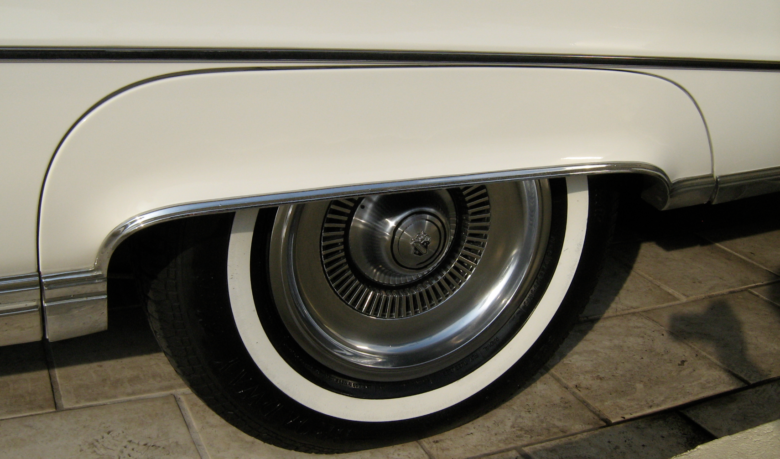
Covers that fully enclosed the rear wheel wells, hiding the tire and rim entirely for a smoother, more streamlined side profile. The look was common enough on full-size GM luxury cars through the mid-1960s that Cadillac, Buick, and Oldsmobile all offered it across multiple model lines. In practice, they made rear tire changes and basic maintenance considerably more of a hassle, an aesthetic choice that traded function for silhouette without much apology.
The bottom line
Every item here sold an idea of luxury more than a functional improvement, chrome and vinyl standing in for genuine engineering. Whether that’s a failure of the buyers who wanted it or the industry that kept selling it depends entirely on which side of the sale someone was standing on.
Ask us! What questions do you have about content, strategy, pop culture, lifestyle, wellness, history or more? We may use your question in an upcoming article!
Related:
Like MediaFeed’s content? Be sure to follow us.
This article was syndicated by MediaFeed.co.