
Creepy archaeological finds that scientists have quietly stopped talking about
Science claims to explain everything eventually, given enough time and evidence. That claim has a limit, and it shows up in an oddly specific way when certain discoveries get a wave of genuine attention, spark real controversy, then simply fade from serious discussion.
Here are a few that need consideration.
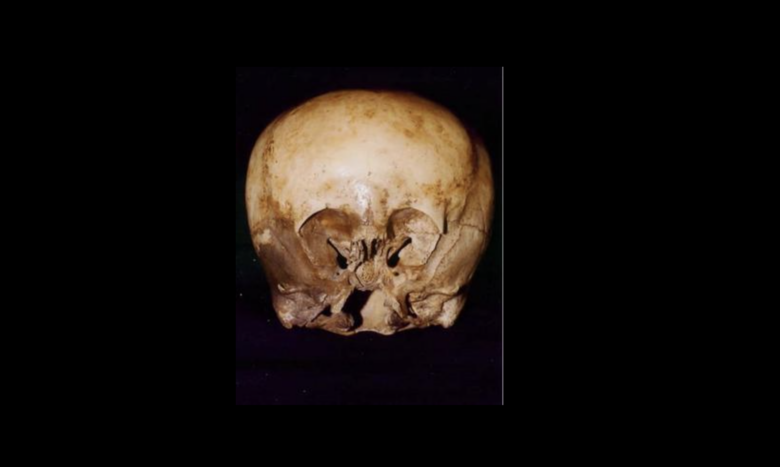
The Starchild Skull
Found in a Mexican mine tunnel in the 1930s, the Starchild Skull became a paranormal television staple purely because its proportions deviated so far from a normal human head. DNA testing closed the case. Maternal DNA traced to a Native American haplogroup, fully human, likely a case of congenital hydrocephalus. What actually remains unsettling has nothing to do with aliens: this child survived five years with that severity of deformity, in a rugged hunter-gatherer environment, cared for the whole time.
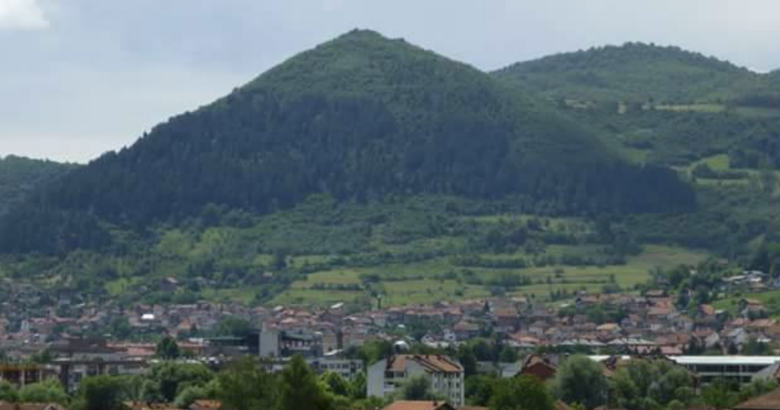
Bosnia’s world’s largest pyramids?
Mainstream geology stopped humoring the question years ago. Hills near the town of Visoko match flatirons, a well-documented natural landform produced by uneven erosion between hard and soft rock layers. The European Association of Archaeologists didn’t stop at disagreement either, formally labeling the claim a “cruel hoax” and flagging genuine damage to nearby archaeological sites as a result.

Bimini Road
A psychic predicted Atlantis evidence would surface near Bimini in 1968. That same year, divers actually found something: a long, suspiciously regular stretch of underwater stone. Radiocarbon dating placed the rocks at 2,800 to 4,000 years old. Geologists identified the material as beachrock, limestone that naturally fractures into rectangular, pavement-like blocks along the coast. Here’s the detail that rarely survives the Atlantis retellings: the formation doesn’t lead anywhere, curving in a shape consistent with an ancient shoreline instead of a built road.

“Metallic spheres” with impossible grooves
That’s how a 1996 television broadcast described small stone balls pulled from South African rock three billion years old. A geologist who actually studied the formation found ordinary concretions instead, mineral deposits that grow spherical inside fine volcanic rock, their grooves simply mirroring the natural sediment layers they formed inside. Thousands of comparable concretions exist worldwide. Exactly one of them ended up on a documentary about UFOs.

The bottom line
None of these mysteries got a dramatic, headline-ready reveal. Fieldwork resolved each one quietly enough that it barely made news the second time around, and true believers stayed exactly as convinced as they started.
Ask us! What questions do you have about content, strategy, pop culture, lifestyle, wellness, history or more? We may use your question in an upcoming article!
Related:
- Historical “discoveries” that turned out to be elaborate hoaxes
- Some of the most surprising record deals in music history
Like MediaFeed’s content? Be sure to follow us.
This article was syndicated by MediaFeed.co.