Classic ’70s TV shows that would be canceled today
Judging a decade’s entertainment by today’s standards is a little like walking across loose sand. Every step risks sinking somewhere unfair, because television doesn’t get made in a vacuum. It responds to what a given era is actually consuming, which artistic conventions are dominant, and what a network thinks an audience wants that year.
That context doesn’t erase the content, though. A handful of the most beloved sitcoms and dramas of the 1970s carried assumptions about race, gender, and sexuality that no network would greenlight now, no matter how fondly the shows themselves get remembered.
Six of the biggest offenders below.
All in the Family
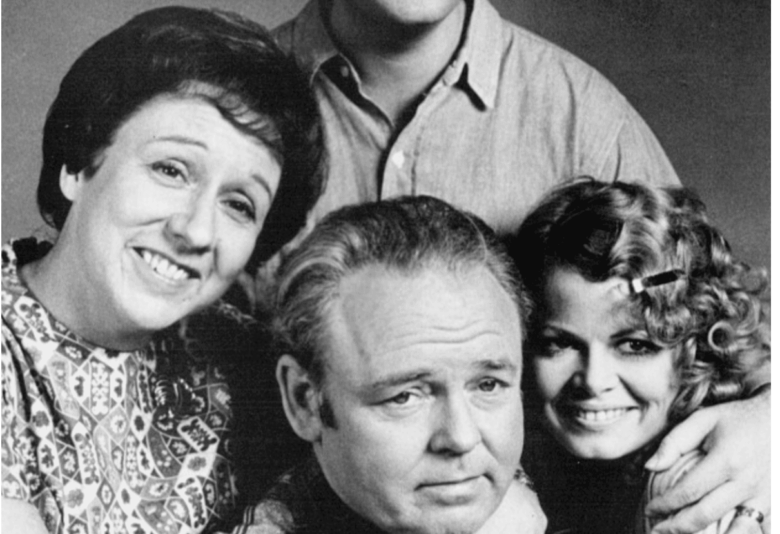
Norman Lear’s sitcom tackled racism, abortion, and the Vietnam War at a time when most television avoided all three, which is part of why it’s still considered one of the more progressive shows of its era. The problem is Archie Bunker himself, a bigot the show made deliberately lovable, delivering lines that a modern writers’ room would never let stand without direct pushback from another character.
Three’s Company
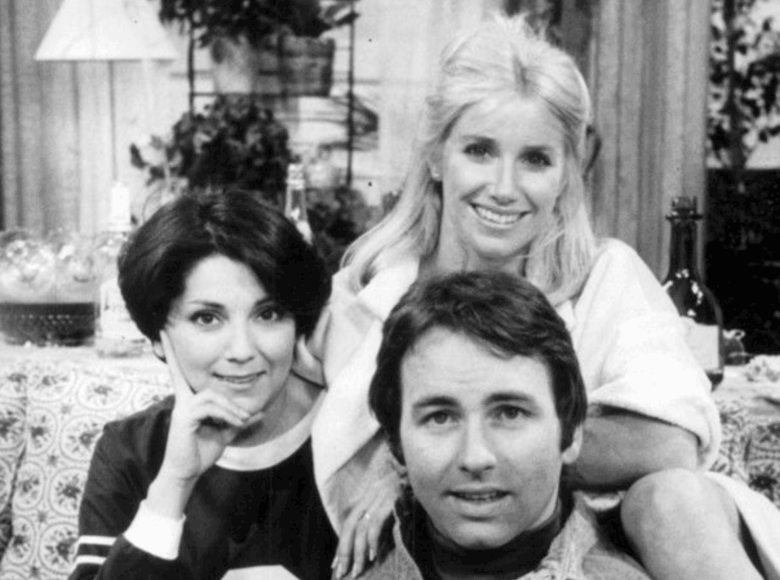
The entire premise depends on two jokes that haven’t aged well at all: that a landlord would object to a man living platonically with two women, and that the solution is having that man fake being gay to avoid suspicion. ScreenRant’s retrospective points out that the show never centers an actual LGBTQ+ character, and instead uses the identity as a running punchline for six seasons.
Chico and the Man
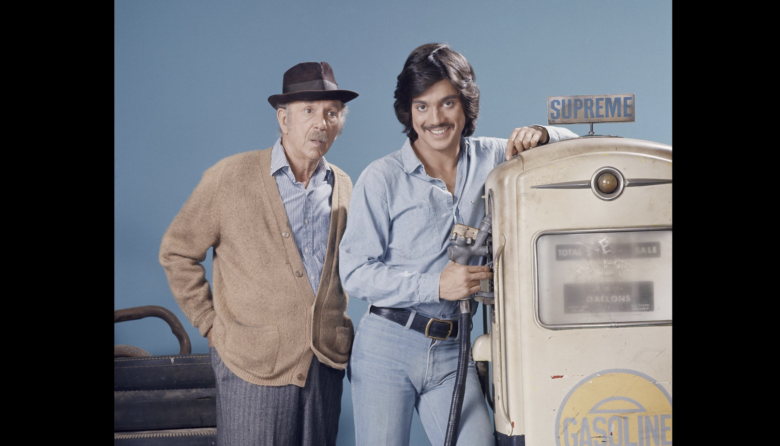
An American remake of a British sitcom, the U.S. version leaned so heavily on ethnic stereotypes that critics at the time flagged it for repeating “offensive talking points without much introspection.” It lasted only 12 episodes before cancellation, a fast fall even by the era’s standards.
Charlie’s Angels
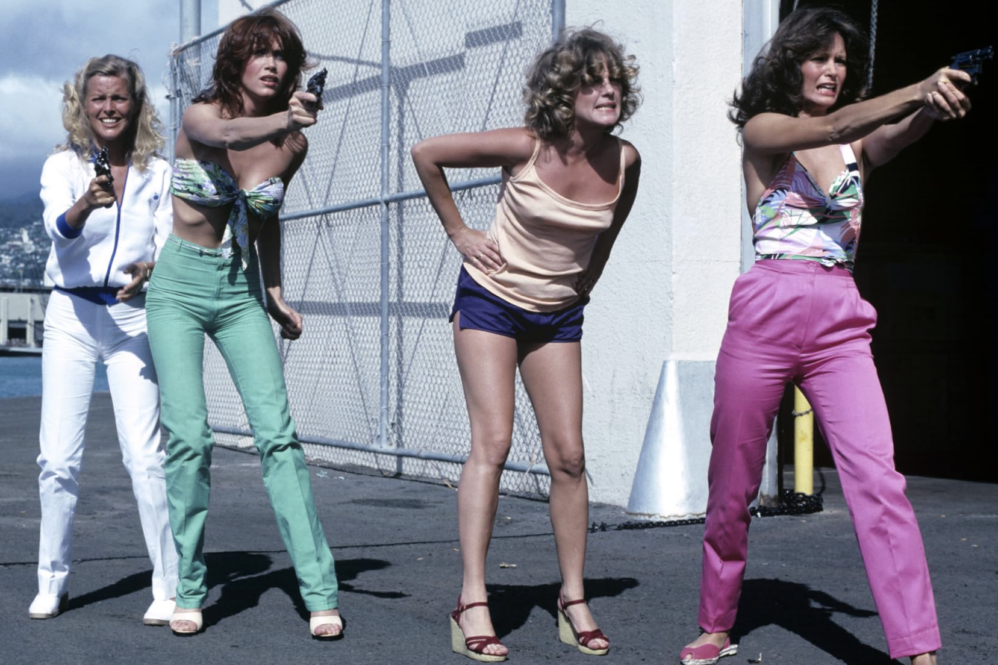
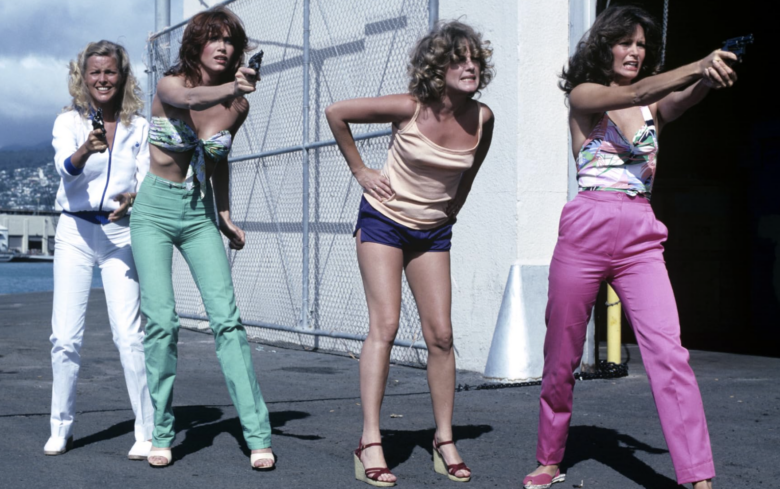
Three capable women working as private investigators arrived at the peak of second-wave feminism, which should have made the show a genuine feminist touchstone. Instead, the camera, and the marketing built around it, treated Farrah Fawcett, Jaclyn Smith, and Kate Jackson primarily as sex symbols first, competent investigators second.
MAS*H
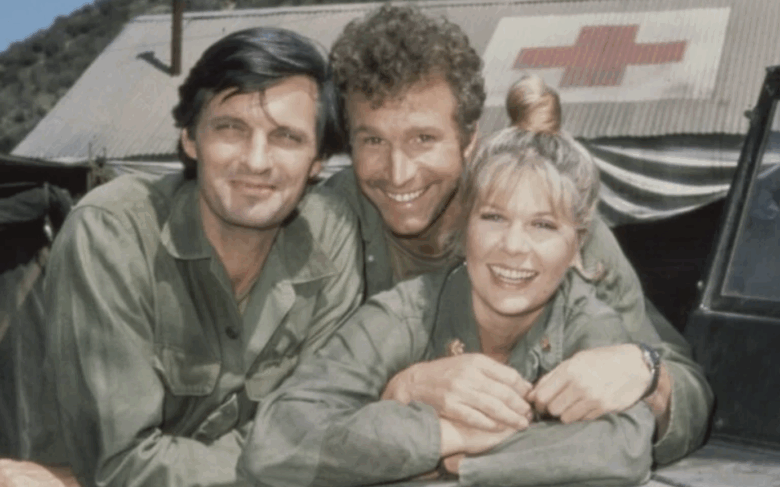
Margaret “Hot Lips” Houlihan spent much of the show’s run being sexualized by an all-male surgical staff despite being a respected Army major, a nickname Loretta Swit later called an outright “insult” in interviews. The show’s near-total lack of racial diversity among its cast, including one Black surgeon saddled with an openly racist nickname, compounds the problem further.

The Dukes of Hazzard
A Confederate flag painted across the roof of the show’s most famous car sat at the center of a series otherwise built around car chases and cornfield humor. Defenders point to the show’s harmless intent, but casual sexism and a near-complete lack of racial diversity throughout its run would draw immediate backlash from any network today regardless of the flag alone.
The bottom line
None of these shows were made maliciously. They were made inside a specific set of assumptions their era largely accepted without much friction, which is exactly why revisiting them now says as much about how far the culture has moved as it does about any individual writer’s choices at the time.
Ask us! What questions do you have about content, strategy, pop culture, lifestyle, wellness, history or more? We may use your question in an upcoming article!
Related:
- 12 iconic rock songs that wouldn’t fly today
- The most controversial songs of the ’60s: Do you agree?
Like MediaFeed’s content? Be sure to follow us.
This article was syndicated by MediaFeed.co.