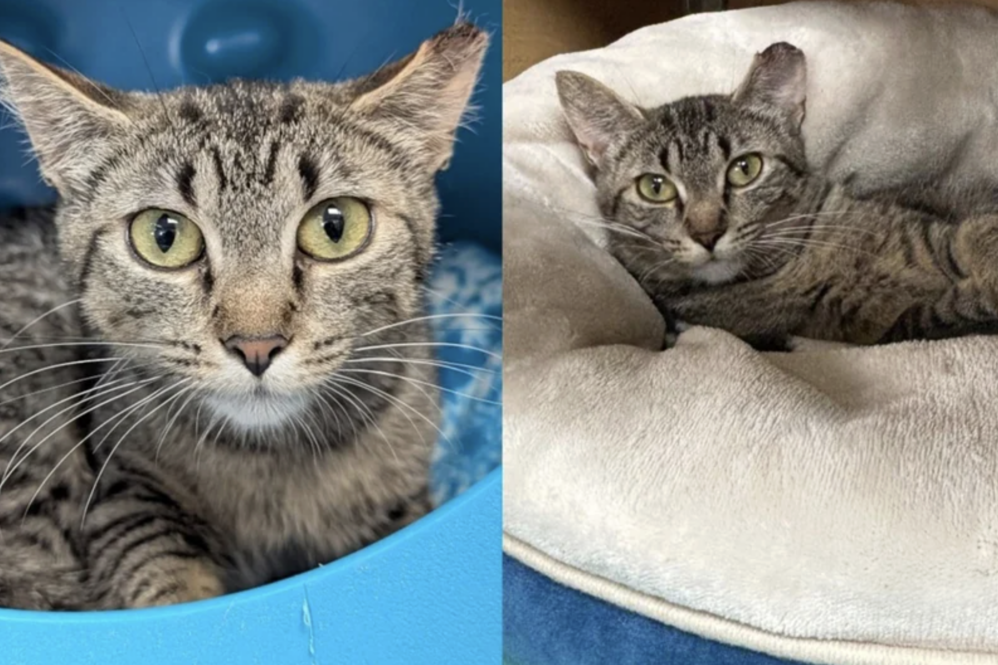
Warning signs your cat is secretly suffering from stress
Cats hide vulnerability by design. It’s a leftover instinct from being both predator and prey out in the wild, and it works almost too well on the people living with them. Stress in a cat can look, at a glance, exactly like a cat simply being a cat.
The signs exist anyway. Most of them are just quiet.
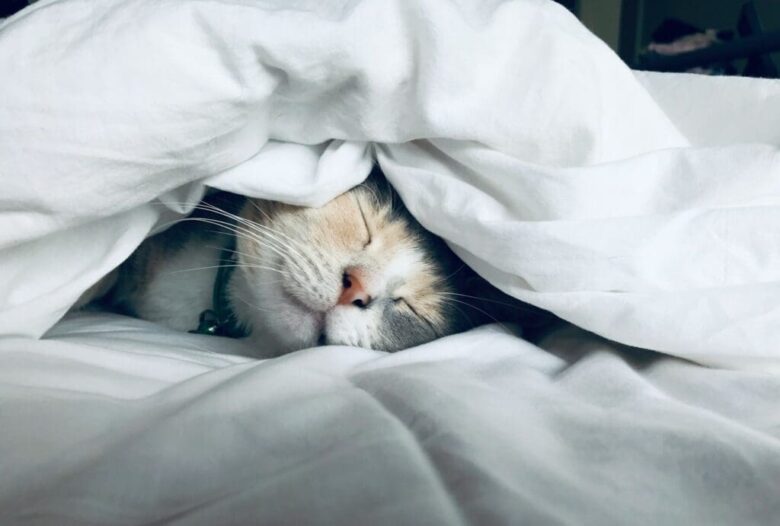
More time under the bed lately?
That’s not automatically a red flag. Every cat wants solitude sometimes. What actually matters is the shift from baseline: a cat retreating noticeably more than it used to isn’t asking for a nap. It’s telling you the room no longer feels safe.
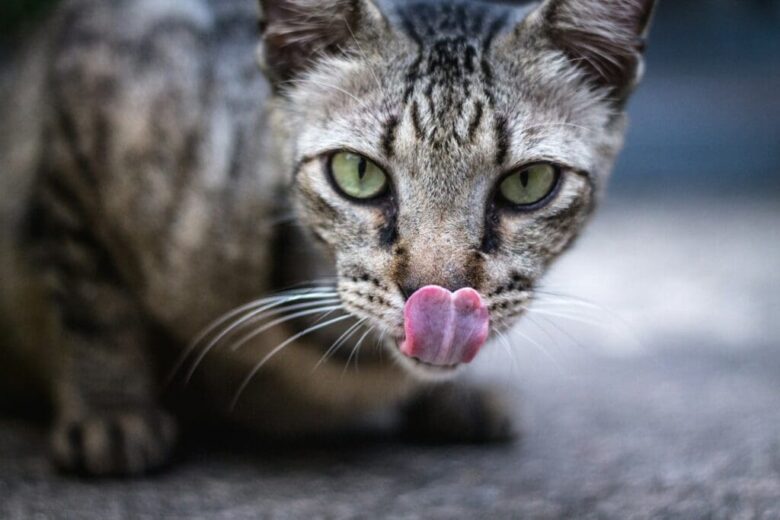
A bald patch, out of nowhere
Grooming is self-soothing behavior, and self-soothing can spiral fast in a stressed animal. Some cats lick one spot, usually the belly or the inner legs, so relentlessly that fur thins or vanishes entirely. Often with no broken skin underneath at all. Just a bare patch and a lot of licking.
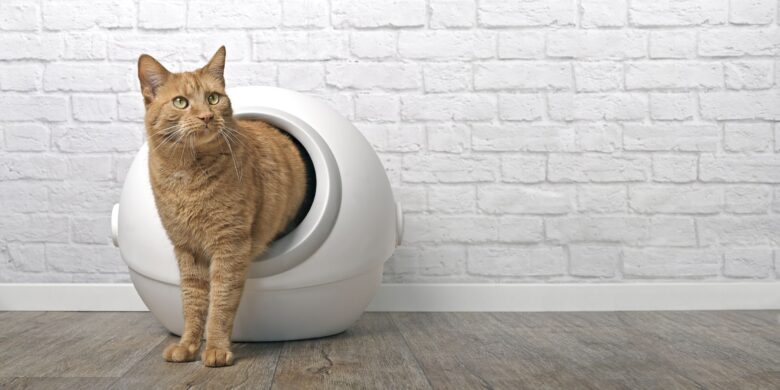
The litter box incident nobody expected
Not a phrase, an actual sentence worth sitting with: a previously reliable cat suddenly missing the box. This one gets misread constantly as spite or laziness. It’s neither. Rule out a urinary tract issue with a vet first, and if that comes back clean, stress is very likely the actual cause.

Eating a lot less. Sometimes a lot more.
Both directions count. A cat pulling back from food during a chaotic stretch at home is one version of this. Overeating is the less obvious other one. Either way, changes lasting more than a day become medically serious in cats faster than in almost any other common household pet, which is why waiting it out is a genuinely bad idea.
A yowl that doesn’t sound like the usual one
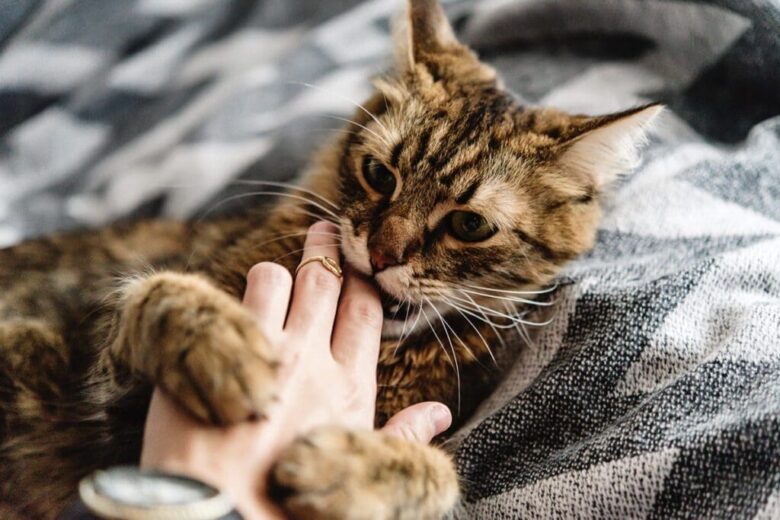
Cats have a whole vocabulary and most owners learn it without trying. An unfamiliar, urgent yowl, something that doesn’t match the normal greeting or the dinner-time demand, is usually communication, not noise. Listen for what’s different, not just for volume.
Hissing at someone it’s never hissed at before
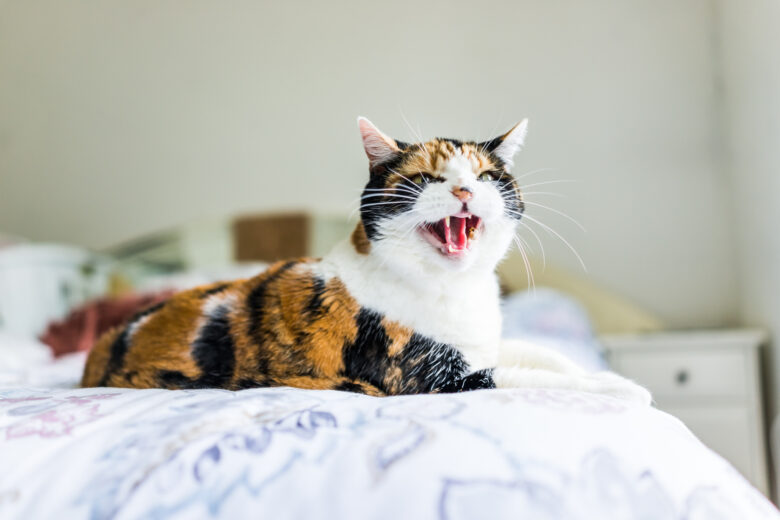
This rarely comes from nowhere. An otherwise easygoing cat that suddenly swats or bites is almost always reacting out of fear, not undergoing some kind of personality change. Pair it with anything else on this list and the pattern gets a lot harder to ignore.
The posture that never quite relaxes
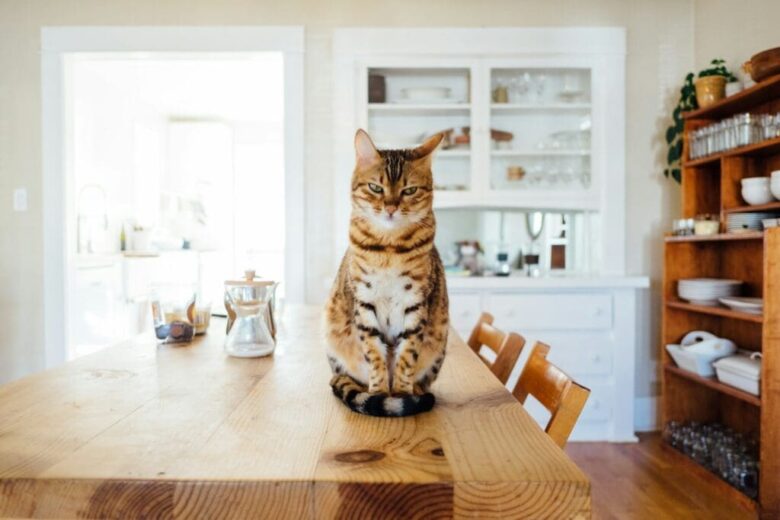
Low crouch. Weight forward on the paws. Tail wrapped tight against the body. Ears rotated back instead of up. Pupils wide even in normal light. None of that is a resting state. It’s a body braced for something that hasn’t happened yet, held that way for hours at a time.
The bottom line
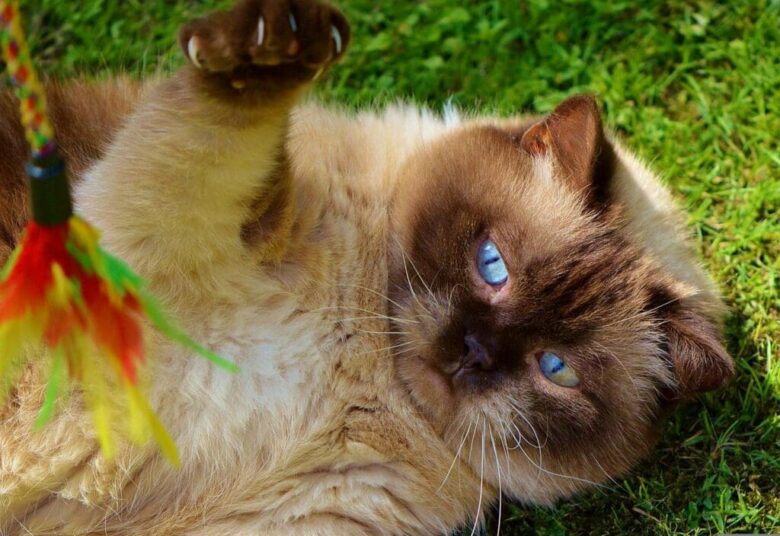
Not one of these looks alarming by itself, which is exactly the problem. Two or three showing up together, with nothing obvious in the house to explain them, is worth an actual vet conversation rather than a wait-and-see approach.
Ask us! What questions do you have about content, strategy, pop culture, lifestyle, wellness, history or more? We may use your question in an upcoming article!
Related:
Like MediaFeed’s content? Be sure to follow us.
This article was syndicated by MediaFeed.co.