The odd but very real reasons people in the 1800s were terrified of being buried alive
It’s tempting to file this one under superstition. Candles instead of streetlights, no germ theory yet, a general shrug toward anything science couldn’t explain. Chalk the fear up to ignorance and move on.
That reading isn’t accurate, however, especially because doctors in the 1800s had genuinely lost confidence in their ability to declare someone dead, and they had specific, well-documented reasons for that doubt. What followed wasn’t blind panic. It was a fairly rational response to a real diagnostic gap, one that just happened to curdle into a full-blown cultural obsession.
Here’s what was actually driving the dread.
Telling death from a deep coma
A pulse check and a mirror held under the nose were, for most of the century, the best tools available. Neither one is reliable against conditions like catalepsy, a trance-like state that can mimic death closely enough to fool a trained eye. Physicians of the era openly admitted they had no consistent way to definitively declare death, which is exactly what made the fear feel less like paranoia and more like an unresolved medical problem.
Cholera epidemics
Disease didn’t just kill people. It rewrote burial customs entirely. Waves of cholera and typhoid tore through crowded 19th-century cities, and the standard response, burying victims within hours to slow contagion, scrapped the days-long waiting period that used to give a body time to show unmistakable signs of decay before the coffin lid closed.
Cases of premature burial
This wasn’t folklore dressed up as fact. A widely cited 1842 account describes a man certified dead by two separate physicians, coffined, and mid-funeral, waking up before burial. Cases like it circulated in medical literature of the time, not just gossip columns, which is part of why the fear spread through educated circles as readily as it did through the general public.
Newspapers and gothic fiction
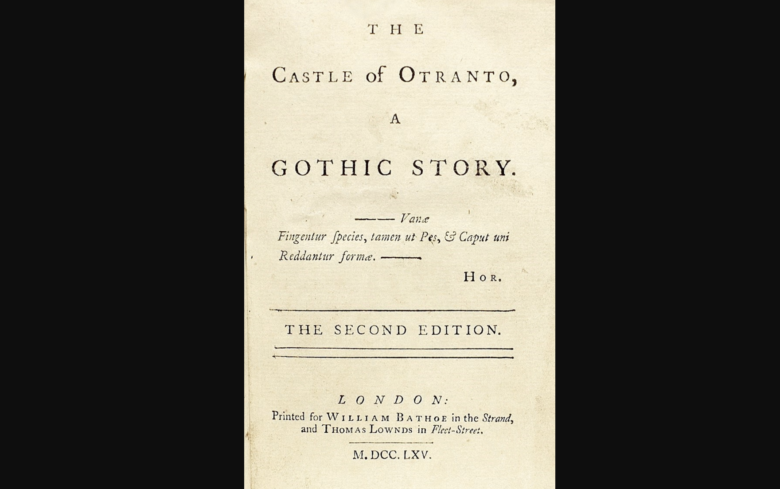
Sensational reporting did the rest. Papers ran lurid accounts of coffins clawed open from the inside, and the same disturbing cases reportedly inspired Edgar Allan Poe to build an entire subgenre of fiction around premature burial. George Washington reportedly gave instructions before his own death in 1799 that his body not be entombed for at least three days, just in case.

Selling peace of mind
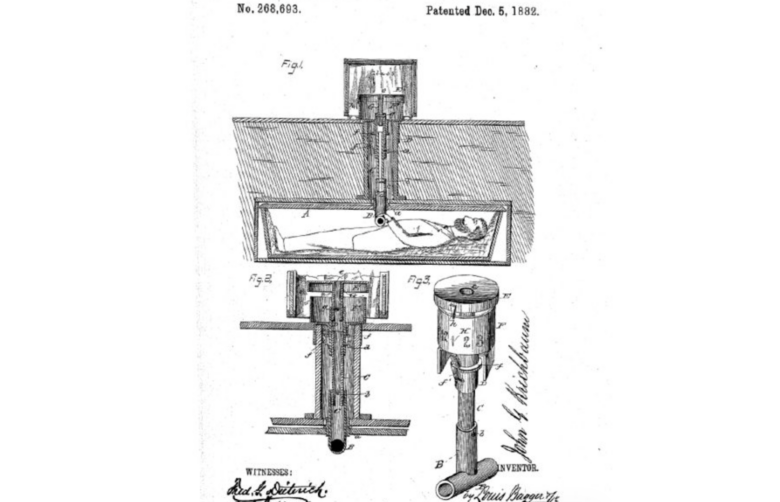
Where there’s dread, there’s a product. Inventors patented dozens of so-called safety coffins fitted with breathing tubes, escape hatches, and cords rigged to aboveground bells. Germany alone saw more than 30 separate patents for the devices by the late 1800s. Not one is documented as ever having actually saved anyone.

Waiting mortuaries
Germany took the anxiety a step further, building dedicated “waiting mortuaries” where corpses were laid out under observation, sometimes for days, on the chance a hand might twitch. A study of one such facility in Württemberg tracked roughly a million bodies that passed through between 1828 and 1849. Not a single one woke up, a fact that did little to slow the demand for the buildings themselves.
The bottom line
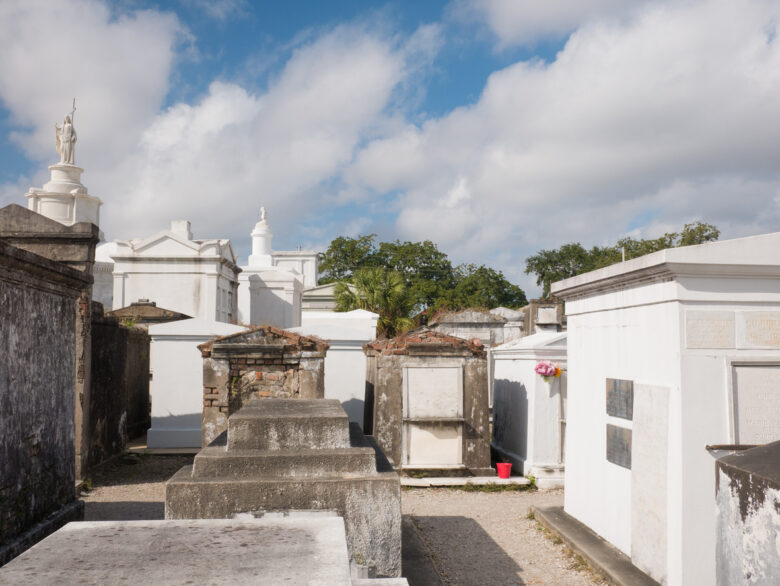
None of this came from a society that didn’t understand its surroundings. It came from one that understood, uncomfortably well, exactly where the limits of its own medicine sat, and built an entire industry around that gap rather than ignoring it.
Ask us! What questions do you have about content, strategy, pop culture, lifestyle, wellness, history or more? We may use your question in an upcoming article!
Related:
- Historical “discoveries” that turned out to be elaborate hoaxes
- Some of the most surprising record deals in music history
Like MediaFeed’s content? Be sure to follow us.
This article was syndicated by MediaFeed.co.