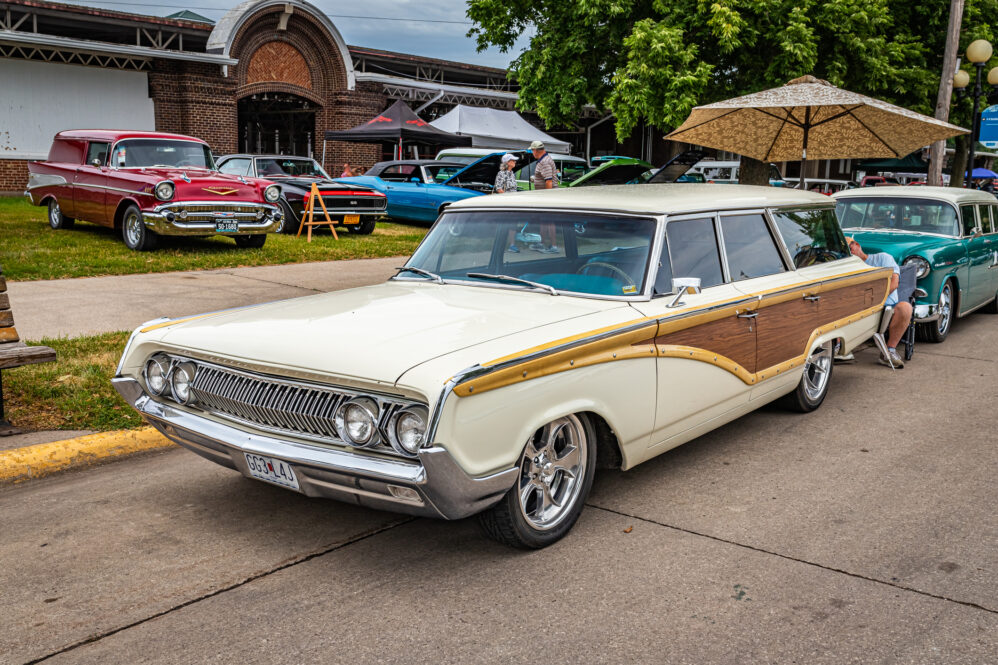
Why did station wagons disappear from American driveways?
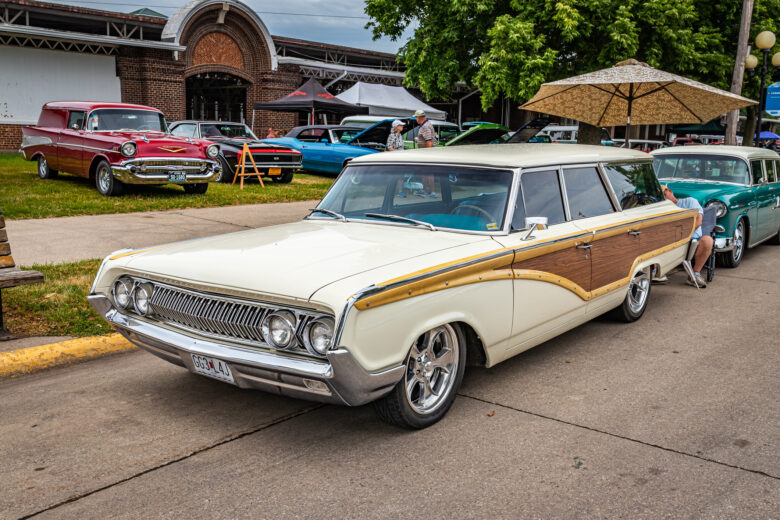
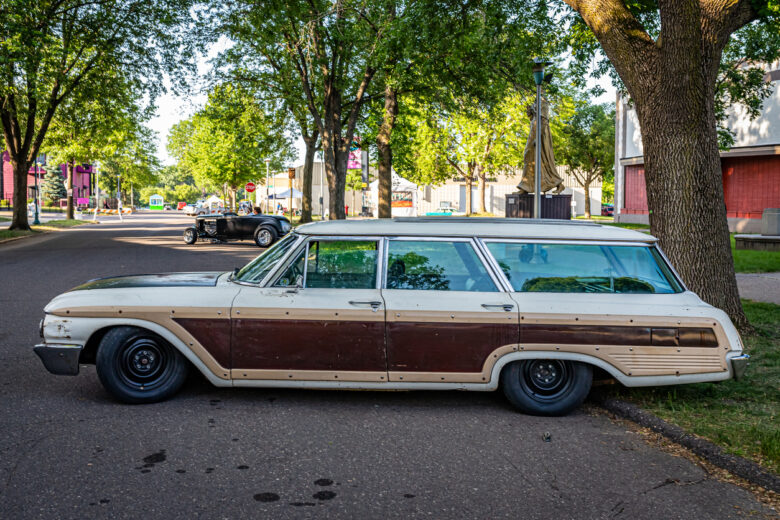
Wood paneling, a third row facing backward, kids and coolers packed in for whatever the weekend had planned. For a solid few decades, that was the default family car, parked in driveways across the country as reliably as the mailbox.
Then it wasn’t. Most automotive trends fade out slowly. This one didn’t. The wagon went from the obvious choice to a genuine rarity in a fairly compressed stretch of years, and dealerships had mostly stopped carrying them before it registered with anyone that the shift had even happened.
Taste gets blamed for this one a lot. It shouldn’t. Regulation, timing, and marketing did the actual work, stacked against a body style that never really had a shot once they lined up.

A categorization national problem
October 1973. Oil prices quadrupled almost overnight after the embargo, and the average American car, getting under 13 miles per gallon at the time, became a national problem. Congress answered in 1975 with Corporate Average Fuel Economy standards, and buried inside that new rulebook was a decision that would matter more than anyone realized at the time: cars and light trucks got split into two separate categories, with cars held to the tougher number.
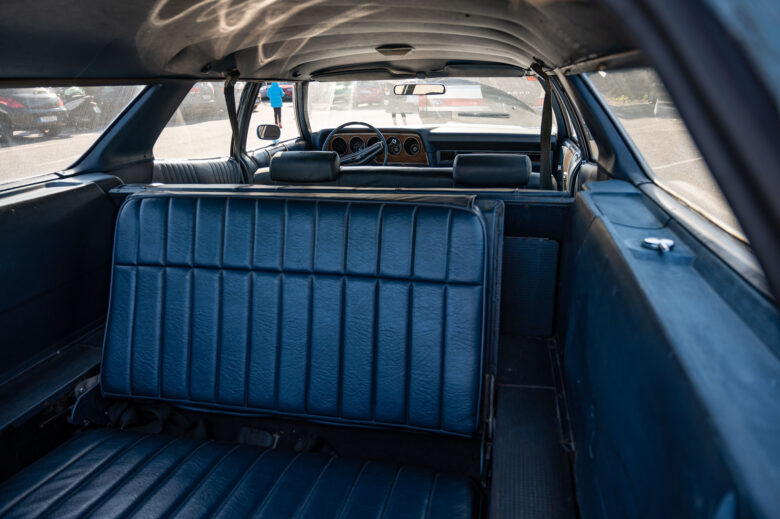
A station wagon is legally a car. That’s the whole problem.
CAFE’s rulebook sorted every vehicle into one of two buckets: passenger car or light truck, and held cars to the stricter fuel economy target. A station wagon, however large, automatically checked the passenger car box. An SUV, despite doing a similar job, checked the light truck box instead, purely on the strength of its height and boxy shape, the same traits regulators had used to define a “truck” in the first place. SUVs qualified for that looser standard, and a wagon built to the exact same task had no legal way to claim it. One line on a regulatory form decided which vehicle got the easier rules, and it had nothing to do with what either one actually accomplished on the road.
Chrysler read the rulebook first
In 1984, Lee Iacocca built a minivan on a truck platform, and just like that it was playing by the light truck’s easier fuel economy target instead of the car’s. Not a better product necessarily, more like a cheaper one to build under the rules that mattered, and it beat the wagon on cost before a single customer ever walked a lot comparing the two.
Nobody was selling adventure with a wagon
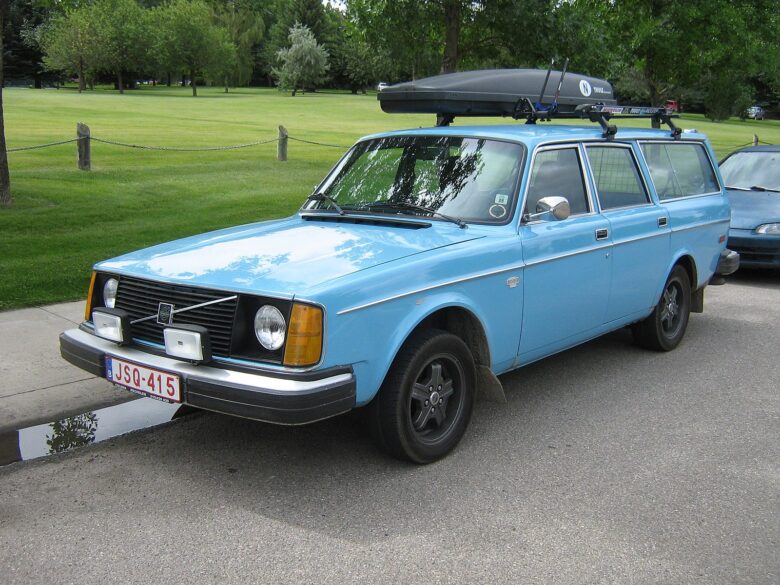
Ford turned the Explorer into a symbol of getting away from it all. Jeep sold the Cherokee as something built for mountains, not carpool duty. Meanwhile, the wagon sat there carrying an image of suburban routine that no marketing department particularly wanted to touch. People bought the version of themselves being sold to them. That usually wasn’t the wagon.

By the 1990s, the sales figures had already said it
Full-size, body-on-frame wagons vanished from American production lines that decade. The Chevrolet Caprice and Buick Roadmaster were both gone by 1996. Ford and Mercury’s unibody versions limped into the early 2000s on fumes, and by then annual sales had fallen under 10,000 units total. SUVs and minivans weren’t just outselling that number. They were lapping it.
The bottom line
Nobody took a vote on the station wagon. A line drawn on a 1975 regulatory chart decided which shape of car got the easier rules, and everything after that (the minivan’s timing, the SUV’s ad budget, three decades of shrinking sales) was just that decision playing out in slow motion.
Ask us! What questions do you have about content, strategy, pop culture, lifestyle, wellness, history or more? We may use your question in an upcoming article!
Related:
Like MediaFeed’s content? Be sure to follow us.
This article was syndicated by MediaFeed.co.