8 subtle ways your dog lets you know they trust you completely
Trust between two people takes years sometimes, plenty of hard conversations, and a willingness to lower a guard that took just as long to build. A dog doesn’t have any of that machinery. No shared language, no negotiated history, nothing but instinct and repeated experience to decide whether a person is safe.
What they build instead runs on something more direct. Every time a person responds consistently, gently, predictably, a dog logs that data point, and eventually the accumulated evidence tips into something that looks a great deal like trust.
It rarely announces itself. Here’s where it actually shows up.
Soft, sustained eye contact
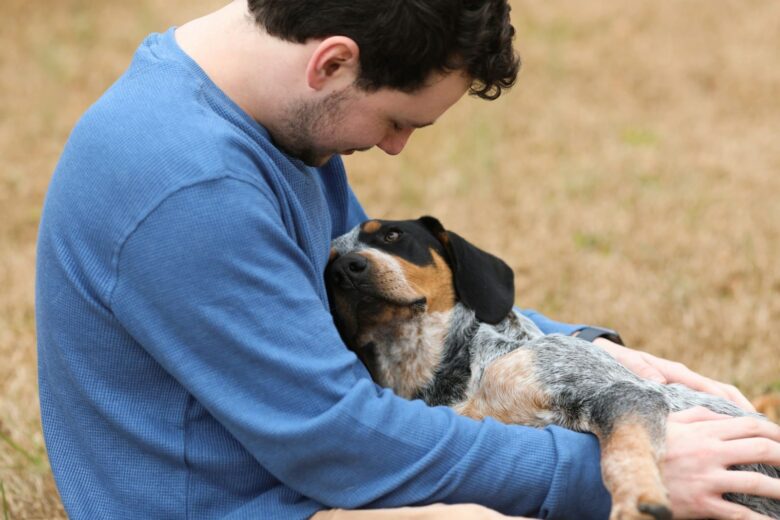
Direct eye contact reads as confrontation in most animal communication, dogs included. A relaxed, lingering gaze is the exception, and it isn’t incidental. Research published in Science found mutual eye contact between dogs and their owners triggers a reciprocal oxytocin spike in both species, the same hormonal loop involved in human parent-infant bonding, and the effect doesn’t show up between humans and wolves at all.
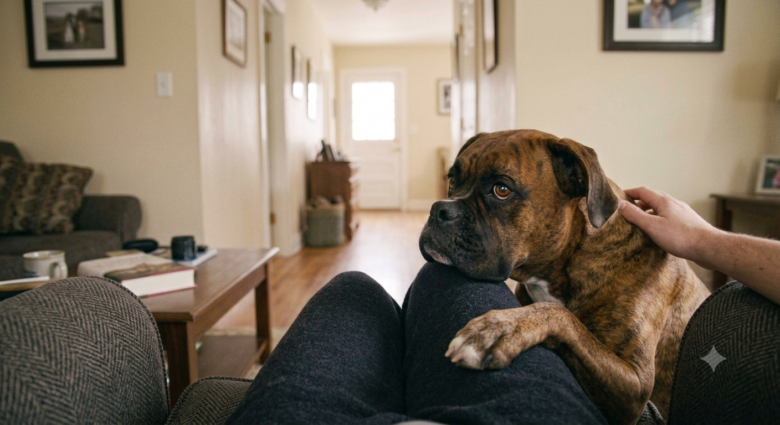
Leaning their body against you
Not a nudge for attention. A full, settled lean, where the dog’s weight actually rests against a leg or side without any prompting. Dogs who feel secure seek this kind of physical closeness on their own terms, which is part of what separates it from a demand.
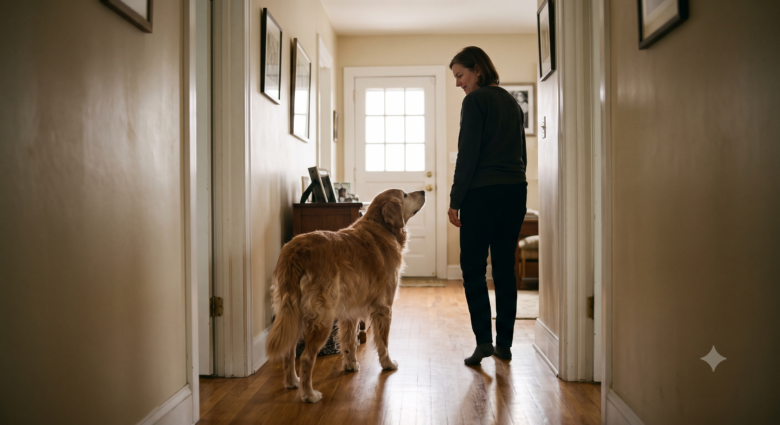
Following from room to room
A dog trailing behind through the house isn’t necessarily anxious. Often, it’s more about keeping a trusted anchor in sight simply because that’s where they’d rather be. This pattern tends to intensify gradually over time as the relationship deepens, rather than appearing all at once.

Sleeping deeply, often belly up
Sleep is the most vulnerable state an animal can enter, and a dog that sleeps sprawled and loose-limbed rather than curled defensively is making a real bet on its surroundings. Dogs almost never hold a belly-up position through deep sleep in unfamiliar environments, no matter how exhausted they are.
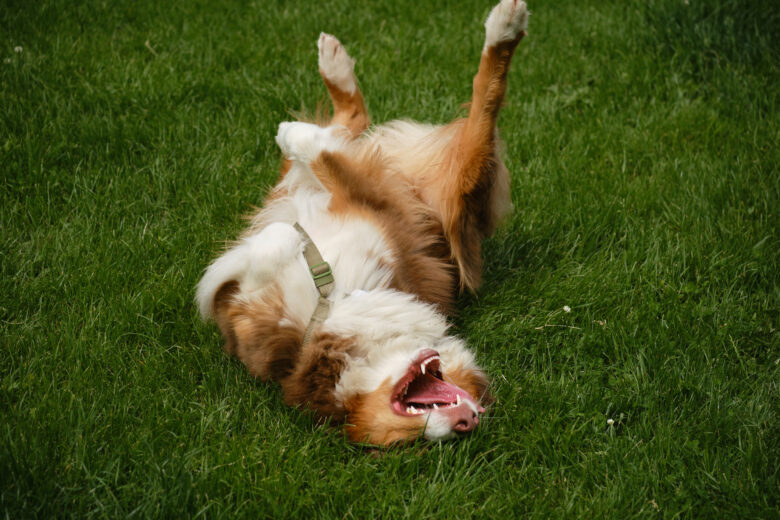
Exposing the belly while awake
A cousin of the sleeping posture, but offered deliberately, often paired with soft eyes and a loose tail. It isn’t always a request for a belly rub. Some dogs dislike that entirely. What it consistently signals is that the dog doesn’t feel the need to protect the body’s most exposed area around that person.
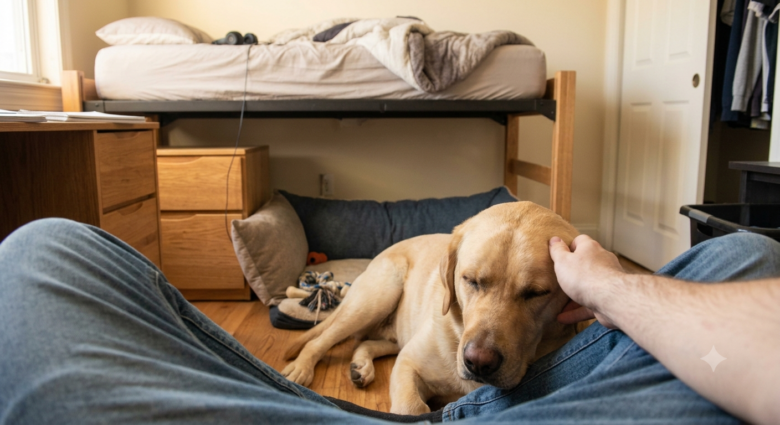
Coming to you first when something scares them
A dog that seeks a person out during a thunderstorm or a stranger’s visit, rather than hiding alone, has identified that person as a secure base. That instinct traces back to the same attachment behavior seen across social mammals, where proximity to a trusted figure functions as the fastest route back to calm.
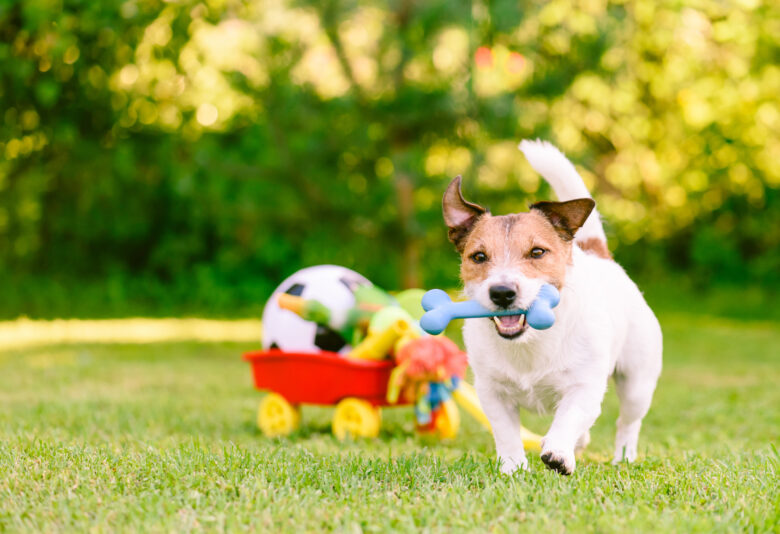
Bringing over a toy or valued object
Handing over a favorite possession isn’t always about wanting to play. Dogs offer up toys as a form of emotional generosity, testing and confirming that sharing something valued with this particular person is safe.
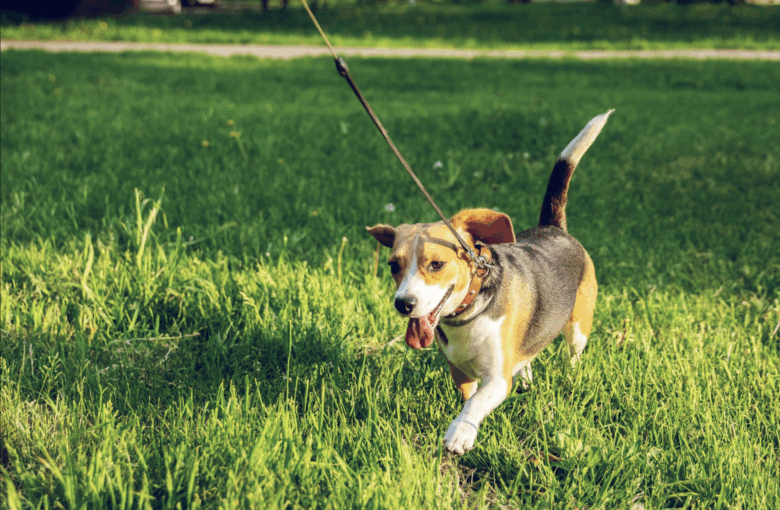
Staying loose during handling
Ears, paws, mouth, the parts of a dog’s body most connected to real vulnerability. A dog who stays relaxed while those areas get handled, for a nail trim or a tick check, is extending a degree of physical trust that took consistent, careful experience to build in the first place.
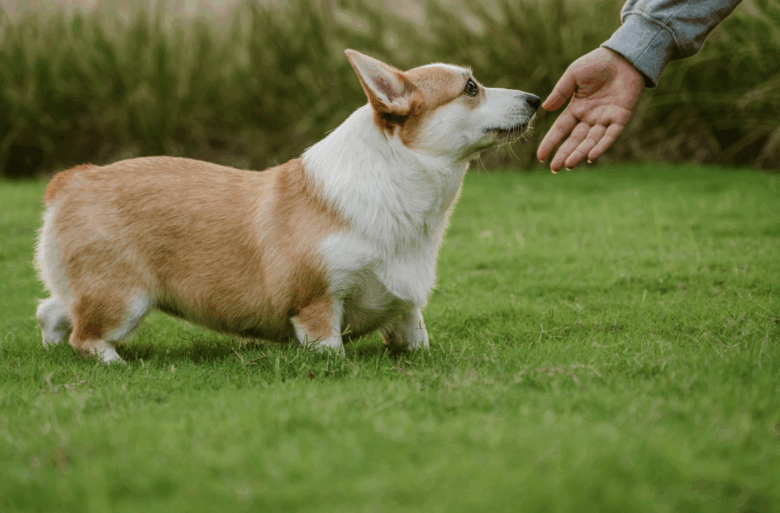
The bottom line
None of these signals require a dog to understand trust the way a person would define it. They just require enough repeated evidence that a particular human is safe, and once that evidence adds up, a dog stops hiding any of it.
Ask us! What questions do you have about content, strategy, pop culture, lifestyle, wellness, history or more? We may use your question in an upcoming article!
Related:
Like MediaFeed’s content? Be sure to follow us.
This article was syndicated by MediaFeed.co.