10 everyday objects that were originally invented for a totally different purpose
Point a person at a problem, and there’s rarely just one road to a solution. Chemistry, mechanics, pure accident, all of them can arrive somewhere useful, and that’s what makes invention harder to predict than it looks from the outside.
The interesting part is when an idea works exactly as intended and still ends up living a completely different life than the one it was built for. A missile-corrosion spray becomes a squeaky-hinge fix. A wartime gas filter becomes a tissue box. The solution was never wrong. It just wasn’t aimed at the problem people eventually used it to solve.
Ten of those detours follow.
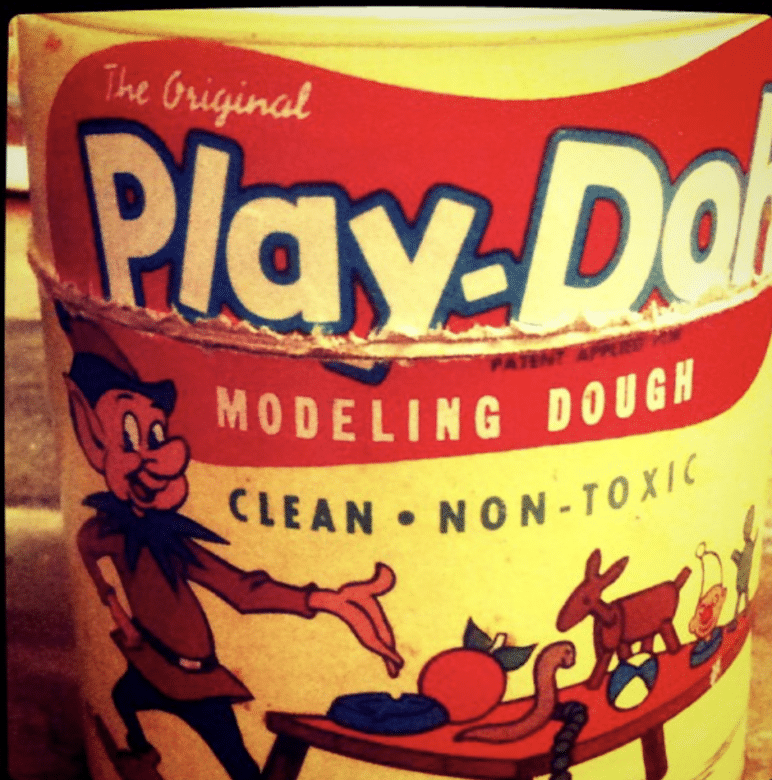
Play-Doh
Coal heating left soot on walls. Kutol Products built a putty in the 1930s specifically to roll across wallpaper and lift it off. Then gas heat came along, the soot problem disappeared, and the company was sitting on a product nobody needed anymore. A teacher noticed her students liked molding the stuff instead. Detergent came out, color went in, and that was that.

Bubble Wrap
Two shower curtains, sealed together in 1957, produced a genuinely striking textured material, air bubbles trapped in a neat grid, exactly the look the designers were chasing for a modern wallpaper line. The material worked. The market didn’t exist. A second pitch aimed the same product at greenhouses as insulation, and that landed just as flat, not because the material failed at insulating but because nobody was buying insulation from a wallpaper company. IBM finally found the actual use in 1960, needing something to keep a new computer from cracking in transit. The bubbles had been doing their job the entire time. They just hadn’t met the right problem yet.
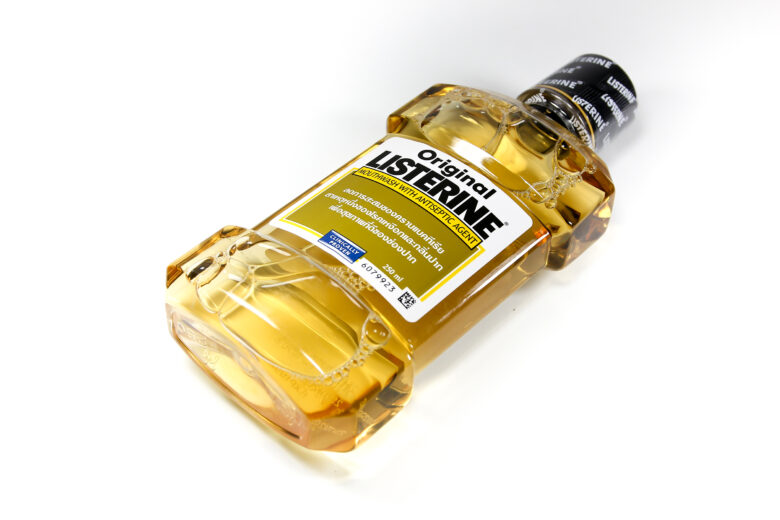
Listerine
Forty years. That’s roughly how long Listerine spent as a surgical antiseptic and floor cleaner after Dr. Joseph Lawrence formulated it in 1879, named for antiseptic-surgery pioneer Joseph Lister. Marketed at various points as a cure for dandruff, a floor scrub, and a gonorrhea treatment. None of it stuck commercially until a 1920s ad campaign invented a medical-sounding term, “chronic halitosis,” and gave an entire country something new to worry about.
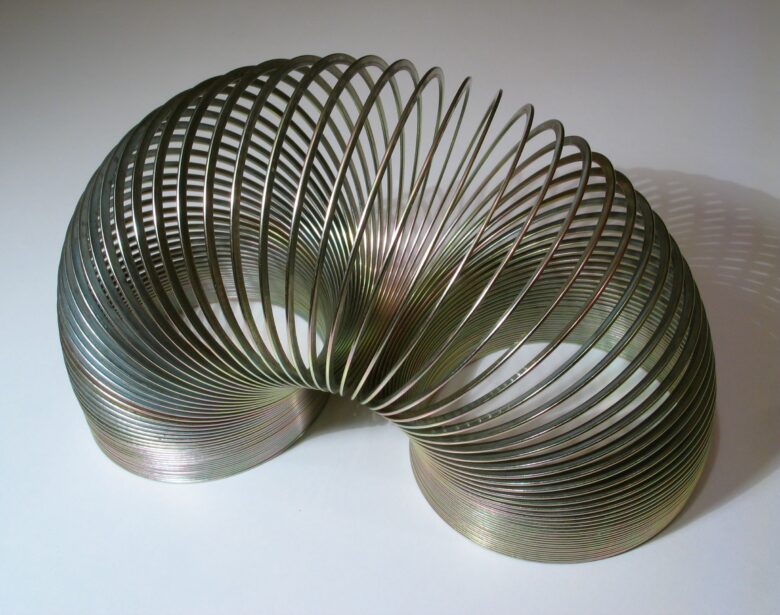
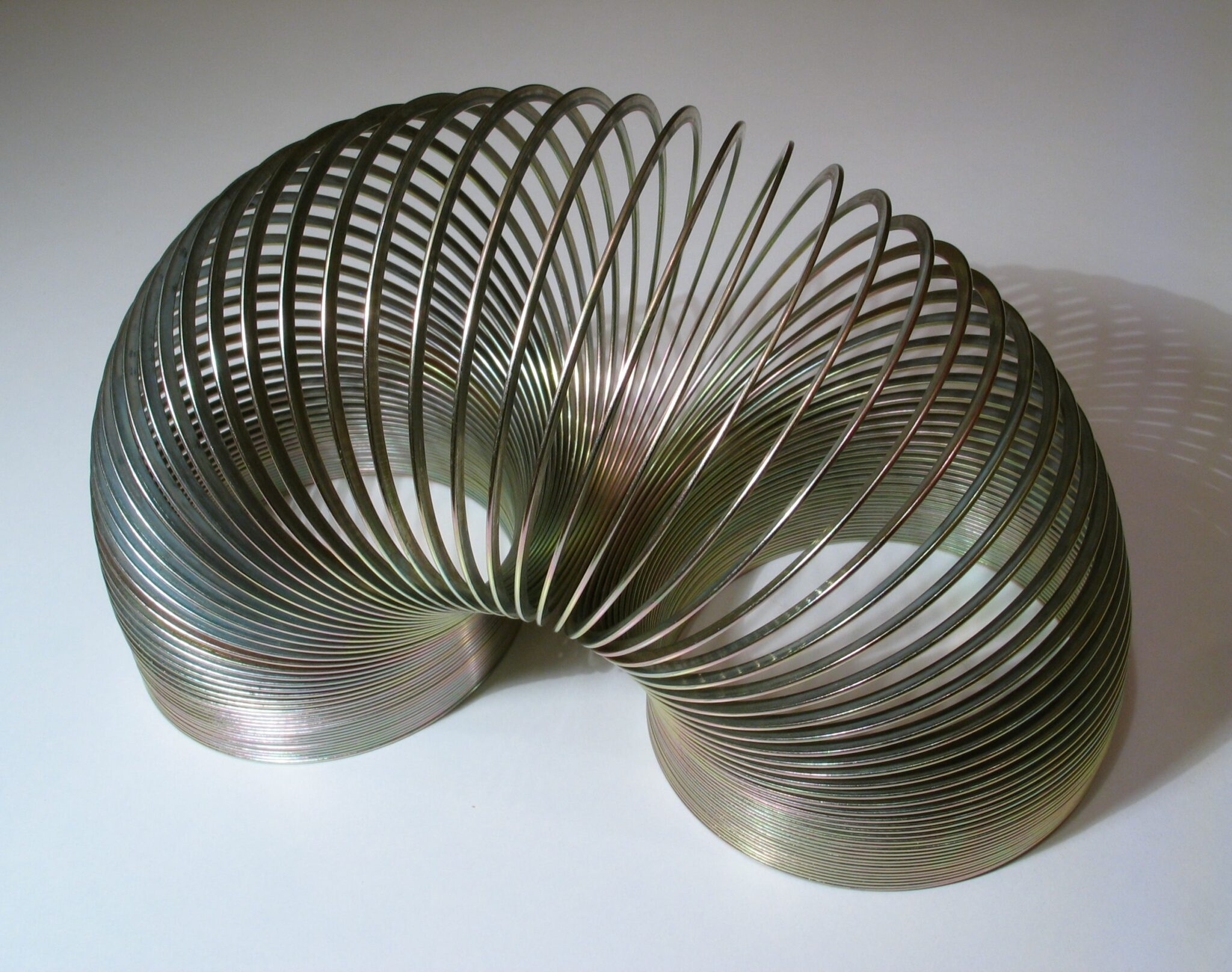
The Slinky
Naval engineer Richard James spent 1943 testing tension springs meant to keep instruments steady aboard a rocking ship. One came off a shelf mid-test. Instead of clattering to the floor the way a normal spring would, it walked itself down a stack of books in a slow, rolling gait, and James watched a toy reveal itself in a property the spring had possessed the entire time, just never one anyone had gone looking for.

Post-it notes
3M chemist Spencer Silver set out in 1968 to build an ultra-strong adhesive and landed somewhere else entirely: a glue that stuck lightly, held for a while, then peeled away clean with no residue. That’s a real, useful property, just not the one on the spec sheet. It sat unused for years, not because it didn’t work, but because nobody had matched it to a job yet, until a colleague tired of bookmarks sliding out of his hymnal tried it on paper and found exactly the application the glue had been suited for all along.
WD-40
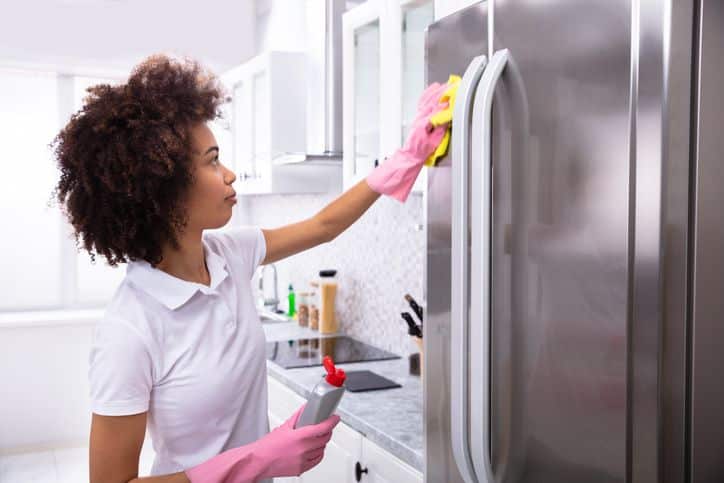
Water Displacement, 40th formula, built to keep corrosion off Atlas missile parts during the Cold War. It never went to space as intended. It ended up in approximately every garage in America instead.

The microwave
Percy Spencer was testing radar equipment in 1945 when he felt something warm and sticky in his pocket. Chocolate, mostly liquid at that point. Radar’s electromagnetic waves could apparently cook food as easily as they tracked aircraft, which is not a connection most engineers are looking for when a candy bar ruins their coat.
Coca-Cola
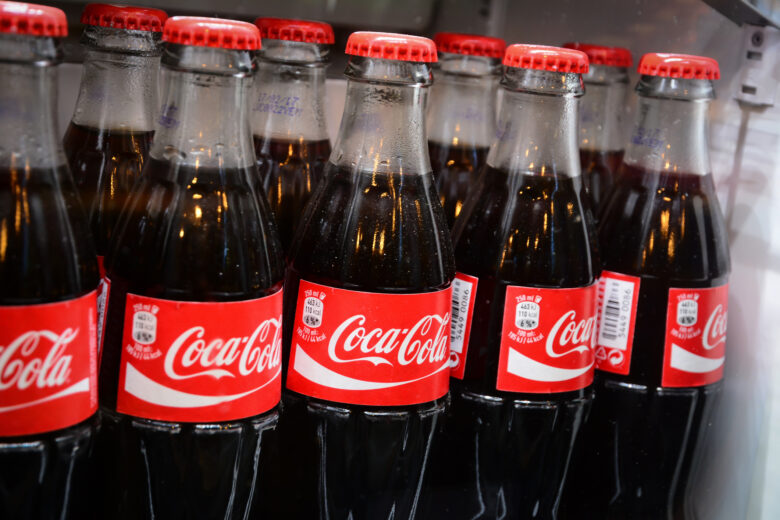
John Pemberton developed the formula in 1886, trying to wean himself off morphine, a habit left over from a Civil War wound. Early ads promised relief from headaches, exhaustion, and addiction itself, not refreshment.

Gas mask filters
Why was a gas mask filter sitting on someone’s dresser in 1924? Because Kimberly-Clark had a warehouse full of surplus material after World War I ended and no war left to use it in. The crepe paper had trapped toxic gas inside military filters. Repositioned as a cold-cream remover, it sold decently. Then customer letters started arriving, dozens of them, asking why nobody had thought to sell it as a disposable handkerchief. The company took the hint.
Silly Putty
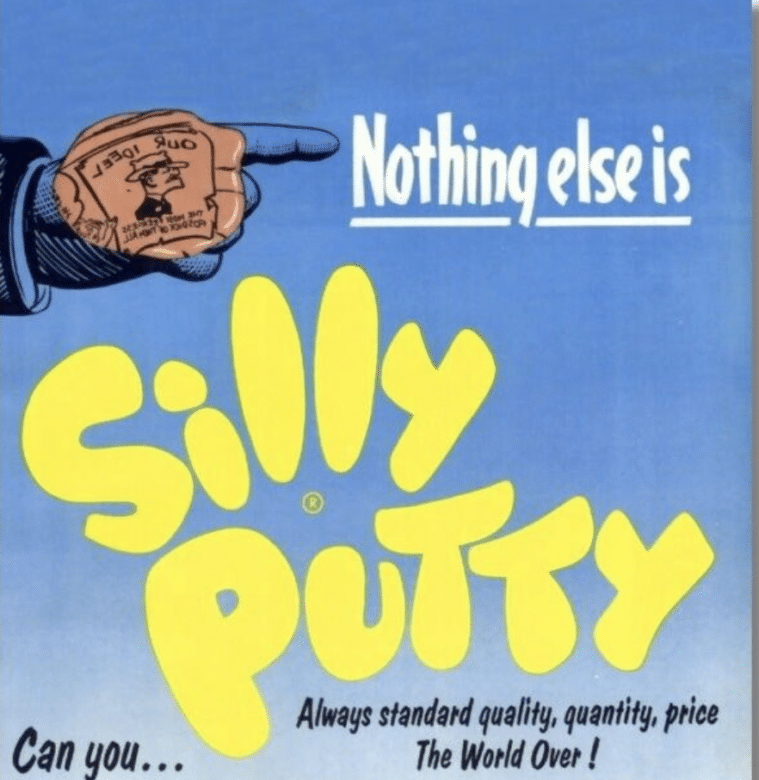
Boric acid, silicone oil, a General Electric lab working on a government contract for synthetic rubber in 1943. What came out of the mix bounced higher than rubber and picked up a perfect copy of any newspaper page it touched, two properties that made it a genuinely strange, genuinely capable material. Neither one was on the military’s list of requirements, so the contract passed on it entirely. A toy marketer, years later, looked at the exact same properties the Army had shrugged off and saw an Easter egg filler instead of a failed rubber substitute.
The bottom line
Ten different labs, ten different problems, and none of them were trying to invent what they actually ended up known for.
Ask us! What questions do you have about content, strategy, pop culture, lifestyle, wellness, history or more? We may use your question in an upcoming article!
Related:
- Cocaine, opium & child labor: The secrets of Victorian life
- The Victorian-era parenting practices that were even worse than the 1950s
Like MediaFeed’s content? Be sure to follow us.
This article was syndicated by MediaFeed.co.