Historical mysteries that were finally solved decades later
Forensic science does not always deliver on schedule. Evidence has a way of traveling winding, indirect routes toward the truth, sometimes surfacing first as rumor, half-memory, or a detail nobody thought to verify until decades after anyone still cared. That’s the reason so many cases stay open for as long as they do. It’s also what makes the ones that eventually close worth a second look, since each one represents a moment when the winding road finally led somewhere.
Five of those cases follow.
The Green River Killer’s identity
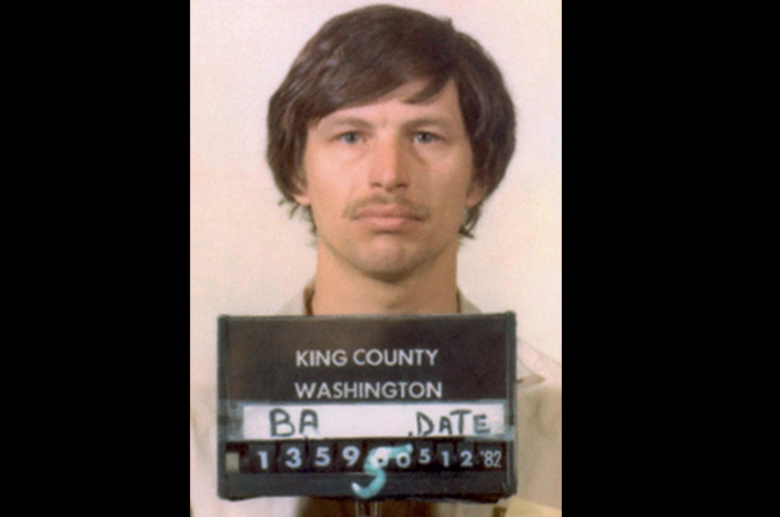
A name on a suspect list is not proof. Investigators in Washington State had circled Gary Ridgway within a few years of the killings starting in 1982, and for the better part of two decades that circle meant nothing in a courtroom. What changed wasn’t a witness or a confession. It was a 1987 saliva sample sitting untouched in evidence storage until DNA testing finally caught up to the question in 2001, matching it to three of his earliest victims. Ridgway pleaded guilty to 48 murders.
The Piltdown Man fossil fraud
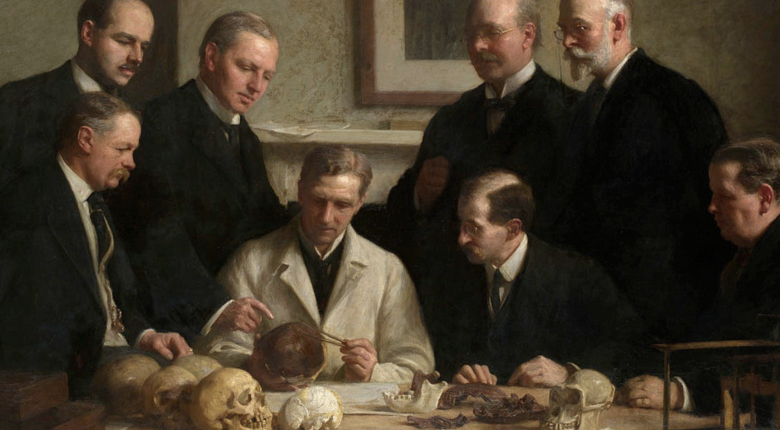
An entire field organized itself around two mismatched bones for forty years. A medieval human skull and an orangutan’s jaw, filed down and stained to match, were presented as proof of a missing evolutionary link and accepted by British paleontology without the one test that would have exposed it. That test finally happened in 1953. Fluorine dating revealed the bones weren’t even close in age, undoing four decades of accepted science in weeks.
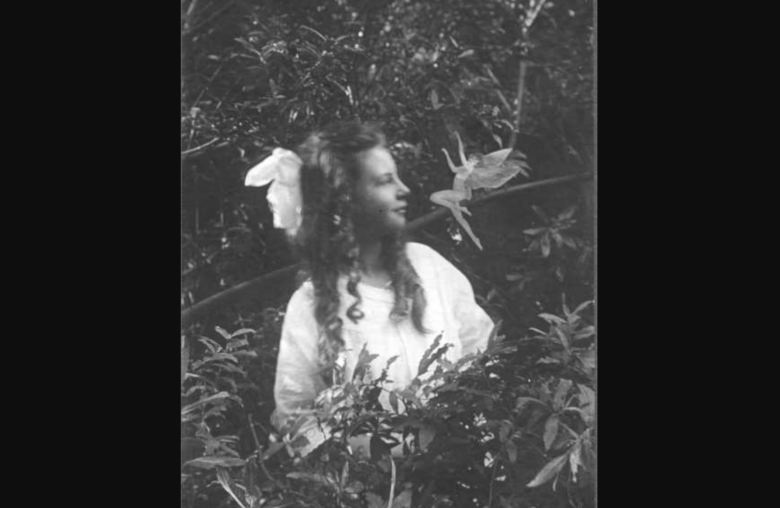
The Cottingley Fairies photographs
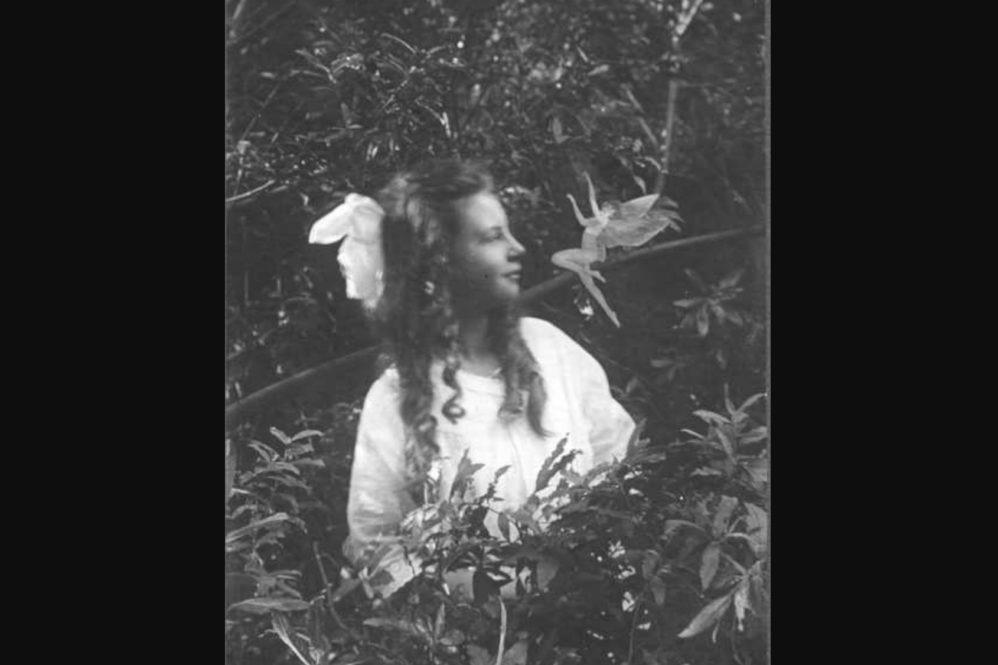
Rumor kept this one alive for sixty-six years. Two cousins staged five photographs of fairies in a Yorkshire garden in 1917, and the images fooled Sherlock Holmes creator Arthur Conan Doyle badly enough that he championed them publicly. Nobody could prove a hoax without a confession, and no confession came until 1983, when Elsie Wright finally admitted the fairies were cardboard cutouts held up with hatpins.
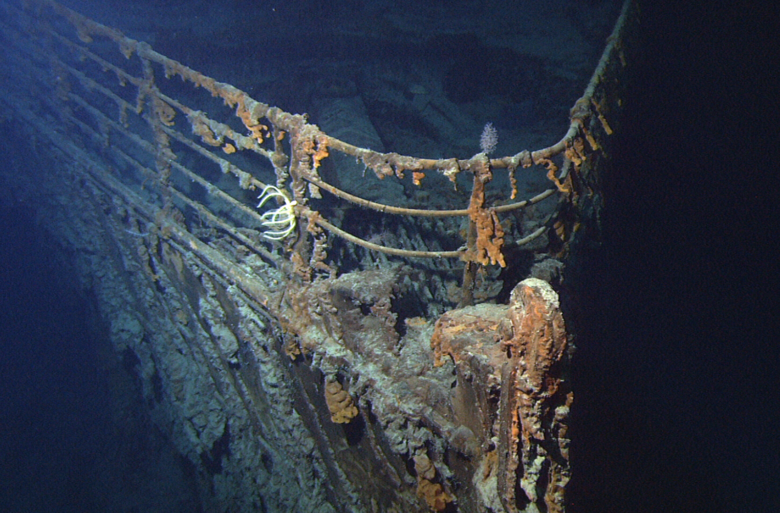
The Titanic’s exact resting place
Verifying a location two and a half miles underwater is not simple, and 73 years of failed search attempts prove it. Robert Ballard’s team changed the approach in 1985, tracking scattered debris instead of hunting for the hull directly, the same method that had already led his crew to a lost Navy submarine. It worked. A single boiler, spotted on a monitor just after 1 a.m. on September 1, confirmed what decades of guesswork couldn’t, and Ballard has described that moment as one that never really left him.
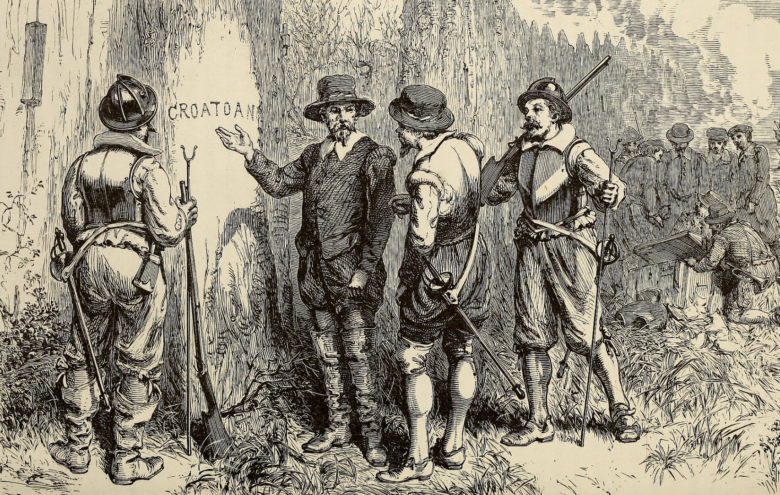
The fate of the Roanoke colonists
For over four hundred years, this case had almost nothing to go on beyond a single carved word: CROATOAN. More than a hundred English settlers gone from Roanoke Island sometime after 1587, no bodies, no wreckage, no sign of a struggle, just theories built on absence. The winding road here led to Hatteras Island, where archaeologists uncovered blacksmithing debris dated to the right window, the kind of material desperate settlers would have improvised from what little they’d brought. The evidence now points toward something quieter than disappearance: the colonists likely walked away and were absorbed into the local Croatoan community.

The bottom line
Every case here sat unresolved for exactly the reason the intro describes: the evidence existed, but it took its own route to daylight. What finally closed each file wasn’t luck. It was someone refusing to stop looking once the road got long.
Ask us! What questions do you have about content, strategy, pop culture, lifestyle, wellness, history or more? We may use your question in an upcoming article!
Related:
- Historical “discoveries” that turned out to be elaborate hoaxes
- Some of the most surprising record deals in music history
Like MediaFeed’s content? Be sure to follow us.
This article was syndicated by MediaFeed.co.