7 parenting rules from the 1980s that wouldn’t fly today
Looking back at how a previous generation raised its children carries a real trap. It’s tempting to view the past entirely through a modern lens, treating every outdated practice as evidence of ignorance or neglect. That’s not really the goal here. Parenting rules tend to self-actualize within their own era, shaped by the specific fears, science, and economic pressures of that decade. Judging them purely by today’s standards misses the more interesting question: What do these choices actually reveal about how human behavior adapts, generation after generation, to whatever threat feels most urgent at the time?
With that framing in place, seven parenting norms that defined the 1980s. And the very real anxieties driving each one.

Latchkey status as a badge of honor
Dual-income households climbed all through the decade. Children letting themselves into empty homes after school, making a snack, watching television, waiting alone for hours. Common enough that “latchkey kid” entered everyday vocabulary. Not framed as neglect at the time. Framed as independence and resilience instead, a necessity born from economic reality, not a parenting failure.

Spontaneous, unscheduled play
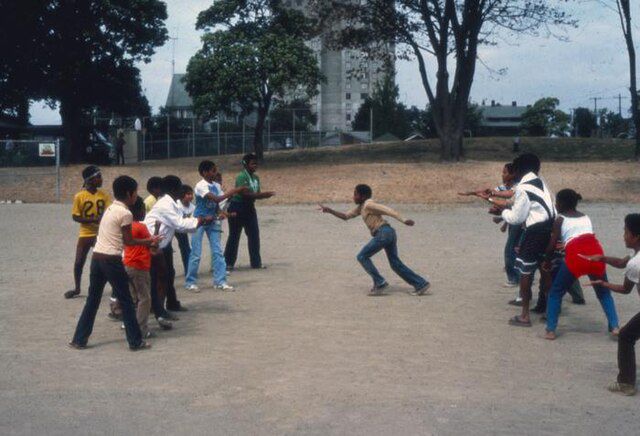
No advance planning. Kids knocked on a neighbor’s door, wandered into a backyard, and that was the entire structure of a playdate. Pure spontaneity, not a calendar invite. That unstructured freedom built genuine social adaptability, even if it leaves today’s more scheduled model looking almost unrecognizable by comparison.

Moral panic reshaped how parents policed everything
Fears about Satanism swept through communities right alongside the stranger danger movement. By 1988, police departments were still fielding calls advising residents about supposed animal sacrifice rituals. One writer who lived through it called the era a kind of “trickle-down fear.” A cultural anxiety that seeped directly into how closely parents monitored their kids’ everyday movements.
Milk cartons taught a generation to fear strangers
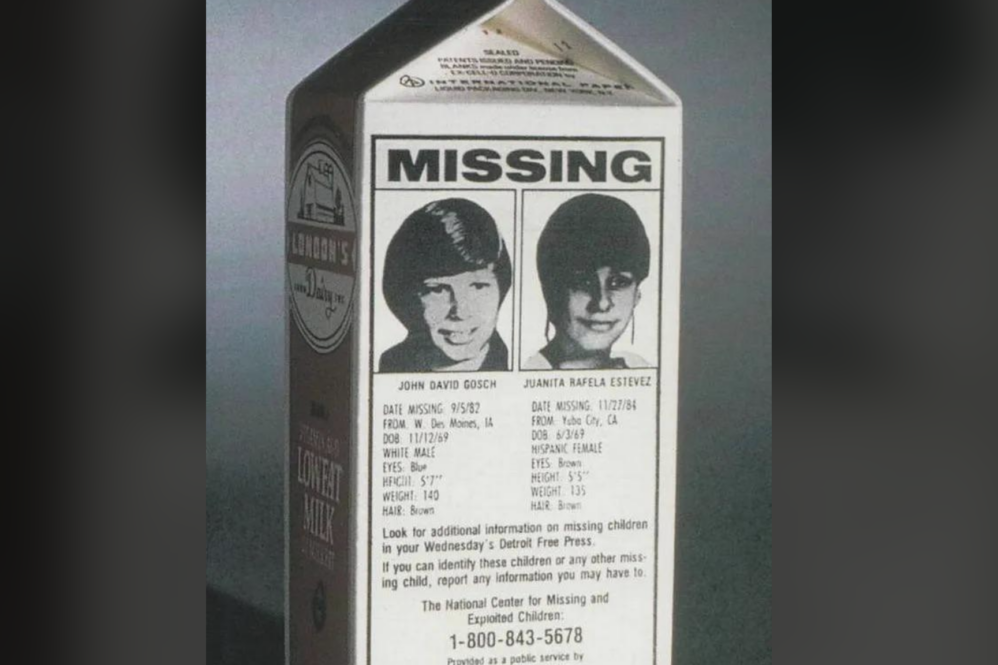
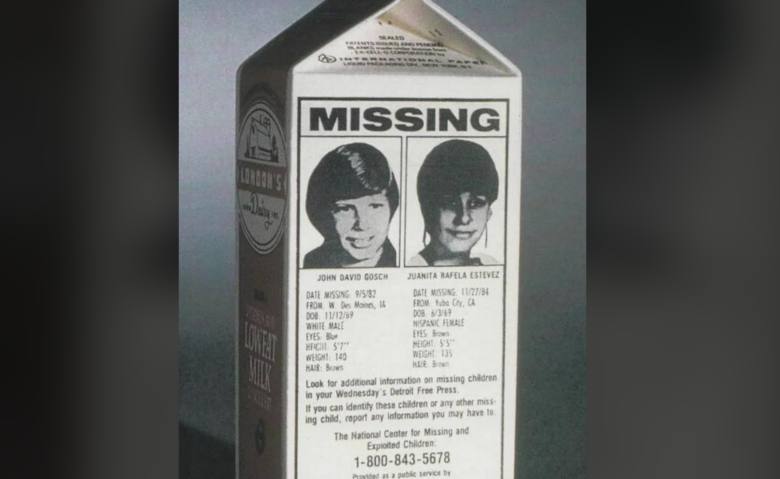
1984. The faces of missing children like Etan Patz and Johnny Gosch start appearing on milk cartons in kitchens across America. Born from genuine grief. Carrying consequences nobody fully anticipated. Pediatrician Benjamin Spock publicly voiced concern that the sheer scale of the effort was teaching children about criminal danger before they had the emotional maturity to process it. Stranger abductions were statistically rare, even then. The fear took hold anyway. Proved remarkably durable.
Corporal punishment
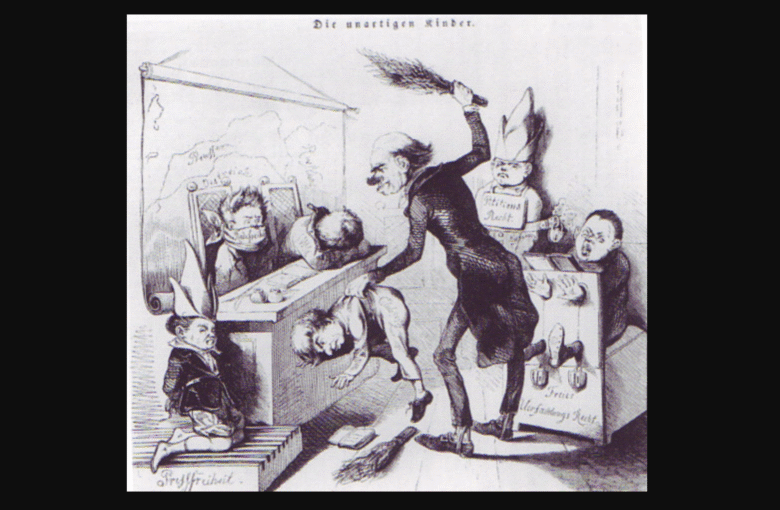
84 percent. That’s how many respondents to a 1986 General Social Survey agreed a “good hard spanking” was sometimes necessary. A separate survey of pediatricians found 77 percent supported its use, not just in theory, in actual practice. Mainstream parenting books actively recommended it. Pediatric guidance backed it up as a legitimate, evidence-informed tool. Not a last resort.

Working motherhood
Six out of ten. That’s how many mothers with children under 18 were in the labor force by March 1984, a record 19.5 million women, per Bureau of Labor Statistics data from the period. Four in ten, fourteen years earlier. That shift didn’t arrive quietly. Plenty of households navigated genuine tension between financial reality and the lingering expectation that a mother’s place stayed primarily at home.
The bottom line
Missing children. Latchkey independence. Satanic rumor. Corporal punishment. Working mothers. Taken together, these separate anxieties fed into a single decade-defining question parents kept weighing, over and over. A retrospective look at the decade’s broader cultural pressures frames it plainly: how much freedom was actually safe to grant a child in a world that suddenly felt considerably more dangerous than it had the decade before.
None of this is really about assigning blame to a previous generation of parents doing their honest best with the information and fears available to them. It’s about recognizing that every era builds its own version of “normal” out of whatever anxieties happen to be loudest at the time, and the 1980s simply had a distinctly loud set of its own.
Ask us! What questions do you have about content, strategy, pop culture, lifestyle, wellness, history or more? We may use your question in an upcoming article!
Related:
- 15 Things Boomers Still Miss About the Way Life Used to Be
- 7 everyday baby boomer habits that are illegal today
Like MediaFeed’s content? Be sure to follow us.
This article was syndicated by MediaFeed.co.