
Famous musicians whose voices are an acquired taste
Talent and pleasant tone were never actually the same thing. Nowhere does that gap show up more clearly than in a handful of legendary careers, built on voices plenty of listeners still can’t get past.
Seven performers whose vocal delivery divides audiences as sharply now as it ever did.
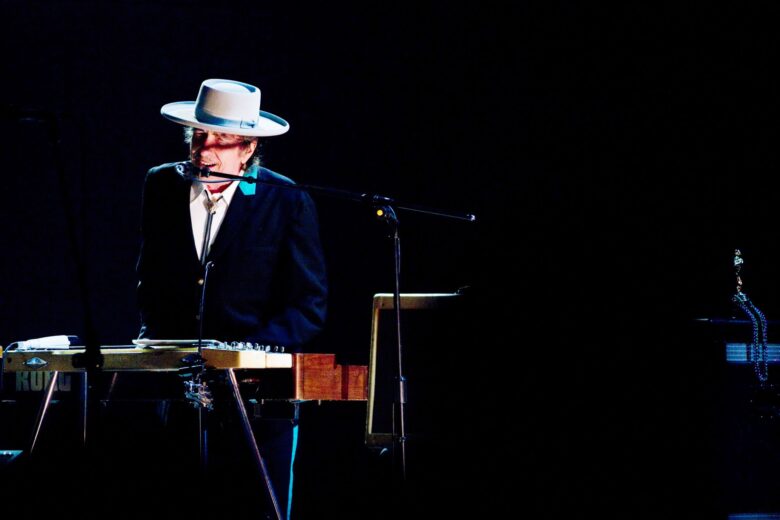
Bob Dylan
“Sand and glue.” That’s how David Bowie once described it, and critics over six decades have found even less flattering comparisons since. Nasal, half-spoken, irregular phrasing that turns songs into something closer to spoken narrative. Dylan’s pushed back publicly, once asking pointedly at a 2015 awards speech why the same complaints never got aimed at Tom Waits or Leonard Cohen.

Neil Young
A high, quivering tenor. Genuine vulnerability on acoustic tracks like “Old Man.” The moment the volume and distortion pick up, though, that same fragility can read as nasal or strained. The exact quality that makes his quiet songs devastating can sound like a real liability on the louder, electric material.

Tom Waits
Gravel. Grit. A delivery that sounds less like singing and more like a story being growled straight at the listener. Even Dylan singled him out as the reference point critics somehow leave alone, proof of just how normalized the rough, theatrical delivery has become in certain circles. Divisive as ever, everywhere else.

Björk
Once heard, genuinely never forgotten. Childlike fragility colliding with raw, elastic vocal power, shifting from a whisper to something closer to a shriek inside a single phrase. Widely described as entirely unclassifiable, built specifically to defy easy comparison to anyone else in music.
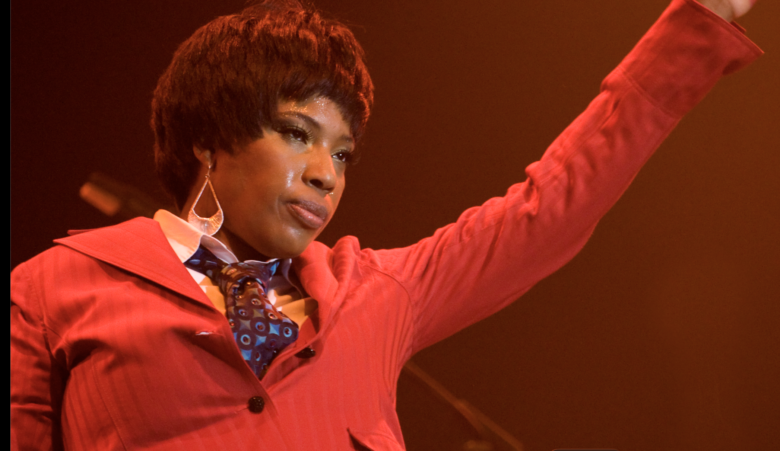
Macy Gray
Raspy. Quivering. Thick with a smoke-tinged texture that sounds instantly lived-in, part Billie Holiday ache, part something far more eccentric. Fans embrace the warmth in it, the emotional wobble. Critics have called the exact same qualities mannered or distractingly scratchy. Same voice. Opposite verdict, depending entirely on who’s listening.
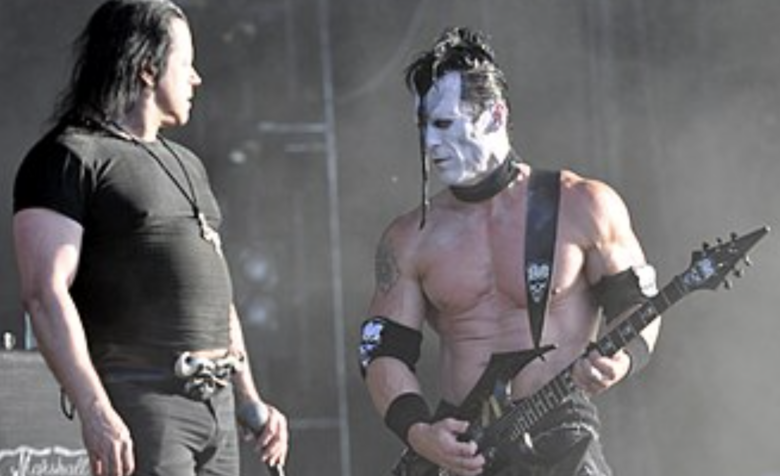
Glenn Danzig
Dark. Growling. Commanding. Built for horror-punk, genuinely challenging for anyone approaching it casually. Fans revel in the raw menace underneath. Newcomers, more often than not, find the operatic intensity intimidating before they ever get the chance to actually appreciate it.
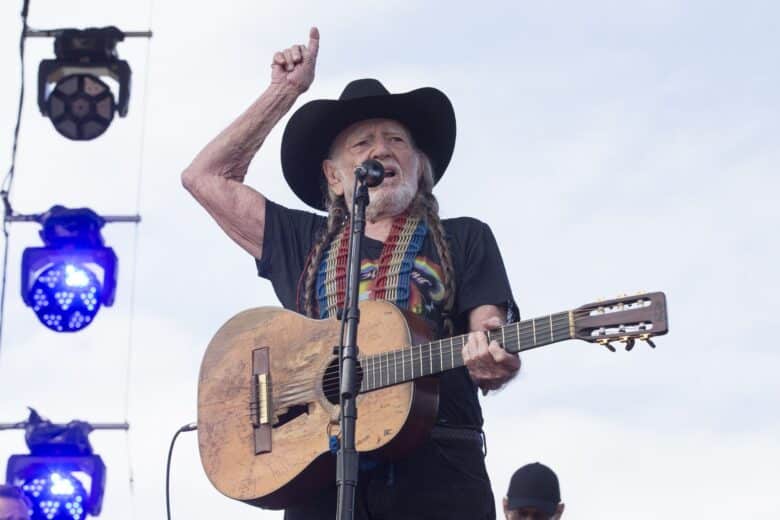
Willie Nelson
Grouped alongside Dylan and Young in exactly this same conversation, constantly. Unconventional, rough around the edges by mainstream pop standards. Foundational enough to an entire genre, though, that the roughness itself eventually became inseparable from the identity it built.

The bottom line
None of these voices were ever meant to sound conventionally pretty, and that’s exactly the point most critics miss when they complain. Character, not polish, built every one of these careers. Character was never going to please everyone in the room at once.
Ask us! What questions do you have about content, strategy, pop culture, lifestyle, wellness, history or more? We may use your question in an upcoming article!
Related:
Like MediaFeed’s content? Be sure to follow us.
This article was syndicated by MediaFeed.co.