Can you name these 10 mystery items your grandma used to keep in her kitchen?
Every kitchen drawer from a certain generation held the same graveyard of strange metal contraptions. Built for one job. Only one job. Decades before anyone had heard the phrase “multi-tool.” See if the clue gives it away before the reveal does.

Question 1
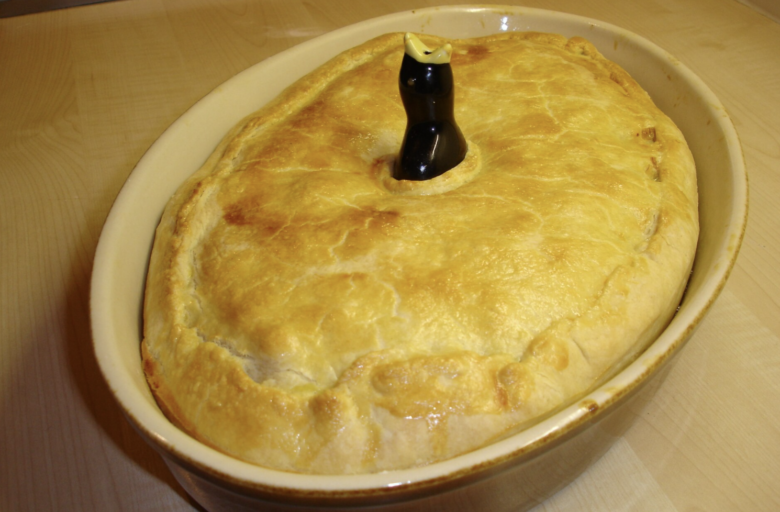
A ceramic figure, usually shaped like a blackbird, planted upright in the center of a pie before baking.
Answer
The pie bird. Placed dead center in the filling, it vents steam and props up the top crust. Solved the soggy-bottom problem decades before anyone thought to engineer a modern fix.

Question 2
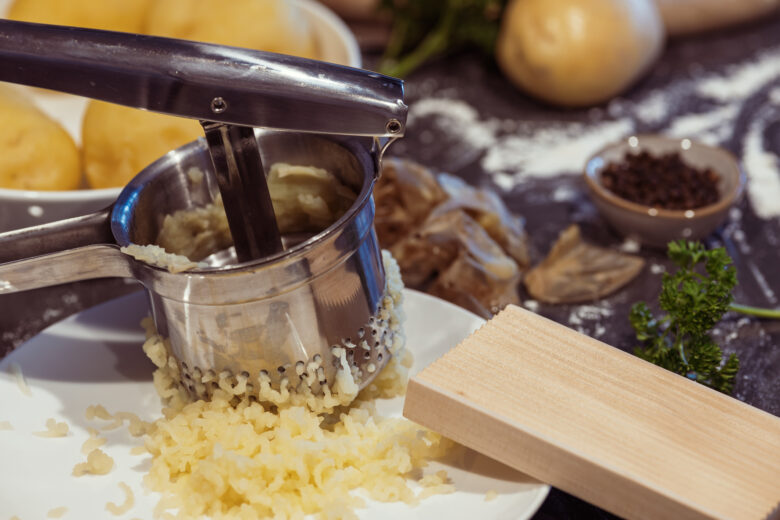
A metal press with a hopper on top and small holes underneath, turning a boiled potato into something resembling grains of rice.
Answer
The potato ricer. The name comes straight from the shape it produces, and plenty of serious home cooks still argue it beats a masher for genuinely fluffy mashed potatoes.

Question 3
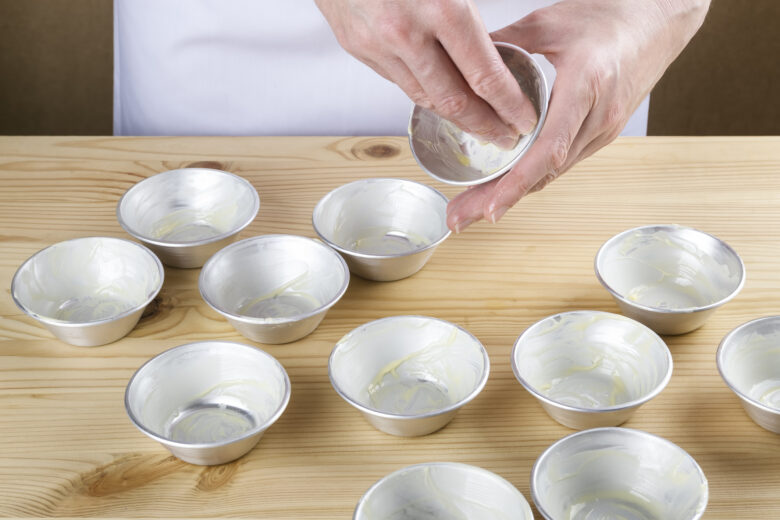
Carved wood, pressed onto a fresh block of butter to stamp a design: a cow, a flower, a wheat sheaf, into the surface.
Answer
The butter mold, or butter stamp. Farmers first popularized these in the 18th century, branding their products with a recognizable mark before hauling them to market.

Question 4
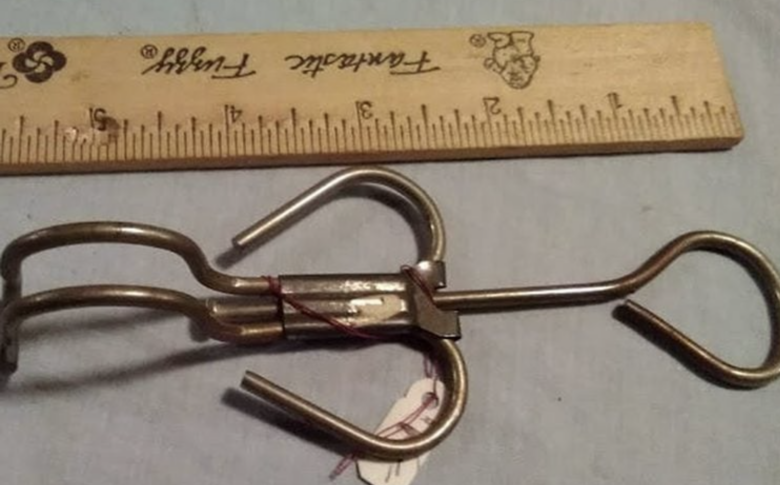
A small spring-loaded device, built to pop the pit out of a cherry without splitting the fruit in half.
Answer
The cherry pitter. Sometimes called a cherry stoner. Once essential for any serious pie maker, now mostly gathering dust, replaced by pre-pitted grocery store cherries and a general decline in home pie baking.

Question 5
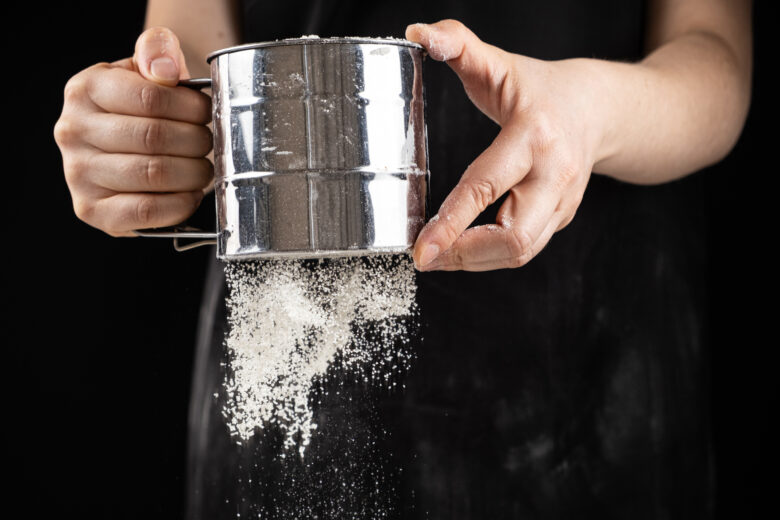
A tin or aluminum canister with a hand crank on the side, used to aerate flour before baking.
Answer
The flour sifter. Flour used to arrive rough. Sometimes lumpy. Occasionally worse than that. Triple-sifting wasn’t optional for anyone hoping their cake actually turned out light.

Question 6
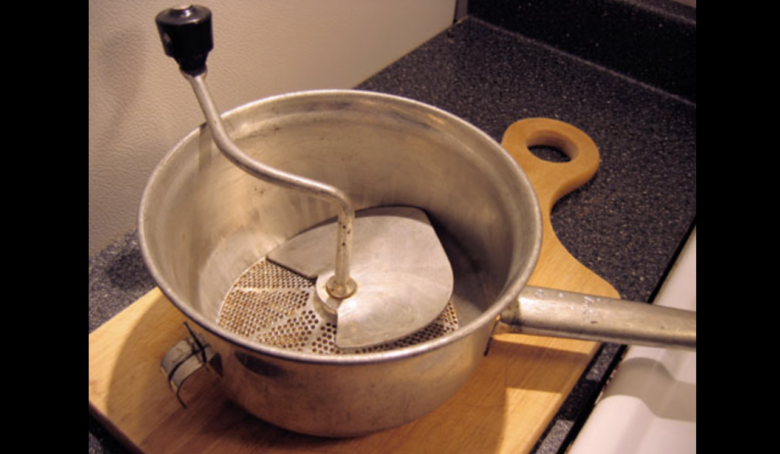
A hand-cranked device with interchangeable screens, used to purée cooked vegetables and fruit into smooth sauces.
Answer
The food mill, often sold under the brand name Mouli. This was the secret behind smooth sauces in the late 19th and early 20th centuries. Long before food processors made the whole thing electric.

Question 7
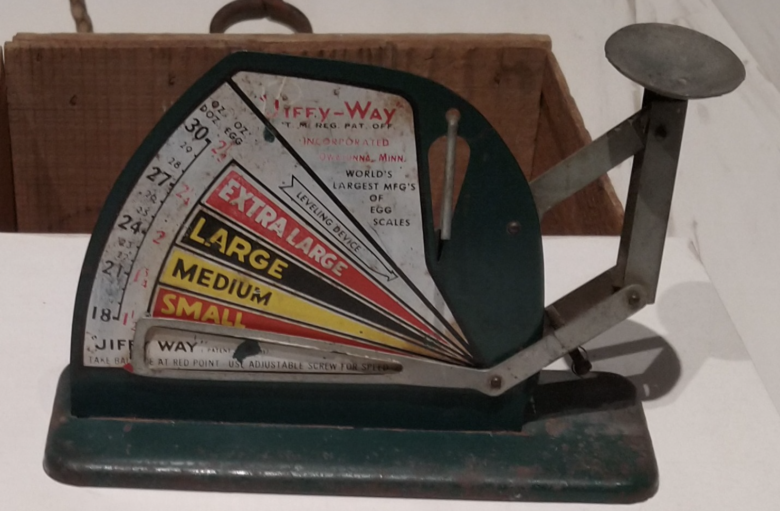
A small scale mounted in the kitchen, used specifically to weigh a single egg before baking.
Answer
The egg scale. Niche by modern standards, sure. But recipes once called for precise egg weights, and this device existed for that one narrow purpose. Nothing else.

Question 8
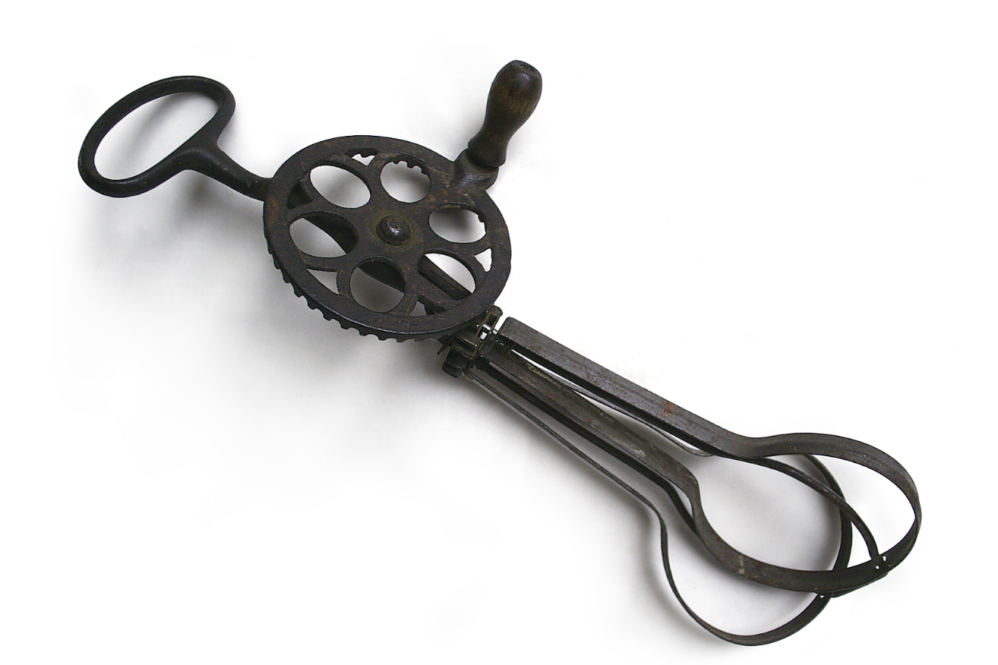
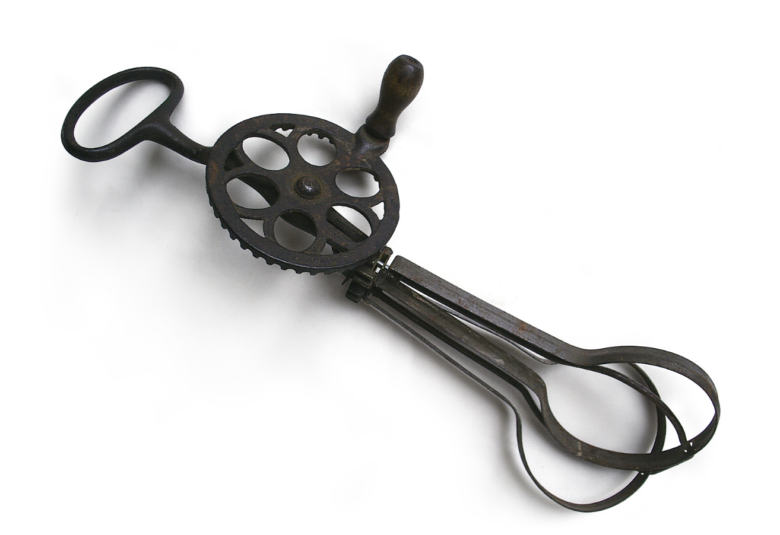
A hand-crank tool with two rotating beaters, used before electric mixers existed to whip eggs or batter into something usable.
Answer
The hand-cranked egg beater. Turn the crank, and the beaters spin. Simple mechanics, and an entire generation built cakes and meringues with nothing more sophisticated than that.

Question 9
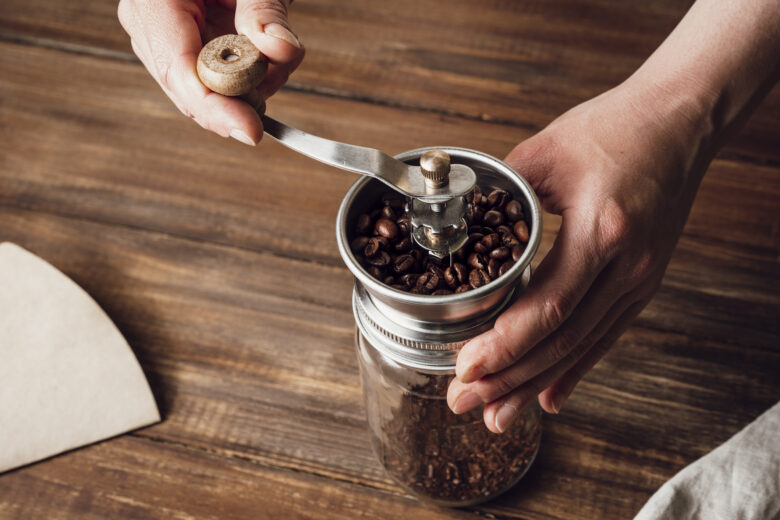
A wall-mounted device near the stove, used to grind coffee beans fresh each morning, before pre-ground coffee ever hit a store shelf.
Answer
The hand-crank coffee grinder. A little arm workout came standard with breakfast, every single morning, well before electric grinders made the whole ritual disappear.

Question 10
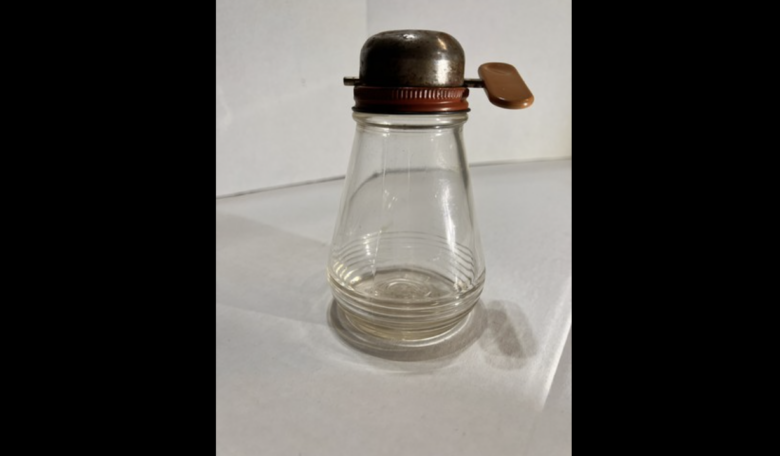
A small hand-cranked tool used to shell and process nuts before baking. Once common enough that nearly every kitchen drawer had one.
Answer
The nut grinder. A genuinely forgotten relic at this point. The kind of tool most people only encounter now while cleaning out a grandparent’s basement.

Final score
Ten for ten means a genuine grasp of kitchen history, well past what a modern stand mixer can teach you. Even half right still counts as a real connection to how the previous generation actually cooked.
Ask us! What questions do you have about content, strategy, pop culture, lifestyle, wellness, history or more? We may use your question in an upcoming article!
Related:
- 15 Things Boomers Still Miss About the Way Life Used to Be
- 7 everyday baby boomer habits that are illegal today
Like MediaFeed’s content? Be sure to follow us.
This article was syndicated by MediaFeed.co.