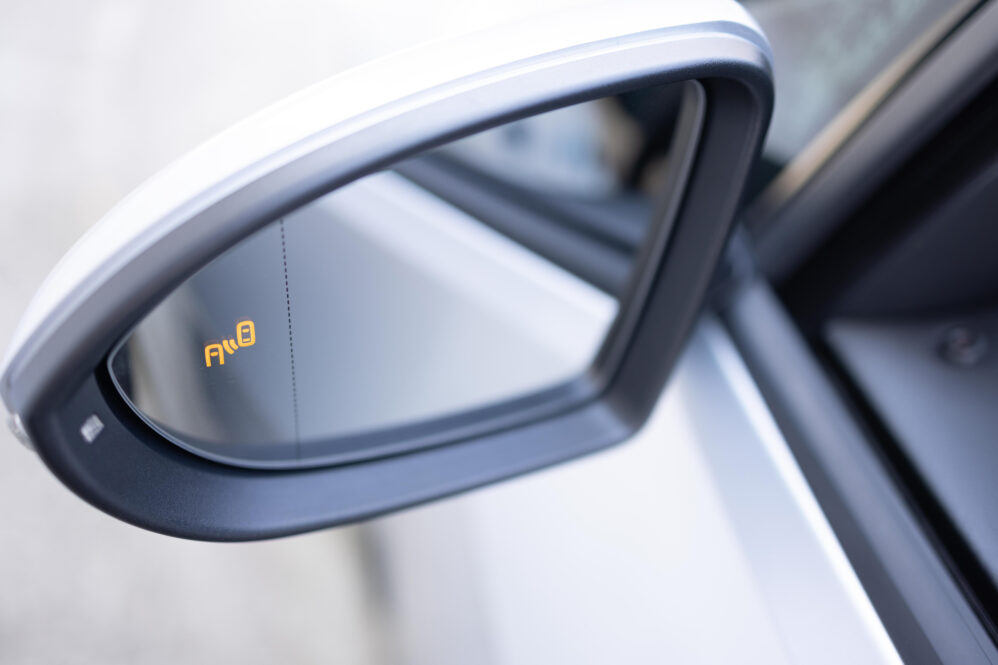
9 car safety features we take for granted today that faced backlash at first
Every feature drivers now buckle, brake, or back up with once landed as a genuine controversy. Congress got flooded with angry mail, state legislators even got compared to Hitler; none of it was hypothetical outrage either.
We went back through the actual record of how these fights played out, feature by feature.

Seatbelts
Nash Motors offered a factory seatbelt option in 1949 but almost nobody bought one. The company quietly dropped it, and that quiet failure set the tone for two decades of automakers treating safety as a marketing liability rather than a selling point. Federal law finally mandated seatbelts in 1968. Usage remained shockingly low, to the point that only 14 percent of Americans wore them regularly by the early 1980s. When Michigan proposed a fine for not buckling up, one state legislator got hate mail comparing him to Hitler. Congress received more angry letters about that interlock mechanism than they did about Nixon’s Saturday Night Massacre. Lawmakers killed the mandate within a year.

Collapsible steering columns and padded dashboards
Solid steel dashboards. Rigid steering columns that impaled drivers during frontal crashes. That was the standard through most of the 1950s, and Detroit resisted fixing it for years, arguing safety features would raise prices too much. Ralph Nader’s 1965 book changed the math entirely, forcing the industry’s hand. Congress mandated collapsible columns and padded interiors by 1968, with engineering designed to absorb crash energy rather than transfer it directly into a driver’s chest.

Air bags
Two decades. That’s roughly how long regulators fought automakers just to get airbags installed as standard equipment. The industry’s preferred fix was pushing states to pass seatbelt laws instead, a maneuver that let Detroit dodge the more expensive hardware requirement, and lobbying got so intense that one Illinois lawmaker said he’d never seen a bill this heavily lobbied in his career.

Anti-lock brakes
Most new cars had ABS by the late 1980s, decades before it became mandatory in 2013. Having it and understanding it turned out to be two different things. One study found 44 percent of ABS-equipped drivers couldn’t explain how the system actually worked, which undercuts the whole safety benefit the technology was built to provide.

Daytime running lights
General Motors pushed hard for this one in the 1990s. The backlash was immediate, and organized. Motorcyclists worried the lights would make cars blend in, erasing their own visibility advantage on the road, a concern still raised today by cycling and motorcycle safety groups who argue bright DRLs can mask more vulnerable road users like cyclists and pedestrians. Several states outlawed the feature outright, and the mid-1990s saw a genuine standoff between GM, pushing hard for approval, and federal regulators who weren’t convinced. The US still hasn’t mandated them, unlike most of Europe and Canada.
Backup cameras
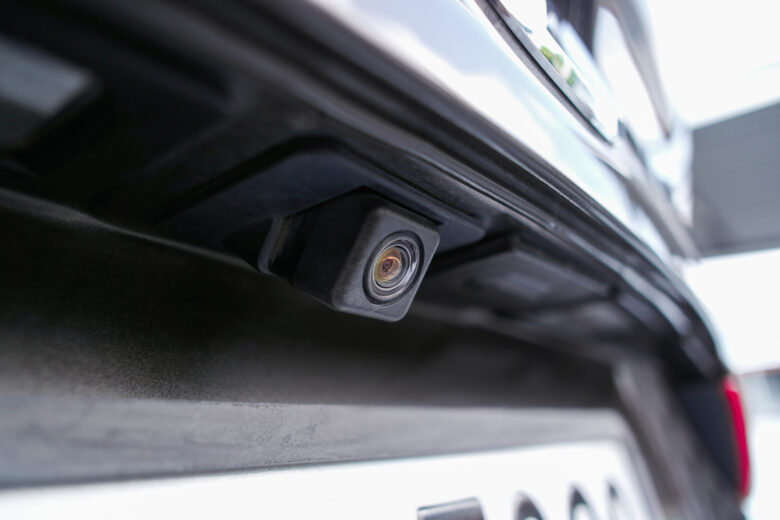
Sold for years as a luxury convenience rather than a genuine safety feature. Trickled down slowly from high-end vehicles to everything else. The federal mandate didn’t arrive until 2018, decades after the underlying camera technology already existed and worked fine.

Child safety seats
Standardized tether anchor points only became a legal requirement relatively recently. Even now, incorrect installation trips up a large share of parents, since an incorrectly installed seat offers only a fraction of the protection it’s designed to provide.
Blind spot monitoring
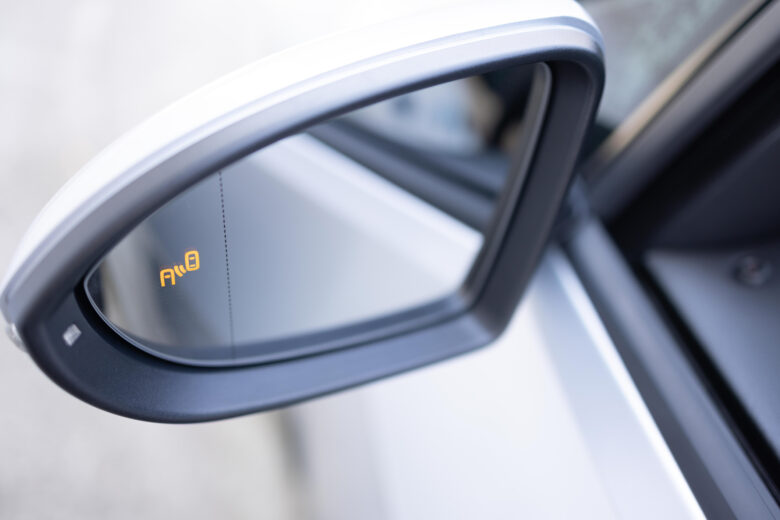
Distracting. Unnecessary. That’s how the related lane-change technology, lane departure warning, sounded to many early users, and drivers frequently switched it off, finding the alerts more annoying than helpful. Blind spot monitoring fared differently. Research from the Insurance Institute for Highway Safety found drivers overwhelmingly kept it switched on, and the two systems combined cut lane-change crashes by 11 to 14 percent once adoption caught up.
Electronic stability control
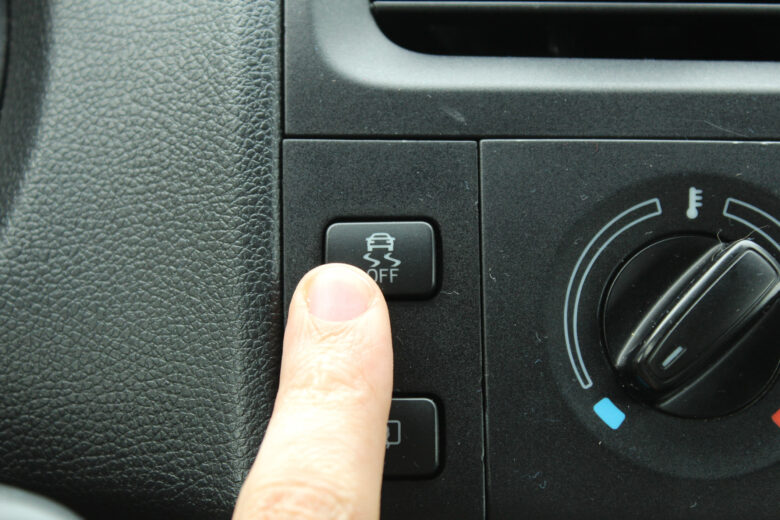
Widely credited with significantly reducing rollover crashes, ESC still faced resistance from manufacturers due to the added per-vehicle cost. Regulators eventually mandated it anyway. NHTSA’s own rule estimated the technology would prevent 4,200 to 5,500 rollover deaths annually once every vehicle on the road had it, part of the broader push that eventually brought backup cameras and stability systems to every new car sold.

The bottom line
Nearly every feature on this list was treated at some point as an unnecessary expense, a government overreach, or both. The data eventually won every argument. It just took considerably longer than the engineering itself ever did.
Ask us! What questions do you have about content, strategy, pop culture, lifestyle, wellness, history or more? We may use your question in an upcoming article!
Related:
Like MediaFeed’s content? Be sure to follow us.
This article was syndicated by MediaFeed.co.