10 forgotten car brands from the past that were way ahead of their time
Innovation didn’t guarantee survival in the auto industry. Some of the most forward-thinking car companies in American history collapsed anyway, undone by financing, bad timing, or competitors with deeper pockets. Here are 10 car brands we think were way ahead of their time (& why).
Tucker
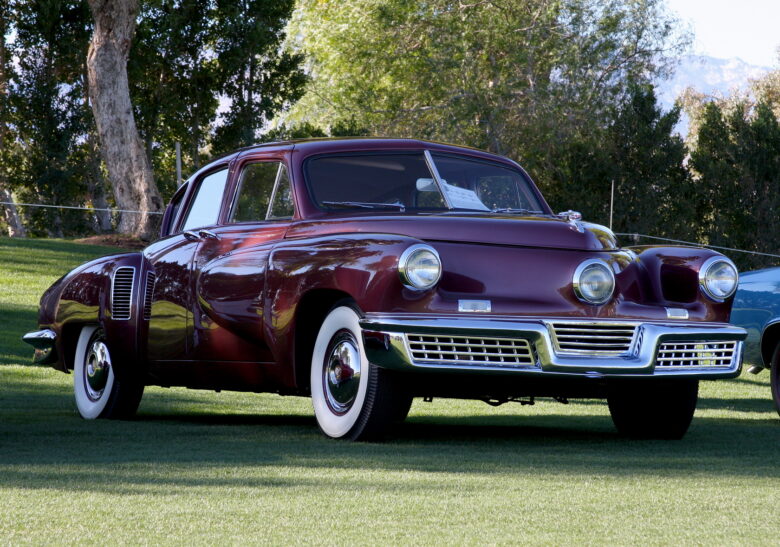
What did a 1948 car need to be genuinely ahead of its time? Seatbelts. A padded dashboard. Windows engineered to pop out during a crash. The Tucker 48 had all of it, decades ahead of anything else on the road, plus a rear-mounted engine and a steering-linked center headlight. A bogus SEC investigation and a wave of sensational reporting ended the company regardless. Just 51 cars ever got built.
Studebaker
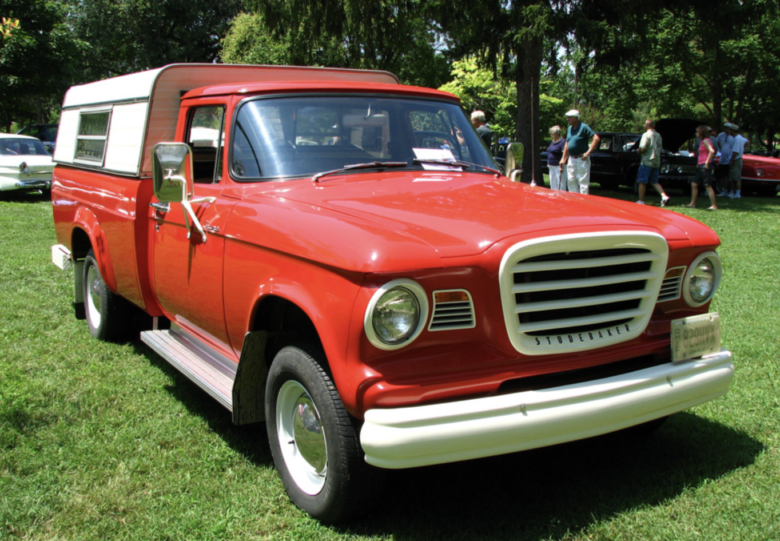
Started as a wagon manufacturer in 1852, of all things. Eventually became known for the Avanti, a model boasting front disc brakes and aerodynamic styling well before either became industry standard. Financial troubles led to the closure of the operation in 1966.

DeLorean
Best known now for one film franchise, and not much else in public memory. In 1981, though, the DMC-12’s stainless steel body and gullwing doors were genuinely radical engineering choices. Financial collapse, worsened by a purported FBI sting targeting founder John DeLorean, ended production within two years.
Duesenberg
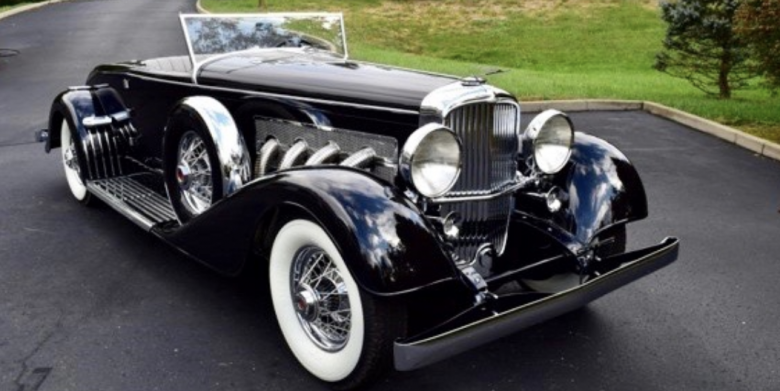
Some of the most technically advanced luxury cars in the world, built right here in the 1920s and early ’30s. Then the Great Depression crushed demand for anything that expensive. The company closed in 1937. Originals now sell for millions at auction, decades after the fact.
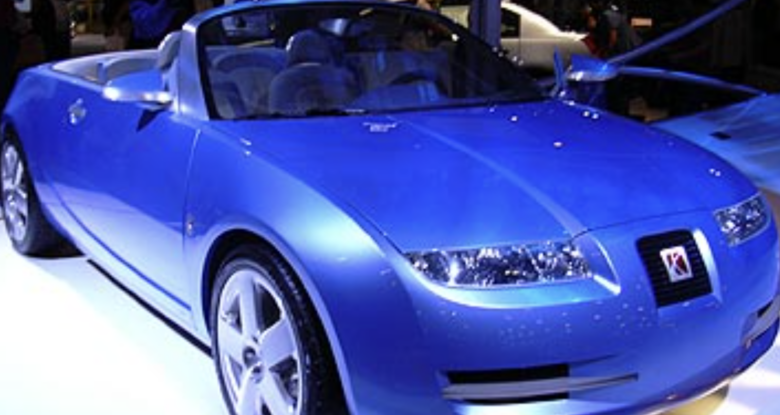
Saturn
General Motors launched this one in 1985 specifically to compete with Japanese imports. No-haggle pricing. Dent-resistant plastic body panels. Genuine innovations in how cars got sold, not only how they got built. Inconsistent support from GM, then the 2008 financial crisis, finished the brand off in 2010.
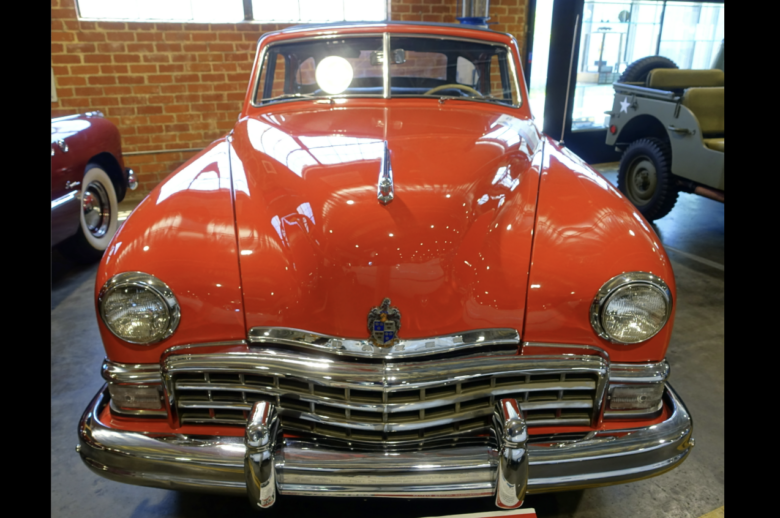
Kaiser-Frazer
Picture a postwar attempt to challenge Detroit’s Big Three head-on. The affordable Henry J. The striking Kaiser Darrin, a fiberglass sports car with sliding doors years before that idea became common anywhere else. Folded by 1953, though the legacy quietly survived inside Jeep.
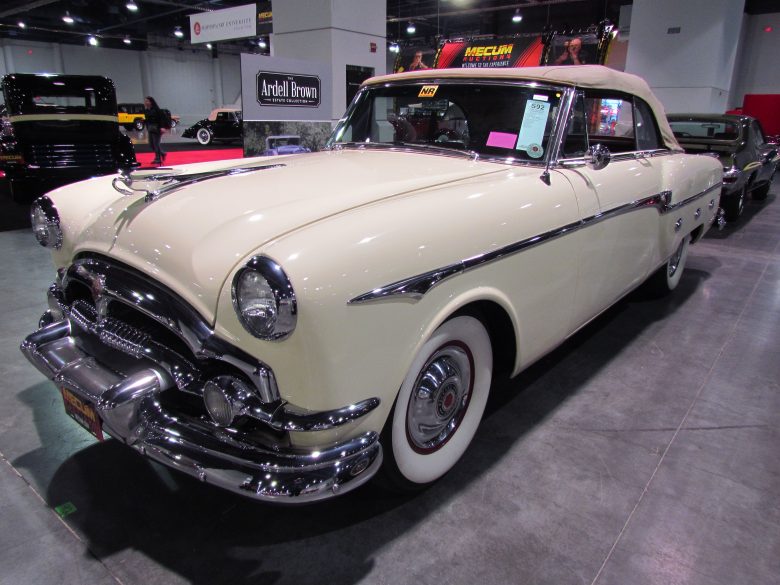
Packard
“Ask the man who owns one.” A good slogan, for good reason, unchanged for decades as the luxury car of choice among old money buyers. Packard built genuinely excellent vehicles for decades before struggling to keep pace with Cadillac and Lincoln, eventually merging with Studebaker before the name was terminated entirely in 1958.
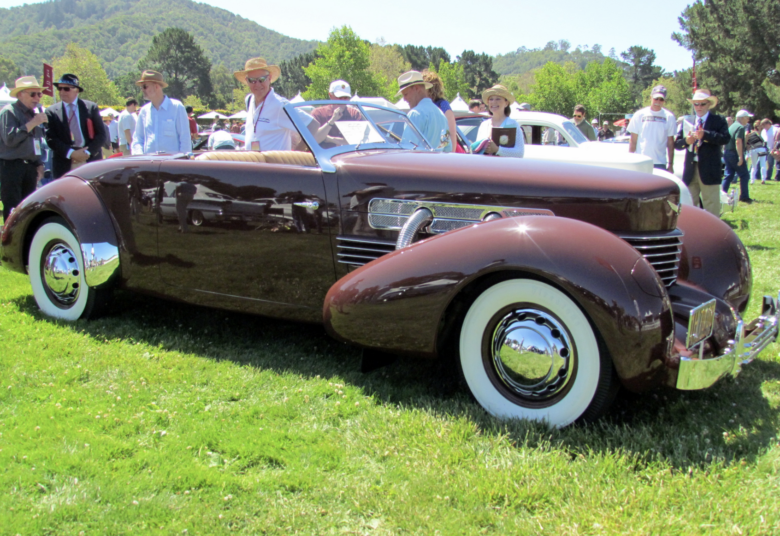
Cord
Front-wheel drive, revolutionary for the era, at a time when almost no other manufacturer was seriously pursuing the layout. The brand simply didn’t survive long enough to capitalize on being right this early.
AMC
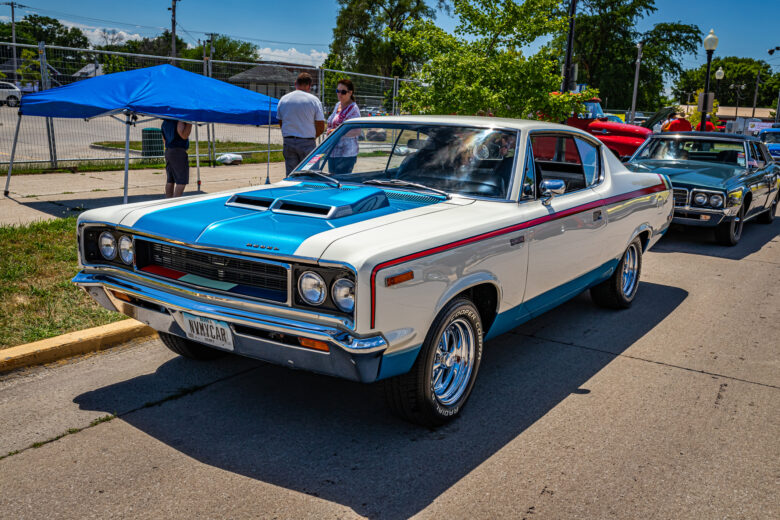
With fewer resources than its rivals, AMC took on greater risks rather than avoiding them. The Gremlin, the Hornet, the Pacer; each one built to stand apart rather than blend in. Buying Kaiser Jeep in 1970 brought the Wagoneer into the fold too, ultimately becoming the asset that outlived the rest of the company.
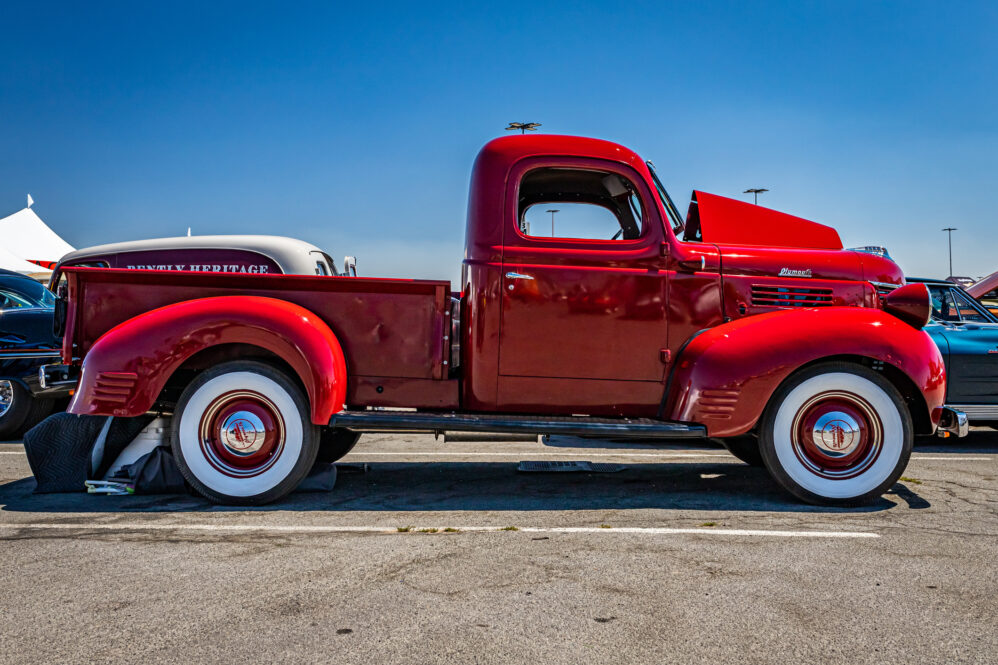
Plymouth
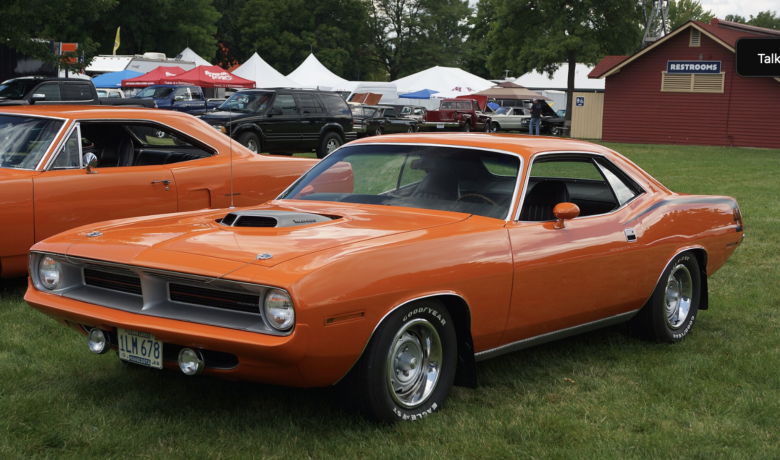
Chrysler’s budget-friendly brand gave the world the Barracuda, the Road Runner, and later the Voyager, one of the first minivans successfully marketed in North America. By the 1990s the lineup had blurred too closely with Dodge and Chrysler’s own offerings, and the brand was retired during the 2001 model year.
The bottom line
Being right early turned out to be its own kind of curse. Every brand on this list built something the market eventually caught up to and embraced. Just not soon enough. Or not from the company that built it first.
Ask us! What questions do you have about content, strategy, pop culture, lifestyle, wellness, history or more? We may use your question in an upcoming article!
Related:
Like MediaFeed’s content? Be sure to follow us.
This article was syndicated by MediaFeed.co.