
The real reason car engines used to sound so much louder
While modern cars are very quiet and comfortable, many people deeply miss the loud rumble of older vehicles. The old engine noise gave the car a personality, and somehow, made driving exciting. Here is how that roar slowly quieted over the decades.
Bigger Engines and Open Exhausts
One of the main reasons classic cars sounded so much louder comes down to size and simple mechanics.
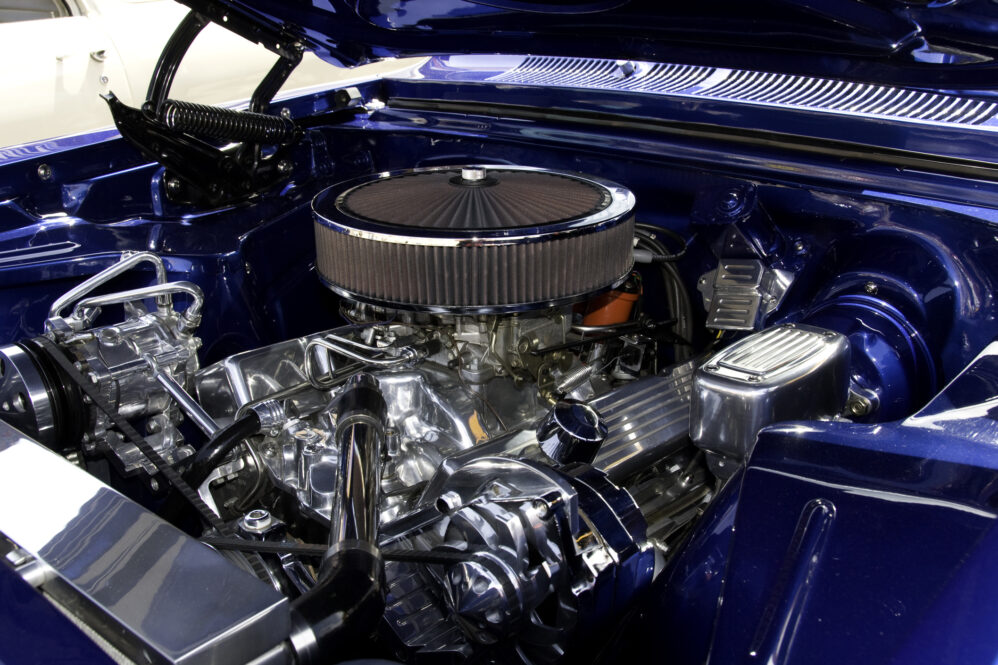
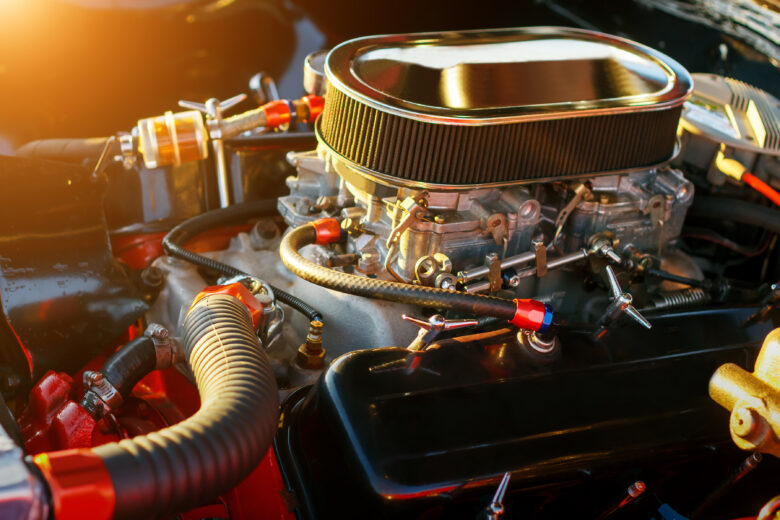
The muscle car of the ’60s and early ’70s, relied on V8 engines with huge cylinders. These large engines burn a lot of fuel at once compared to modern cars we use these days, also in modern cars engines are provided with turbochargers. The turbocharger basically acts like a sponge for noise, it traps fast-moving exhaust gases, capturing a large portion of the sound before it ever leaves the tailpipe.
Noise Regulations and Air Filters
Mid ’70s strict government rules and environmental laws, such as the Noise Control Act of 1972, played a huge role in controlling and minimizing the sound of the loud engines.
Since then, cars have been required to pass strict noise-limit standards before they can be sold.
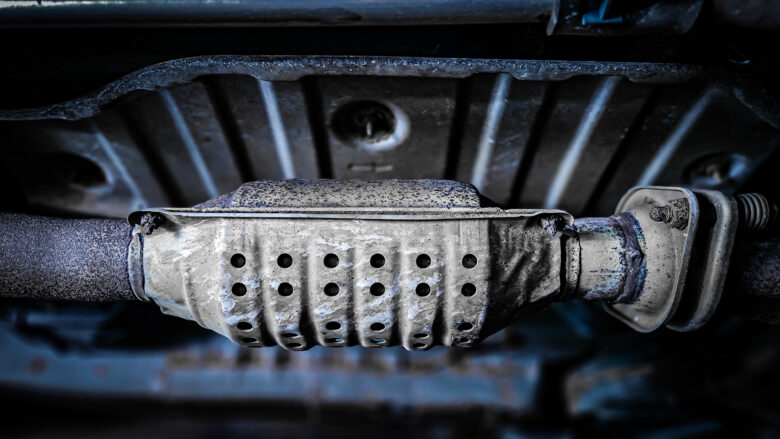
On top of that, starting in 1975, exhaust systems were supported with heavy filters like catalytic converters, in addition to diesel and gas traps to clean up emissions.
As exhaust air forces its way through these tight filters turning what used to be a loud growl into a soft sound.
Advanced Muffler Technology
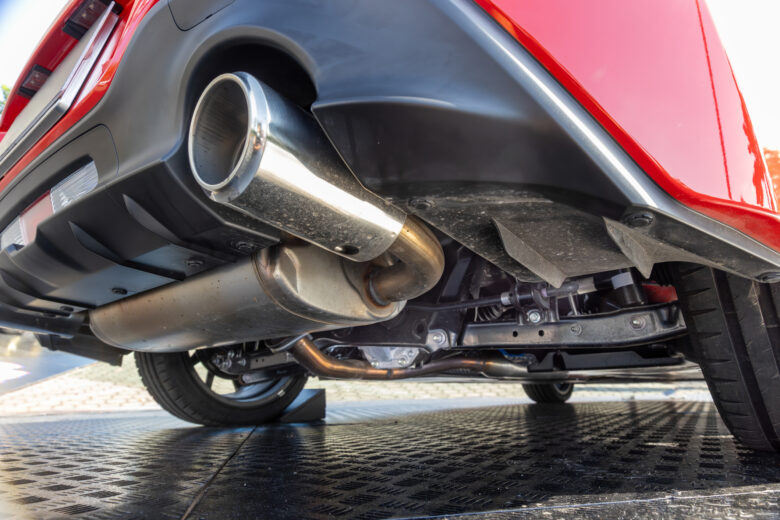
Engine mufflers and exhaust designs changed significantly through the ’80s and ’90s. In the ’60s, the way mufflers were built allowed them to only absorb a small amount of the noise.
Now, when the driver notices a different or a slightly louder noise, engineers can target these frequencies and eliminate them, ensuring the sound of the car is controlled and quiet.
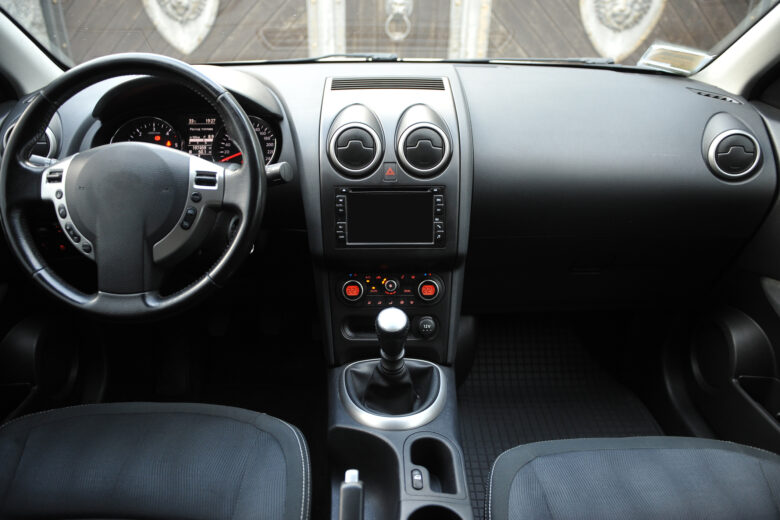
Heavy Cabin Insulation
By the ’90s and 2000s, cars were built to hide sound in a better, more efficient way. Cars from the ’60s and ’70s were mostly metal covers with little insulation inside, so if you’re inside the car you could hear every little noise from inside and outside the cabin.
Modern vehicles are built with thick foam padding, sound-deadening mats, and double-pane glass.

Smarter Engine Management Systems
Computer technology changed how engines operate throughout the 2000s and 2010s. Older cars used mechanical fuel systems like carburetors, which often sprayed fuel unevenly, causing loud mechanical clattering.
Modern engines use electronic sensors and high-pressure direct injection to control how fuel enters the engine, making it burn more cleanly and evenly.
Related:
- Cars of the ’70s that were so ugly they became cool again
- Then & now: 44 photos comparing car companies’ debut vs latest models
Ask us! What questions do you have about content, strategy, pop culture, lifestyle, wellness, history or more? We may use your question in an upcoming article!
Like MediaFeed’s content? Be sure to follow us.
This article was syndicated by MediaFeed.co


