The strange reason people used to sleep sitting up in the Middle Ages
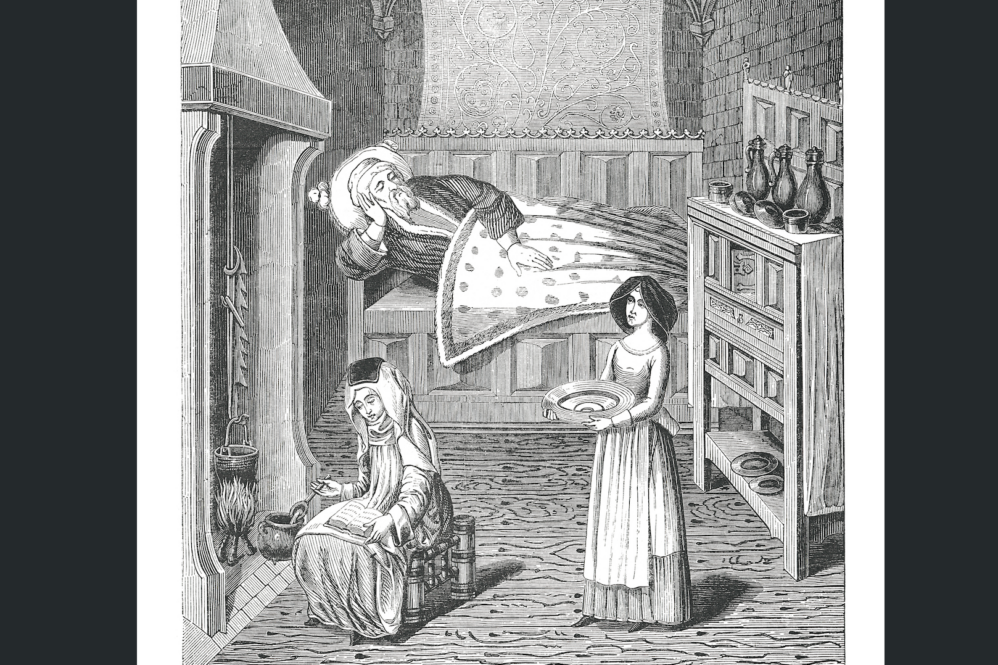
Medieval paintings keep showing the same odd detail. People in bed, propped at a steep angle, pillows stacked high behind their heads. For years, that image convinced historians and museum guides alike that medieval people genuinely slept upright, and the explanations for why ranged from practical to genuinely unsettling.
Historians revisiting the claim have found the truth is more layered than any single theory suggests. Part folklore, part misread art, part genuine medical belief.
The fear of looking like a corpse
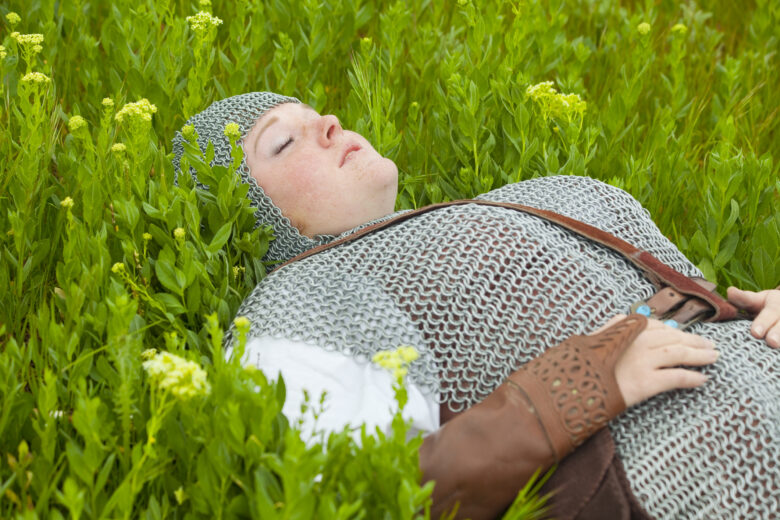
Lying completely flat looked, visually, indistinguishable from death. Some historians argue medieval artists exaggerated the propped-up angle specifically because a flat figure in bed read as a corpse rather than a sleeping person. Artistic convention, in other words. Not an actual nightly habit.
Demons entering through an open mouth
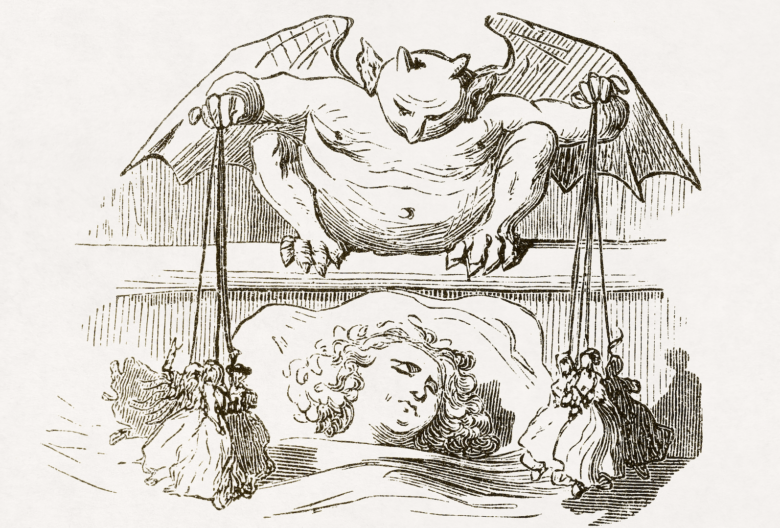
Sleep flat and the jaw falls open. An open mouth at night was believed to invite evil spirits in while a person lay defenseless. Prop the head up, keep the mouth shut, keep whatever might be lurking outside the bed exactly where it belonged.

Preventing digestion problems
A more medically grounded theory here. Pillows and bolsters propped the head and upper back specifically to ease digestion and prevent regurgitation overnight, a genuine concern in an era with no real treatment for reflux.
Straw mattresses and rope-strung bed frames
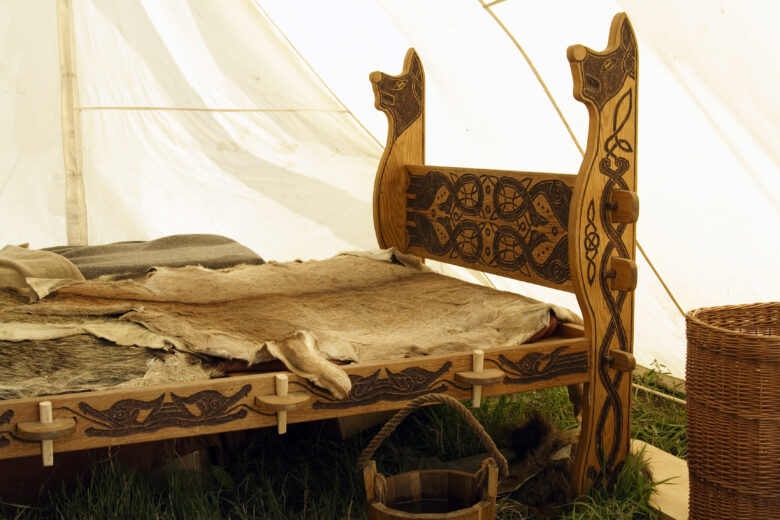
Maybe the most mundane explanation is the truest one. Medieval beds were often strung with rope rather than solid slats, and lying fully flat on a sagging rope frame risked sinking straight through by morning. Propping up on pillows kept the weight distributed in a way a straw mattress could actually hold.
What historians now think actually happened
Full upright sleeping, every night, out of pure fear? Probably not the norm. The likelier picture sits somewhere in between: flat on the back most nights, moderately propped by pillows and bolsters, fully upright reserved mainly for illness, or for sitting up to talk while already in bed.
The bottom line
The truth turned out less dramatic than the legend. Not by much, though. Medieval sleepers weren’t bolt upright every night dodging demons. They were working around bad mattresses, real digestive complaints, and an artistic tradition that made lying flat look a little too much like the end of the story.
Ask us! What questions do you have about content, strategy, pop culture, lifestyle, wellness, history or more? We may use your question in an upcoming article!
Related:
- Historical “discoveries” that turned out to be elaborate hoaxes
- Some of the most surprising record deals in music history
Like MediaFeed’s content? Be sure to follow us.
This article was syndicated by MediaFeed.co.