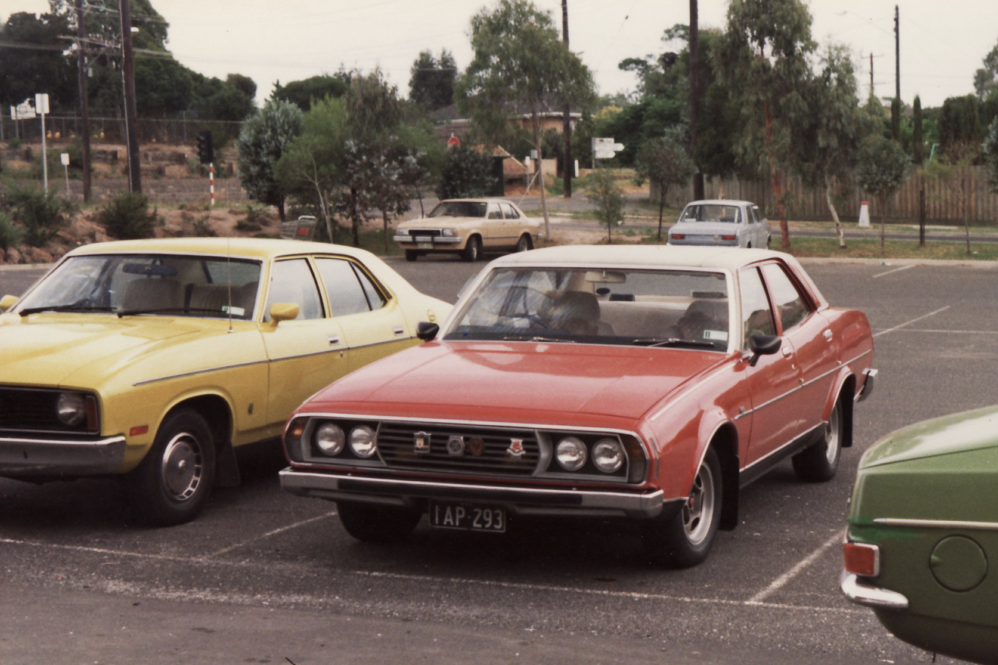
’70s cars that didn’t quite go as planned
As much as we love ’70s classics, we can’t pretend every car was a winner. Some were born under the worst possible circumstances, resulting in cars that rusted on contact with rain, or even just flat-out refused to start.
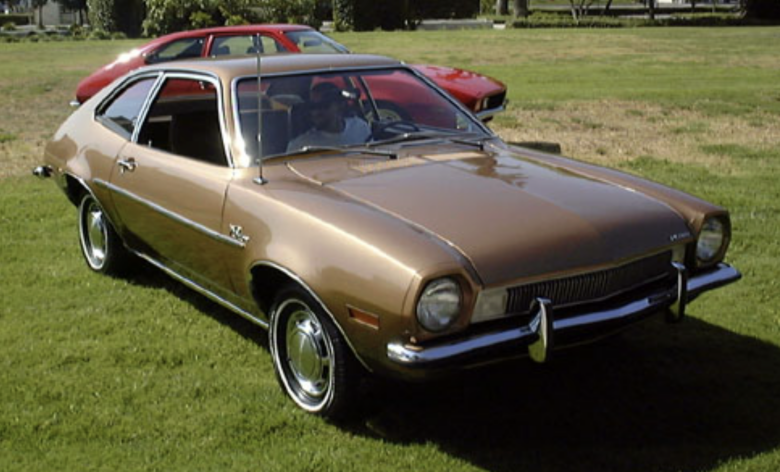
1. 1970 Ford Pinto
An affordable, fuel-efficient subcompact, but in reality, having the fuel tank directly behind the solid rear axle without protection was a huge problem, and it highlighted significant safety concerns
In 1972, a Pinto was caught in flames after a rear-end collision, causing the driver, Lilly Gray, to lose her life after suffering severe burns to her entire body
Legal proceedings revealed that Ford was aware of the Pinto’s unsafe test results yet proceeded with production, prioritizing costs over safety.
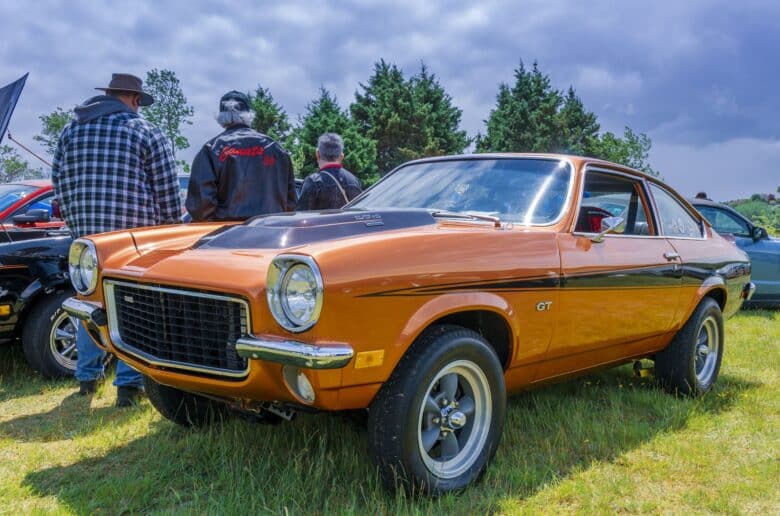
2. 1971 Chevrolet Vega
This General Motors Chevrolet Vega had an unlined, sleeveless aluminum block made from a high-silicon alloy, which was nice, but led to many problems.
The engine heated easily, leading to gas tank fires and melting engines. Combined with zero rustproofing, cars literally began rusting on delivery transport trains.

3. 1973 Reliant Robin
This special three-wheeled, lightweight economy car had its own problems. With a single wheel at the front and a lightweight fiberglass body, taking sharp turns at speed routinely caused the car to roll over onto its side.
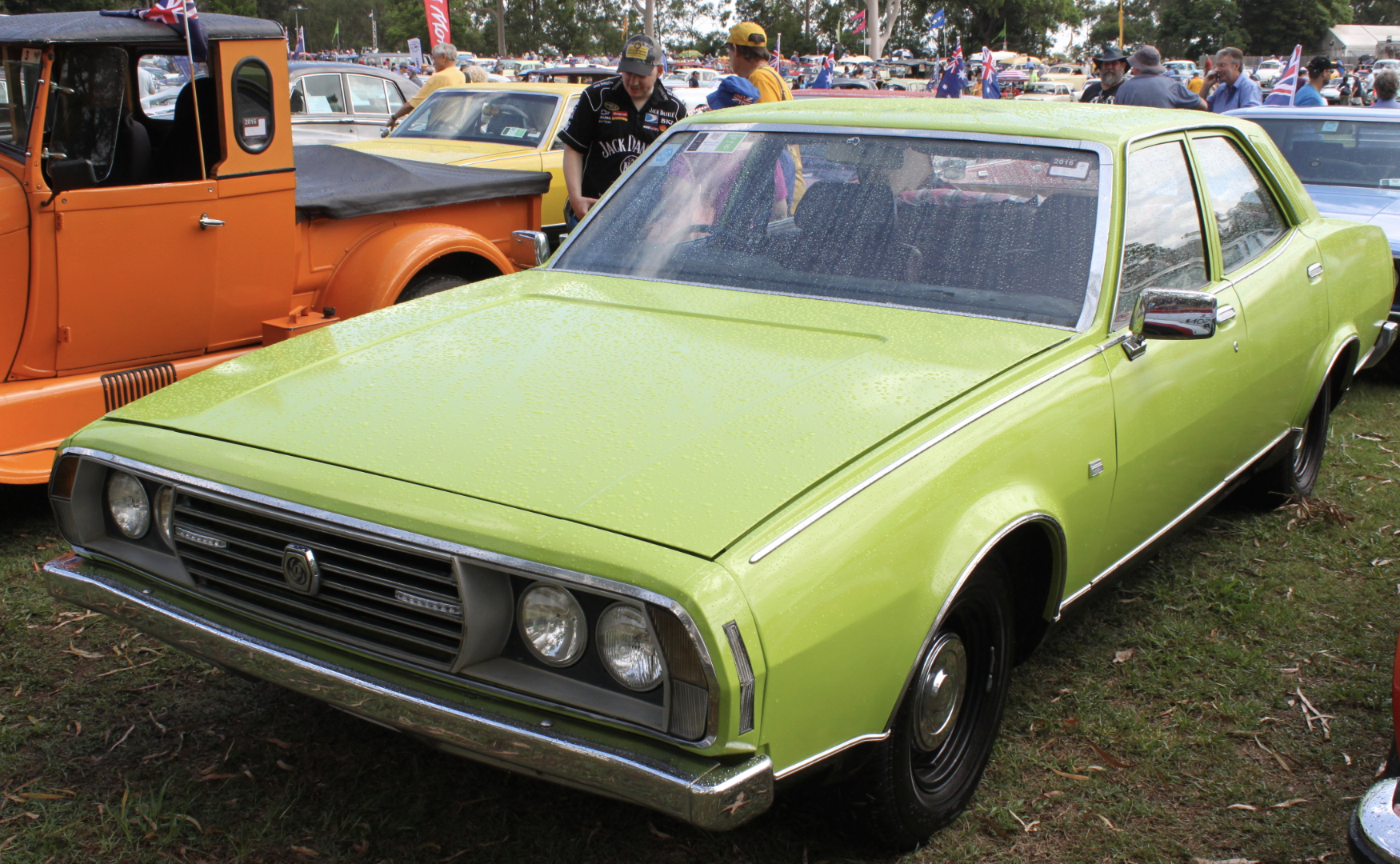
4. 1973 Leyland P76
Australia’s attempt at a full-size family sedan designed to fit a 44-gallon oil drum in the trunk.
Structural assembly was really poor, doors leaked water constantly, bonded windscreens leaked, cracked, or popped out at high speeds.

5. 1974 Triumph TR7
A futuristic sports car with a special personality. It was built during the British labor crisis, so assembly quality was a bit catastrophic. The headlights sometimes refused to open, electrical systems failed a lot, and body panels rusted prematurely.
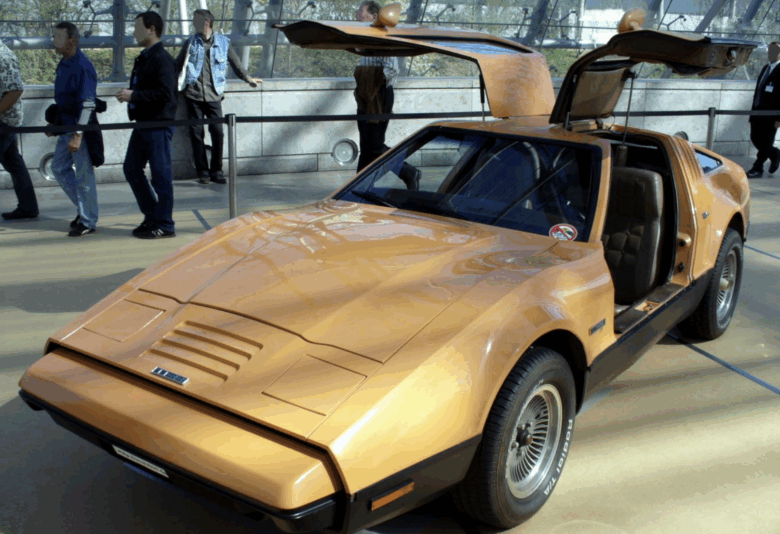
6. 1974 Bricklin SV-1
A unique sports car with gullwing doors and a fiberglass body. Although they look really special, these heavy hydraulic doors would get trapped when electrical failures occurred, which was often. The acrylic body cracked under heat, and the car rapidly overheated.

7. 1974 Ford Mustang II
A fuel-efficient Mustang suited for the 1973 oil crisis and special body aesthetics, sadly, this car wasn’t particularly good to drive
Built on the chassis of the Ford Pinto, this Mustang’s early models lacked a V8 entirely, relying on a4-cylinder and V6 engines, and cars struggled to maintain highway speeds.
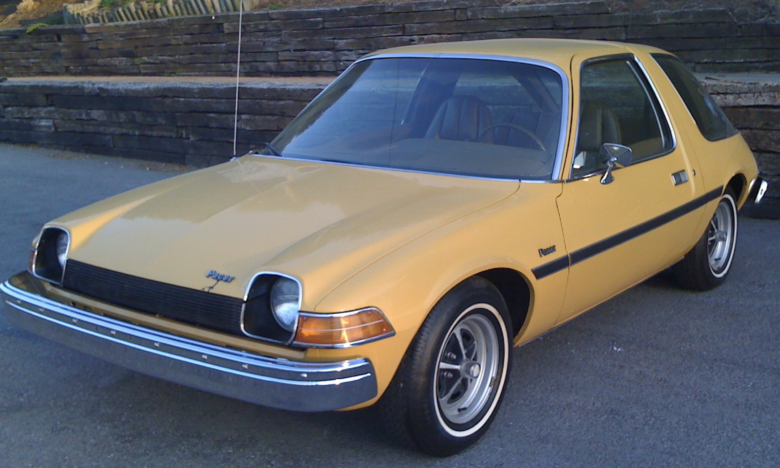
8. 1975 AMC Pacer
Marketed as the first wide small car. AMC originally intended to build the engine bay around a lightweight General Motors Wankel rotary engine, but this plan was canceled at the last minute, and the engine had to be somehow squeezed into a compartment designed for a compact rotary.
The extra weight hurt both handling and fuel economy, making the car a lot heavier than intended.

9. 1967 Dodge Aspen / Plymouth Volaré
Modern, comfortable compact replacements for the bulletproof Chrysler A-body cars.
These cars suffered endless recalls. Front fenders rusted away within months, brake lines leaked, and engine stalling was so frequent.
Their biggest problem of all was rust. In 1978, Driver magazine reported that Chrysler announced its largest recall in history, which covered 1.3 million Aspens, Volarés, Valiants, and Darts to fix the broken carburetor accelerator pump issue.
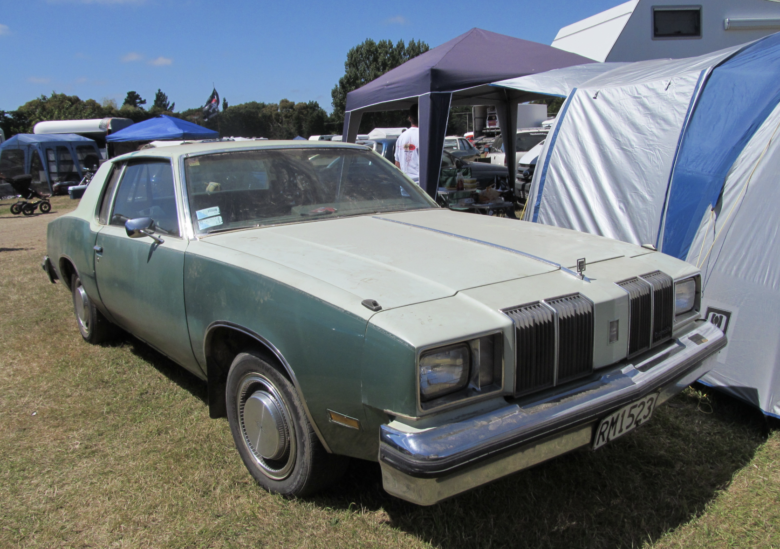
10. 1978 Oldsmobile Cutlass Supreme
Being built in the post-oil-crisis era, GM converted a gas engine without strengthening the head bolts or adding a water separator, leading to constant head gasket blowouts.
In general, these diesel engines frequently suffer from head gasket failure, stretched head bolts, and cracked cylinder blocks or heads.
Related:
- Cars of the ’70s that were so ugly they became cool again
- Can you name these 1980s trucks from a single interior photo?
Ask us! What questions do you have about content, strategy, pop culture, lifestyle, wellness, history or more? We may use your question in an upcoming article!
Like MediaFeed’s content? Be sure to follow us.
This article was syndicated by MediaFeed.co