The department stores America still misses
Online shopping flattened retail into a search bar. Before that, department stores were destinations, architectural landmarks, entire Saturdays built around one building downtown.
The same pattern shows up across nearly every regional chain that disappeared: a beloved name, bought out, absorbed, eventually rebranded into something else. Seven stores people still bring up without being asked.
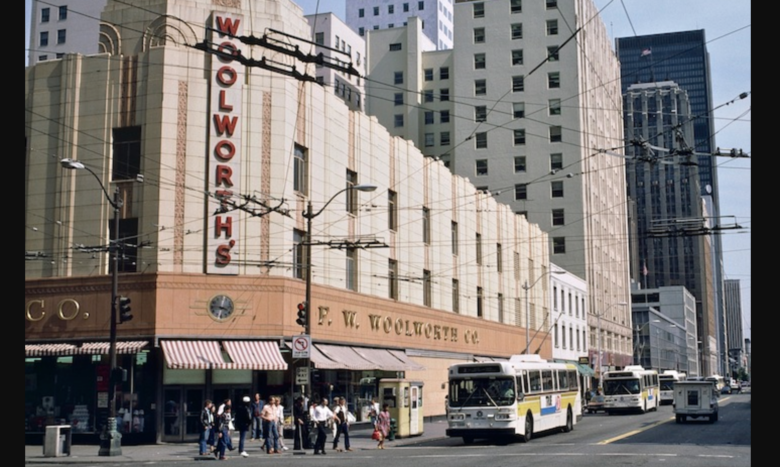
F.W. Woolworth
The lunch counter is what people actually remember. Not the merchandise, not even the five-and-dime pricing that made Woolworth’s famous starting in 1879. The counters functioned as informal town squares decades before anyone used that phrase. Roughly 3,000 stores at its peak. Gone from the US by 1997.
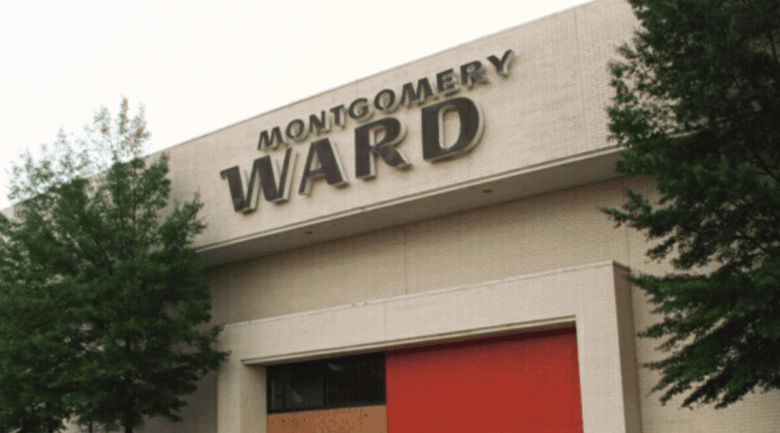
Montgomery Ward
Rural customers had no other way to shop before this. A single-sheet catalog in 1872 grew into something households waited for every season. The company’s own ad team invented Rudolph as a holiday giveaway in 1939, which is a strange thing for a mail-order chain to be remembered for. Bankruptcy took it down in 2001.
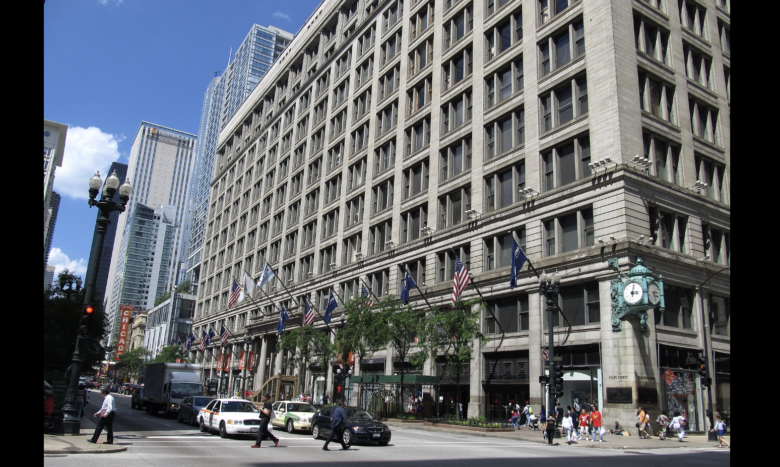
Marshall Field’s
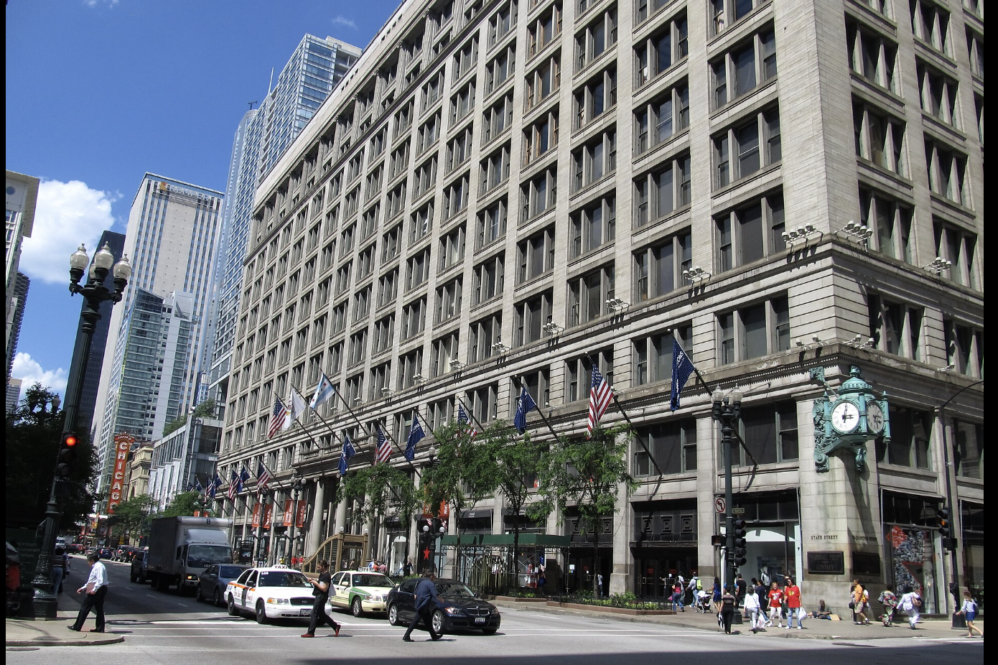
Chicago believed in one line for over a century: give the lady what she wants. The State Street flagship’s Tiffany ceiling and Frango mints weren’t marketing gimmicks; they were genuine landmarks that outlasted several generations of shoppers. Federated rebranded the whole chain to Macy’s in 2006. Public protest followed. Real protest, not the internet kind.
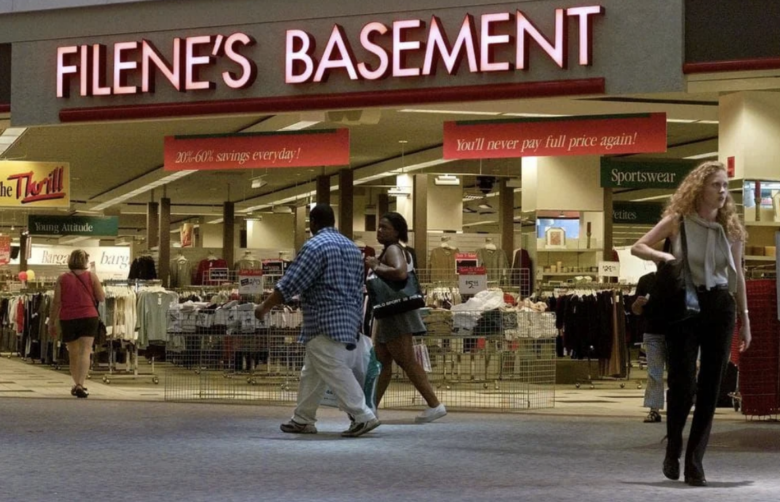
Filene’s Basement
Unsold stock from the main store, marked down further the longer it went unsold. That’s the entire concept, and it worked well enough to spin off into its own chain. The bridal sale alone, nicknamed the Running of the Brides, turned into a genuine media event every year until the Basement closed in 2011.
Gimbels
Macy’s toughest competitor for decades. Dozens of stores. Famous enough to get its own idiom (does Macy’s tell Gimbels), which is the kind of cultural footprint most closed retailers never manage. Closed for good in the 1980s.
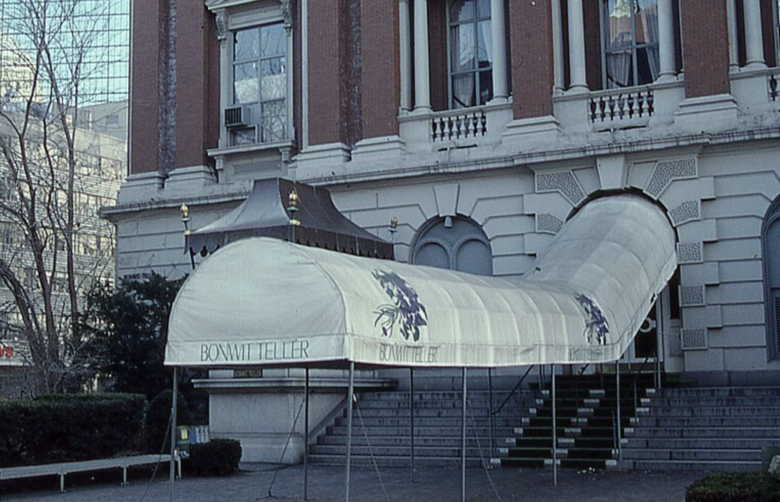
Bonwit Teller
New York luxury retail since 1895, remembered mostly for window displays lavish enough to turn a Fifth Avenue walk into actual theater. Financial trouble ended it eventually.
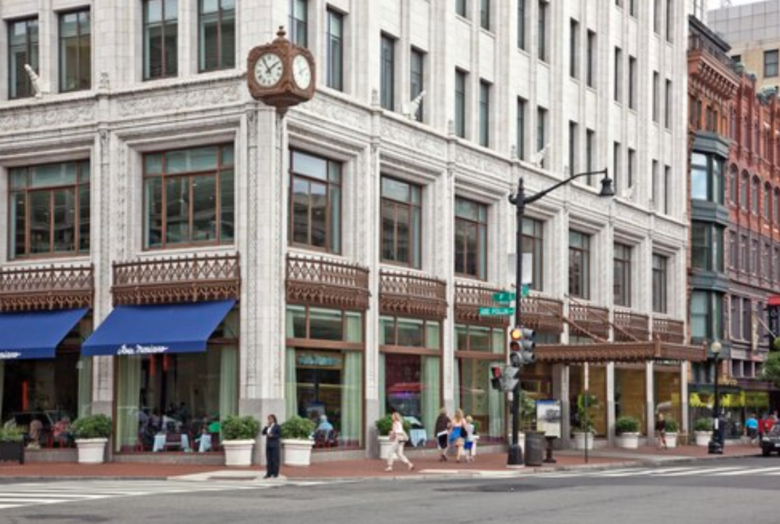
Hecht’s
Held on longer than most regional chains, all the way to 2005, before Federated bought and rebranded it into Macy’s. Same fate as Marshall Field’s. Same fate as Filene’s.

The bottom line
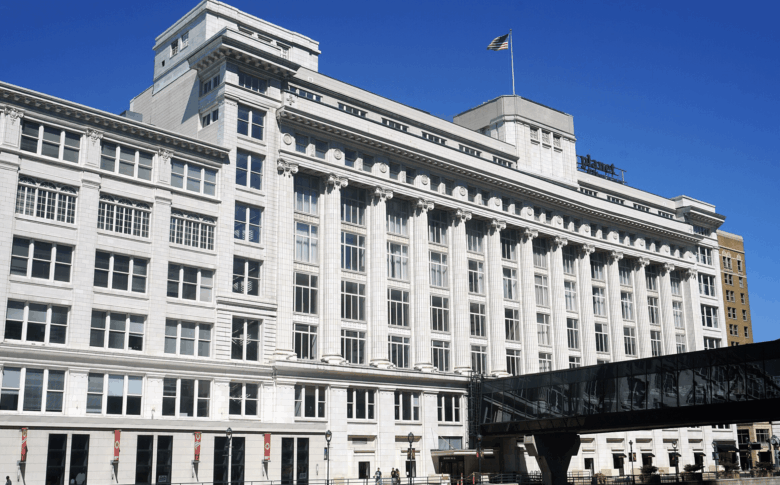
Department stores like Rich’s Downtown Department Store (pictured here) may be long gone, but they still live in our memories. What people actually miss isn’t the merchandise. It’s the experiences and old-school department store touch that modern big-box stores can’t replicate.
Ask us! What questions do you have about content, strategy, pop culture, lifestyle, wellness, history or more? We may use your question in an upcoming article!
Related:
- Nostalgic gold: 1980s cartoons worth rewatching as an adult
- Fun things we could do in the ’80s that today’s kids just can’t
Like MediaFeed’s content? Be sure to follow us.
This article was syndicated by MediaFeed.co.