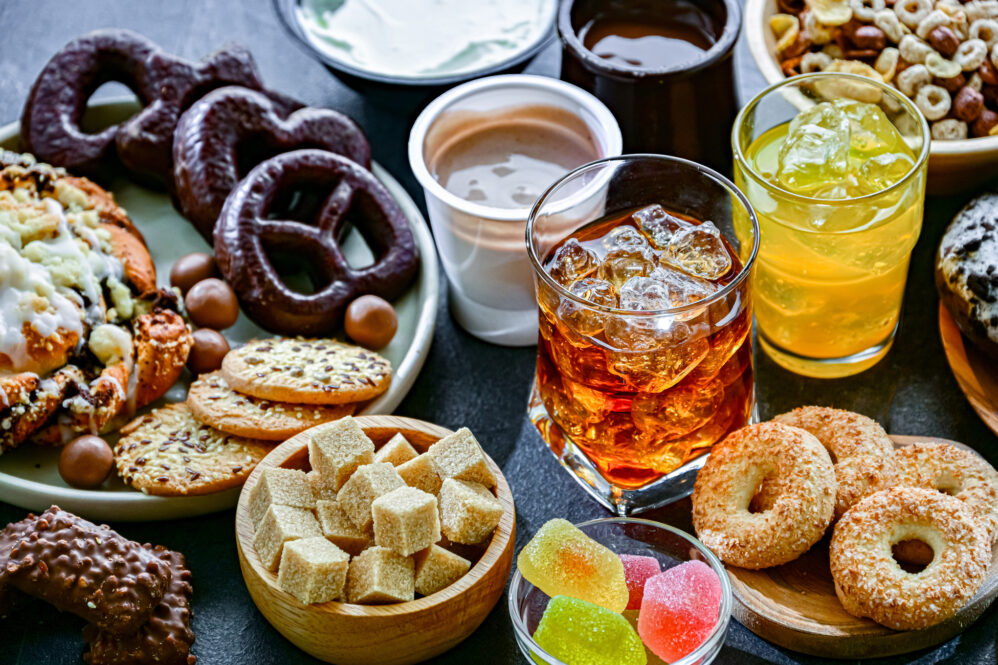
10 grocery store “health foods” that are secretly loaded with sugar
Read a nutrition label lately? The added sugar line is required now, has been since 2021, but nobody’s required to stop calling a product healthy just because that line is high.
The same handful of foods keep tripping people up, according to registered dietitians who track this stuff. Here’s what to actually watch for.
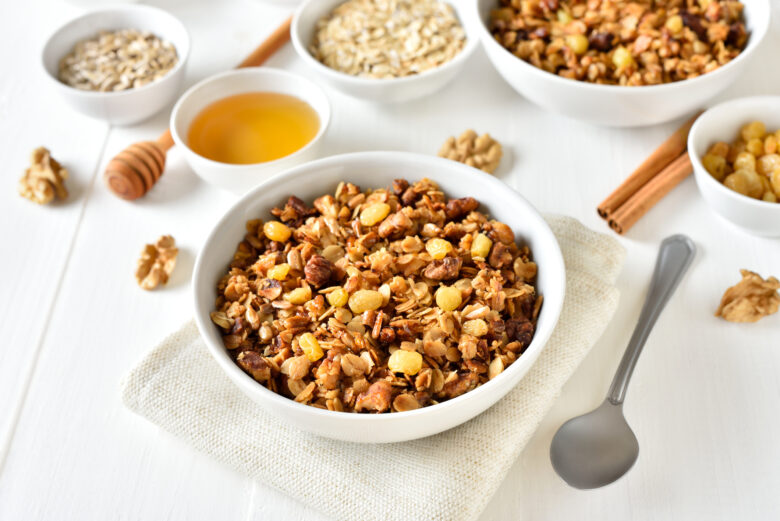
Granola
People assume oats and nuts mean healthy by default. The binding agents tell a different story. Honey, maple syrup, brown sugar; enough to reach 11 grams of added sugar per ounce in some brands, and 17 grams in at least one popular protein version.
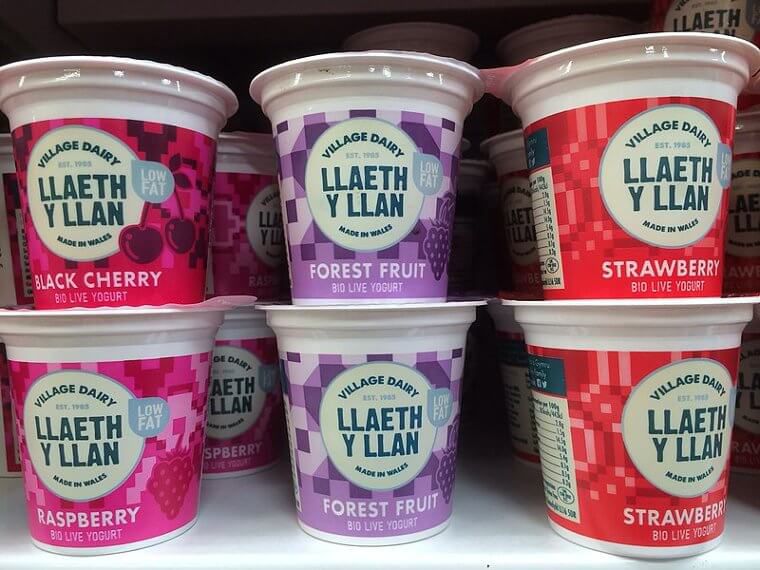
Flavored yogurt
Skip this one if there’s fruit swirled at the bottom, because that’s almost never actual fruit. It’s usually jam, which is why some flavored cups contain more sugar than a scoop of ice cream.

Protein bars
Not really food, not really candy, somewhere in between and closer to the candy side than the label wants anyone thinking. The protein itself often comes from processed soy or pea isolate, doing less nutritional work than the sugar holding the bar together.
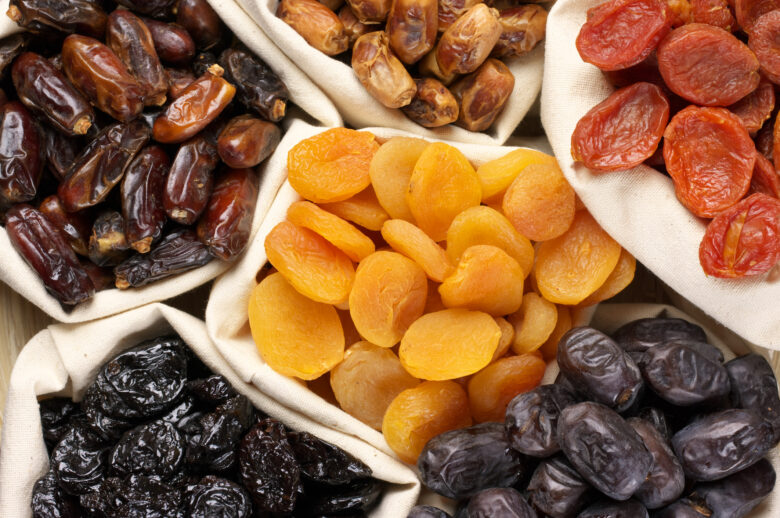
Dried fruit
Removing the water concentrates everything left behind, sugar included, and then a lot of brands add more on top anyway.
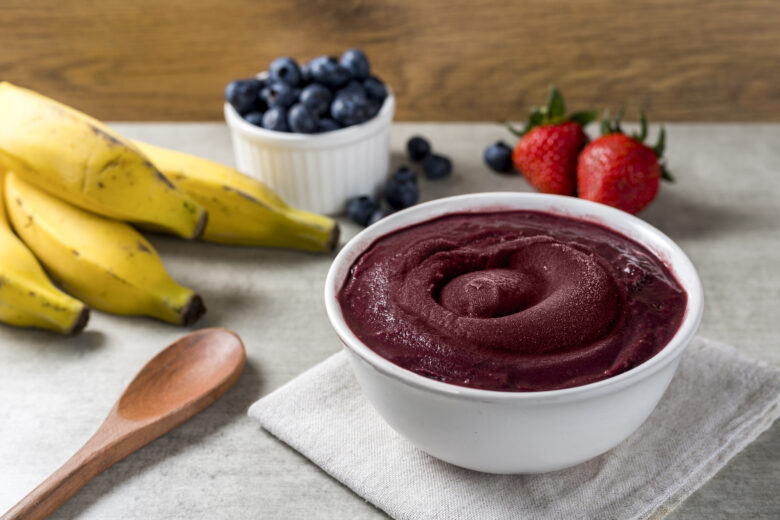
Açai bowls
Here’s the thing nobody mentions on the menu board. The base is acai puree blended into sweetened juice or banana, poured into portions larger than any standard serving size, and toppings push some bowls to a total of 50 grams of sugar. That’s a milkshake wearing sunglasses.
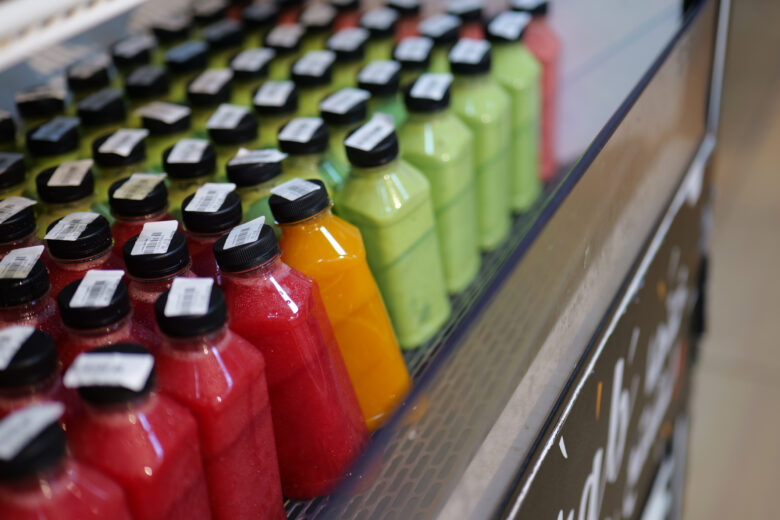
Bottled fruit juice
Juicing removes fiber. Fiber is what slows sugar absorption in whole fruit. Remove it and the sugar hits the bloodstream about as fast as anything labeled “added” would, technicality or not.
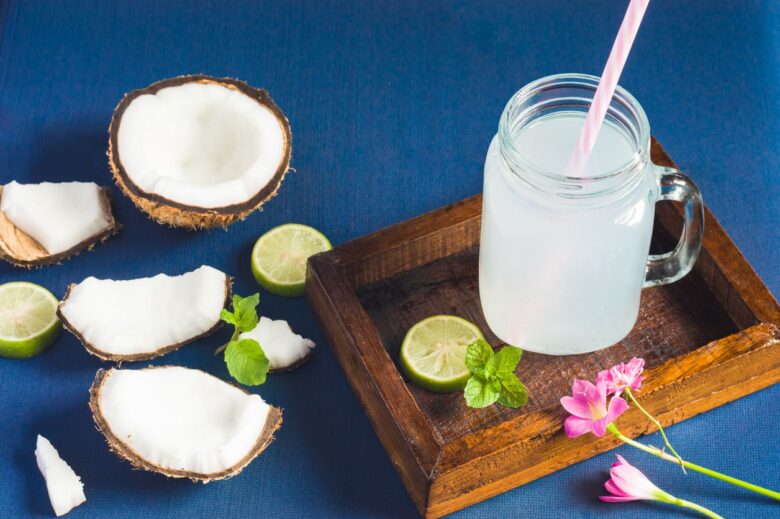
Flavored coconut water
Marketed on hydration, priced like a health product, and still packing 15 grams of sugar per cup in some pineapple varieties. Barely different from soda in that one specific column.
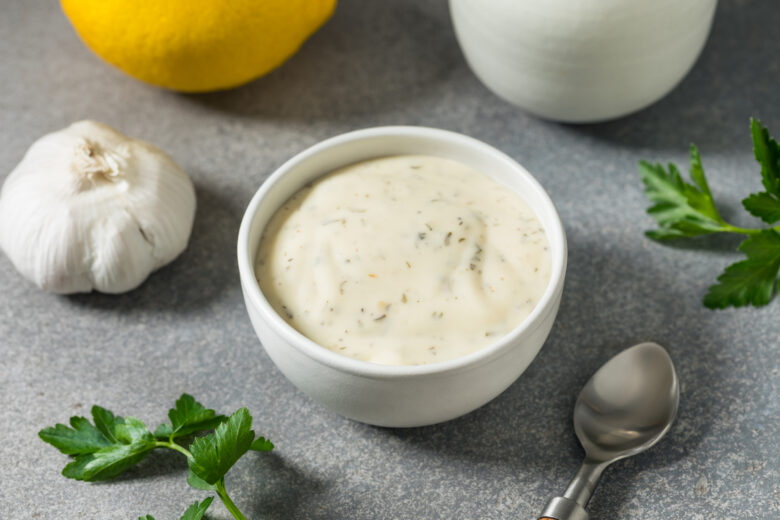
Fat-free salad dressing
Worth checking twice. Fat-free doesn’t mean sugar-free, and one popular sun-dried tomato vinaigrette has 14 grams of sugar in two tablespoons, more than a fun-sized candy bar, poured straight over a bowl of lettuce.

Agave nectar
The pitch is “natural sweetener.” The reality is concentrated fructose, and too much of it has been linked to fatty liver disease and insulin resistance, neither of which makes it onto the bottle’s marketing copy.
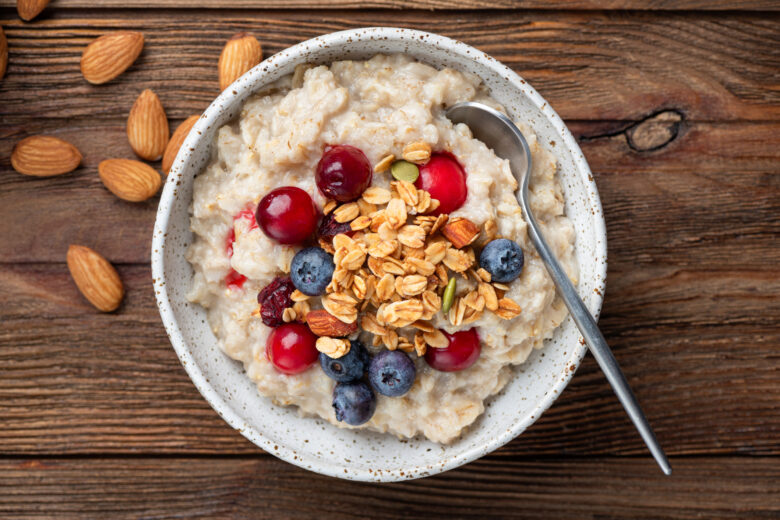
Instant flavored oatmeal
Plain oats need nothing added. The flavor packets change that immediately, often stacking more sugar into one packet than a bowl of sweetened cereal carries, right there in the same aisle as everything else on this list.

The bottom line
The label isn’t lying, exactly. It’s not necessary to tell the whole story, and “healthy” can mean whatever a company wants it to until the ingredient list says otherwise.
Ask us! What questions do you have about content, strategy, pop culture, lifestyle, wellness, history or more? We may use your question in an upcoming article!
Related:
- 15 Things Boomers Still Miss About the Way Life Used to Be
- 7 everyday baby boomer habits that are illegal today
Like MediaFeed’s content? Be sure to follow us.
This article was syndicated by MediaFeed.co.