10 legendary car engines that were banned for being too dangerous
Racing has always lived one step ahead of what a body, a crowd, or a fuel supply could actually handle safely. Engineers push. Something breaks. Someone gets hurt. A governing body steps in. Same pattern, over and over, across decades and disciplines.
Motorsport historians have tracked this cycle in detail, from FIA records on the F1 turbo era to federal toxicology reports on the fuels that powered drag racing’s most dangerous decade. Ten engines that got banned, restricted, or quietly regulated into oblivion. And the very real reasons why.
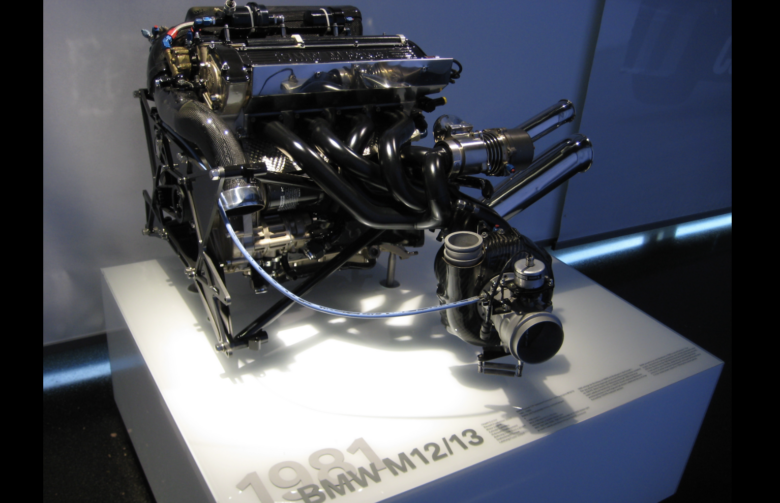
Formula 1’s 1.5-liter turbo engines
1986. Qualifying trim. The BMW M12/13 turbo cranking out more than 1,400 horsepower. No chassis of the era was built to handle that safely. No tire either. The FIA phased boost down year after year before banning turbos outright for 1989.
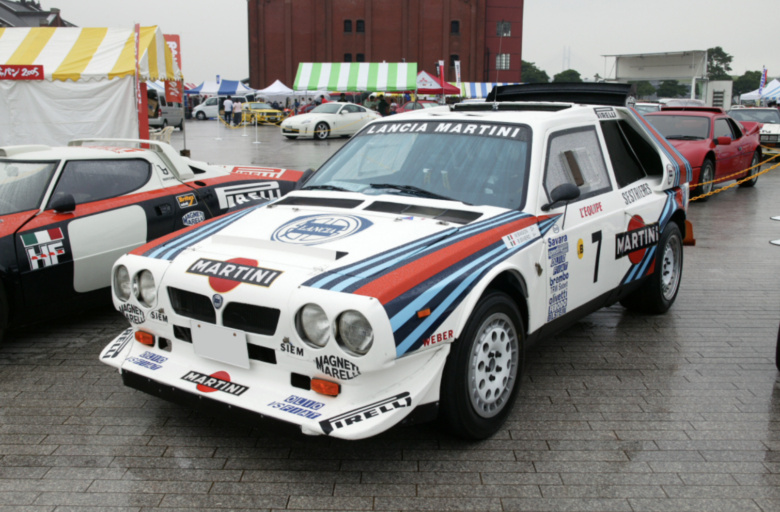
Group B rally engines
Twin-charged. Over 500 horsepower. Cars weighing under 2,000 pounds. Spectacular, right up until it wasn’t. Henri Toivonen and co-driver Sergio Cresto died when their Lancia Delta S4 left the road and burst into flames in 1986. The FIA banned the category before the day was even over.
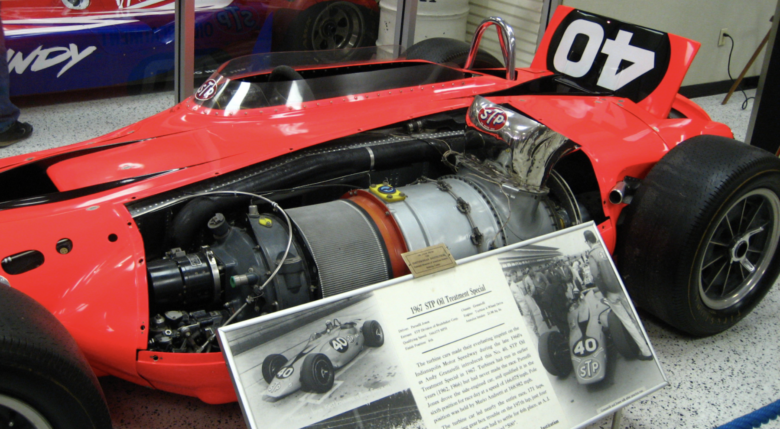
The STP-Paxton turbine engine
A helicopter turbine. Dropped into an Indy car. Nearly won the 1967 Indianapolis 500 with Parnelli Jones behind the wheel. A transmission bearing failure cost him the win that year. USAC didn’t wait long after that. By 1970, new intake-volume rules had legislated turbine engines out of the race entirely.

The Chaparral 2J’s auxiliary fan engine
Not the main engine, actually. A second one. Dedicated entirely to powering two rear fans that sucked the car down onto the track for absurd grip. Competitors called it unfair more than unsafe. Can-Am banned it anyway after 1970, a full decade before Formula 1 tried the exact same trick.
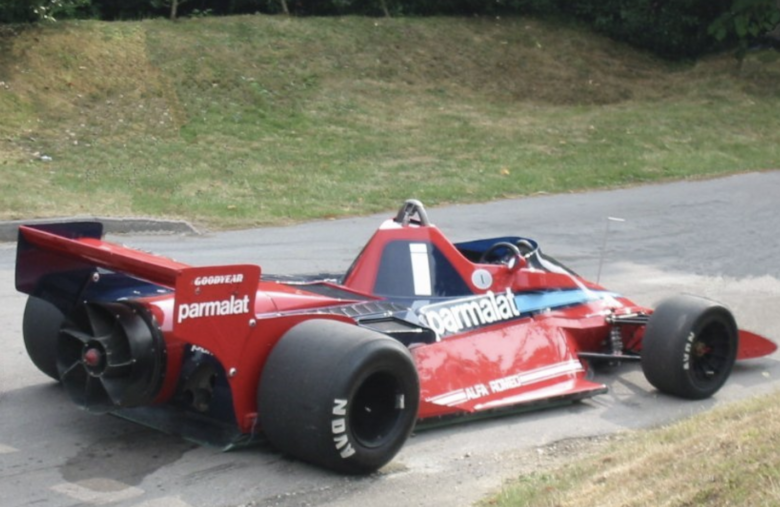
The Brabham BT46B’s fan car system
Same idea. Eight years later. Formula 1 this time. The Brabham won its only race with the fan running, and the FIA banned the design almost immediately, following the same fate as the Chaparral before it.
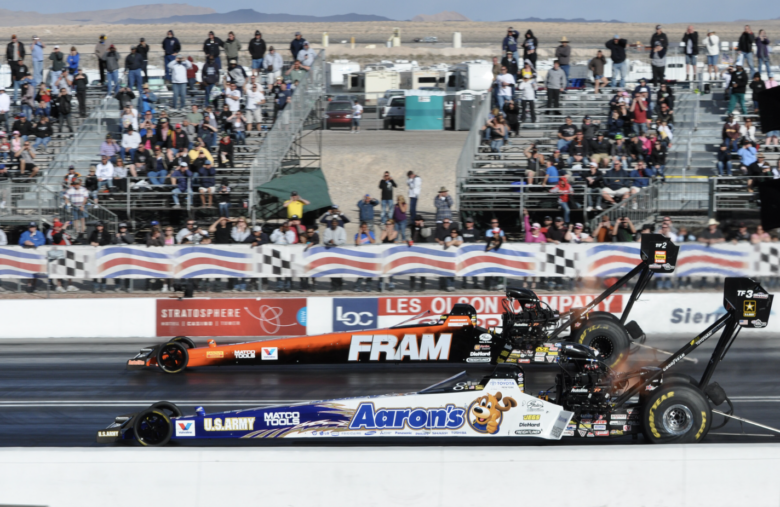
Hydrazine-boosted drag racing fuel
Rocket propellant. Mixed straight into nitromethane. Explosive horsepower gains, and an equally explosive failure rate. Hydrazine is classified as a likely human carcinogen by federal researchers, which tells you plenty. Drag racing’s sanctioning bodies banned it outright during the early 1960s after a string of catastrophic engine failures.
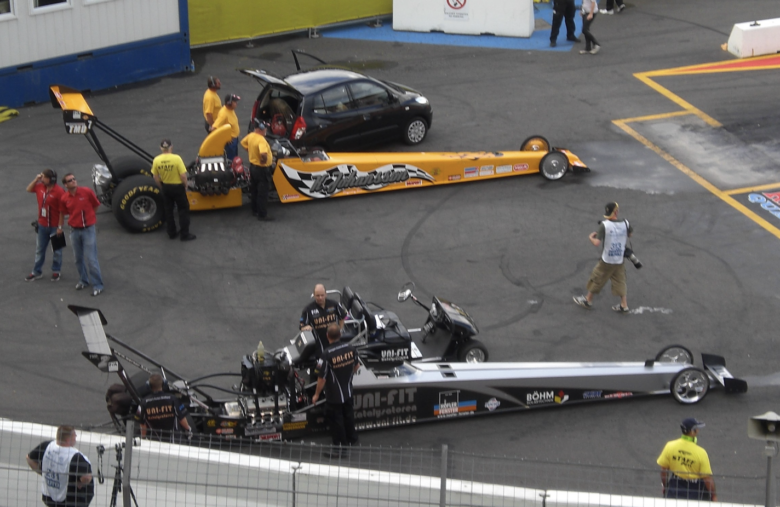
Unrestricted nitromethane blends in Top Fuel
Decades later, same fuel family, different crisis. Teams pushing blends toward 98% nitromethane triggered a wave of catastrophic detonations in 1999. Drivers, crews, spectators, all endangered. NHRA capped the blend at 90% the following season. It’s stayed there ever since.
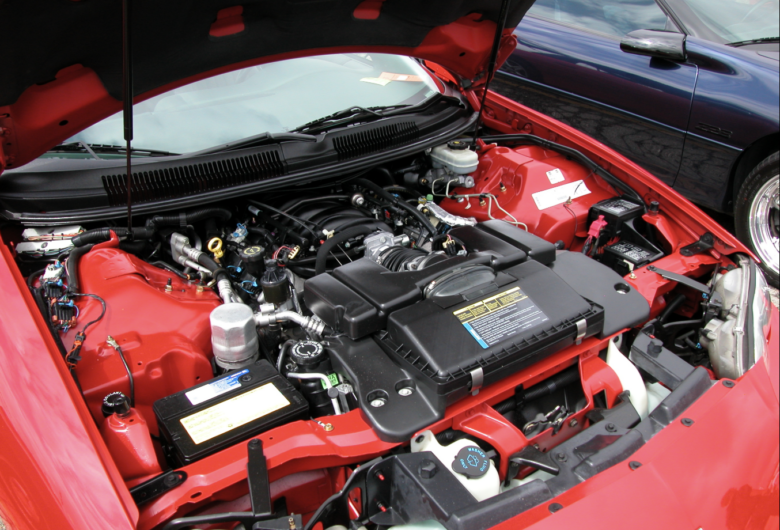
Leaded high-compression road engines
Different kind of story. Tetraethyl lead boosted octane and prevented engine knock for decades. The health cost eventually became impossible to ignore. EPA phasing began in 1975. Congress banned it from on-road vehicles entirely by 1996. A public health decision, not a racing one, but it reshaped every road-going engine built since.
NASCAR’s unrestricted superspeedway engines
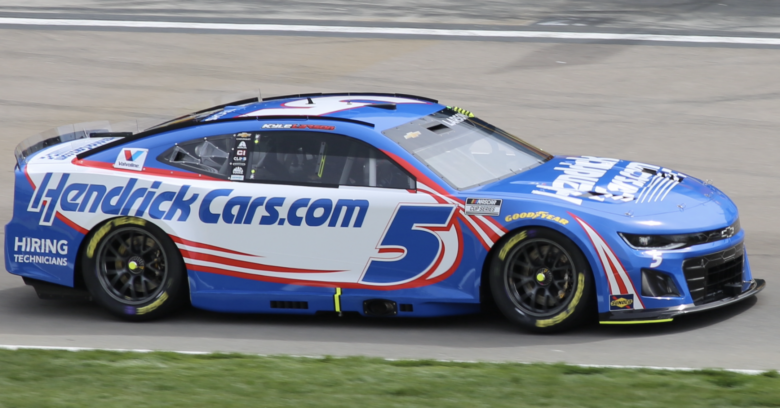
Bobby Allison’s car went airborne at Talladega in 1987. Over 200 mph. Tore straight through the catch fence, just short of the grandstands. NASCAR didn’t wait for a repeat. Restrictor plates, starting in 1988, cut roughly 300 horsepower from superspeedway engines. Permanently changed how those cars race.
The Porsche 917/30’s twin-turbo flat-12
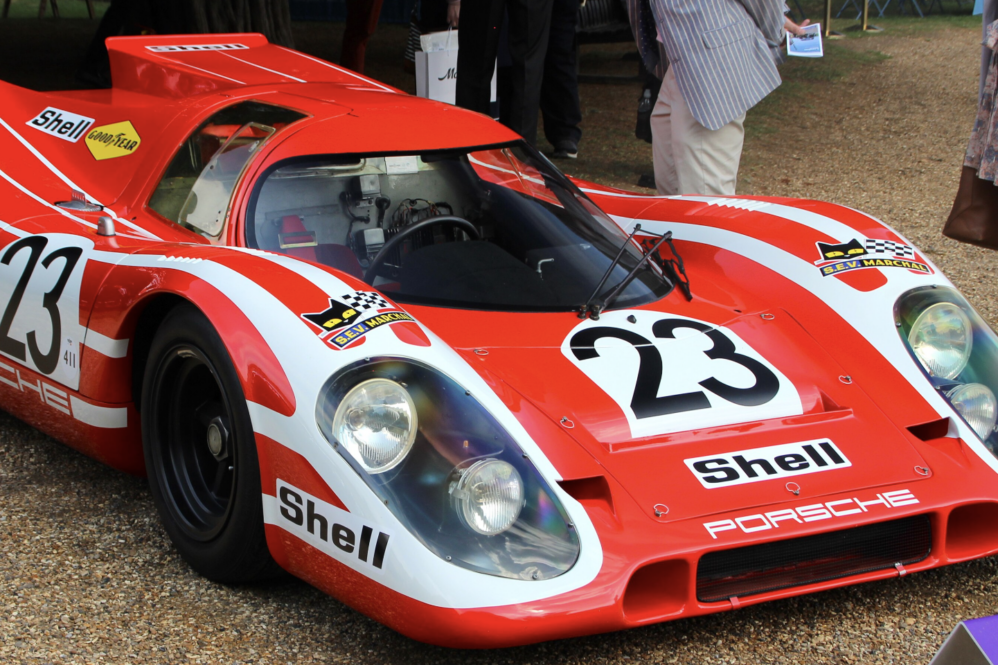
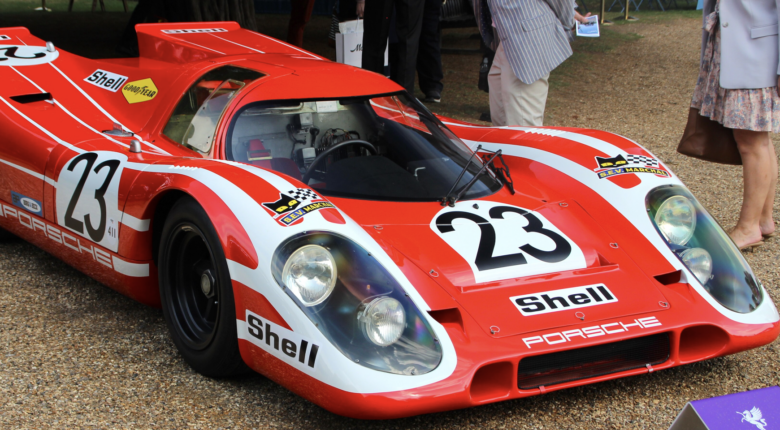
1,580 horsepower. Under 850 kilograms. Arguably still the most powerful road-racing car ever built. Can-Am’s own organizers effectively banned it for 1974 through a fuel-consumption formula that made the thirsty twin-turbo engine impossible to run competitively. Didn’t matter how good the engineering was.
The bottom line
Every engine on this list did exactly what it was built to do. Sometimes too well. What changed wasn’t the engineering. It was the slow, repeated realization that raw power without a limit eventually finds the exact thing it shouldn’t hit.
Ask us! What questions do you have about content, strategy, pop culture, lifestyle, wellness, history or more? We may use your question in an upcoming article!
Related:
Like MediaFeed’s content? Be sure to follow us.
This article was syndicated by MediaFeed.co.