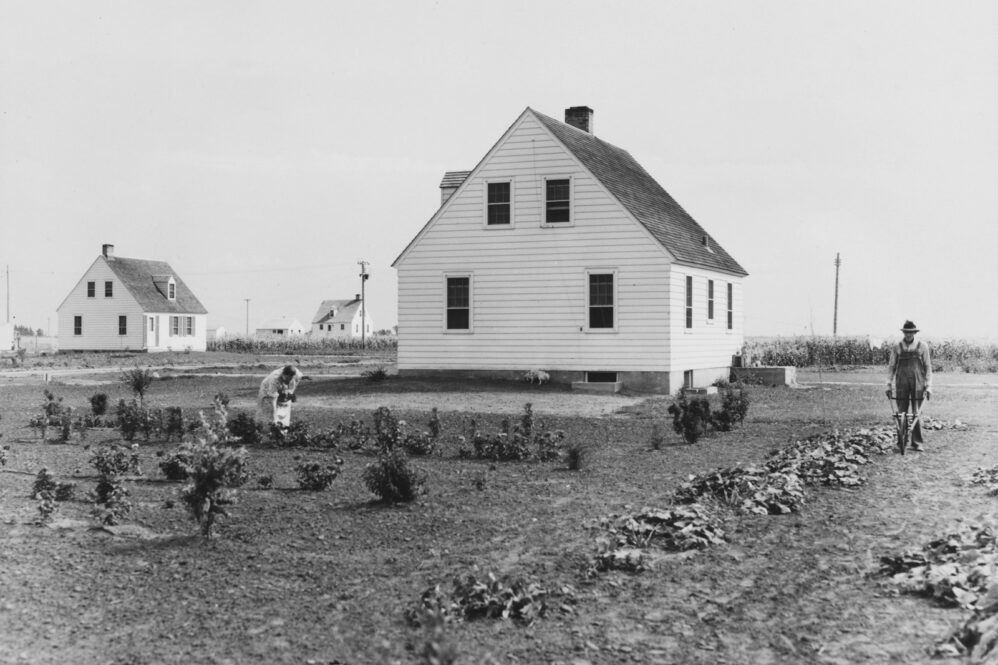
10 Everyday Chores That Took Half the Day on the Frontier
Modern conveniences have turned many household chores into tasks that take just a few minutes. For frontier families, the same jobs often required hours of hard physical labor, careful planning, and help from everyone in the household.
Keeping a cabin running wasn’t simply about staying organized. For many families, it was closely tied to survival. Here are 10 everyday chores that could easily consume half the day on the American frontier.
10. Hauling Water
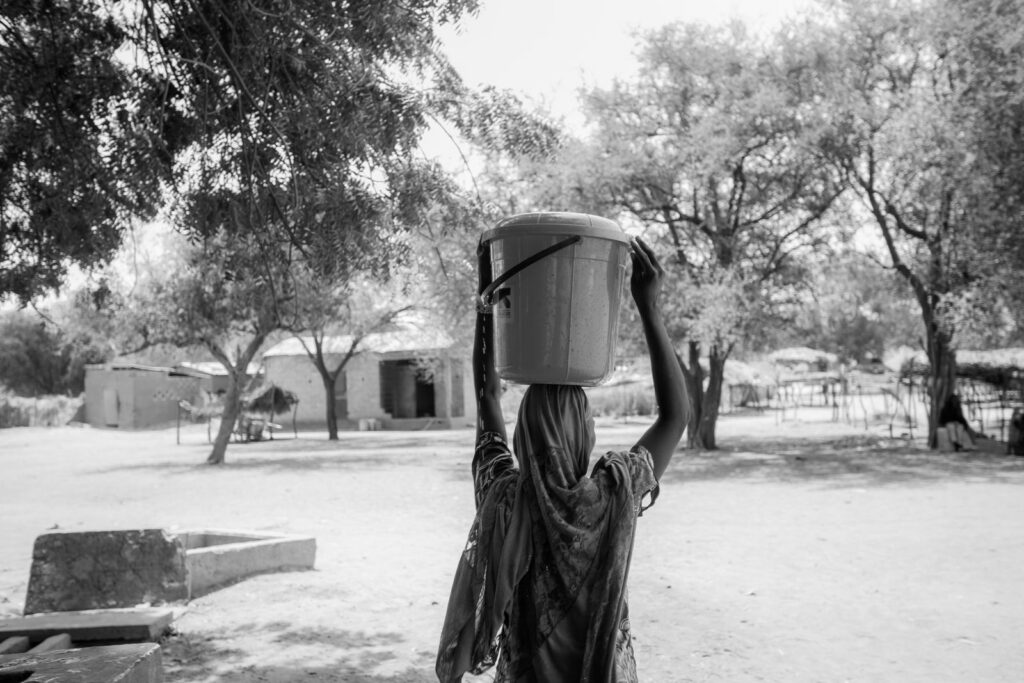
There was usually no kitchen faucet to turn on.
Families often carried buckets of water from a well, creek, spring, or hand pump several times a day for drinking, cooking, washing, and livestock. Every gallon had to be transported by hand.
9. Chopping Firewood
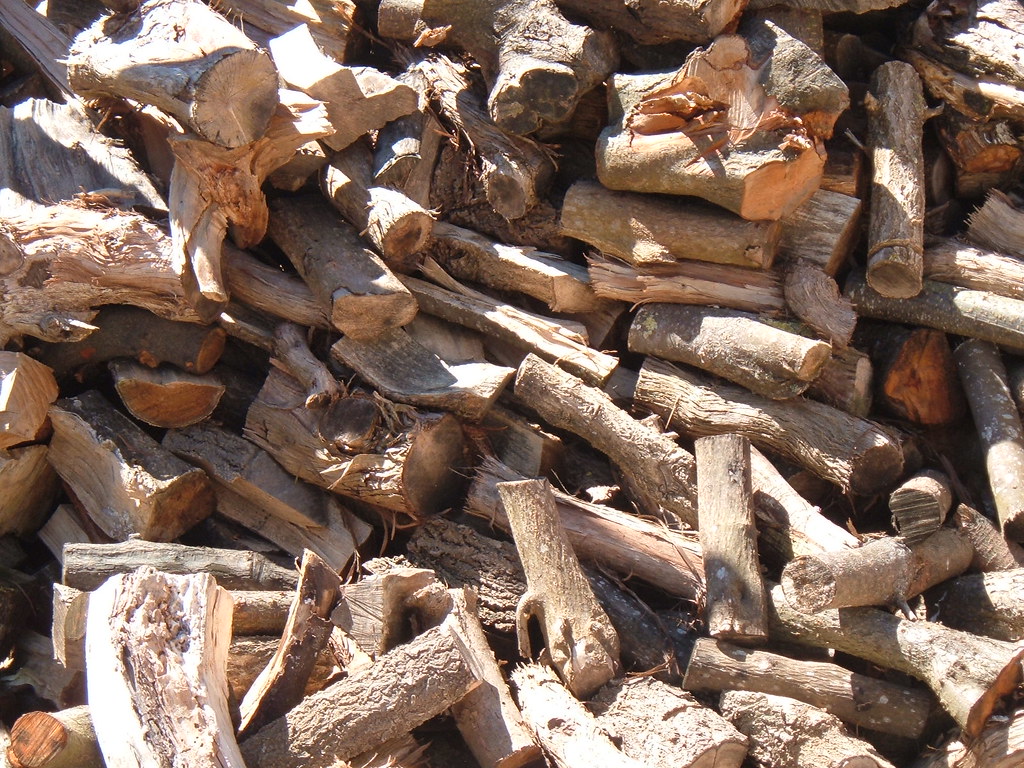
Before meals could be cooked or the cabin warmed, someone had to make sure there was enough wood.
Cutting, splitting, stacking, and hauling firewood was a year-round responsibility, and families often spent months building up supplies before winter arrived.
8. Doing the Laundry
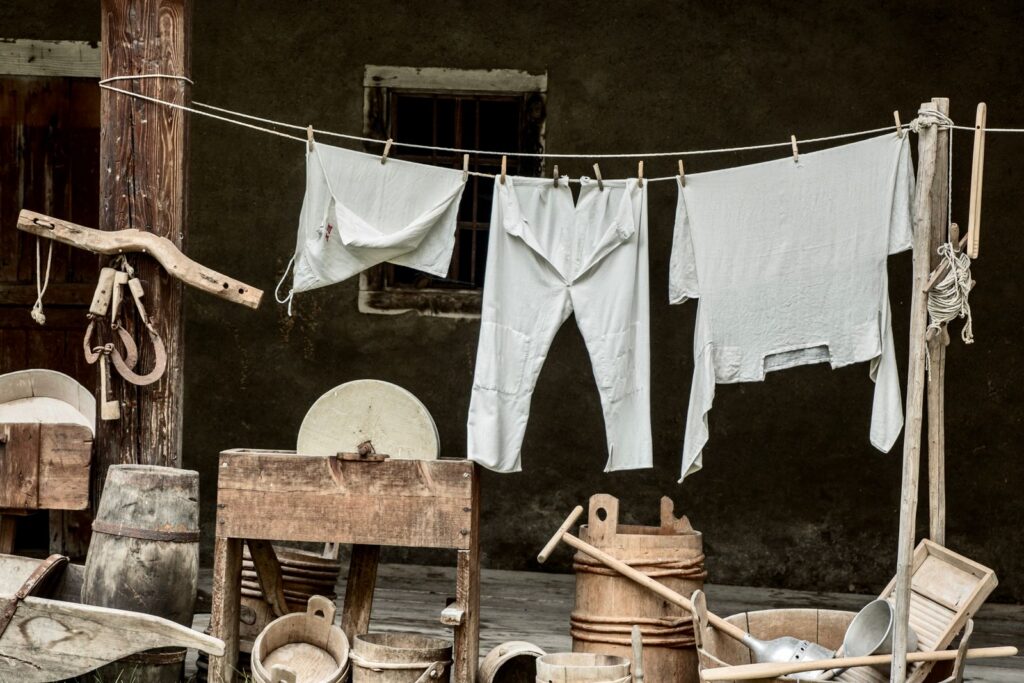
Laundry day was exactly that: a full day.
Clothes were soaked, scrubbed by hand on washboards, boiled when necessary, rinsed repeatedly, wrung out, and hung to dry. Without washing machines, even a small load demanded hours of work.

7. Preparing Every Meal From Scratch
There were no boxed mixes or frozen dinners.
Bread was baked by hand, vegetables were cleaned and chopped, meat was prepared from scratch, and nearly every ingredient required some level of work before it ever reached the table.
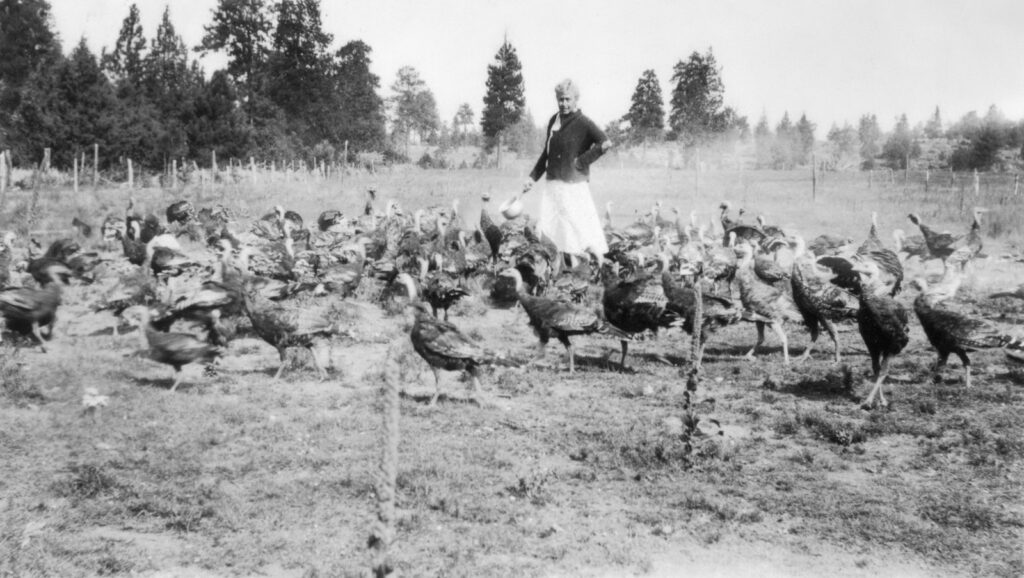
6. Caring for Farm Animals
Livestock couldn’t be ignored for a day.
Feeding chickens, milking cows, watering animals, gathering eggs, cleaning stalls, and checking fences were daily responsibilities that often began before sunrise and continued until evening.
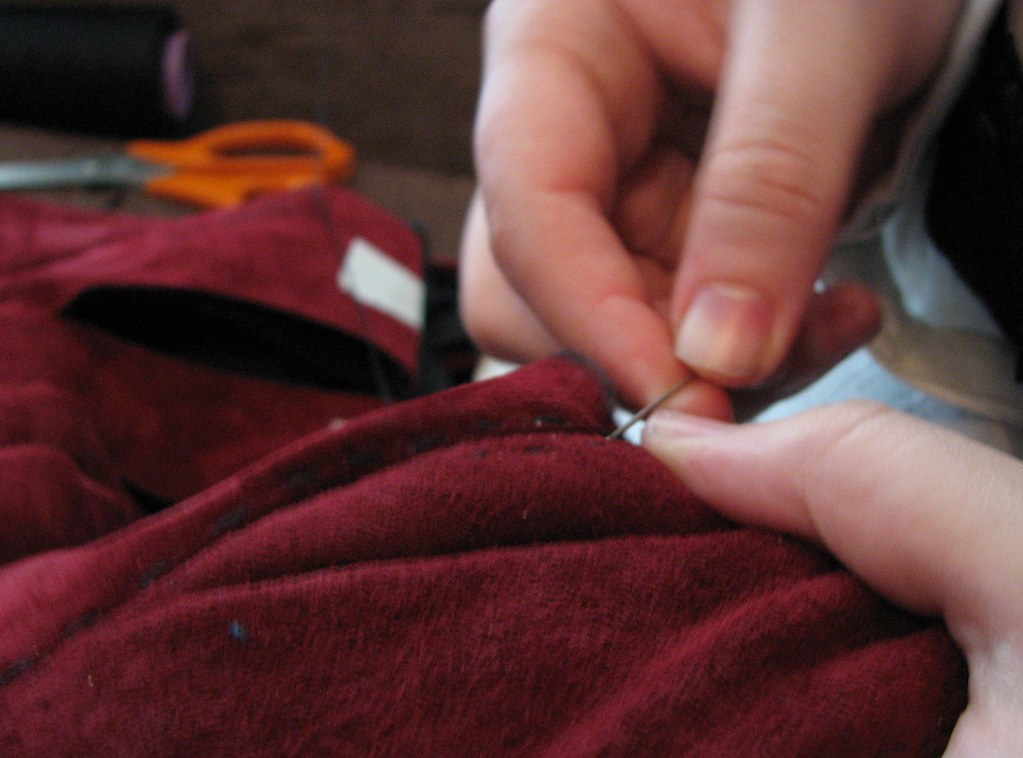
5. Making and Mending Clothing
New clothes weren’t something most frontier families bought on a whim.
Sewing, patching, darning socks, replacing buttons, and repairing worn garments helped clothing last as long as possible. Nothing useful was thrown away if it could be repaired.
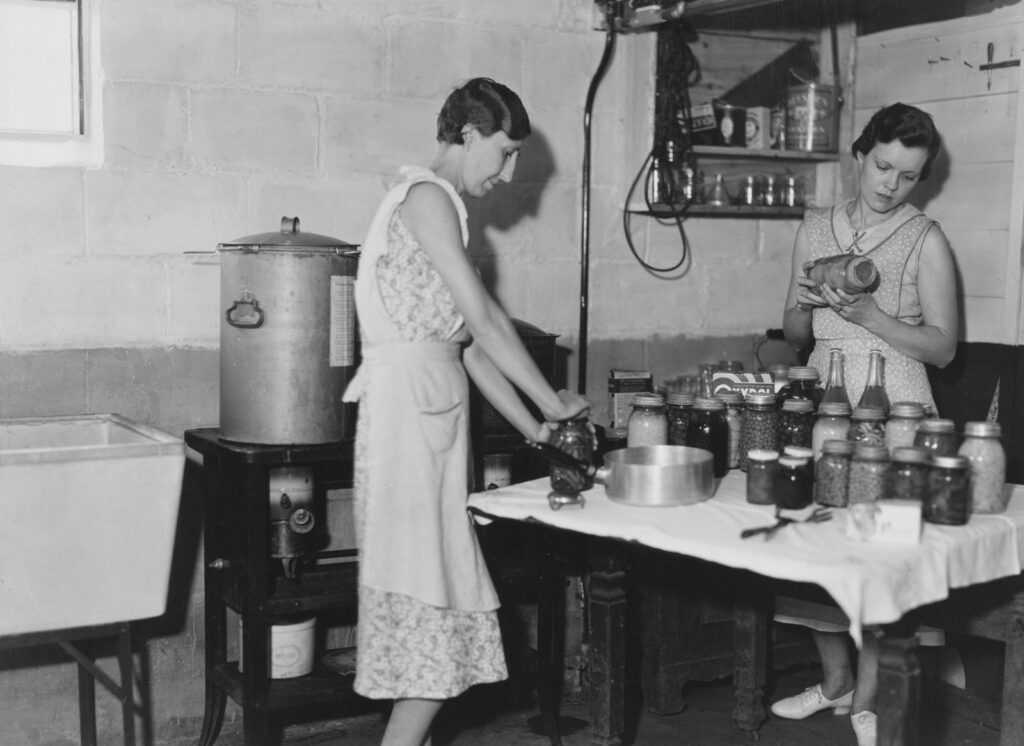
4. Preserving Food
Without refrigerators, today’s dinner often depended on work completed weeks or months earlier.
Families canned vegetables, dried fruit, smoked meat, salted pork, churned butter, and stored root crops to ensure there would be enough food through the winter.

3. Cleaning the Cabin
Dust, soot, mud, and ash found their way into every corner of the home.
Sweeping rough wooden floors, emptying ashes from the stove or fireplace, shaking out bedding, and keeping pests away required constant attention.
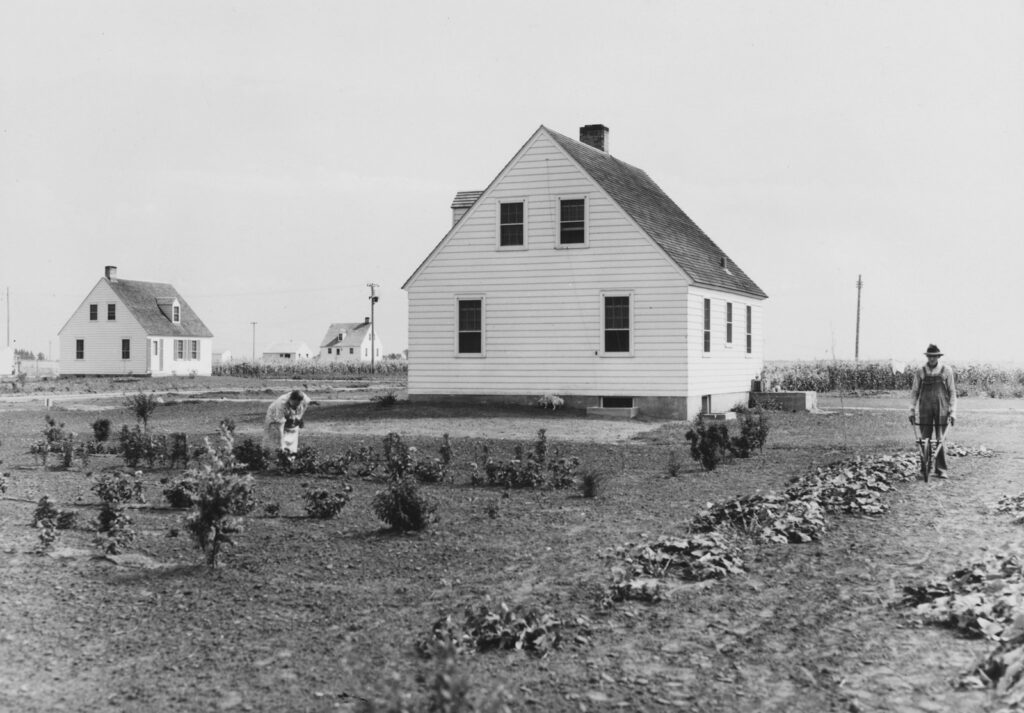
2. Growing the Family’s Food
For many frontier households, a garden wasn’t a hobby. It was a necessity.
Planting, weeding, watering, harvesting, and protecting crops from weather and wildlife demanded steady work throughout the growing season. A successful harvest could determine how well a family ate all winter.
1. Simply Getting Ready for Tomorrow
The work rarely ended when dinner was over.
Before bed, there was wood to bring inside, lamps to refill, water to carry, tools to put away, animals to check, bread dough to start, and plans to make for the next day’s work. On the frontier, tomorrow’s success often depended on the chores you finished today.
Read More:
- 8 Essential Household Items Every Frontier Family Relied On
- 10 Words from ‘Little House on the Prairie’ You Never Hear Now
- 10 Victorian Mourning Traditions That Feel Almost Unbelievable
Ask us! What questions do you have about content, strategy, pop culture, lifestyle, wellness, history or more? We may use your question in an upcoming article!
Like MediaFeed’s content? Be sure to follow us.
This article originally appeared on Resourcebuzz and was syndicated by MediaFeed.co.