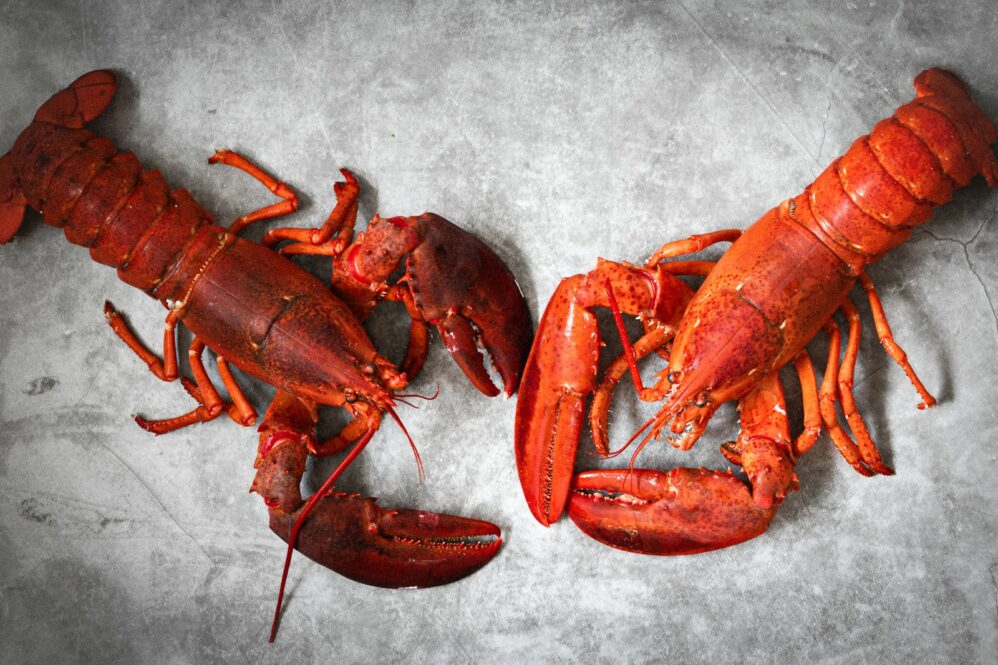
10 Fascinating Facts About Lobsters You Didn’t Know
Lobsters have a rich history and fascinating biology that make them one of the most intriguing creatures of the sea. From their early use by Native Americans to their status as a modern delicacy, lobsters have undergone quite a transformation over the centuries. Their unique anatomy and surprising behaviors continue to captivate scientists and seafood lovers alike.
Here are 10 things that might surprise you about these remarkable crustaceans:

10. Native American Uses
Long before lobsters were considered a delicacy, Native Americans used them for practical purposes.
They were used as bait for fishing and as fertilizer for crops, showcasing the resourcefulness of the indigenous peoples of the Eastern seaboard.

9. The Evolution of Lobster Collection
Lobster collection methods have evolved significantly over the years.
From hand-gathering along the shorelines to the use of specialized boats called smacks, and eventually to lobster trapping, each method reflects advancements in fishing technology.

8. Introduction of Lobster Pounds
The concept of lobster pounds revolutionized the storage of live lobsters.
First established in 1875 in Vinalhaven, Maine, these cordoned-off areas allowed lobsters to be kept fresh in seawater until they were ready for sale.
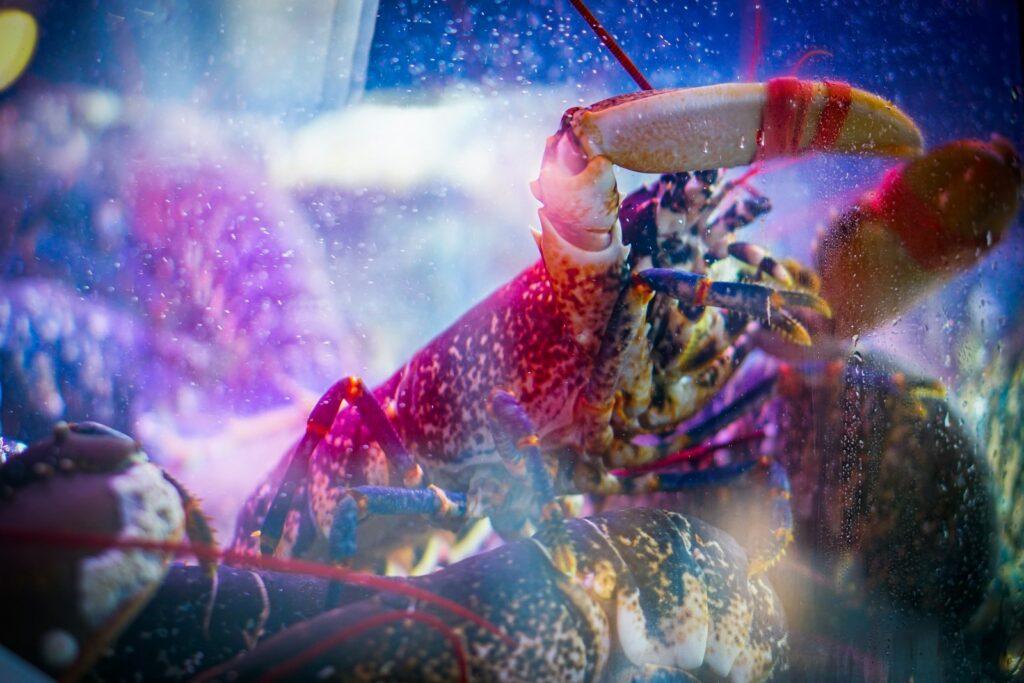
7. Cannibalistic Tendencies
In the cramped quarters of store display tanks, lobsters can exhibit cannibalistic behavior.
To prevent them from attacking each other, their claws are often banded, ensuring they remain intact until purchase.

6. From Poor Man’s Food to Delicacy
Lobsters were once considered the food of the poor and were even used as prison food.
Over time, especially in the 1880s, they gained popularity among the wealthy in cities like Boston and New York, transforming into the luxury item we know today.

5. Wartime Luxury
During World War II, lobster was not rationed despite its growing status as a delicacy.
This allowed those with means to indulge in the crustacean, contributing to its continued rise in popularity.

4. Surprising Nutritional Value
Despite being a luxury food, lobster is surprisingly nutritious.
It contains fewer calories than an equivalent portion of chicken breast and is rich in omega-3 fatty acids and essential vitamins.
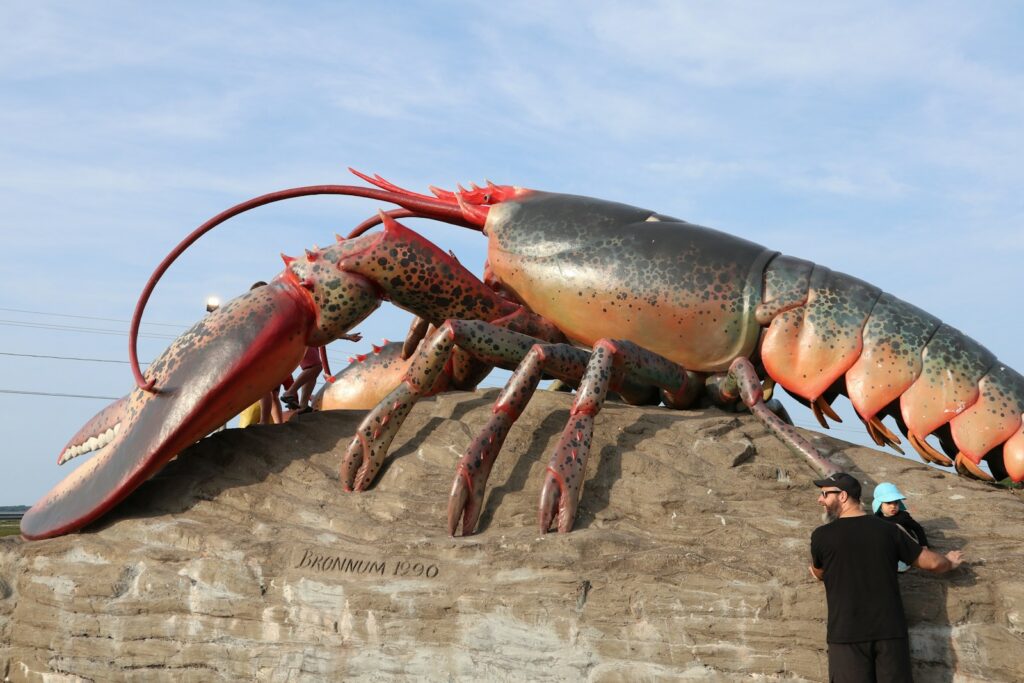
3. Record-Breaking Sizes
American lobsters can reach astonishing sizes, with the largest recorded at 44 pounds.
This giant was caught off the coast of Nova Scotia in 1988, and it was estimated to be at least 100 years old.

2. Unique Anatomy
Lobsters possess a unique anatomy that has remained unchanged for millions of years.
With their brain in their throat and teeth in their stomach, they are truly one of nature’s oddities.
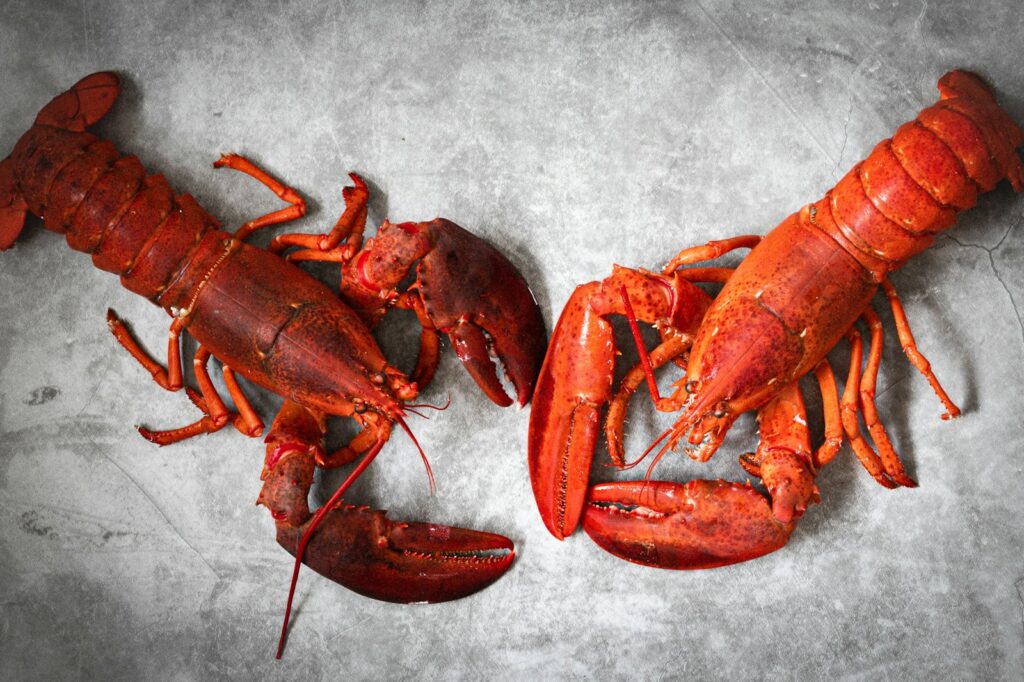
1. Claw Dominance
Just like humans, lobsters can be right or left-handed, or rather, right or left-clawed.
This claw dominance is one of the few traits they share with humans, adding another layer to their fascinating biology.
Read More:
- 10 Foods That Were Once Luxury Items
- 20 Business Decisions So Bad They Bankrupted Entire Companies
- Hidden Gems to Visit in Every U.S. State
Ask us! What questions do you have about content, strategy, pop culture, lifestyle, wellness, history or more? We may use your question in an upcoming article!
Like MediaFeed’s content? Be sure to follow us.
This article originally appeared on Resourcebuzz and was syndicated by MediaFeed.co.