10 Crucial Insights About the Latest Lettuce Recall and Your Health
In recent weeks, a significant lettuce recall has caught the attention of consumers across the United States. Triggered by a contamination linked to the Cyclospora parasite outbreak at certain Taco Bell locations, this recall has affected thousands of people, leading to severe gastrointestinal symptoms and hospitalizations.
The recall involves iceberg lettuce from Taylor Farms de México and products distributed by Taylor Fresh Foods, impacting numerous states and popular fast-food chains.
Here are 10 crucial insights about the latest lettuce recall and what it means for you.
10. The Scope of the Recall
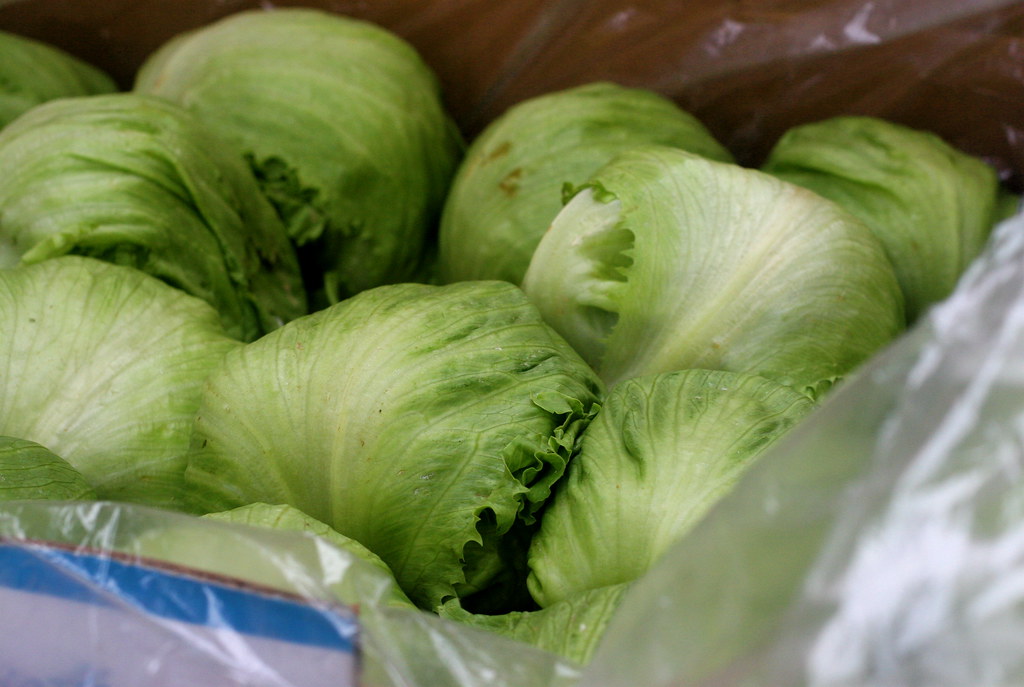
This recall involves iceberg lettuce sourced from central Mexico by Taylor Farms.
The contaminated lettuce was distributed to 27 states, affecting both consumers and various restaurants, including Taco Bell and Jack in the Box.

9. Health Risks of Cyclospora
Cyclospora is a microscopic parasite that can cause cyclosporiasis, an intestinal illness.
Symptoms may include severe diarrhea, abdominal cramping, loss of appetite, bloating, fatigue, and nausea, which can lead to dehydration if untreated.

8. Symptoms to Watch For
Common symptoms of cyclosporiasis include watery diarrhea and stomach cramps.
Symptoms typically begin about one week after infection but may appear as soon as two days or up to two weeks after consumption of contaminated food.

7. Impact on Fast Food Chains
The current FDA and CDC advisories specifically connect the outbreak to shredded iceberg lettuce served at certain Taco Bell locations in Indiana, Kentucky, Michigan, Ohio, and West Virginia.
Taco Bell said it stopped using lettuce in its menu from Taylor Farms de México.

6. What the FDA Says
The FDA and CDC have been actively investigating the outbreak since July 19.
They confirmed a false-positive test but still link the outbreak to Taylor Farms lettuce.

5. Treatment Options
Cyclosporiasis is usually treatable with antibiotics, specifically trimethoprim-sulfamethoxazole.
According to CDC guidance, no highly effective alternatives have been identified for patients who do not respond to or cannot take TMP-SMX.

4. Who Is Most at Risk?
Infants, young children, and older adults are more vulnerable to severe symptoms.
Those with weakened immune systems, such as some transplant recipients and chemotherapy patients, are also at higher risk.

3. What to Do If You Have Symptoms
Contact your healthcare provider if you experience persistent diarrhea.
Tell the provider about the possible lettuce exposure and be specific about your symptoms to ensure accurate diagnosis and treatment.

2. The Importance of Accurate Testing
Most hospitals don’t automatically test for cyclospora, so specific requests are necessary.
Accurate testing is crucial for proper diagnosis and treatment of cyclosporiasis.
1. Staying Informed
Keeping up with FDA and CDC updates and recall notices is essential for consumer safety.
Stay vigilant about food safety practices to protect yourself and your family from potential outbreaks.
Read More:
- 9 Creative Ways to Use Food Scraps Instead of Tossing Them
- 9 Surprising Ways Fruits Outshine Veggies in Metabolic Health
- These Are the 9 Best and Worst Carbs for Weight Management
Ask us! What questions do you have about content, strategy, pop culture, lifestyle, wellness, history or more? We may use your question in an upcoming article!
Like MediaFeed’s content? Be sure to follow us.
This article originally appeared on Resourcebuzz and was syndicated by MediaFeed.co.