12 Everyday Items in Your Home Quietly Draining Energy
In an effort to save on energy costs and reduce environmental impact, many of us take simple steps like turning off lights and unplugging electronics. However, several everyday features, appliances, and habits in our homes may be quietly consuming more energy than we realize.
These energy drains often go unnoticed, but addressing them can lead to significant savings. Here are 12 things around your home that might be wasting energy.
12. Dirty Filters
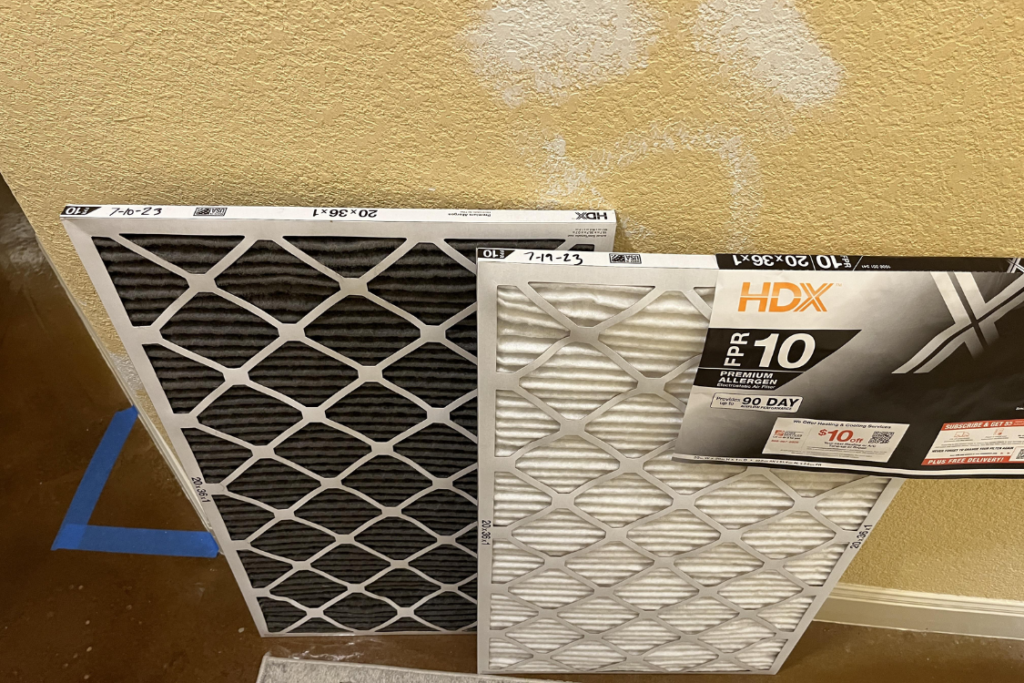
Dirty filters in HVAC systems can reduce energy efficiency. They restrict airflow, causing the system to work harder.
Regularly cleaning or replacing these air-conditioner filters can lower the unit’s energy consumption by 5 to 15 percent, reducing both energy use and costs.
11. Inadequate Insulation
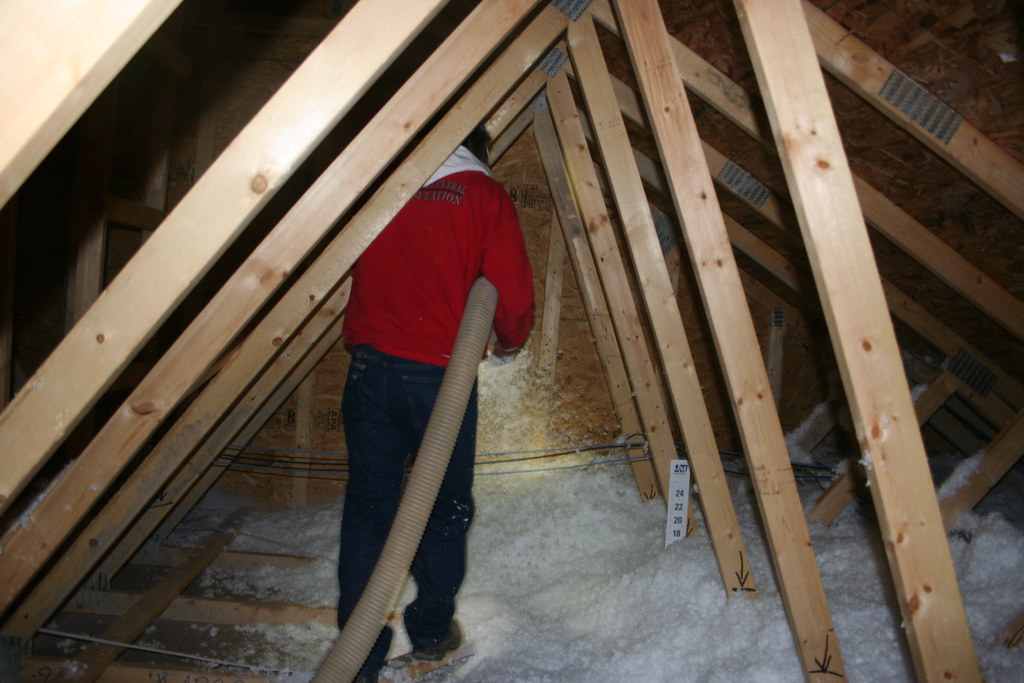
Insufficient attic insulation can lead to significant heat loss, much like going outside without a hat in winter.
Ensuring your attic is properly insulated and air-sealed can prevent heat from escaping, thereby lowering heating costs and improving comfort.
10. Outdated Water Heaters
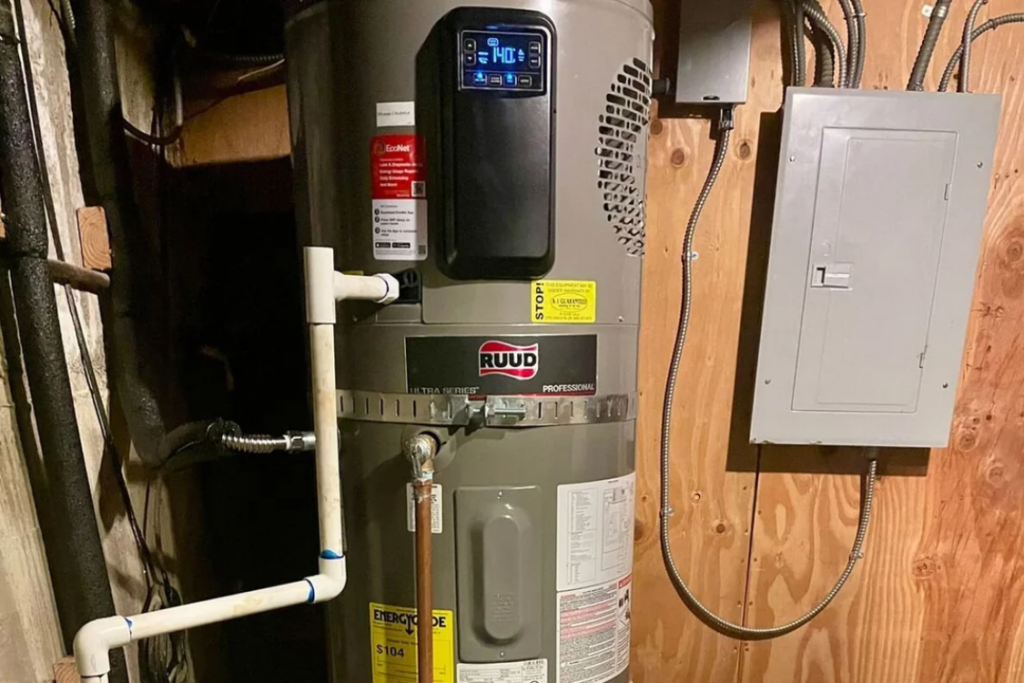
Old water heaters are a major energy drain, accounting for 13 percent of home energy use.
Replacing them with Energy Star-certified models can save billions annually in energy costs across the country.
9. Leaky Doors and Windows
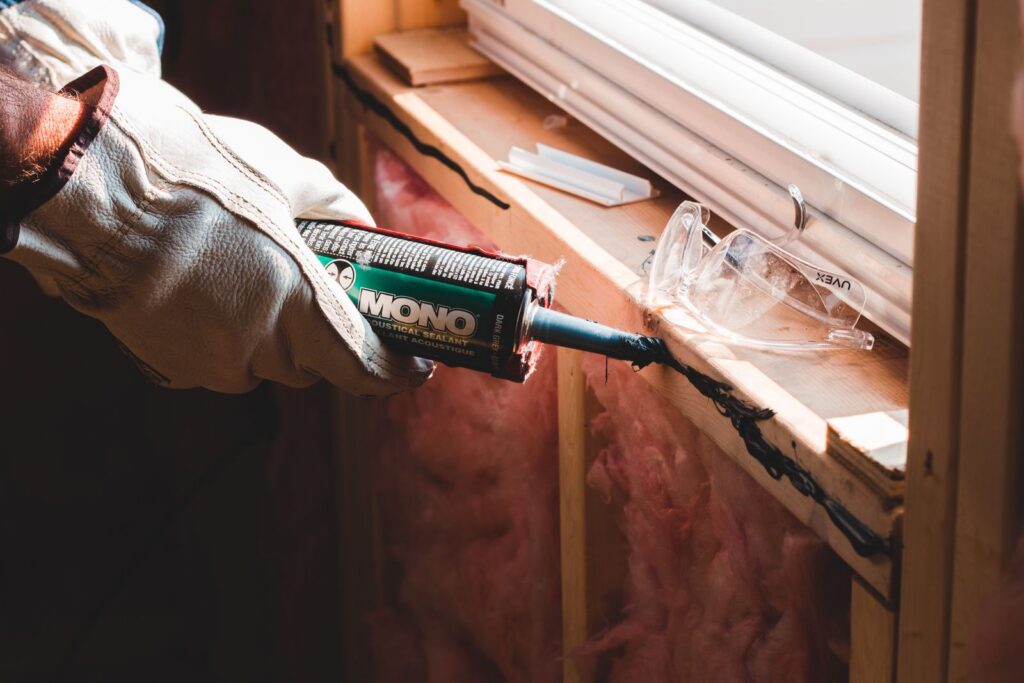
Small gaps around windows and doors allow conditioned air to escape and outdoor air to enter, increasing energy use.
Sealing these leaks with caulk or weatherstripping can reduce heating costs by up to 10 percent.
8. Inefficient Light Bulbs
Traditional incandescent bulbs waste a lot of energy compared to modern alternatives.
Switching to ENERGY STAR-certified LED bulbs can save significant energy, as they use 70 to 90 percent less energy.
7. Lack of Storm Doors
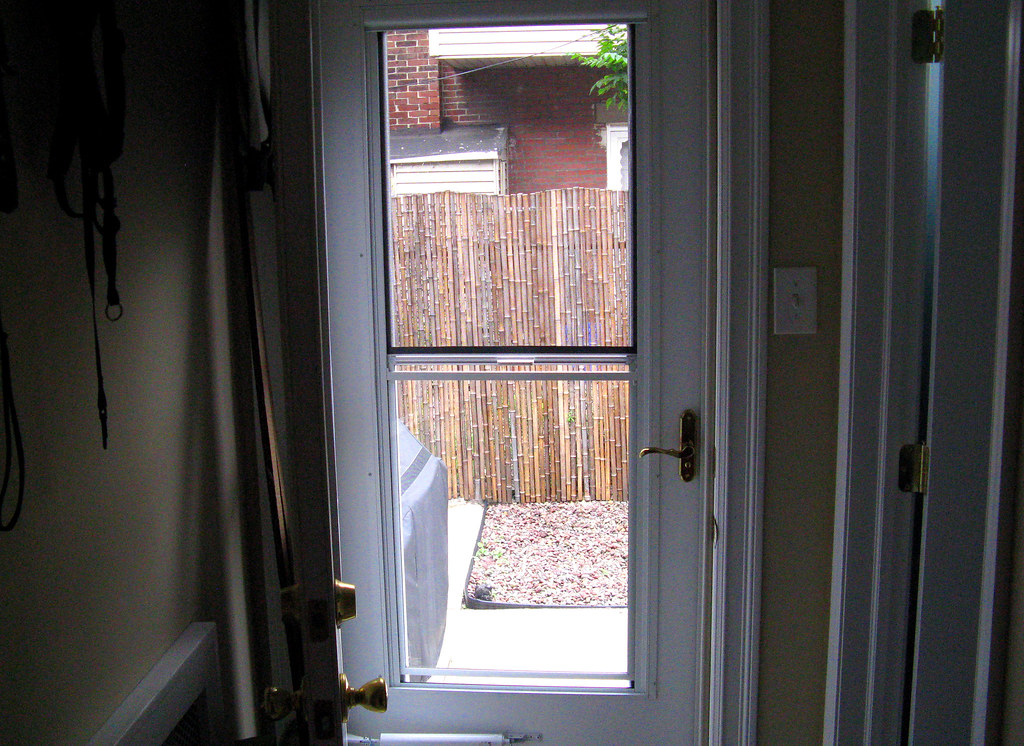
Storm doors can reduce air leakage and improve the performance of certain exterior doors.
Installing a storm door can increase energy efficiency by up to 45 percent, offering both comfort and savings.
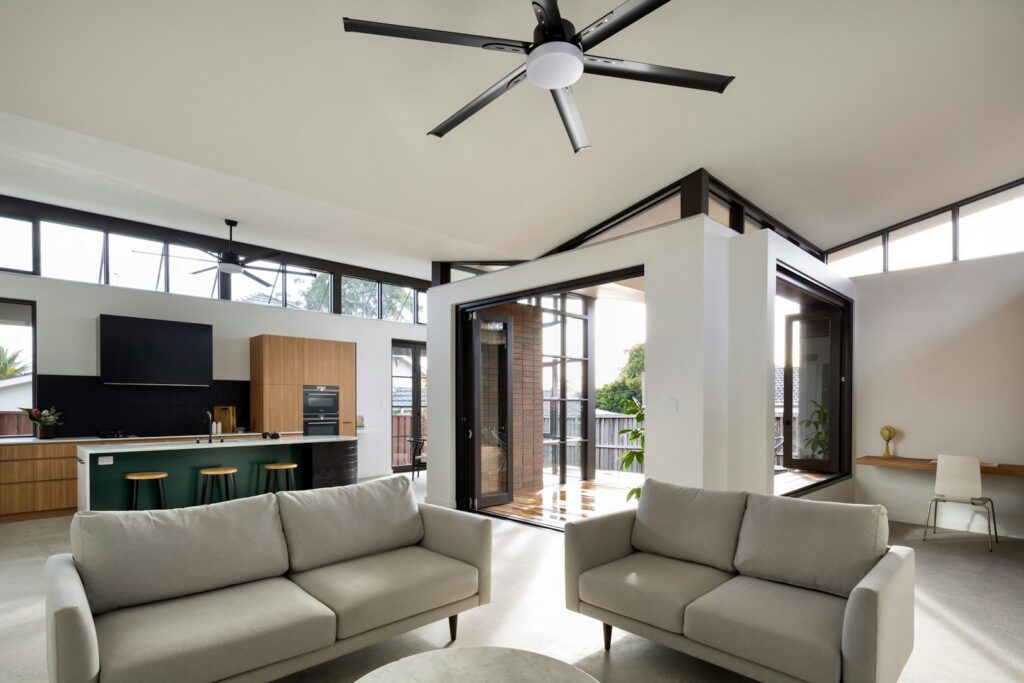
6. Incorrect Ceiling Fan Settings
Ceiling fans can help people feel more comfortable, but only if used appropriately for the season.
Ensure fans run counterclockwise in summer and clockwise in winter to optimize energy use.
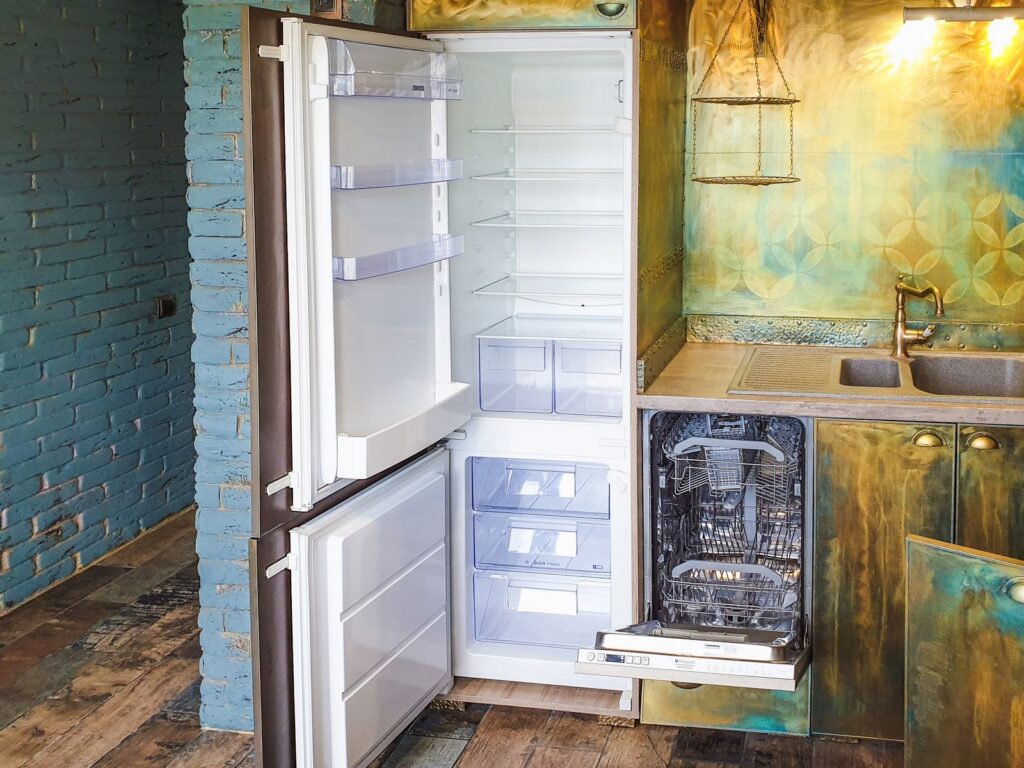
5. Aging Refrigerators
Older refrigerators are notorious for consuming excessive energy.
Replacing an outdated fridge with a newer ENERGY STAR-certified model can lead to substantial savings on energy bills.
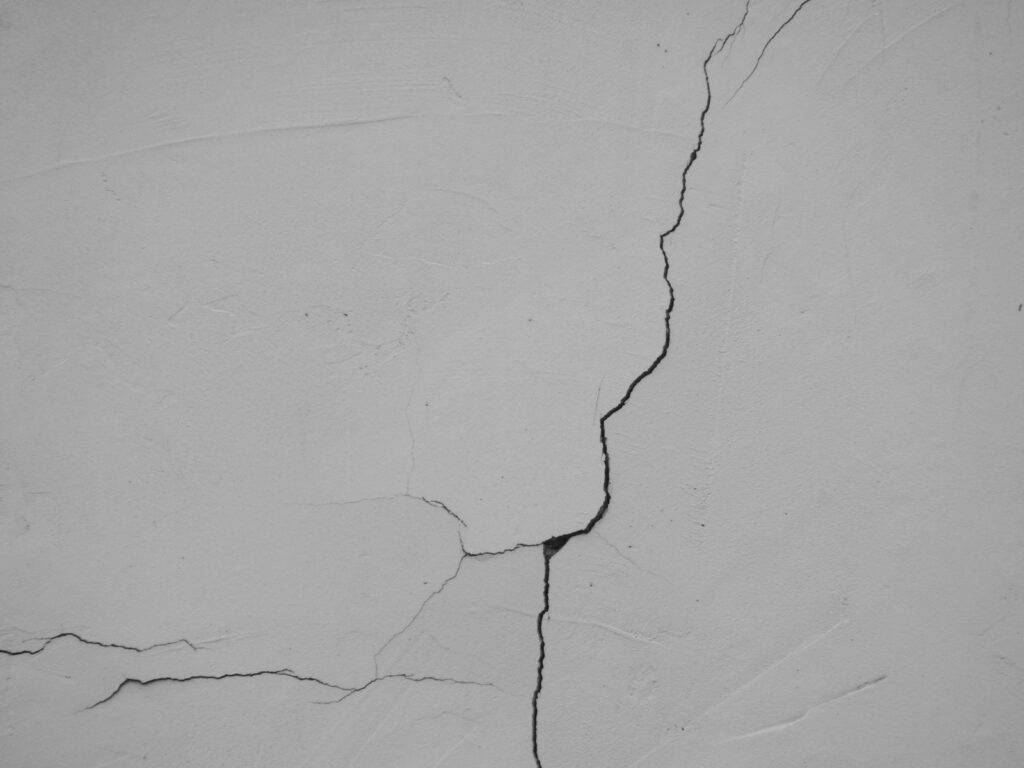
4. Foundation Cracks
Gaps and cracks in your home’s foundation can lead to energy loss by letting air escape.
Inspecting and sealing these gaps helps maintain a consistent indoor temperature and reduces energy consumption.
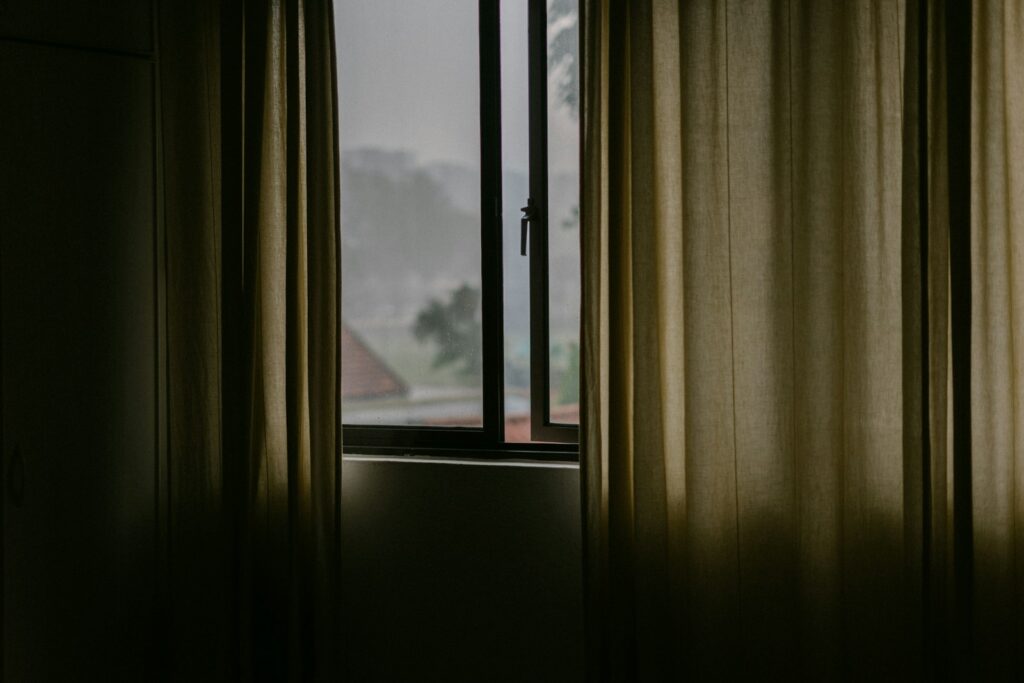
3. Improper Use of Drapes
Not using window coverings wisely can lead to unnecessary energy use.
Close drapes on sunny days in summer and open them in winter to take advantage of natural heating.
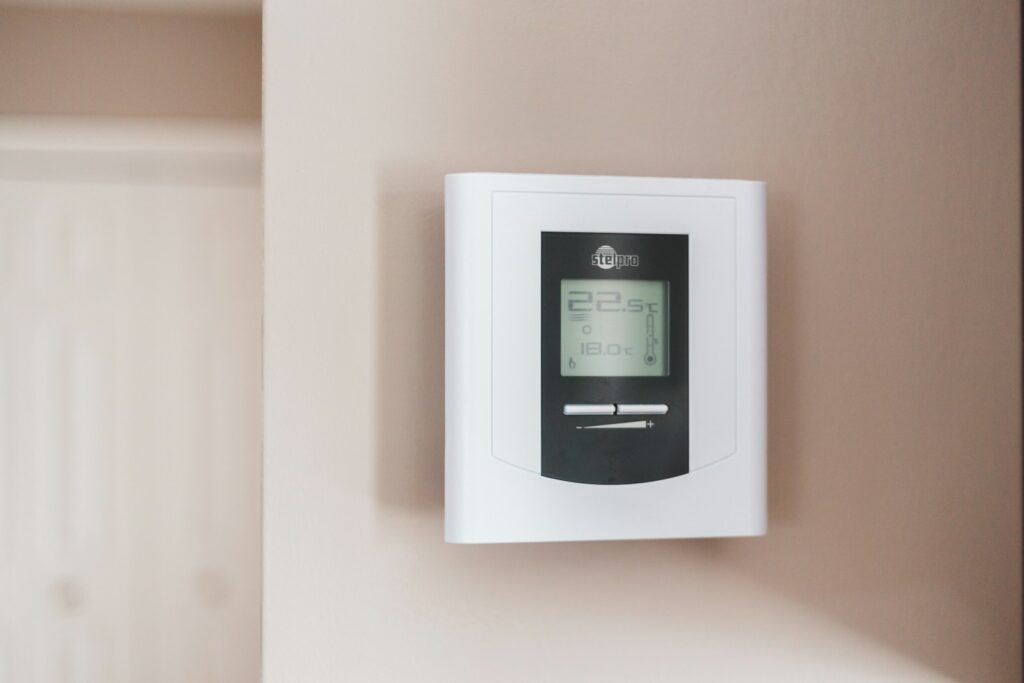
2. Mismanaged Thermostat Settings
Setting your thermostat too low in summer or too high in winter can waste energy.
Adjust your thermostat settings according to the season and your schedule to optimize energy use and maintain comfort.
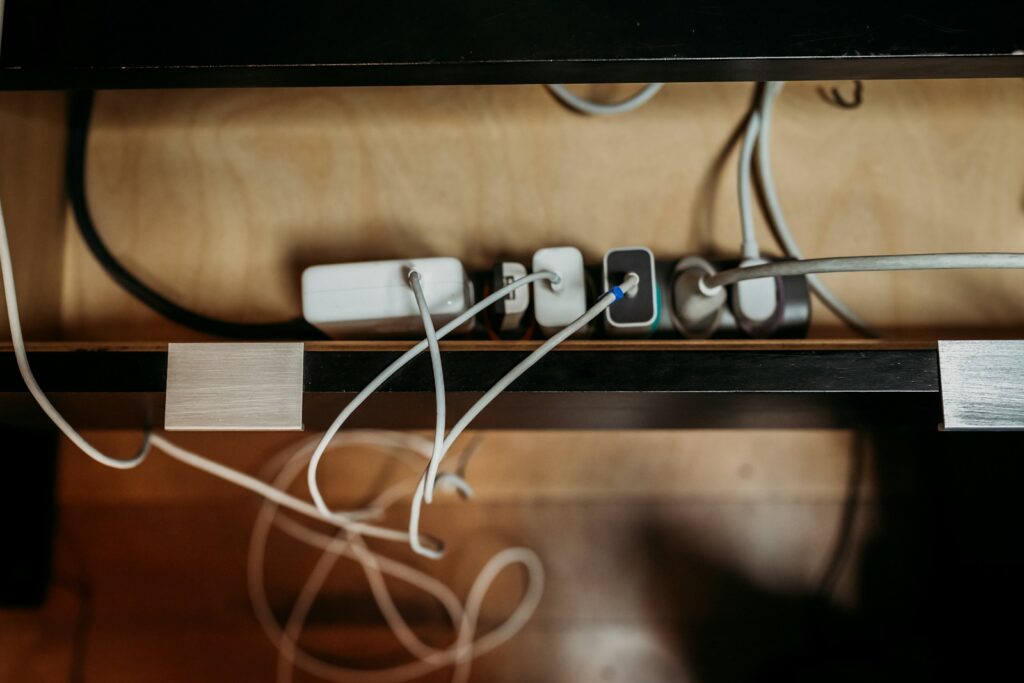
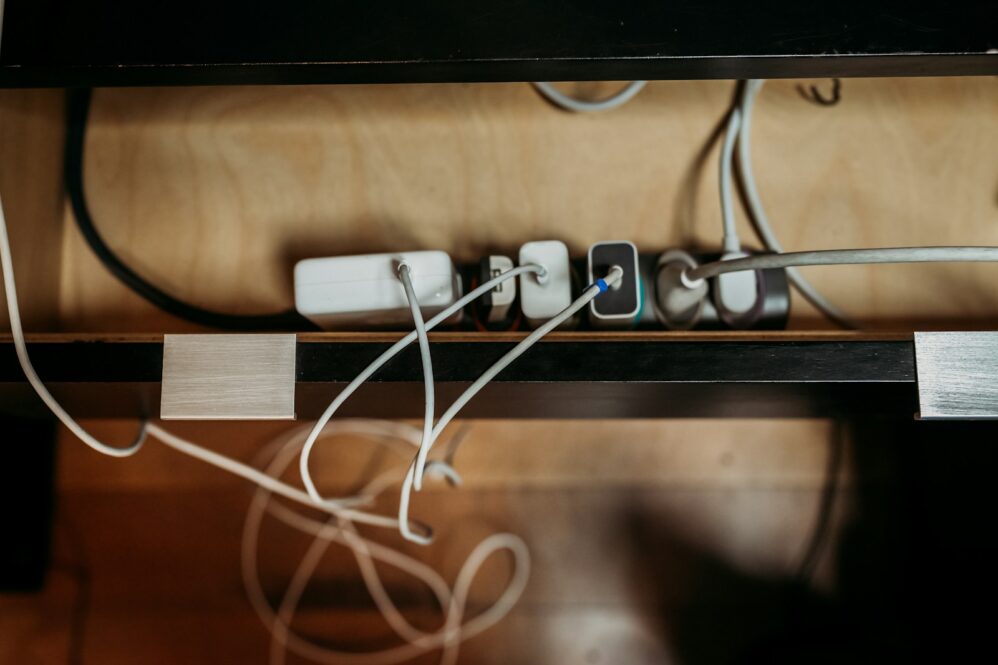
1. Vampire Electronics
Many electronics continue to draw power even when turned off, known as “vampire power.”
Unplugging devices when not in use can help cut down on this hidden energy consumption, saving up to 10 percent on energy bills.
Read More:
- 10 Common Air Conditioner Mistakes That Are Driving Up Your Energy Bills
- 9 Reasons Indoor Air Quality is the Future of Home Comfort
- 10 Things Americans Clean That Our Great-Grandparents Never Worried About
Ask us! What questions do you have about content, strategy, pop culture, lifestyle, wellness, history or more? We may use your question in an upcoming article!
Like MediaFeed’s content? Be sure to follow us.
This article originally appeared on Resourcebuzz and was syndicated by MediaFeed.co.