9 Surprising Truths About Rosé Wine Colors
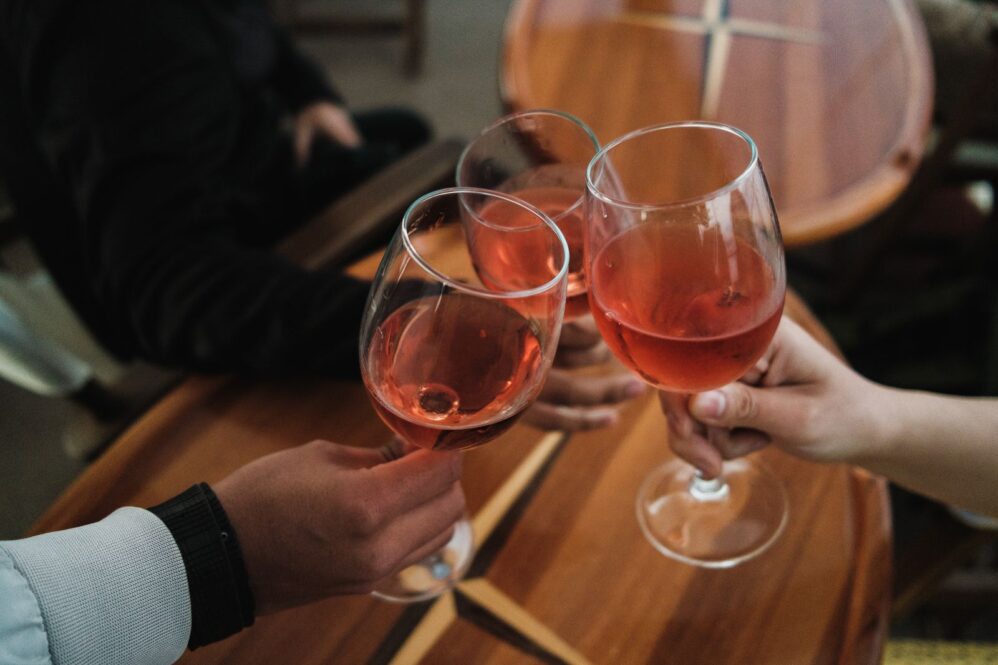
Rosé wine has become a staple in many social gatherings, but there’s often confusion about what its color actually indicates. Common beliefs suggest that the paler the rosé, the better the quality, while darker shades are sometimes dismissed as inferior. However, the truth is more nuanced.
The color of rosé is influenced by several factors, including grape variety and winemaking techniques, rather than sweetness or quality. Here are 9 things that the color of rosé can tell you—and what it can’t.
9. Grape Variety Matters
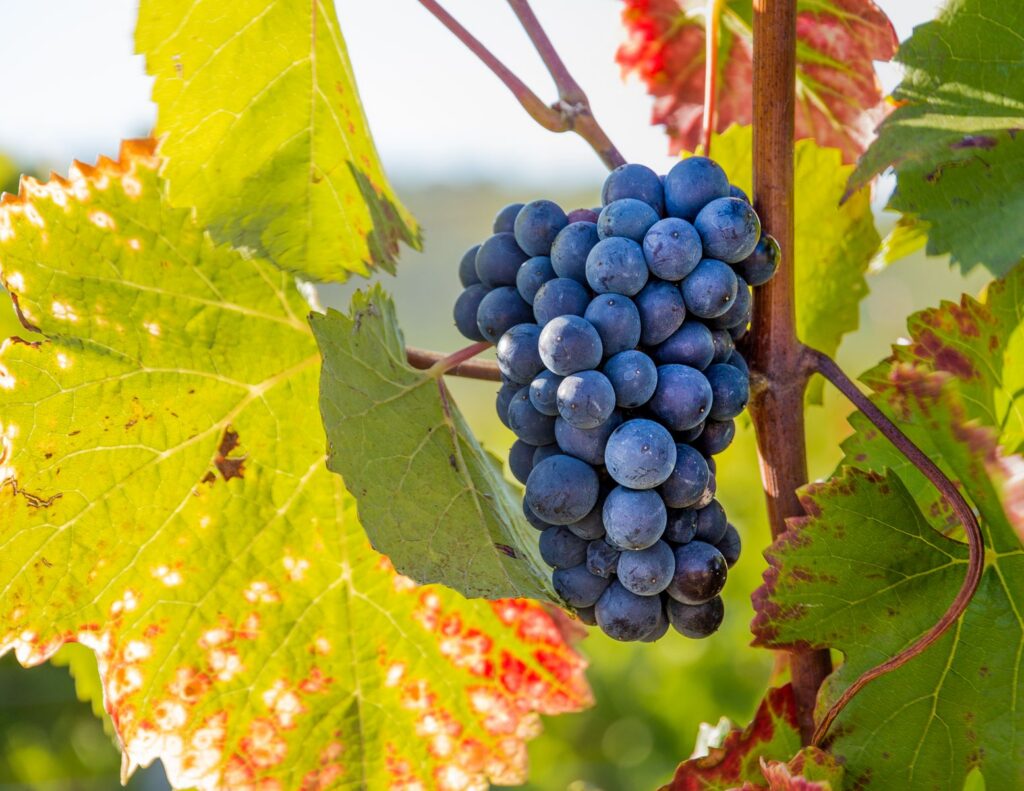
The type of grapes used in making rosé significantly affects its color. Grapes like Grenache and Cinsault are known for producing paler rosés.
On the other hand, varieties such as Cabernet Sauvignon and Malbec often result in darker hues, even with minimal skin contact.
8. Skin Contact Duration
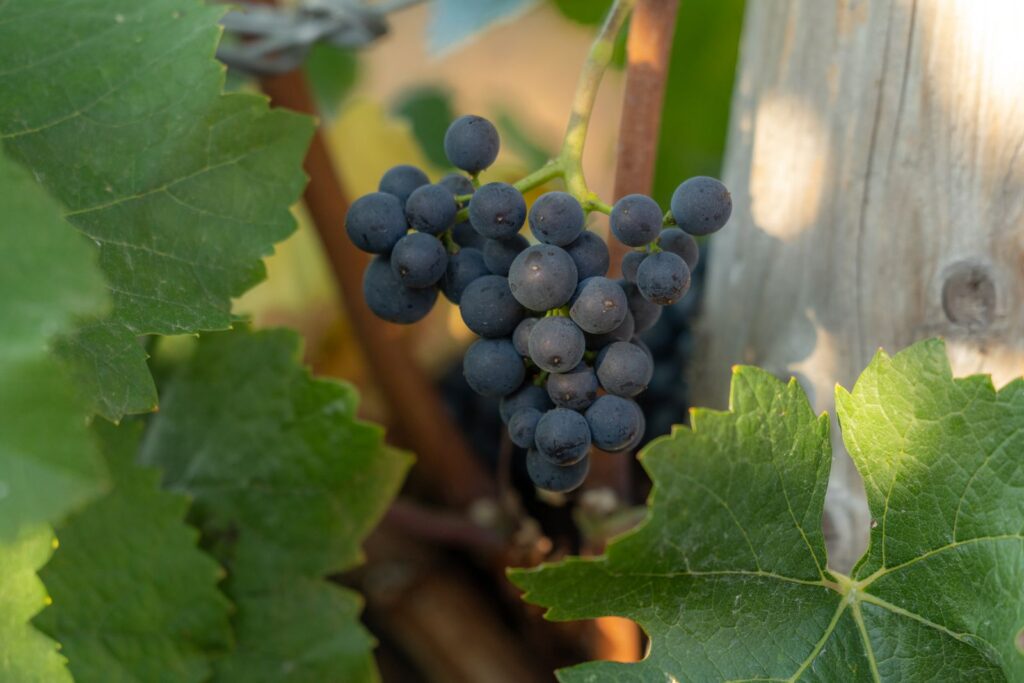
The time the grape skins are in contact with the juice is a key factor in determining rosé’s color. Shorter contact leads to paler wines.
Longer skin contact can produce deeper shades, but this does not necessarily mean the wine is sweeter or of lower quality.
7. Winemaking Choices
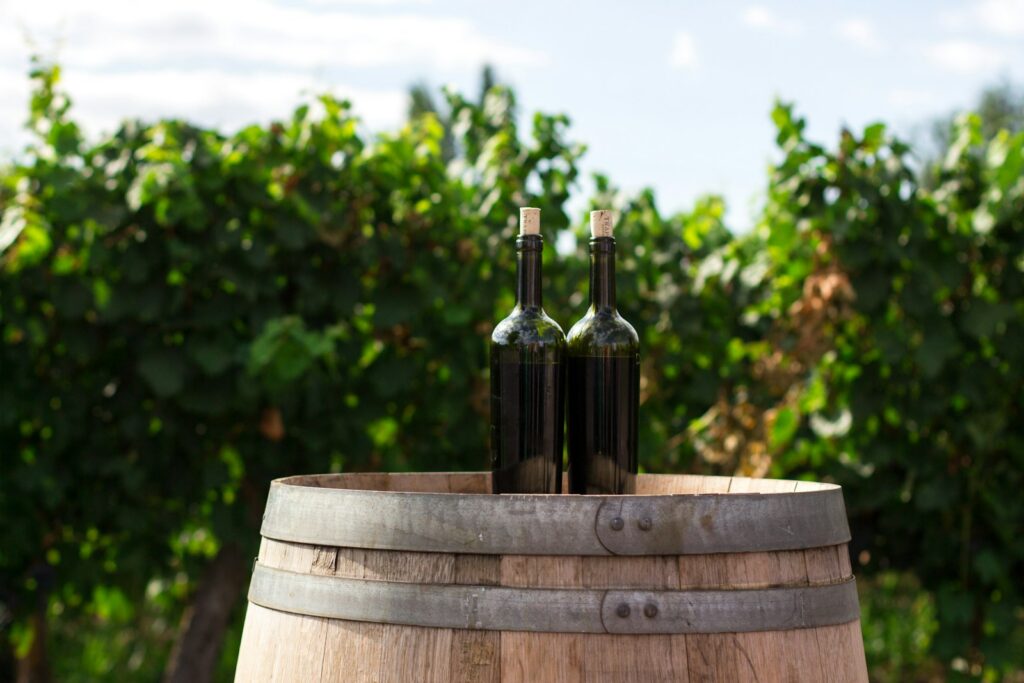
Decisions made during the winemaking process also influence rosé’s color. Techniques and aging can alter the shade over time.
Even a pale rosé can develop coppery tones as it ages, showcasing the dynamic nature of wine.
6. Pairing with Food
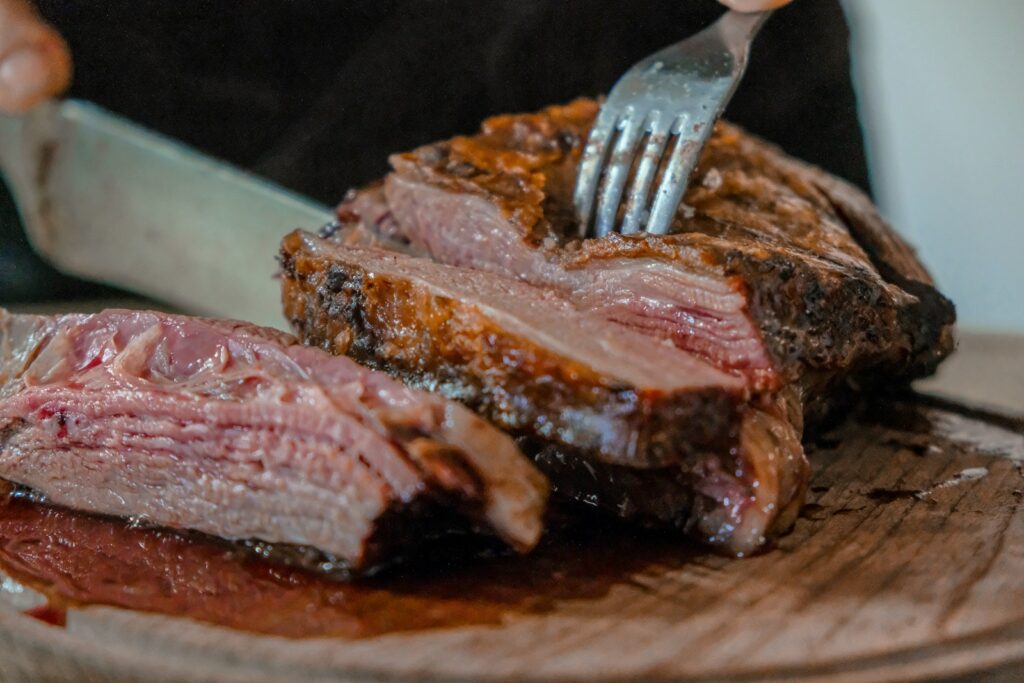
Darker rosés are often more food-friendly, pairing well with hearty dishes like grilled meats and spicy foods.
These fuller-bodied wines can complement a variety of meals, making them versatile choices for diverse menus.
5. Pale Rosé Preferences
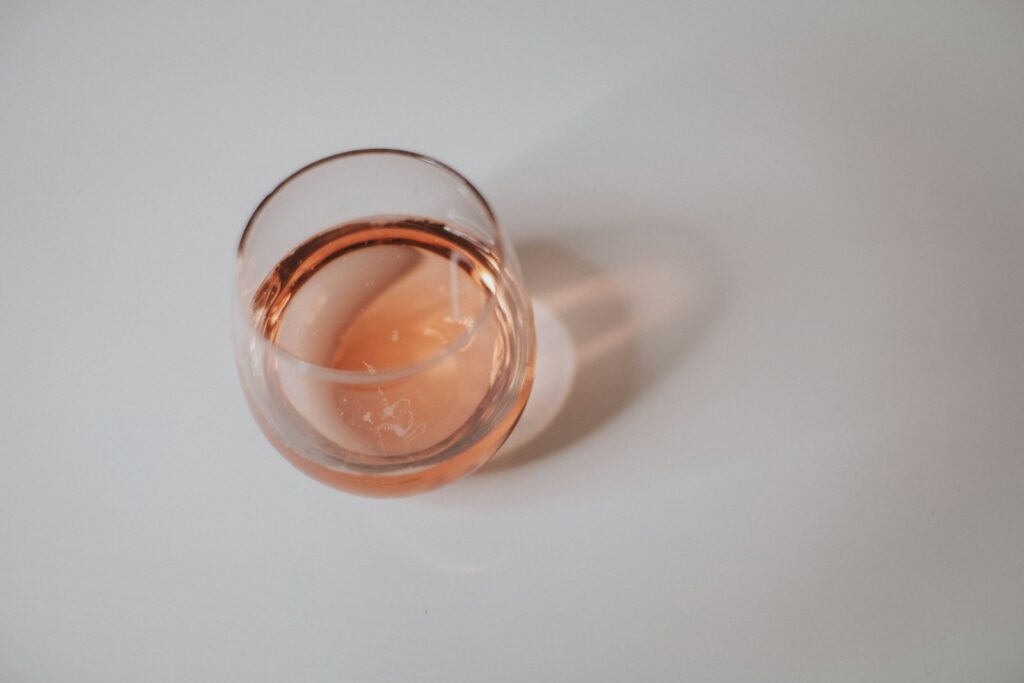
Pale rosés are typically chosen for their light, crisp, and refreshing qualities, ideal for warm weather and light meals.
They pair beautifully with salads, seafood, and can be enjoyed on their own, especially during summer.
4. Misconceptions About Quality
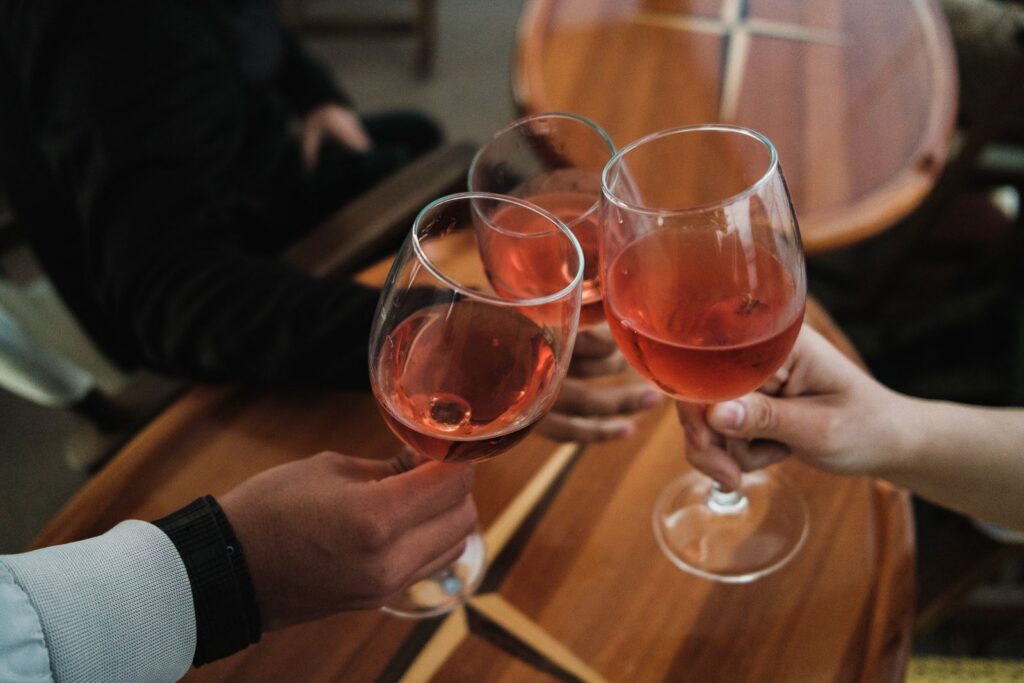
Many assume that a paler rosé signifies higher quality, but color is not a reliable indicator of a wine’s craftsmanship or taste.
The sophistication of a rosé depends more on the winemaking process than its shade.
3. Regional Differences
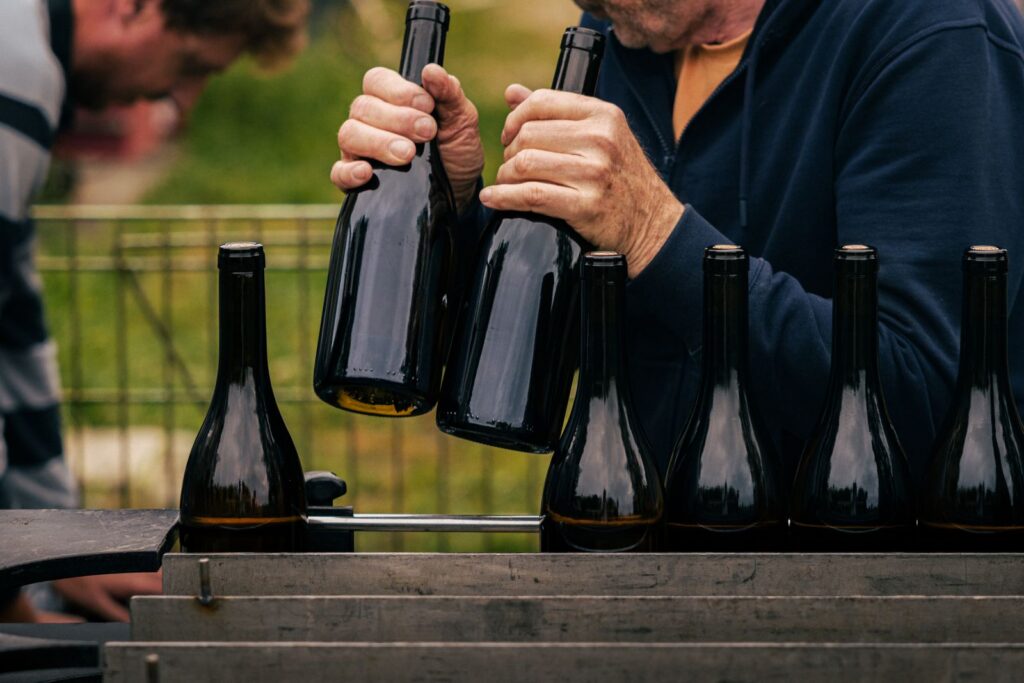
Regions like Provence are famous for their pale rosés, while areas like Spain and Italy excel in producing deeper-colored wines.
Each region offers distinct styles, allowing wine enthusiasts to explore a wide spectrum of flavors and colors.
2. Occasions and Mood
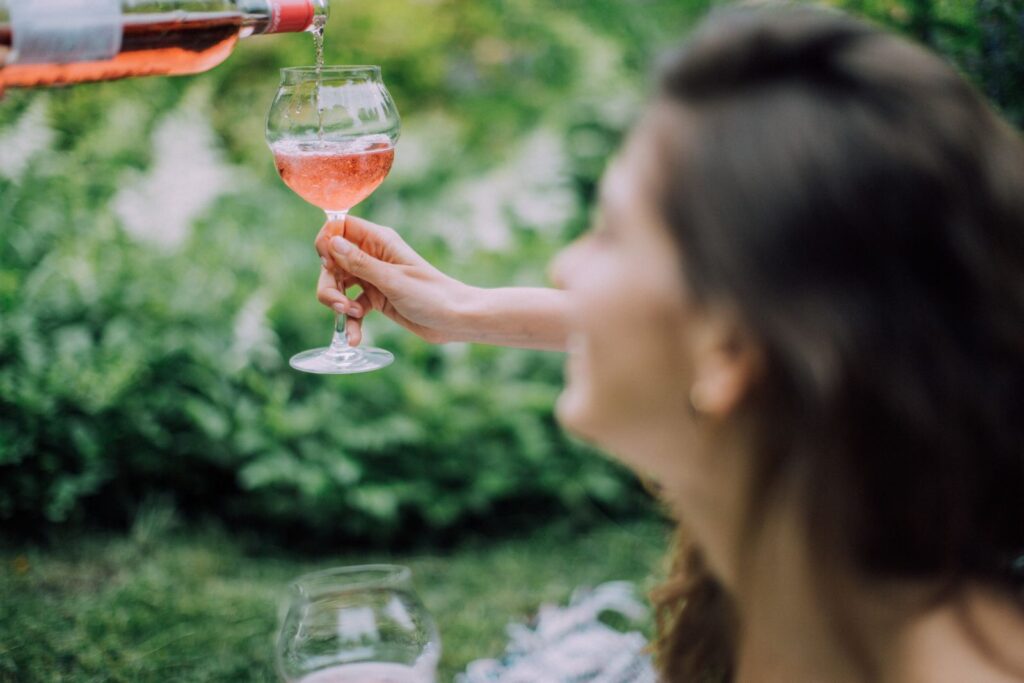
Just as with fashion, the choice of rosé can be influenced by the occasion and mood. Lighter rosés are great for casual, daytime events.
Darker rosés, with their robust flavors, are ideal for evening gatherings or when you want a wine that stands out.
1. Personal Preference
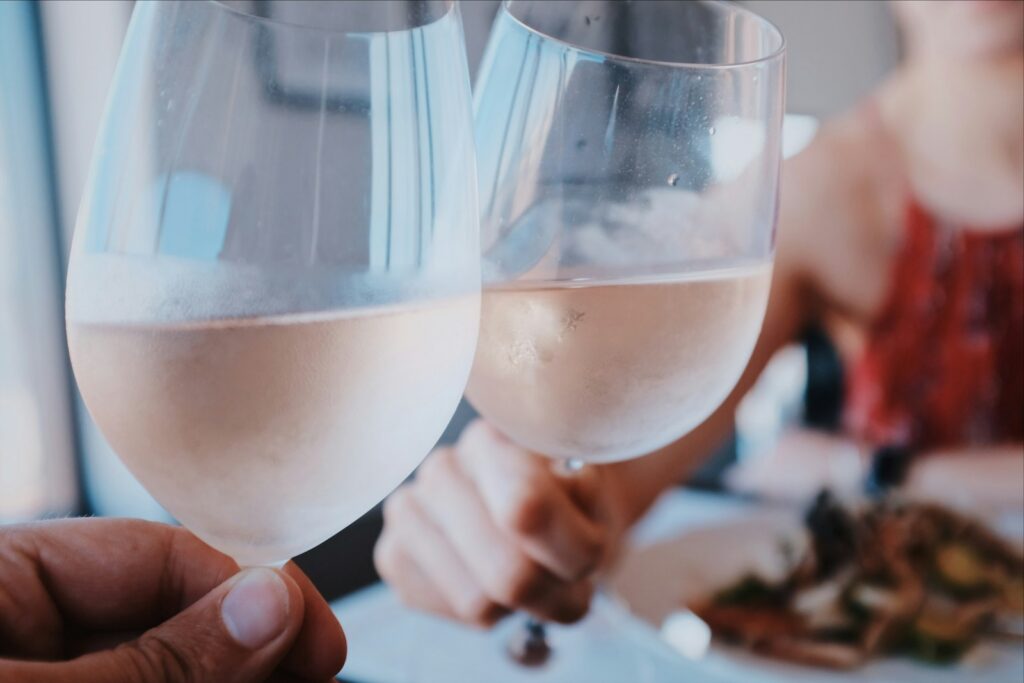
Ultimately, the best rosé is the one you enjoy the most. Personal taste should guide your choice more than the color.
Experiment with different styles and regions to find the rosé that suits your palate and enhances your experiences.
Read More:
- Understanding the Alcohol-Breast Cancer Link: What Women Need to Know
- 15 Myths About Alcohol That Refuse to Die
- 9 Reasons Younger Generations May Be Aging Faster
Ask us! What questions do you have about content, strategy, pop culture, lifestyle, wellness, history or more? We may use your question in an upcoming article!
Like MediaFeed’s content? Be sure to follow us.
This article originally appeared on Resourcebuzz and was syndicated by MediaFeed.co.